Prague's Regulatory Reality: Contractual Limits, Not Generic Tables
Indirect dischargers, representing 72% of Prague's industrial installations, negotiate site-specific contractual limits with Prague Water Management, a.s. (S3). These limits are contractual agreements rather than universal Czech indirect-discharge regulations, defining the permissible effluent quality for industrial facilities connected to the municipal sewer network (S3). Conversely, facilities discharging directly into receiving waters must comply with EU Directive 91/271/EEC, which is transposed into Czech law, notably Government Regulation No. 401/2015 Coll. (S1). The hydraulic and organic capacity of Prague's central WWTP, rated at 1,200,000 PE and treating 354,240 m³/day (approximately 4.1 m³/s), establishes the ultimate ceiling for what the city's sewer network can accept from indirect dischargers (S2). Exceeding these contractual limits can result in significant penalties, including fines, mandatory pretreatment upgrades, and even potential suspension of discharge privileges, as confirmed by Prague Water Management, a.s. (S3).
For a detailed overview of the compliance process, refer to the full 6-step compliance process and contractual-limits table.
Waste-Stream Mapping for Prague's Four Dominant Industries
Industrial wastewater streams in Prague's food processing sector typically present FOG concentrations ranging from 200–1,000 mg/L, alongside a high BOD/COD ratio and variable pH (S3). For these operations, the primary pretreatment objective is the removal of FOG and TSS before any subsequent biological treatment (S3). Pharmaceutical manufacturing, by contrast, generates effluent with COD levels between 1,000–3,000 mg/L, characterized by recalcitrant organic compounds and potential active pharmaceutical ingredient (API) residues, necessitating highly efficient biological treatment or advanced oxidation for polishing (S3). Textile facilities in Prague produce wastewater with TSS concentrations from 500–2,000 mg/L, often accompanied by color, salinity, and surfactant loads, requiring DAF systems for TSS and color removal, followed by biological treatment or adsorption (S3). Metalworking operations discharge effluents containing heavy metals such as chromium, nickel, and zinc, alongside oils and significant acidic or alkaline pH swings, which typically demand chemical precipitation combined with DAF for metal hydroxide and oil removal (S3).
When assessing treatment requirements, it is essential to consider the Czech Population Equivalent (PE) definition, which is standardized at 60 g BOD₅ per day or 150 L per day of wastewater production (S1).
| Industry Sector | Key Pollutants & Ranges | Primary Pretreatment Target |
|---|---|---|
| Food Processing | FOG 200–1,000 mg/L, high BOD/COD ratio, variable pH (S3) | FOG and TSS removal (S3) |
| Pharmaceuticals | COD 1,000–3,000 mg/L, recalcitrant organics, API residues (S3) | High-efficiency COD reduction, API removal (S3) |
| Textiles | TSS 500–2,000 mg/L, color, salinity, surfactants (S3) | TSS and color removal (S3) |
| Metalworking | Heavy metals (Cr, Ni, Zn), oils, acidic/alkaline pH (S3) | Heavy metal precipitation, oil removal (S3) |
Pretreatment Train Selection Matrix: Matching COD/FOG/TSS to Equipment
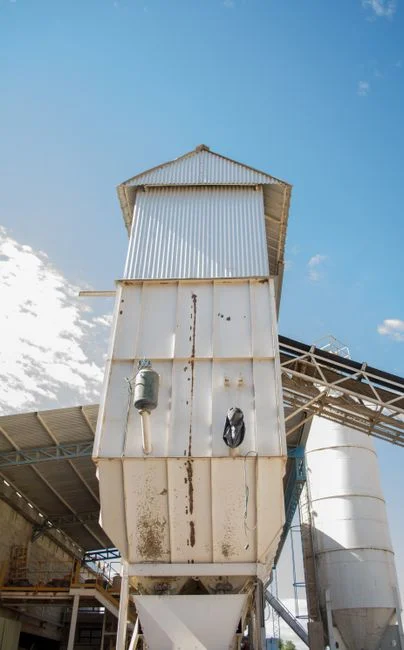
For food processing operations in Prague facing FOG concentrations of 200–1,000 mg/L, a pretreatment train centered on DAF systems effectively removes over 90% of FOG and TSS (S3). Our DAF systems are available in 13 models, handling flows from 4–300 m³/h, and can be followed by optional biological polishing. A significant CAPEX driver for DAF systems is the air saturator replacement, typically required every 7–10 years (S3). This pretreatment approach offers an ROI of 3–5 years, primarily through FOG recovery and avoidance of discharge fines (S3).
Pharmaceutical wastewater with COD levels of 1,000–3,000 mg/L often necessitates an advanced biological treatment such as the MBR DF series. These systems utilize 0.1 µm PVDF membranes, with modules offering 80–225 m² of filtration area and capacities ranging from 32–135 m³/day per module. MBR technology delivers a 60% smaller footprint compared to conventional activated sludge systems (S3). Membrane replacement is a key OPEX consideration, costing approximately CZK 1M every 5–7 years (S3). The ROI for MBR systems is typically 5–7 years, driven by significant COD reduction and the production of high-quality effluent (S3).
Textile effluents with TSS 500–2,000 mg/L and color require a DAF system for initial TSS and color removal, followed by polishing with activated carbon or ozone generation. Ozone generators are available in capacities from 50 g/h to 20,000 g/h, with CAPEX varying significantly by scale. For metalworking wastewater containing heavy metals and oils, a chemical dosing system using ferric chloride (CZK 15–25/kg) is critical for 90% phosphorus removal (S3) and heavy metal precipitation. This is typically followed by a DAF unit and a lamella clarifier, which operates at 20–40 m/h surface loading and can reduce chemical use by up to 30% for sludge densification. All pretreatment trains benefit from automatic chemical dosing systems, which are PLC-controlled and skid-mounted to ensure consistent coagulant and pH control. Installation costs for these systems typically represent 15–20% of the total CAPEX (S3).
| Pretreatment Train | Target Pollutants & Ranges | Key Equipment | CAPEX/OPEX Notes | Typical ROI |
|---|---|---|---|---|
| Train A (Food Processing) | FOG 200–1,000 mg/L, TSS (S3) | DAF (4–300 m³/h, 13 models) (product catalog) | Air saturator replacement every 7–10 years (S3) | 3–5 years (FOG recovery, fine avoidance) (S3) |
| Train B (Pharmaceuticals) | COD 1,000–3,000 mg/L (S3) | MBR DF series (0.1 µm PVDF, 80–225 m² modules, 32–135 m³/day per module) (product catalog) | Membrane replacement CZK 1M every 5–7 years (S3) | 5–7 years (COD reduction, high-quality effluent) (S3) |
| Train C (Textiles) | TSS 500–2,000 mg/L, Color (S3) | DAF + Activated Carbon / Ozone Generator (50 g/h–20,000 g/h) (product catalog) | Ozone generator CAPEX varies by scale | Depends on color/COD reduction value |
| Train D (Metalworking) | Heavy Metals, Oils, Phosphorus (S3) | Chemical Dosing (ferric chloride CZK 15–25/kg) + DAF + Lamella Clarifier (20–40 m/h) (S3, product catalog) | Ferric chloride OPEX (S3), reduced chemical use with lamella clarifier (product catalog) | 2–4 years (fine avoidance for P) (S3) |
Sludge Handling for High-COD Biomass: The Overlooked Cost Driver
DAF float and MBR waste activated sludge typically increase total sludge volume by 20–30% compared to conventional primary sludge (S3). This substantial increase in sludge volume directly impacts downstream dewatering and disposal costs, which are frequently underestimated in initial project planning. To manage this, a plate-and-frame filter press is the standard dewatering choice for industrial sludge. These presses are available with filtration areas ranging from 1–500 m² and can be configured from manual to fully automatic PLC-controlled systems, as detailed in product catalogs. Before mechanical dewatering, a lamella clarifier, operating at a surface loading of 20–40 m/h, can be employed to pre-thicken the sludge. This pre-thickening step can reduce chemical consumption during the pressing stage by up to 30% (product catalog). Sludge disposal costs in Prague are governed by the Czech Waste Act (Act No. 541/2020 Coll.), requiring careful consideration of transport expenses and gate fees for landfilling or incineration when calculating the overall operational expenditure for a pretreatment system.
Negotiating Contractual Limits with Prague Water Management, a.s.: A Tactical Framework
Successful negotiation of contractual limits with Prague Water Management, a.s. relies heavily on presenting pilot-test performance data (S3 Step 4–5). This empirical evidence, gathered during Step 4 of the compliance process, demonstrates the actual achievable effluent quality from your proposed pretreatment system, proving more persuasive than theoretical specifications (S3). Proposing the integration of flow equalization tanks into your system design is another effective tactic; these tanks dampen peak hydraulic and organic loads, reducing the required capacity of the pretreatment system and demonstrating proactive hydraulic management. When discussing compliance timelines, request a phased compliance schedule. This might involve achieving immediate FOG and TSS compliance, while allowing 12–18 months for the commissioning and optimization of biological stages for COD and BOD reduction. ensure the annual review clause (S3 Step 6) in your contract outlines clear Key Performance Indicators (KPIs), including effluent COD, FOG, TSS, P, and flow. Sharing automated monitoring data quarterly builds trust and can facilitate future negotiations for limit relaxation. For more on the negotiation process, consult the Industrial Wastewater Treatment in Prague guide.
Compliance Checklist & RFP Template for Prague Pretreatment Projects
A comprehensive influent characterization report, requiring a minimum of 14-day composite sampling for parameters including flow, COD, BOD₅, FOG, TSS, pH, metals, and temperature, forms the foundational data for any Prague pretreatment project. Use the following checklist as a template for your procurement specifications to ensure all regulatory and technical requirements are addressed:
- ☐ Influent characterization report (flow, COD, BOD₅, FOG, TSS, pH, metals, temperature) – minimum 14-day composite sampling.
- ☐ Contractual limit sheet from Prague Water Management, a.s. (or direct-discharge permit) with all parameters, units, and averaging periods.
- ☐ Pretreatment train shortlist with pilot-test protocol, CAPEX/OPEX in CZK, footprint, power demand, and chemical consumption.
- ☐ Sludge management plan: dewatering technology, target cake dryness, disposal route, and cost per tonne.
- ☐ Automation & monitoring: PLC/SCADA integration, online COD/TSS/pH/flow probes, and data export capabilities for Prague Water Management portal. For precise control, consider an automatic chemical dosing system.
- ☐ Installation timeline: civil works, equipment delivery (typically 12–16 weeks for DAF/MBR systems), commissioning, performance test, and handover.
- ☐ Annual review SOP: sampling schedule, lab accreditation (ČSN EN ISO/IEC 17025), reporting template, and escalation contacts.
Frequently Asked Questions
What is the all-in cost (CAPEX + installation + 1-year OPEX) for a 50 m³/h DAF system treating food-processing FOG in Prague?
The total initial investment (CAPEX + installation) for a 50 m³/h DAF system typically starts with base equipment costs of CZK 2.5–4M, with installation adding 15–20% of the CAPEX (S3, product catalog). Annual OPEX will include chemical costs, with ferric chloride priced at CZK 15–25/kg (S3), and a provision for air saturator replacement every 7–10 years (S3).
Can I discharge pharmaceutical wastewater (COD 2,500 mg/L) directly to Prague's sewer without an MBR?
Discharging pharmaceutical wastewater with a COD of 2,500 mg/L directly to Prague's sewer without an MBR system is only permissible if your negotiated contractual limits with Prague Water Management, a.s. explicitly allow it (S3). Pilot data consistently shows that MBR DF series systems achieve effluent COD levels below 50 mg/L (S3), which is often necessary to meet stringent indirect discharge requirements for high-COD streams.
How long does it take to negotiate new contractual limits with Prague Water Management, a.s.?
Negotiating new contractual limits with Prague Water Management, a.s. typically takes 3–6 months, assuming complete and robust pilot data is available for submission (S3 Step 1–5). It is prudent to initiate the pre-audit and data collection process at least 12 months before any existing permit expiry to allow ample time for sampling, pilot testing, and subsequent negotiations (S3 Step 1–5).
What sludge dewatering equipment handles 20–30% volume increase from high-COD DAF float?
To manage the 20–30% volume increase from high-COD DAF float (S3), a plate-and-frame filter press is a standard solution, available with filtration areas from 1–500 m² (product catalog). Alternatively, a lamella clarifier can be used for pre-thickening before a filter press, which can reduce chemical consumption by up to 30% (product catalog).