
Start with the controlling sewer permit
Food and beverage plants near Exeter meet pretreatment requirements by building a treatment train around the permit issued by the receiving publicly owned treatment works (POTW), not around a generic equipment list. The plant must characterize representative production and clean-in-place wastewater, establish local limits for BOD, TSS, FOG, pH, temperature, and any applicable nutrients, then select and operate equipment that can demonstrate compliance at the required monitoring point. Under EPA’s National Pretreatment Program at 40 CFR Part 403, Significant Industrial Users (SIUs) must obtain an industrial pretreatment permit, follow local limits, conduct self-monitoring and sampling, and submit periodic compliance reports (Oxmaint, “Food Plant Wastewater Pretreatment and Effluent Compliance,” 2026). A direct discharger to surface waters follows the NPDES pathway; an indirect industrial discharger normally operates under the local pretreatment program.
For an Exeter-area facility, the first engineering deliverable is a permit-control document, not a tank quotation. Identify the receiving POTW or other local control authority and obtain the current industrial discharge or pretreatment permit, sewer-use manual, fee and surcharge schedule, sampling instructions, approved monitoring points, and sector-specific conditions. Do not assume that the numbers described in technical literature are local limits. For example, Hixson’s “Wastewater Treatment Solutions for Food Processing” identifies 250 mg/L as a commonly cited pretreatment threshold for BOD and suspended solids, but it also states that local limits govern indirect dischargers (Hixson, 2026). That figure is not an Exeter requirement unless the controlling authority confirms it.
Also verify whether the facility is an SIU, whether separate categorical pretreatment standards apply, and who owns each compliance sample. The food and beverage pretreatment workflow for sewer limits provides the broader treatment sequence, but the signed permit and current authority instructions remain controlling.
Characterize the wastewater that actually reaches the sewer
Food-processing wastewater can change enough within a shift that a single clean-water or routine grab sample cannot support reliable equipment sizing. Hixson reports that production batches, clean-in-place (CIP) cycles, and seasonal peaks can alter flow, organic load, pH, and temperature hourly (Hixson, 2026). The sampling program must therefore separate normal production, product changeovers, cleanup, CIP discharge, and peak events, while identifying the legally required compliance sample location.
The contaminant profile depends on the process. Brewery wastewater can contain sugars, yeast, and acids; dairy and meat streams can carry proteins, fats, oils, and grease; beverage and confectionery operations can contain readily degradable sugars and starches (Hixson, 2026; ALAR, “Food & Beverage Wastewater Treatment,” 2026). These streams behave differently in equalization, flotation, and biological treatment.
| Event or source | What to measure | Why it matters to design |
|---|---|---|
| Normal production | Flow, BOD₅, COD, TSS, FOG, pH, temperature | Establishes recurring hydraulic and organic loading |
| Batch discharge or changeover | Flow rate, concentration, duration, retained volume | Tests peak hydraulic and organic conditions |
| CIP and cleaning | pH, chemical demand, flow, duration, temperature | Identifies shock loads and equalization requirements |
| Seasonal production | Flow, BOD₅, COD, TSS, FOG | Tests whether treatment follows the production calendar |
| Compliance point | Parameters and methods named in the permit | Links operating performance to enforceable evidence |
Hixson states that food-processing effluent can be 10 to 100 times stronger than domestic wastewater when measured by BOD₅ and COD (Hixson, 2026). Use that source-reported range as a warning about organic loading, not as a design value. The plant should provide current influent measurements, laboratory methods, production schedules, and retained-wastewater data before a supplier applies generic removal percentages.
Preserve chain of custody, identify who collects each sample, and record operating conditions at collection. Vendor claims cannot substitute for plant data or representative compliance sampling.
Build the pretreatment train around each permit limit
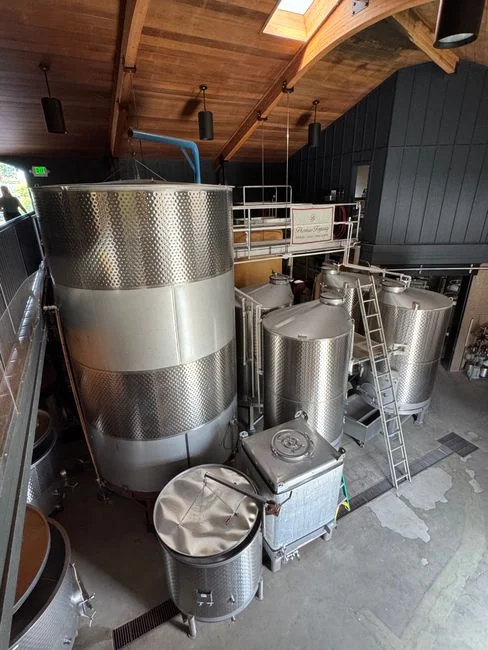
The correct train separates treatment objectives: protect equipment, buffer variability, remove floatable material, control pH, reduce dissolved organics, and polish the effluent only where the permit or reuse objective requires it. No single unit should be credited with solving every limit.
| Treatment step | Primary objective | Decision condition |
|---|---|---|
| Screening or grinding | Remove product pieces, packaging debris, food particles, grit, and fibrous material | Use when solids could damage pumps or interfere with biological treatment |
| Equalization | Buffer flow, concentration, pH, and chemical-load peaks | Use when production and CIP discharges vary enough to upset downstream units |
| DAF | Remove suspended solids and FOG by microbubble flotation and skimming | Use when removable floatables or solids dominate the pretreatment objective |
| pH adjustment | Balance cleaning chemicals and protect downstream biology | Use when CIP or process chemistry can move pH outside the permitted or process range |
| Biological treatment | Reduce dissolved BOD and COD | Use when the permit or discharge objective requires organic-load reduction |
| MBR or advanced polishing | Combine biological treatment with membrane separation or add advanced effluent quality | Use when solids separation, footprint, reuse readiness, or a tight local limit justifies it |
| Nutrient removal | Remove nitrogen or phosphorus | Use only where the local permit, watershed requirements, or reuse plan calls for it |
A DAF system for food-processing pretreatment uses pressurized air released as microbubbles to float suspended solids and FOG for skimming. Hixson reports poultry-study results of 74% suspended-solids removal and 99% oil-and-grease removal under optimized conditions. It also cites more recent poultry data showing up to 99% TSS removal, 85% BOD₅ reduction, and 98% phosphate removal with appropriate coagulant selection and operation (Hixson, 2026). These are source-qualified poultry results, not guarantees for another food stream or for Exeter limits.
pH adjustment is not optional in many food plants because detergents and disinfectants from CIP can alter pH and affect downstream biological processes (ALAR, 2026). Aerobic treatment then removes dissolved BOD and COD; anaerobic digestion can suit high-strength organic streams and recover biogas. Hixson reports food-processing anaerobic COD removal of 89.8–96.5%, methane yields of 0.27–0.33 liters CH₄ per gram of COD removed, and documented biogas offsets of up to 57.6% of plant energy demand (Hixson, 2026).
An MBR treatment for advanced effluent polishing combines biological treatment with membrane filtration. A beverage pilot cited by Hixson produced COD of 16.9 mg/L, TSS of 3.8 mg/L, and COD removal of 92.6% (Hixson, 2026). Treat these as pilot observations, not acceptance guarantees. Equally, do not assume DAF, equalization, and biological treatment will meet nitrogen or phosphorus limits.
Size for variability rather than average flow
Average daily flow will not establish a defensible equipment size for a plant whose batches and CIP cycles create short, concentrated discharges. Size hydraulic and organic loading from representative production and cleanup data, including peak-hour flow, batch duration, retained wastewater, and the complete treatment train. The equalization volume must buffer the flow and concentration swings that Hixson identifies as a defining food-processing challenge (Hixson, 2026).
Evaluate more than flow rate. Chemical demand, sludge generation, skimming capacity, biological oxygen demand, utilities, footprint, odor control, and maintenance access all affect whether the train remains reliable during peak production. These are design inputs that must be developed from plant data and pilot results, not generic assumptions.
HydropureWater’s catalog DAF range is 4–300 m³/h across 13 models. That range identifies available equipment, not a model recommendation: selection still requires plant-specific wastewater characterization, hydraulic loading, organic loading, and the local discharge constraints. Chemical dosing should also be sized from measured water chemistry and operating trials; the automatic chemical dosing system must be evaluated as part of the complete control strategy.
Pilot testing can validate removal performance, chemical consumption, sludge behavior, and control settings before full-scale installation. ALAR specifically offers pilot testing to validate food and beverage wastewater treatment performance (ALAR, 2026). Where treatment reliability is critical, compare equalization storage, standby capacity, and a controlled response plan with the operational consequence of an exceedance. Do not let equipment selection produce a train that works only during a routine production day.
Prove compliance with sampling and operating records
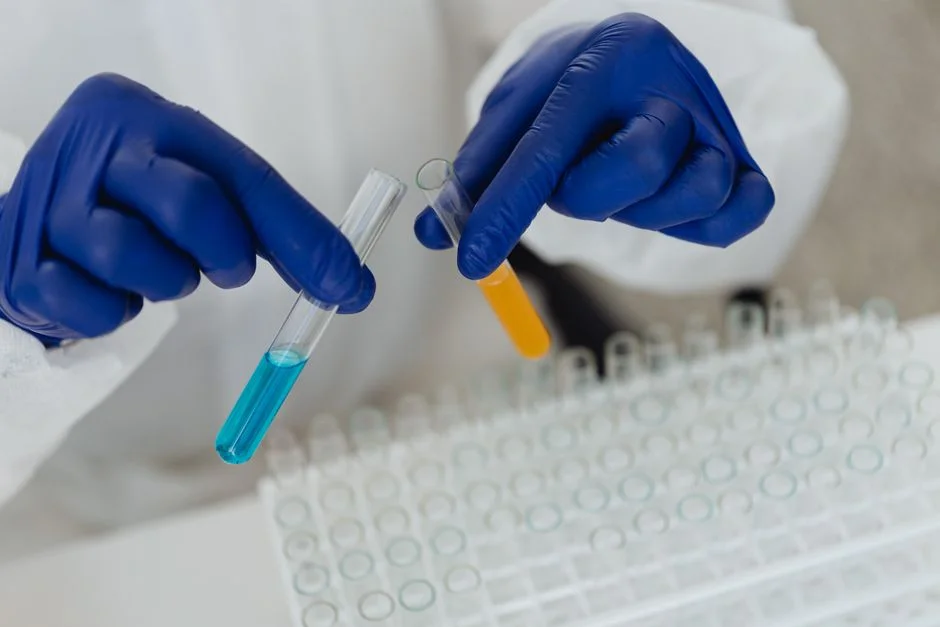
Compliance is demonstrated by a linked chain of operating records, representative samples, calibration evidence, and corrective-action closure. It is not established by a vendor removal percentage or by treating the equipment as running because its motor is energized.
Oxmaint’s example maintenance program for a DAF includes daily operational checks, weekly skimmer inspections, and monthly chamber cleanouts (Oxmaint, 2026). Adapt that example to the manufacturer’s instructions, permit requirements, and actual operating frequency. A separate work order should identify the asset, task, date, operator, findings, and completion status.
Calibrate pH and other instruments on a defined schedule and link results to the relevant instrument record. Oxmaint’s example uses weekly calibration for pH probes and retains the result against the instrument (Oxmaint, 2026). Schedule required compliance samples in advance, preserve chain-of-custody documentation, and use alerts to detect a missed sample before the report is prepared.
When an exceedance occurs, open a corrective-action record that identifies the root cause, corrective work, responsible owner, and verification sampling through closure. Do not close the event merely because the next sample is compliant; retain the evidence explaining what changed.
Calibration logs, sample records, maintenance sheets, deviations, and corrective-action files should be accessible in one system. Oxmaint reports that consolidating records reduced one audit-preparation example from 3–6 weeks to hours (Oxmaint, 2026). That is a source-reported workflow result, not an Exeter regulatory requirement, but it demonstrates the operational value of linked ownership.
For procurement, require the manufacturer to define factory acceptance testing (FAT) and site acceptance testing (SAT) against the plant’s documented influent characterization, applicable local limits, sampling locations, test methods, and operating scenarios. Otherwise, the supplier’s treatment claim remains disconnected from the plant’s compliance evidence.
Choose equipment and suppliers by compliance risk
Supplier evaluation should begin with the permit, not the equipment category. Ask each bidder to map every proposed unit to the exact BOD, TSS, FOG, pH, temperature, nutrient, sampling, monitoring, and reporting requirement that applies to the facility. Require source-qualified performance data and an acceptance-test method; a generic removal percentage without sector, influent, and operating conditions is not enough.
| Decision | Case for the option | Key risk to evaluate |
|---|---|---|
| DAF or clarifier | DAF is a strong fit when FOG, oil, or floatable solids are the dominant removable contaminants | Coagulant demand, sludge and skimming behavior, variable oil character |
| MBR or conventional activated sludge | MBR is more defensible when solids separation, footprint, reuse readiness, or biological control justifies membrane treatment | Higher capital and energy demands, membrane maintenance, influent adaptation |
| Anaerobic or aerobic biology | Anaerobic treatment can suit high-strength organic streams; aerobic systems support conventional BOD and COD reduction | Process control, load variability, nutrient requirements, odor and safety |
| Nutrient removal or polishing | Use where local requirements, watershed conditions, or reuse objectives demand it | Overcapitalization if the permit does not require nutrient control |
Confirm delivery scope, site utilities, controls, instrumentation, installation schedule, operator training, spare parts, warranty boundaries, sludge handling, and continuing service support. The bid should also identify who owns each calibration record, sample, deviation, work order, and corrective-action record after handover.
Compare life-cycle costs for media, membranes, chemicals, aeration, sludge hauling, monitoring, and maintenance. S2 states that untreated haul-away can be expensive, but the supplied research contains no Exeter-specific equipment price or disposal-cost figure (S2). A valid budget comparison therefore requires local vendor quotations, hauling rates, chemical prices, utility costs, and disposal charges; do not substitute another municipality’s surcharge as an Exeter estimate.
Build a permit-to-compliance implementation plan
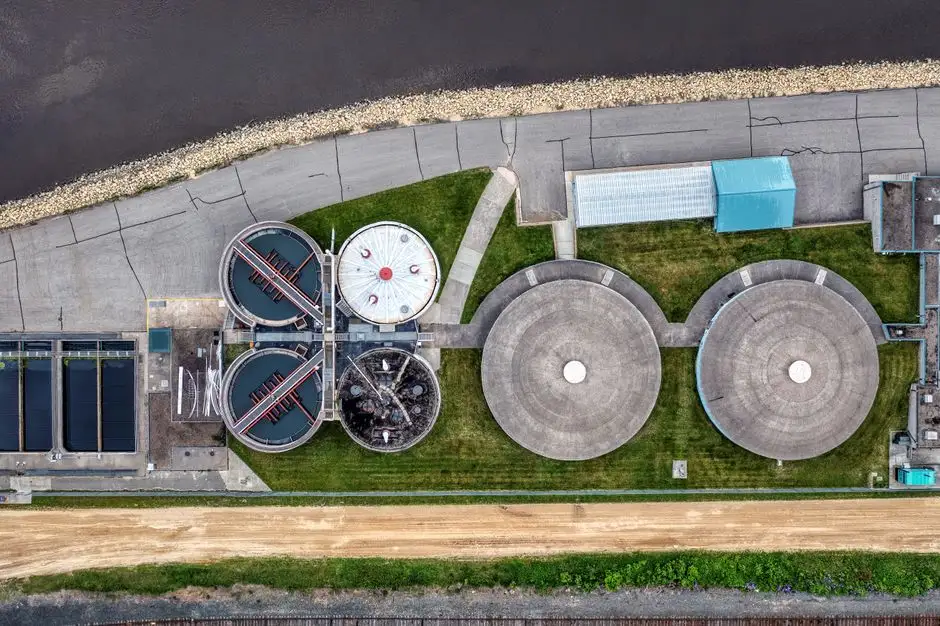
A defensible project follows a fixed sequence from legal discovery to operating evidence:
- Obtain the current local requirements, permit, sewer-use manual, fee schedule, and sampling instructions.
- Characterize representative production, batch, cleanup, CIP, and seasonal wastewater.
- Translate each applicable limit into a treatment objective and measurable outlet criterion.
- Pilot the critical unit operations where performance, sludge, or chemical use remains uncertain.
- Select and size the complete train using peak hydraulic and organic conditions.
- Install the equipment, controls, monitoring, and access for maintenance.
- Calibrate instruments and conduct FAT and SAT under defined scenarios.
- Begin the required compliance monitoring and establish record ownership.
- Review trends after the first seasonal cycle and whenever production or permit conditions change.
Commissioning must include production and cleanup scenarios rather than clean-water testing alone. Procurement documents should define design influent, guaranteed outlet objectives, test methods, monitoring locations, acceptance criteria, and consequences of failed tests. DAF, equalization, pH adjustment, and biological treatment are candidate stages only after they have been matched to the dominant pollutants and the local permit.
Review operating performance after the first seasonal cycle and whenever the product mix, production schedule, cleaning chemistry, or permit changes. The MBR versus conventional activated-sludge comparison is useful for evaluating biological routes, but the final selection still follows the permit-to-equipment method.
Frequently Asked Questions
What will pretreatment equipment cost for a food and beverage plant near Exeter?
The supplied research contains no Exeter-specific equipment price, so a responsible budget cannot be stated as a generic range. Separate capital cost from life-cycle operating cost and request itemized quotations for the selected train, civil work, controls, utilities, chemical dosing, media or membranes, sludge handling, monitoring, maintenance, and operator training. Also obtain the local surcharge and hauling schedule. Compare each bid over its contractual life using the plant’s measured influent and anticipated operating scenarios.
What flow and wastewater data are needed to size a DAF or MBR system?
Request representative peak-hour flow, batch and CIP durations, retained-wastewater volume, seasonal production schedules, and analytical data for BOD₅, COD, TSS, FOG, pH, temperature, nutrients where relevant, and cleaning chemicals. Use these inputs to determine hydraulic loading, organic loading, equalization requirements, chemical demand, and biological capacity. Average daily flow alone is not a defensible basis for sizing.
How should a plant choose between DAF, MBR, and conventional biological treatment?
Choose DAF when removable FOG and floatable solids are central, MBR when the required solids separation, footprint, reuse readiness, or biological control justifies membrane treatment, and conventional biological treatment when its removal performance and operating demands meet the actual limit. Require source-qualified data from comparable wastewater, pilot evidence where available, and FAT/SAT criteria linked to the plant’s design influent and permit objectives.
What compliance risks should be settled before selecting a supplier?
First identify the control authority, current permit, local pretreatment limits, surcharge rules, monitoring point, sampling method, reporting frequency, and consequences of exceedance. Then require the supplier to map equipment to every applicable parameter and deliver calibration, maintenance, sampling, deviation, and corrective-action documentation. The industrial pretreatment permit and monitoring workflow illustrates how legal requirements and operating evidence should be linked, but the Exeter-area authority’s documents remain controlling.