Which treatment route fits a Richmond pulp and paper mill?
For pulp and paper wastewater in Richmond, MBR usually has the stronger solids-separation advantage, while conventional activated sludge remains credible where wastewater is stable, land is available, sludge settles reliably, and the required effluent quality can be met without extensive polishing. The better choice depends on the actual mill streams, reuse specification, pretreatment, and solids-handling chain—not the equipment label alone. MBR replaces clarifier-based capture with membrane separation but introduces fouling, cleaning, controls, and replacement-module requirements. Final selection should follow representative stream testing, pilot evaluation of the proposed pretreatment train, and a site-specific comparison of complete installed systems.
The supplied research does not establish a universal numeric effluent limit for a Richmond pulp and paper installation. The applicable permit and actual mill reuse specification must define performance, and each proposal should be tested against those requirements rather than generic catalog values.
Use four questions to screen the routes:
- Is the wastewater stable enough for predictable biological treatment and solids separation?
- Is land constrained, and does the mill value compact separation enough to justify membrane controls?
- What water quality is required for discharge or industrial wastewater reuse?
- Can operations reliably manage membrane fouling, cleaning, sludge concentration, and downstream residue handling?
For a first-pass commercial screen, the MBR wastewater treatment cost per m3 framework is useful only after the mill streams, treatment objectives, pretreatment, and solids chain are defined. It should not be used to substitute a generic price for site-specific engineering.
MBR and conventional activated sludge use different solids-retention mechanisms
In conventional activated sludge, clarifier hydraulics and sludge settleability determine solids capture; solids escaping the clarifier become effluent rather than returned biomass. In an MBR, the membrane tank provides the physical solids barrier, so a secondary clarifier is no longer required and settleability is not the final separation constraint. Membrane fouling remains, so the apparent simplification of removing a clarifier does not remove the operating burden.
A membrane bioreactor combines activated-sludge biology with microfiltration or ultrafiltration membrane separation. Conventional activated sludge uses biological treatment followed by gravity settling in a secondary clarifier. HydropureWater’s 2025 comparison states that MBR generally produces better BOD, TSS, and turbidity quality, but the result depends on wastewater characteristics, pretreatment, loading, and fouling control.
The same 2025 comparison, drawing on a 2023 Membranes review, reports that MBR generally operates with lower hydraulic retention time and higher sludge retention time than CAS. It does not provide universal HRT or SRT design inputs for a Richmond mill; those values must come from site-specific testing and process design.
| Design issue | Conventional activated sludge | MBR |
|---|---|---|
| Biological treatment | Activated-sludge biology | Activated-sludge biology |
| Final solids separation | Gravity settling in a secondary clarifier | Physical barrier provided by the membrane |
| Primary separation risk | Poor settleability, carryover, and clarifier hydraulics | Membrane fouling and cleaning demand |
| Clarifier requirement | Required | Not required for solids separation |
| Downstream solids concentration | Based on clarifier and sludge-handling performance | Changed by membrane capture and biology |
| Retrofit implication | May preserve an existing biological and clarification arrangement | Changes solids accumulation, hydraulics, controls, cleaning, and sludge handling |
Adding tertiary filtration to CAS does not automatically make it equivalent to MBR in footprint, operation, or reuse readiness. An MBR retrofit is also not automatically a drop-in clarifier replacement. Before treating an integrated MBR membrane bioreactor as a retrofit option, audit the biology, equalization, pretreatment, hydraulics, controls, and downstream residue capacity.
What changes for pulp and paper wastewater?
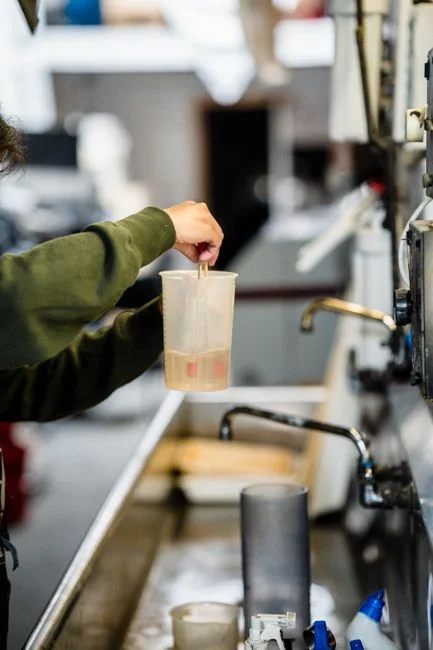
Pulp and paper wastewater must be segregated and characterized by stream before a blended average is used for design. Fibers, suspended solids, free and emulsified oil, FOG, color, lignin-derived organics, relevant chlorinated compounds, temperature, and production-linked variation can affect biological treatment, clarification, membrane fouling, and downstream polishing. The 2025 HydropureWater comparison requires pretreatment and pilot testing before recommending MBR for highly fibrous, FOG-rich, variable, or hot wastewater.
Evaluate the solids-forming and oil-bearing fractions separately. Fiber content can overload pumps or downstream biological and membrane equipment. Suspended solids, FOG, oil and grease, and colloidal material require an engineered pretreatment response. A mechanical screening duty should be set against actual debris loading and downstream protection requirements; the rotary mechanical bar screen can be evaluated as part of that train.
| Mill variable | What must be measured | Technology or design implication |
|---|---|---|
| Fibers and suspended solids | Stream-by-stream fiber content, suspended solids, settleability, and production linkage | Screening, solids removal, equalization, biological loading, clarifier capture, and membrane protection |
| Oil, grease, and FOG | Free and emulsified oil, oil and grease, FOG, and their variation | DAF performance, biological loading, and membrane-fouling control |
| Color and lignin-derived organics | Color and relevant organic constituents for the identified mill streams | Biological treatment and any required polishing; membrane solids separation alone does not establish dissolved-contaminant removal |
| Relevant chlorinated compounds | Presence and treatment implications of applicable compounds | Whether treatment or polishing beyond solids separation is required |
| Temperature and load variation | Temperature, flow, contaminant loading, and production-linked peaks during representative periods | Equalization, biological performance, membrane flux, and fouling behavior |
MBR improves solids separation, but the supplied 2025 HydropureWater comparison does not establish universal removal of color, lignin-derived organics, or chlorinated compounds. Those dissolved constituents must be evaluated separately against the permit or reuse specification.
A blended average is not a safe basis for final sizing when it hides dilute and concentrated stream behavior that drives biological loading, fouling, and equalization needs. Evaluate the sequence in order: characterization, equalization, screening, appropriate solids and FOG removal, biological treatment, solids separation, and any polishing or reuse step. DAF pretreatment for pulp and paper wastewater should be evaluated in sequence, not selected as an isolated product.
Compare MBR, conventional activated sludge, and the full treatment chain
MBR’s primary advantage is a membrane solids barrier; CAS depends on gravity settling and can suffer carryover when settleability or clarifier performance deteriorates. The 2025 HydropureWater guide supports MBR’s general advantage in BOD, TSS, and turbidity quality, subject to wastewater characteristics and fouling control. Those comparative statements are not project guarantees.
| Procurement criterion | MBR | Conventional activated sludge |
|---|---|---|
| Solids separation | Membrane barrier; no secondary clarifier required | Secondary clarifier; sensitive to settleability and carryover |
| Effluent quality | Generally better BOD, TSS, and turbidity quality in the 2025 HydropureWater comparison, subject to wastewater and fouling control | May meet the applicable permit or reuse target where biology, clarification, and any polishing perform as designed |
| Footprint | HydropureWater’s verified catalog claims 60% smaller footprint than conventional systems; confirm through a site layout | Requires a biological basin, secondary clarifier, and associated works |
| Operations | Requires membrane-fouling control, cleaning access, controls, and module replacement planning | Requires clarifier and sludge-return operation; may require polymer-assisted clarification or dewatering |
| Scale screen | HydropureWater lists 10–2,000 m³/day for the integrated MBR catalog range | Final capacity must be established from representative flows, loads, variability, equalization, pretreatment, and quality requirements |
| Solids handling | Changes sludge concentration and handling requirements but does not eliminate sludge production or disposal | Produces biological excess sludge that must be conditioned, dewatered, transported, and disposed of |
| Retrofit readiness | Requires an audit of biology, equalization, pretreatment, hydraulics, controls, and residue handling | May preserve the existing arrangement, subject to verification of performance and capacity |
| Performance risk | Primary risks include fouling, cleaning outages, bypass operation, and changed influent conditions | Primary risks include clarification failure, carryover, sludge settleability, and downstream polishing demand |
The catalog flow range is only an equipment screen. Representative peak flow, contaminant loading, stream variability, equalization, pretreatment performance, and effluent or reuse quality determine final sizing.
Price the entire biological excess-sludge chain: conditioning, dewatering, storage, transport, and disposal. A plate-and-frame sludge filter press may be part of that solution, but press selection requires representative sludge properties, expected solids concentration, settling or conditioning behavior, retention requirements, operating schedule, available dewatering area, and disposal terms.
Require guarantees tied to the applicable permit or reuse target. Ask each bidder to state how changed influent conditions, fouling, cleaning outages, bypass operation, and downstream polishing affect demonstrated compliance.
Pretreatment and pilot testing decide whether MBR is viable
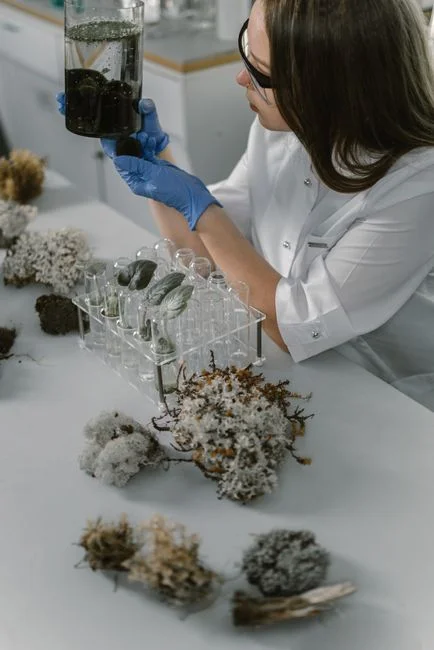
MBR should advance only after representative stream data and pretreatment testing show that the proposed train can control the identified fouling mechanisms. The sequence is characterization, equalization, screening, solids and FOG removal, biological treatment, membrane separation, and any required polishing. Each stage should be assessed against the next one rather than treated as an independent product decision.
- Characterize every stream. Record flow, production linkage, contaminants, temperature, and variability during representative production periods. If only a blended average is available, the 2025 HydropureWater comparison treats that as a no-go for final sizing.
- Verify mechanical screening. Set the screen duty against actual debris loading and the protection required for pumps, biological equipment, and membranes. Address fibers that could overload downstream equipment.
- Test the proposed DAF arrangement. Evaluate suspended solids, FOG, oil and grease, and colloidal material with DAF pretreatment for pulp and paper wastewater before membrane testing. Revise pretreatment if required.
- Run the MBR pilot with selected pretreatment. Test representative production periods and wastewater variability, membrane fouling, clean-in-place recovery, solids handling, and bypass implications.
- Compare against the actual reuse specification. Specify additional polishing if solids separation alone does not qualify the water.
The HydropureWater DAF catalog lists capacity from 4–300 m³/h across 13 standard models. That is an equipment screen only; final selection requires representative flow and contaminant loading. The related DAF versus clarifier for pulp and paper wastewater comparison provides another way to examine separation duties, but it does not replace mill-specific testing.
The no-go condition is explicit: if pretreatment cannot control the identified fouling mechanisms, or if the treatment and polishing train cannot demonstrate the reuse target, MBR should not advance to a final investment recommendation. Pilot results must describe the tested configuration and cannot be extrapolated automatically to another mill.
Build an RFQ that compares complete systems and performance risk
Each bidder should receive the same wastewater characterization, reuse target, pretreatment assumptions, pilot protocol, representative operating data, and solids-handling inputs. A comparable bid must price the complete chain: biological treatment, membrane or clarifier separation, sludge return and removal, pretreatment, controls, cleaning, downstream residue handling, installation, energy, chemicals, labor, and disposal.
Do not compare a module price with an installed treatment train. Require the proposal to state membrane material, configuration, controls, pretreatment, cleaning access, spares, sludge handling, commissioning, and warranty scope. Module replacement is an operating and lifecycle item that needs a stated strategy, not an assumption that replacement modules are included.
| RFQ item | Evidence required from each bidder |
|---|---|
| Common design basis | Representative flow and loading, stream variability, equalization, pretreatment assumptions, applicable permit or reuse target, and solids properties |
| Complete price | Equipment, installation, controls, pretreatment, cleaning, module replacement, sludge conditioning and dewatering, energy, chemicals, labor, transport, and disposal |
| Performance guarantee | Defined permit or reuse target, test methods, sampling conditions, and responses to changed influent conditions, fouling, cleaning outages, bypass operation, and polishing |
| Operating evidence | Representative pilot results, comparable pulp and paper installations, MTBF, module replacement strategy, critical spares, redundancy, controls philosophy, alarm setpoints, bypass strategy, and clean-in-place procedures |
| Solids chain | Expected concentration, conditioning behavior, retention, dewatering performance, storage, transport, and disposal assumptions |
| Commercial basis | Each bidder’s cost per m³ calculation using the same site-data assumptions, exclusions, contingency, warranty, and escalation terms |
Ask how each guarantee applies to the proposed mill wastewater rather than accepting general catalog language. Require representative evidence and a fallback plan for fouling or cleaning outages. Clarify whether the commercial proposal assumes a new treatment train, reuse of existing basins, or a partial retrofit, because those interfaces are not equivalent.
The supplied research provides no defensible generic cost per m³ for this Richmond application. Request a quotation using the MBR wastewater treatment cost per m3 framework, but require bidders to attach their site-data assumptions and separate capital, installation, operating, fouling-control, replacement-module, and residue-disposal costs.
Frequently Asked Questions
Is MBR always better than conventional activated sludge for pulp and paper wastewater?
No. MBR provides a membrane solids barrier and the 2025 HydropureWater comparison supports its general advantage in BOD, TSS, and turbidity quality, subject to wastewater characteristics and fouling control. It also adds cleaning, controls, module replacement, and capital-cost exposure. CAS remains credible where wastewater is stable, land is available, settleability is reliable, and the permit or reuse target can be met without extensive polishing.
How should an MBR be sized for a Richmond mill?
Do not size from the HydropureWater catalog range of 10–2,000 m³/day alone. Give bidders representative peak flow, contaminant loading, production-linked variability, equalization requirements, pretreatment performance, and the permit or reuse target. Require final sizing to be verified through pilot or side-stream testing.
What should suppliers provide before selection?
Require representative pilot results, comparable pulp and paper references, complete-system pricing, performance guarantees tied to the applicable permit or reuse target, fouling-recovery data, redundancy, critical spares, MTBF, module replacement strategy, controls philosophy, alarm setpoints, bypass arrangements, and clean-in-place procedures.
Can an existing activated sludge plant be converted without treating it as a simple clarifier replacement?
No. An MBR retrofit changes where solids accumulate, the hydraulics around the biological train, downstream sludge concentration, controls, and cleaning requirements. Treat conversion as technically credible only after an audit of the biological train, equalization, pretreatment, hydraulics, and residue handling. The 2025 HydropureWater guide specifically advises against calling it a drop-in retrofit before that audit.
What cost and budget inputs are needed before comparing bids?
Request site flow, wastewater characteristics, pretreatment, reuse requirements, and solids-handling inputs from the mill and bidders. No defensible cost per m³ or universal Richmond discharge or reuse limit can be stated without them. Use the MBR wastewater treatment cost per m3 framework only to normalize quotations submitted on the same basis.