Start with the legal trigger and the plant's wastewater baseline
Wastewater at a GM-controlled Hungarian assembly plant should be managed through source reduction, stream segregation, treatment matched to the discharge route, and verified monitoring—not by assuming the seller’s permit transfers with the asset. Operational control is GM’s own CDP reporting boundary. For an acquisition or operator change, the supplied Hungarian framework requires authority notification and a permit application within 90 days, with a decision due within 180 days after a complete application. For a new-build question, the first step is therefore legal-trigger and baseline confirmation.
The supplied sources do not establish a confirmed current GM assembly-plant commissioning in Hungary, its location, process configuration or final permit limits. This is therefore a site-specific decision framework, not a project fact sheet. It must distinguish three cases: a genuinely new installation, a change of legal operator, and an operating handover. A share-purchase agreement alone does not establish the environmental permitting route.
GM’s CDP disclosure for the 2020 reporting year, published in General Motors Company – Water Security 2021, defines its reporting boundary as “companies, entities or groups over which operational control is exercised.” For diligence purposes, that means the operating-control test comes first: determine who controls the plant and who can direct wastewater treatment, discharge decisions and environmental reporting. For an acquisition, the supplied Hungarian framework requires the new legal operator to notify the county government office and submit an integrated environmental permit application within 90 days of legal transfer. The authority’s substantive decision is due within 180 days after a complete application (HydropureWater, Wastewater Requirements When GM Acquires a Hungary Plant, 2026).
Before the treatment concept is frozen, obtain the current integrated environmental permit, water-utilization-right documents, municipal sewer discharge consent, monitoring records, accident records, sludge records, sewer-ordinance information and the receiving body’s current status. A comparison of automotive plant pretreatment limits provides useful permit context, but it cannot replace the site’s current instruments.
| Decision point | Evidence required | Procurement consequence |
|---|---|---|
| New build or operator change | Legal-transfer documents and operational-control assessment | Start the applicable permitting and operator-change workstream |
| Legal operator | Current IPPC permit and water-utilization-right documents | Confirm permit holder, validity, limits and transfer requirements |
| Discharge destination | Municipal consent, sewer ordinance or direct-discharge authorization | Design against the correct receiving route |
| Operating history | Monitoring, accident, sludge and non-compliance records | Identify residual risks and equipment condition |
| Receiving body | Current status and technical requirements | Test whether sewer or surface-water constraints govern |
Segregate every stream before selecting treatment equipment
Segregation must precede equipment sizing because automotive waste streams can fail biological treatment or contaminate a reuse loop when combined without control. The four-stream framework in the supplied HydropureWater source separates paint-shop pretreatment, cathodic electrodeposition or electrophoretic rinse, machining and parts washing, and compressor or cooling-tower blowdown (HydropureWater, 2026). Sanitary wastewater is a separate domestic stream and should connect to the municipal system rather than automatically pass through the industrial treatment train.
The chemistry differs by origin. Paint pretreatment can contain organics, suspended solids, oils and phosphate. Rinse streams can carry zinc and nickel. Machining wastewater can contain oil, high COD and surfactants, while cooling blowdown can have elevated temperature and dissolved solids. These are stream-level contaminant concerns, not universal influent design values. The source’s illustrative concentration ranges should not be copied into a procurement specification because they are not site-specific commissioning data (HydropureWater, 2026).
Commissioning samples must establish the design envelope. Request representative results for flow, pH, COD, TSS, oil and grease, zinc, nickel and other permit-relevant metals, phosphate where relevant, temperature, conductivity, and toxicity or inhibition where required. Include production-condition coverage: normal operation, concentrated batches, cleaning operations and maximum discharge events. Confirm whether each analytical result represents a grab sample, time-composite sample or flow-proportional composite.
- Segregate concentrated rinses and inspect accidental hydraulic losses.
- Maintain closed-loop reuse only where process-quality requirements permit it.
- Verify flow-meter accuracy and reconcile batch records with measured discharge.
- Set capacity from verified flows and composition, not nominal production assumptions.
- Freeze treatment objectives only after the permit and discharge route are confirmed.
Use wastewater automation and controls to define the batch-discharge, flow, level and interlock strategy for each stream. A useful source-of-truth matrix should make the next engineering decision explicit.
| Stream | Primary contaminants to verify | Evidence gate | Treatment decision |
|---|---|---|---|
| Paint-shop pretreatment | Organics, TSS, oil and grease, phosphate where present | Representative pretreatment and batch sampling | Source reduction, equalization, physical separation and chemical treatment as required |
| CED or electrophoretic rinse | Zinc, nickel and other relevant metals | Metal analysis plus closed-loop operation records | Precipitation and clarification or a justified alternative |
| Machining and parts washing | Oil, COD and surfactants | Emulsion characterization and flow verification | Emulsion control, DAF and biological treatment as required |
| Cooling or compressor blowdown | Temperature, conductivity and dissolved solids | Temperature and mass-balance assessment | Heat recovery, segregation and reuse treatment if applicable |
| Sanitary wastewater | Domestic wastewater characteristics | Connection and local utility requirements | Municipal connection; exclude from industrial sizing unless confirmed otherwise |
Match the treatment train to the final discharge route
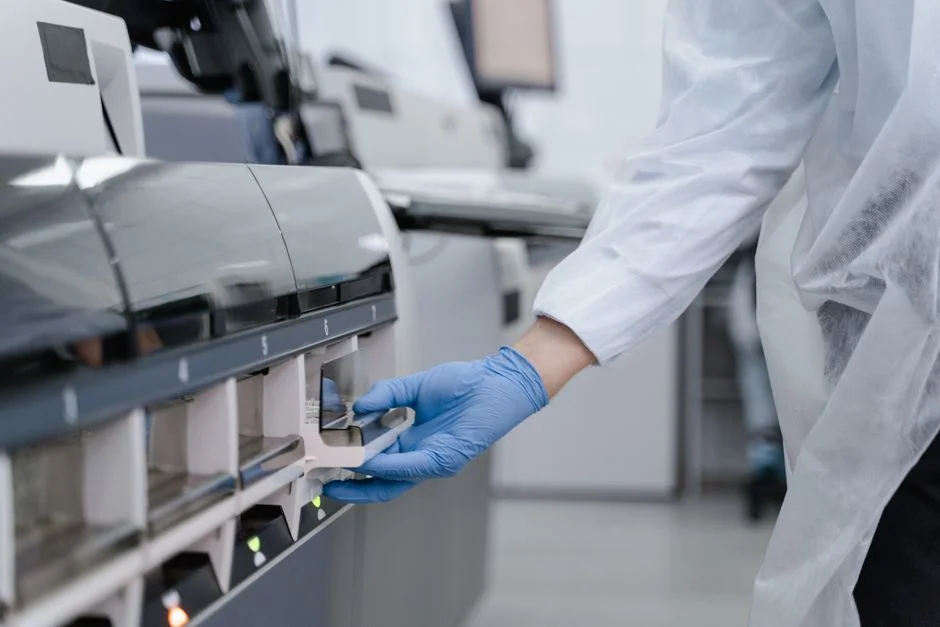
The final discharge route determines the treatment objective; buying a treatment train before confirming the consent risks sizing equipment against the wrong limit. For industrial wastewater, the supplied source describes headworks protection, flow equalization and DAF before chemical precipitation, clarification, biological treatment and polishing (HydropureWater, 2026). Rotary bar screening and grit removal protect downstream equipment from gross solids. DAF is then used for oils, emulsions, suspended solids and colloidal matter. An industrial DAF system should therefore be assessed by feed characteristics and emulsified-oil behavior, not by nominal tank size alone.
Where metals require removal, the source describes chemical precipitation followed by lamella clarification. Biological treatment can then use MBBR or MBR according to the permitted COD and reuse objectives. An integrated MBR wastewater treatment system requires a fouling, cleaning and recovery strategy because the source associates MBR polishing with higher energy and membrane-replacement burdens than MBBR (HydropureWater, 2026).
| Comparison | Values stated by the supplied source | Design treatment |
|---|---|---|
| Industrial wastewater to a municipal sewer | COD ≤1,000 mg/L; TSS ≤50 mg/L; oil and grease ≤20 mg/L | Use as source information only; verify the current permit and municipal utility rules |
| Direct discharge to surface water | COD ≤200 mg/L; TSS ≤30 mg/L | Apply the confirmed permit, relevant BAT conclusions and receiving-water requirements |
| Reuse | No universal site limit established by the supplied research | Define process-quality targets through a mass balance and reuse assessment |
The governing design condition is the most stringent applicable requirement among the current integrated environmental permit, relevant BAT conclusions and municipal utility rules. The supplied framework also states that the utility ordinance may be stricter than the national permit values (HydropureWater, 2026). A plant discharging more than 10 m³/day of industrial wastewater to a municipal sewer requires separate consent from the local water utility under the same supplied framework.
For reuse, the source identifies filtration followed by optional reverse osmosis. GM’s Water Security 2021 disclosure says recycled water is used in paint pretreatment and cooling water, and that water-stressed facilities use recycled water in manufacturing operations with Zero Liquid Discharge. That is a corporate practice, not proof that zero liquid discharge is required at the Hungarian site. Cooling-blowdown treatment considerations can inform segregation questions, but the Hungarian reuse case still needs its own mass balance, water-quality assessment and confirmation of process compatibility.
Build monitoring, automation and evidence into the commissioning plan
Commissioning must demonstrate that the permitted discharge remains compliant under representative and adverse operating conditions, not merely that the equipment starts. GM’s Water Security 2021 disclosure reports monitoring of withdrawals, withdrawals by source, discharges, discharge destinations, treatment methods and discharge quality at 100% of major facilities, primarily through monthly data and laboratory analysis. These are corporate reporting practices and should not automatically be treated as Hungarian legal obligations, but they provide a useful benchmark for data completeness.
| Commissioning function | Evidence to require | Acceptance gate |
|---|---|---|
| Flow measurement | Installation, calibration and batch-discharge records | Verified flow records reconcile with treatment operation |
| Continuous instruments | pH, residual chemical, turbidity and other required instruments with calibration records | Readings remain within the established operating envelope |
| Laboratory monitoring | Representative influent and effluent datasets for COD, TSS and permit-relevant metals | Results satisfy the confirmed consent or approved acceptance criteria |
| Automatic sampling | Sampler configuration, sample-point integrity and chain of custody where required | Samples represent the required discharge period |
| Control and safeguards | Alarm interlocks, bypass controls, fail-safe states and deviation procedure | Response to power, chemical, flow and non-compliant discharge scenarios is demonstrated |
| Operator readiness | Competency records, standard operating procedures, chemical controls and preventive-maintenance plan | Named operators demonstrate startup, shutdown and incident response |
Define performance tests using representative influent and effluent datasets, documented operating envelopes, calibration records and records of chemical consumption and sludge generation. Include upset and non-compliant discharge scenarios. A transparent incident-notification workflow should connect operators, the plant manager, the environmental manager and the legally responsible operator. Use wastewater automation and controls to examine alarm, interlock and bypass architecture before the control philosophy is frozen.
The handover pack should reconcile the permit, discharge consent, design basis, operating envelope, as-built drawings, calibration certificates, laboratory reports, training records, preventive-maintenance tasks, chemical safety documentation, sludge records and non-compliance procedures. That pack becomes the operating baseline for corporate reporting and future permit review.
Use a risk-based equipment and supplier selection checklist
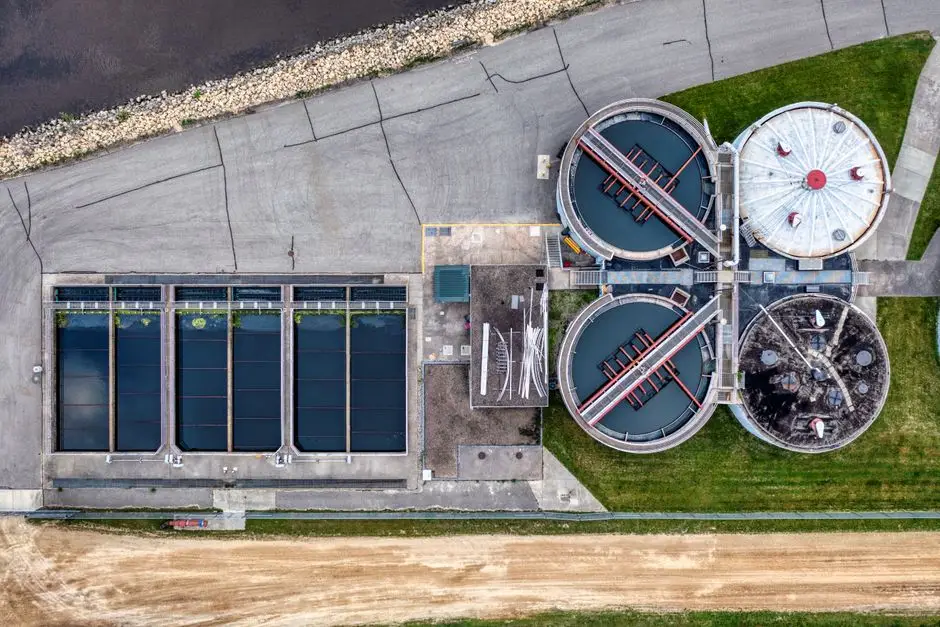
Supplier selection should test whether the proposed equipment has a guaranteed basis for the site’s actual wastewater, not whether it offers a generic removal percentage. Require each bidder to state guaranteed flow, influent envelope, effluent targets, hydraulic loading, chemical consumption, footprint, utility demand and test protocols for every proposed unit. Keep the treatment objective separate from the supplier’s claims.
- For DAF, require evidence of emulsion control, coalescing or chemical conditioning, sludge withdrawal, washdown and performance under representative oily feed.
- For MBR, require membrane-fouling controls, cleaning chemistry, replacement criteria, recovery procedures and consumables pricing assumptions. MBR design, fouling and lifecycle economics provides a structured technical reference even though the underlying source concerns food processing.
- For polishing or reverse osmosis, require protection of downstream reuse equipment, membrane scaling controls, cleaning provisions and verified recovery under the site water profile.
- For ZLD, require an integrated mass and energy balance, concentrate-management route, reliability record and acceptance test; do not treat the term as a performance guarantee.
The scope boundary must include screens, pumps, tanks, aeration, controls, instrumentation, sampling, chemical storage, dosing, sludge handling, bypass provisions, commissioning support and operator training. Compare lifecycle cost rather than purchase price alone: energy, chemicals, consumables, membrane or media life, sludge volume, operator hours, local service capability and spare-parts availability are all inputs to a defensible budget.
Technical comparison with DAF and clarifier selection evidence can help buyers frame the hydraulic and contaminant assumptions, but the final selection must be validated with site influent and pilot or acceptance testing.
Frequently Asked Questions
What does it cost to treat wastewater from an automotive assembly plant in Hungary?
The supplied research does not provide a project-specific quotation, so a defensible estimate requires verified peak and average flows, stream compositions, the confirmed discharge limits, the required treatment stages, site utilities, sludge handling and reuse targets. Request capital cost separately from lifecycle operating cost, including energy, chemicals, consumables, sludge disposal, operator time and maintenance.
How should the treatment plant be sized for a GM-controlled Hungarian site?
Size the plant from verified peak and average flows, batch-discharge conditions, stream composition and the applicable sewer or receiving-water limits. The equipment guarantee should use the same design envelope. A nominal production rate alone does not establish hydraulic capacity or pollutant loading.
Which supplier qualifications should be checked before awarding an automotive wastewater contract?
Require guaranteed performance against site influent, a complete auxiliary-equipment scope, a documented commissioning protocol, evidence of local service, access to consumables and spare parts, and trained-operator handover. Ask each supplier to identify fouling, chemical-use, sludge and bypass risks specific to the proposed equipment.
Will the Hungarian permit process determine the commissioning date?
No. The supplied framework requires an operator-change application within 90 days and provides for a decision within 180 days after a complete application, but equipment fabrication, installation, trial operation, training and verification may require a separate schedule. The project schedule should therefore connect the permit application, procurement, construction, acceptance test and operating handover rather than treating the regulatory decision as the sole milestone.
Related Equipment
- integrated MBR wastewater treatment system — specifications, capacity range, and technical data