Start with the Brisbane trade-waste approval
Brisbane manufacturers generally treat high-COD trade waste with a staged, site-specific train: equalisation and screening, chemical dosing where required, dissolved air flotation for oil, grease and suspended solids, followed by biological treatment for soluble organics. Approval depends on the Brisbane Water trade-waste officer, applicable discharge conditions and the receiving treatment plant’s capacity and licence. The Australian guidance lists sewer acceptance criteria including temperature below 38°C, ammonia plus nitrogen of 100 mg/L and total phosphorus of 50 mg/L, but manufacturers must use their own approval conditions rather than treat these figures as universal limits.
That opening sequence matters because equipment selection follows the approval pathway. Riverside Environmental Services states that a Brisbane business must apply to the Brisbane Water Trade Waste Officer and receive an approval before disposal; the approval sets the conditions applying to the discharge. A proposed treatment train therefore has to be assessed against those written conditions, not against a generic equipment catalogue. See this comparison of regional high-COD trade-waste treatment approaches for the broader context.
The Guidelines for Sewerage Systems: Acceptance of Trade Waste (Industrial Waste), published by waterquality.gov.au, treats “industrial waste” and “trade waste” as interchangeable, but leaves local acceptance criteria to the sewerage authority. Its stated decision factors are the nature and quantity of pollutants, sewerage-system type, treatment-plant capacity and effectiveness, methods for disposing of or reusing effluent and sludge, receiving-environment values, and regulatory licence conditions.
Those national figures are reference criteria, not substitute conditions for a current generator approval. Before buying equipment, obtain the Brisbane Water approval, proposed discharge limits, sewer connection requirements, monitoring obligations and the receiving plant’s relevant capacity constraints. Without those documents, no generic high-COD package can be shown to be approvable or correctly sized.
Characterise the waste before choosing the process
The Australian guidance requires local criteria to consider hydraulic capacity, existing and projected mass load, treatment-plant type and proximity to receiving facilities. A laboratory result without a production-linked flow profile cannot support defensible equipment sizing.
Request COD, BOD, pH, temperature, flow and diurnal variation, suspended solids, oil and grease, nutrients, conductivity or TDS, sulphite, sulphide, sulphate, and any contaminants specific to the manufacturing process. The Guidelines for Sewerage Systems: Acceptance of Trade Waste list reference values of 38°C for temperature, 100 mg/L for ammonia plus nitrogen, 150 mg/L for Kjeldahl nitrogen, 50 mg/L for total phosphorus, 100 mg/L for sulphite and 5 mg/L for total sulfide.
Temperature above the listed 38°C criterion can damage sewer structures, promote anaerobic conditions and release gases such as hydrogen sulfide and ammonia, according to the Australian guidance. Sulphite consumes dissolved oxygen, while sulfide can contribute to corrosion, odour and sewer-gas hazards. These parameters therefore belong in both the approval application and the treatment risk assessment.
The sampling plan should cover production batches, clean-out cycles and peak discharges rather than rely on one sample. Where separate streams or uncontaminated water are combined, the Australian guidance states that the sewerage authority or trade-waste generator may monitor either the segregated streams or the combined wastewater. That makes segregation and flow accounting part of design, not merely administration.
| Design input | Why it matters before equipment selection |
|---|---|
| COD and BOD | Distinguishes soluble biodegradable load from the load associated with suspended or floatable material. |
| Average, peak and batch flows | Defines hydraulic treatment duty, equalisation requirements and operating reserve. |
| Suspended solids, oil and grease | Indicates whether screening, DAF and chemical conditioning are required before biological treatment. |
| pH and temperature | Influences biological activity, chemical dosing, gas generation and downstream safety. |
| Sulphite, sulfide and sulphate | Supports assessment of oxygen demand, corrosion, odour and sewer-gas risks. |
| Nutrients, conductivity or TDS | Supports biological nutrient balance and assessment of reuse or discharge constraints. |
| Industry-specific contaminants | Tests whether generic biological treatment is adequate or specialist removal is required. |
Build a high-COD treatment train
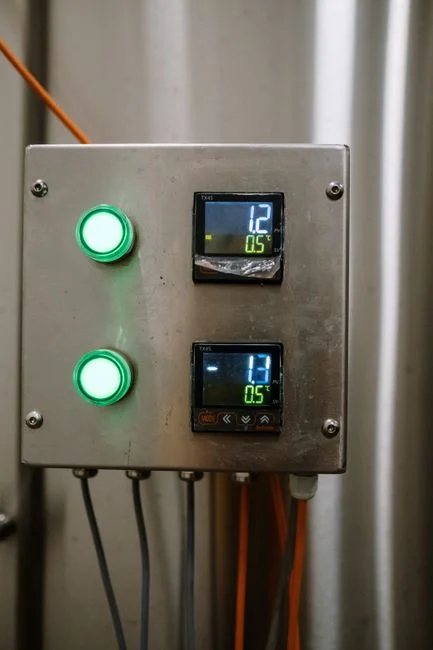
A staged train separates hydraulic control, solids recovery, biological COD reduction and final polishing, so each unit has a defined duty rather than carrying the entire contaminant burden.
- Equalisation and screening. Equalisation buffers batch and diurnal discharges; screening removes rags, plastics and fibrous debris that could damage pumps or interfere with downstream biological equipment.
- DAF for recoverable material. Use dissolved air flotation where suspended solids, colloids, oil, grease or other floatables are present. An industrial DAF wastewater treatment system is pretreatment for separable material, not a default answer to soluble high COD.
- Conditioning where justified. Add a PLC-controlled chemical dosing system only after wastewater analysis and jar or pilot testing support coagulant, flocculant, pH adjustment or specialty-chemical use.
- Biological reduction. Use biological wastewater treatment when soluble biodegradable organics require COD reduction. Biological treatment addresses soluble organics; DAF primarily removes floatable and suspended material.
- Polishing and residuals. Use UF where suspended-solids or colloid control is required before sensitive biological or membrane stages. Add a lamella clarifier or sludge-dewatering stage where solids inventory, clarified-water quality or downstream waste handling requires it.
The catalogue evidence is product-specific. The UF system available for review uses 0.03 micron PVDF membranes and accepts up to 300 ppm turbidity; those figures describe that catalogued configuration, not guaranteed site performance. Similarly, the catalogue range for the DAF equipment spans 4–300 m³/h across 13 standard models.
Electrocoagulation is a specialist option rather than the default stage. The MDPI AG study Electrocoagulation: A Promising Method to Treat and Reuse Mineral Processing Wastewater with High COD examined mineral-processing wastewater with an initial COD of 424.29 mg/L from a Pb/Zn sulfide flotation plant, testing anode materials, current density, initial pH and additives. This is source-specific research, not evidence that electrocoagulation will meet a Brisbane manufacturer’s approval or reuse target.
| Stage | Primary contribution | Decision condition |
|---|---|---|
| Equalisation and screening | Hydraulic control and debris removal | Required where batch discharges or fibrous solids could overload downstream equipment. |
| DAF and chemical conditioning | Oil, grease, floatables and suspended-solids separation | Use when characterisation confirms recoverable material; verify dosing by testing. |
| Biological treatment | Soluble biodegradable COD reduction | Use where biodegradability and required treatment performance are demonstrated. |
| MBR or UF polishing | Integrated membrane treatment or solids-removal barrier | Use where the required effluent or reuse specification demands additional solids control. |
| Electrocoagulation | Specialist electrochemical treatment and possible reuse application | Adopt only after site-specific testing and approval alignment. |
Compare the treatment options
DAF, biological treatment, MBR, electrocoagulation and UF perform different functions; the defensible choice follows the required separation or removal mechanism.
| Option | Target role | Principal operating concern | Evidence limitation |
|---|---|---|---|
| DAF | Suspended solids, colloids, oil and grease separation | Coagulant or flocculant performance, float removal and sludge handling | Catalogue capacity is not a site performance guarantee. |
| Biological treatment | Reduction of soluble biodegradable organics | Biodegradability, nutrient balance, temperature, pH and process stability | Performance depends on the actual wastewater. |
| MBR | Integrated activated sludge and membrane treatment | Biochemical operation, membrane fouling and solids separation | No technology is compliant without demonstrated site performance and approval alignment. |
| Electrocoagulation | Specialist electrochemical treatment | Anode condition, current density, initial pH and additives | MDPI AG evidence concerns one mineral-processing wastewater with initial COD of 424.29 mg/L. |
| UF | Suspended-solids and colloid barrier | Feed turbidity, membrane condition and backwash or recovery requirements | The catalogue configuration uses 0.03 micron PVDF membranes and accepts up to 300 ppm turbidity. |
The DAF catalogue covers 4–300 m³/h across 13 standard models, so measured flow and contaminant loading—not flow alone—must drive selection. The catalogued MBR handles 10–2,000 m³/day and provides filtration below 1 μm for water-reuse applications; these are catalogue specifications, not guarantees for an uncharacterised industrial waste.
For a deeper treatment comparison, see MBR versus activated sludge for mining wastewater. The Brisbane decision remains conditional on the current approval, wastewater composition, receiving-plant capacity and demonstrated process performance.
Size the system from measured duties
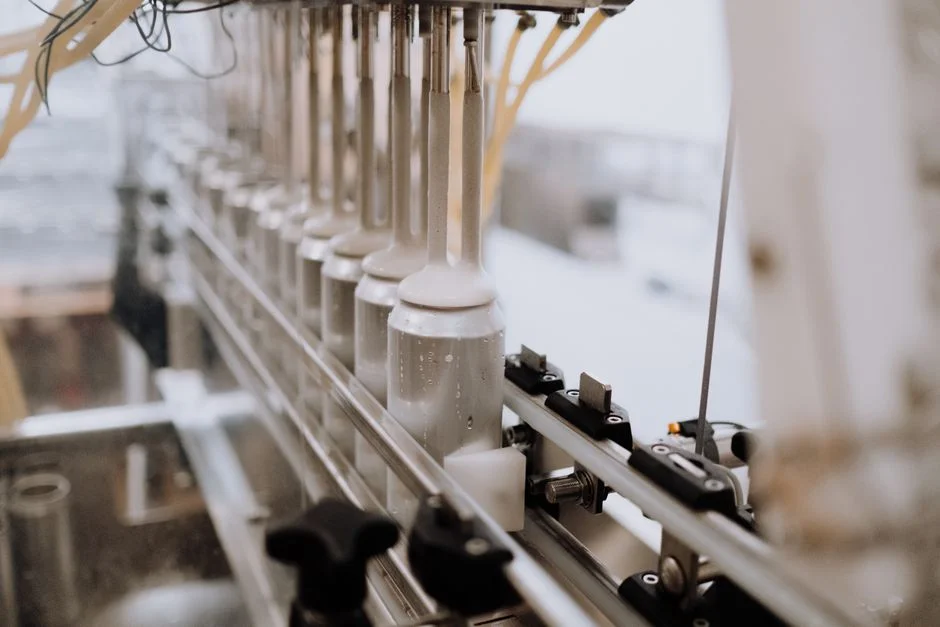
Hydraulic capacity and pollutant load are separate sizing questions, and an equipment quote based only on flow can be technically incomplete.
First confirm average and peak flow, diurnal variation, batch discharges, clean-water inflows and required operating reserve. Then calculate the organic and solids duties from measured COD, BOD, suspended-solids concentration and corresponding flows. A supplier should identify the duty point rather than select a nominal model from peak flow alone.
Define the required pretreatment outcome before comparing alternatives: the solids and floatable removal required before biology, the biodegradable COD reduction, the final sewer-discharge or reuse quality, and the residual solids route. This turns the concept into measurable procurement criteria.
Request each bidder’s duty curve, performance guarantee, wastewater basis, controls scope, chemical consumption, sludge yield, maintenance requirements and test protocol. The wastewater treatment equipment supplier checklist provides a broader procurement structure.
Pilot testing is the final selection gate where wastewater varies, contains unusual contaminants, or the proposed process is biological treatment or electrocoagulation. The supplier’s guarantee should identify the tested wastewater and conditions rather than rely on generic claims.
Control sludge, reuse and compliance risks
The Australian guidance makes effluent and sludge disposal or reuse routes an acceptance factor, so residuals belong in the project scope from the beginning.
Estimate sludge volume and characteristics, then define storage, transport and final disposal or reuse. Where batch or intermittent sludge dewatering is appropriate, plate-and-frame filtration may be considered. The catalogued plate-and-frame range provides filtration areas from 1 m² to 500 m² and supports manual, hydraulic or PLC-controlled operation; these are equipment specifications, not guarantees of dewatering performance for an untested sludge.
| Management item | Procurement or operating requirement |
|---|---|
| Sludge balance | Document mass and volume generated at each treatment stage, including coagulant-derived solids where applicable. |
| Storage and transport | Provide capacity for the maximum accumulation period and a documented final route. |
| Monitoring | Define sample points and monitoring for flow, COD, pH, temperature, suspended solids and approval-specific parameters. |
| Alarms and response | Assign set points, responsible operators and corrective actions before commissioning. |
| Reuse | Establish the intended use, quality basis, public-health controls and operational responsibility. |
The Australian guideline lists sulphate at 2,000 mg/L, sulphite at 100 mg/L, total sulfide at 5 mg/L, PCB at 0.002 mg/L, heptachlor at 0.003 mg/L and lindane at 0.100 mg/L. These are due-diligence references, not universal discharge claims; the generator’s current Brisbane Water approval controls.
Industrial wastewater reuse may recover nutrients, carbon, energy and other resources, as assessed by ATSE’s 2015 report Wastewater – an untapped resource?, but each reuse case needs its own water-quality, safety and regulatory basis. The sludge disposal regulations and options guide provides additional context for residual-management planning.
Frequently Asked Questions
What will a high-COD trade-waste treatment system cost in Brisbane?
No defensible project price can be given from the supplied research because no equipment or installation quotation is provided. Request a price based on wastewater analysis, average and peak flow, target performance, written approval conditions, controls scope, chemical consumption, sludge route and commissioning requirements. Ask suppliers to separate equipment, installation, chemicals, maintenance and sludge-disposal costs so assumptions remain visible.
How should a buyer select and compare treatment suppliers?
Require every bidder to quote against the same wastewater basis and duty curve. Check the performance-guarantee conditions, controls scope, chemical and sludge assumptions, maintenance plan, commissioning method and local operating references. This differs from comparing catalogue capacity alone because the same flow can carry very different COD, oil and solids loads.
What measurements are needed before sizing a DAF or biological treatment plant?
Obtain measured average and peak flow, diurnal and batch patterns, COD, BOD, suspended solids, oil and grease, pH, temperature and relevant nutrients or contaminants. Samples must cover production batches, clean-out cycles and peak discharges. Use these data to define hydraulic duty, pollutant loading, equalisation needs and the required treatment outcome.
Does meeting the national sewer acceptance values guarantee Brisbane trade-waste approval?
No. The waterquality.gov.au guidance provides general reference criteria, while the sewerage authority determines local acceptance requirements. The Brisbane trade-waste approval sets the conditions that apply to the discharge. Procurement should be based on current written approval conditions, receiving-plant capacity and demonstrated site performance—not on the national reference values alone.
Related Equipment
- industrial DAF wastewater treatment system — specifications, capacity range, and technical data