Sludge Disposal Regulations & Options: 2024 Compliance Guide
Sludge disposal regulations, primarily governed by EPA’s 40 CFR Part 503, set strict standards for land application, surface disposal, and incineration of biosolids. Facilities must meet pathogen reduction requirements, limit heavy metals (e.g., cadmium ≤ 85 mg/kg for land application), and maintain records for 5 years. The best disposal option depends on sludge volume, contaminant profile, and local permitting—each method carries distinct compliance, cost, and equipment needs.What Are Sludge Disposal Regulations in the U.S.?
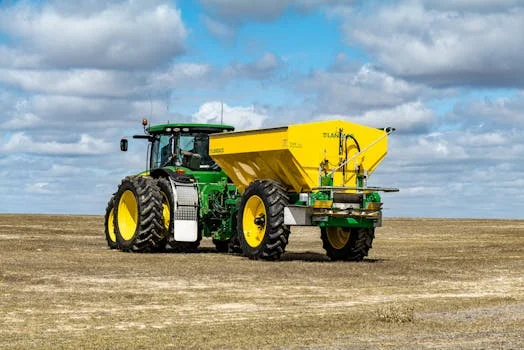
40 CFR Part 503, officially titled "Standards for the Use or Disposal of Sewage Sludge," constitutes the primary federal regulation governing sludge management in the United States under Section 405(d) of the Clean Water Act. This comprehensive framework establishes national standards to protect public health and the environment from the adverse effects of pollutants that may be present in sewage sludge (often referred to as biosolids when treated for beneficial reuse). The regulation covers three main disposal pathways: land application, placement on a surface disposal site (e.g., landfills), and incineration. For sludge destined for land application, 40 CFR Part 503 sets numerical limits for 10 heavy metals, including arsenic (75 mg/kg), cadmium (85 mg/kg), chromium (3,000 mg/kg), copper (4,300 mg/kg), lead (840 mg/kg), mercury (57 mg/kg), molybdenum (75 mg/kg), nickel (420 mg/kg), selenium (100 mg/kg), and zinc (7,500 mg/kg). These limits, specified in 40 CFR 503.13, ensure that cumulative pollutant loadings to land do not pose long-term environmental risks. Beyond chemical limits, the regulation also mandates specific pathogen reduction (Class A or Class B) and vector attraction reduction processes to minimize the spread of disease and nuisance organisms. While 40 CFR Part 503 provides the federal baseline, states can implement more stringent requirements. The EPA approves state sludge management programs under 40 CFR Part 501, which allows states to oversee their own permitting, compliance, and enforcement activities, often adapting federal rules to local environmental conditions and concerns. Industrial facilities generating non-sewage sludge may still find 40 CFR Part 503 a guiding reference, though their specific disposal will also be dictated by state hazardous waste regulations (RCRA) if the sludge exhibits hazardous characteristics.Land Application of Treated Sludge: Benefits and Compliance Risks
Surface Disposal: Landfill and Lagoons Under 40 CFR Part 503
Surface disposal, primarily involving placement in landfills or dedicated sludge lagoons, serves as a compliant option for sludge that cannot meet the stringent requirements for land application or incineration. This method applies to sludge placed in monofills, which are landfills designed exclusively for sludge, or co-disposed in municipal solid waste (MSW) landfills. Under Subpart D of 40 CFR Part 503, facilities utilizing surface disposal must implement robust environmental controls, including leachate monitoring and liner systems, to prevent groundwater contamination. These requirements are often harmonized with broader RCRA Subtitle D regulations for solid waste landfills. Unlike land application, surface disposal generally does not impose pathogen reduction limits on the sludge itself. However, vector attraction reduction is still required to prevent the spread of disease vectors like flies, birds, and rodents. Common methods include maintaining a pH of 12 or higher for at least 24 hours or incorporating the sludge into the soil within six hours of application. It is strictly prohibited to dispose of sludge in open dumps; only permitted facilities with proper engineering controls and monitoring systems are allowed. For industrial facilities, surface disposal, particularly landfilling, is often the default or only compliant option when sludge contains high concentrations of heavy metals, persistent organic pollutants, or other contaminants that preclude beneficial reuse. While it offers a relatively straightforward disposal pathway, it typically incurs higher long-term liability and tipping fees compared to land application, and these costs are continually rising due to diminishing landfill space and stricter environmental regulations. Effective dewatering is crucial to minimize these costs, as tipping fees are often based on wet tonnage, making a high-pressure plate and frame filter press an essential component.Sewage Sludge Incineration: Emissions and Regulatory Requirements
Comparison of Sludge Disposal Options: Cost, Compliance, and Equipment
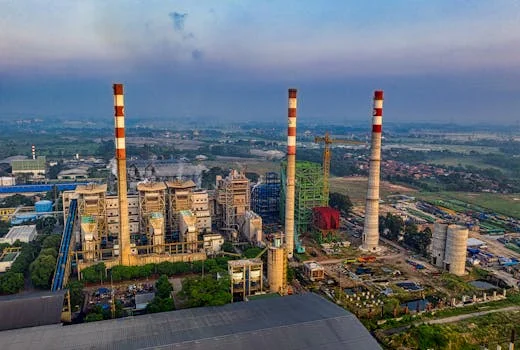
Selecting the optimal sludge disposal method requires a comprehensive evaluation of operational costs, regulatory compliance burdens, and the necessary upstream dewatering equipment. Each pathway presents a unique balance of these factors, making the decision highly facility-specific. Land application generally boasts the lowest operational expenditure (OPEX), ranging from $20–40 per wet ton, primarily covering transport and application. However, it comes with the highest permitting complexity and public scrutiny, especially for industrial sludges. Landfilling, a more common method for industrial facilities, typically incurs tipping fees of $50–100 per wet ton. While requiring minimal pre-disposal processing beyond dewatering, landfill costs are rising due to diminishing space and increased environmental fees. Incineration represents the highest-cost option, with OPEX ranging from $150–300 per wet ton, driven by high energy use and the maintenance of sophisticated air pollution control systems, but it offers the maximum volume reduction. A critical factor for all disposal methods is sludge dewatering. Landfill and incineration typically require sludge to achieve a minimum of 25% solids content to reduce transportation costs and meet facility acceptance criteria. Land application may tolerate slightly lower solids, often in the 15–20% range, for ease of spreading. Mechanical dewatering equipment is indispensable for achieving these targets. Technologies like filter presses can achieve 30–50% solids content, significantly reducing the volume and weight of sludge for transport. In contrast, dissolved air flotation (DAF) systems are excellent for thickening low-density sludges but typically produce a wetter cake of only 2–5% solids, necessitating further dewatering. The table below provides a comparative overview:| Disposal Method | Typical OPEX ($/wet ton) | Solids Content Target | Permitting Complexity | Key Equipment Needs | Primary Advantages | Primary Disadvantages |
|---|---|---|---|---|---|---|
| Land Application | $20–40 | 15–20% | High (pathogen, metals, site-specific) | Dewatering (filter press, belt press), transport, spreaders | Beneficial reuse, lowest direct cost | Public scrutiny, high compliance burden, site limitations |
| Landfill (Surface Disposal) | $50–100 | >25% | Moderate (leachate, vector, liners) | Dewatering (filter press, centrifuge), transport | Relatively simple, handles diverse sludge | Rising tipping fees, long-term liability, no beneficial reuse |
| Incineration | $150–300 | >25% | Very High (air emissions, ash disposal) | Dewatering, incinerator, air pollution controls, ash handling | Maximum volume reduction, destroys toxics, less land footprint | High CAPEX & OPEX, complex operation, air quality concerns |
Choosing the Right Sludge Dewatering Equipment for Compliance

Frequently Asked Questions
What is the best way to dispose of sludge?
The best method for sludge disposal depends heavily on sludge characteristics (e.g., contaminant profile, solids content), local regulations, available land, and economic factors. Land application is often preferred for beneficial reuse if the sludge (biosolids) meets strict heavy metal and pathogen control standards. However, for most industrial sludges containing higher levels of toxins or metals, landfilling or incineration are often the only compliant and practical options.What is the sewage sludge ordinance?
The term "sewage sludge ordinance" commonly refers to 40 CFR Part 503, the federal 'Standards for the Use or Disposal of Sewage Sludge' under the Clean Water Act. This regulation sets federal requirements for land application, surface disposal, and incineration. Many municipalities and states also have additional local ordinances or state-specific regulations that may impose stricter limits, particularly for land application near residential zones or sensitive ecosystems.What are the heavy metal limits in 40 CFR Part 503?
40 CFR Part 503 specifies numerical limits for 10 heavy metals in sewage sludge applied to land. Key limits for Class B biosolids include: Arsenic (75 mg/kg), Cadmium (85 mg/kg), Chromium (3,000 mg/kg), Lead (840 mg/kg), Mercury (57 mg/kg), and Nickel (420 mg/kg). Industrial dischargers are typically required to implement robust pre-treatment programs to ensure their effluent and resulting sludge meet these limits at the Publicly Owned Treatment Works (POTW) or for direct industrial discharge.Can industrial sludge be land-applied?
Industrial sludge can only be land-applied if it rigorously meets all pollutant concentration limits, pathogen reduction standards (Class A or B), and vector attraction reduction requirements outlined in 40 CFR Part 503. Due to the diverse and often complex contaminant profiles of industrial wastewater, many industrial sludges exceed the heavy metal limits or contain other toxic substances, making land application generally uncommon. Landfill or incineration are typically more frequent disposal pathways for industrial facilities.How long must sludge records be kept?
For facilities engaged in land application of sludge, 40 CFR 503.9 mandates that records must be retained for a minimum of five years. These records include comprehensive data on sludge quality (pollutant concentrations, pathogen levels), application rates, site characteristics, crop types grown, and any required monitoring or inspections. This extensive record-keeping ensures accountability and demonstrates ongoing compliance with federal and state regulations.Related Equipment
- high-pressure plate and frame filter press — view specifications, capacity range, and technical data
- lamella clarifier with sludge recirculation — view specifications, capacity range, and technical data
Need a customized solution? Request a free quote with your specific flow rate and pollutant parameters.