
How Sludge Characteristics Dictate Your Dewatering Choice
Plate filter press and belt filter press systems solve the same problem with different mechanics, so the sludge itself - its organic content, volume, and conditioning demand - decides which technology pays back. A mismatch between sludge and equipment shows up quickly as poor performance, high OPEX, and unplanned downtime, which is why most plants we size start the selection with jar tests on the actual feed sludge.
Sludge with high organic content, such as material from food processing or pharmaceutical manufacturing, achieves the best results with a plate filter press. The high-pressure compression cycle extracts more water and yields a drier cake (up to 45% solids), which directly lowers disposal weight and hauling cost. Inorganic or gritty sludges, common in mining or metal finishing, are highly abrasive. A belt press can process them, but the abrasive feed accelerates wear on belts, rollers, and spray nozzles, which raises maintenance cost and shortens the replacement interval.
Daily sludge volume sets the operational pattern. For low-volume operations under 10 m³/day, a batch-operated plate press typically returns capital faster, since the entire daily load runs in one or two cycles. High-volume plants needing 24/7 processing may be drawn to the continuous output of a belt press, but they must budget the higher OPEX. Effective polymer conditioning is non-negotiable for both systems and is especially critical for plate presses to keep filtration cycles short and ensure clean cake release. Learn more about optimizing conditioning to prevent common plate filter press issues.
Plate Filter Press: How It Works and Where It Excels
A recessed chamber plate filter press delivers superior cake dryness and lower operating costs for most industrial applications. Conditioned sludge is pumped into chambers formed between polypropylene plates; once full, hydraulic rams at 7–15 bar compress the stack and force water through the cloth media, leaving a solid cake.
The batch process routinely reaches 30–45% cake solids by weight, the highest of common mechanical dewatering options, which cuts sludge disposal cost because less water leaves the gate. The sealed chamber uses only 2–4% of the sludge volume in wash water, well below open systems, and contains odors and aerosols, a real benefit for indoor or neighbor-sensitive sites.
Older manual plate presses needed steady labor; modern automated units run under PLC control across filling, pressing, cake release, and cloth washing. Automation drops annual maintenance to roughly 100–150 hours and turns the operator role into supervision, removing the historical labor penalty. For facilities that prioritize final cake dryness and low long-term OPEX, an automated plate and frame filter press with PLC control is often the most cost-effective solution.
Belt Filter Press: Continuous Operation at What Cost?
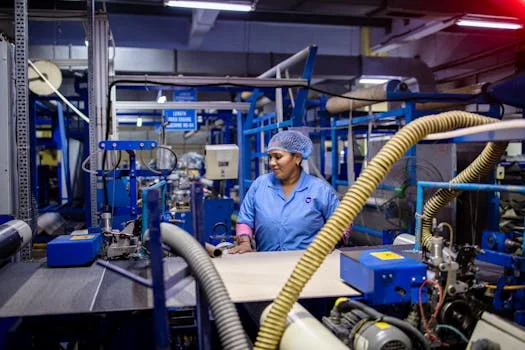
Belt filter presses run continuously in a smaller footprint, but the trade-off is higher maintenance demand and a wetter cake. Conditioned sludge first drains free water on a gravity belt, then passes between two porous belts through a sequence of pressure rollers.
Continuous operation suits very high-volume plants with a steady sludge feed, such as large municipal facilities, yet the downside is real. Cake solids cap at roughly 18–25%, so transportation and disposal costs stay higher across the equipment's life. The mechanical layout includes many rollers, bearings, and spray nozzles that need constant attention. Industry data shows a belt press can demand up to 8 times the annual maintenance labor of an automated plate press, often landing in the 600–800 hour range per year.
Common failure points include belt mistracking, which causes uneven wear and spillage, and clogged wash nozzles, which drop belt porosity and dewatering efficiency. Fibrous or abrasive feeds make both worse and drive unplanned downtime. A preventive maintenance schedule and a backup plan are essential when running a belt press. For plants weighing alternatives, exploring mid-range options like screw presses can change the OPEX picture.
Head-to-Head: Plate Press vs Belt Press Performance Metrics
Capital decisions need numbers, not adjectives. The table below compares key performance indicators for the plate filter press and belt filter press based on industry data and field reports, giving a defensible basis for total-cost-of-ownership work.
| Performance Metric | Plate Filter Press | Belt Filter Press |
|---|---|---|
| Cake Solids (%) | 30% - 45% | 18% - 25% |
| Annual Maintenance Labor (Hours) | 100 - 150 (Automated) | 600 - 800 |
| Polymer Consumption | Lower (10-20% less) | Higher |
| Wash Water Consumption | 2% - 4% of sludge volume | 5% - 10% of sludge volume |
| Energy Use | Higher peak (pumps), lower average | Continuous draw (belts, drives, wash pumps) |
| Footprint | Larger | 20% - 30% Smaller |
| Operation | Batch | Continuous |
The core trade-off is clear: the plate filter press leads on output quality (cake dryness) and operating cost (labor and consumables), while the belt filter press leads on space efficiency and continuous throughput. The maintenance-labor gap is consistent across operational analyses and must be built into any OPEX model. For a detailed look at capital cost, review our 2025 chamber filter press data sheet.
Choosing the Right System: A Decision Framework by Industry
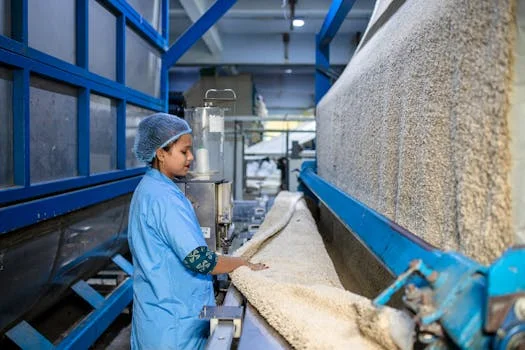
The right choice follows from application, operational priorities, and available resources. The framework below maps common industry scenarios to a starting recommendation.
For municipal wastewater plants with variable sludge volumes, the plate press's flexibility and superior cake dryness typically deliver the lowest total cost once disposal is counted, and batch cycles absorb load swings cleanly. Food and beverage processors handling high organic, gelatinous sludge gain the most from the plate press's high-pressure compression, which reaches the dry-cake range that minimizes hauling cost.
Chemical and pharmaceutical plants with nonstop flow may consider a belt press, yet this only works with a dedicated maintenance team and budget. A practical alternative for continuous processes is two automated plate presses staggered in their cycles, which delivers near-continuous output at plate-press OPEX. The decision rule is straightforward: if cake dryness above 30% and low OPEX are the priorities, choose a plate press; if 24/7 continuous output is mandatory and maintenance capacity is real, evaluate a belt press. See how this logic applied to a large-scale municipal project prioritizing compliance and cost-efficiency.
Who This Is For and Next Step
This comparison fits plant engineers and procurement teams deciding between a plate filter press and a belt filter press for industrial sludge dewatering. Plants needing dryer cake (above 30% solids) and lower long-term OPEX are best served by the plate filter press; plants that must run 24/7 with steady feed and have the maintenance budget to support it should evaluate the belt filter press. For high-organic or low-volume sludge (under 10 m³/day), the plate press is usually the stronger fit regardless of industry. Send your sludge characteristics and daily volume to start a sizing review and quote for a Plate and Frame Filter Press for Sludge Dewatering, or use the inquiry form at /request-quote.html#source_post=358 with your feed data.
Frequently Asked Questions
What are the disadvantages of plate and frame filter press?
The main disadvantages are batch operation (which can interrupt continuous upstream processes), a larger footprint, and the need for precise polymer conditioning to keep cycle times short. PLC automation has largely removed the historical high-labor penalty, and modern units run on routine supervision rather than hands-on attendance.
What is the difference between filter press and belt press?
A plate filter press uses 7–15 bar hydraulic compression inside sealed chambers to run batch dewatering and reach 30–45% cake solids. A belt filter press uses gravity drainage followed by pressure rollers between two porous belts for continuous dewatering, which produces 18–25% cake solids but uninterrupted output.
Which is better screw press or belt filter press?
A screw press has a smaller footprint and significantly lower maintenance than a belt press, and typically lands between the two on dryness at about 25–35% cake solids. It is a strong alternative where a belt press is being considered but maintenance capacity is limited, including many smaller municipal plants.
How long do filter presses last?
An automated plate filter press typically runs 15–20 years with proper maintenance, thanks to robust construction and few moving parts. A belt press usually reaches 10–15 years before belts, rollers, and bearings wear out under continuous mechanical duty. For more on maximizing lifespan, see our guide on troubleshooting and maintaining your system.
Further Reading

Explore these in-depth articles on related wastewater treatment topics: