
Plate frame filter press troubleshooting centers on restoring the standard filtration pressure window of 0.3–0.6 MPa, clearing cloth blinding before cycle times blow out, and keeping hydraulic clamping force above 20 MPa. Most faults fall into four groups: pressure loss, slurry leakage, filter cloth blinding, and hydraulic failures.
Why Your Plate Frame Filter Press Isn't Building Pressure
Failure to reach 0.3–0.6 MPa halts dewatering cycles and risks non-compliant discharge. Pressure loss stems from three areas: mechanical seal failure, feed path blockage, or hydraulic system degradation. Inspect for visible slurry leakage between plate interfaces, which points to worn gaskets or insufficient clamping force. Check feed ports and inlet manifolds for accumulated solids that restrict flow.
For hydraulic systems, verify pump output; a pressure drop below 20 MPa at the power unit often signals internal pump wear, fluid contamination, or a sticking relief valve. On HydropureWater's plate and frame filter press for sludge dewatering, the PLC diagnostic mode compares real-time hydraulic pressure readings against the setpoint to separate electrical from mechanical faults. Verify the feed pump's performance, then inspect the entire plate pack under pressure for leakage, then listen for whining or knocking from the hydraulic power unit, which indicates pump wear or aerated fluid.
Fixing Slurry Leakage Between Plates and Frames
Leakage at plate interfaces creates safety hazards and cake contamination, typically from gasket degradation, plate warping, or uneven clamping force. Inspect gasket material for chemical and thermal compatibility; standard NBR or EPDM seals withstand temperatures up to 80°C and a pH range of 5–12. For manual presses, retorque plates sequentially during the initial pressure build phase. On hydraulic models, ensure the system holds above 20 MPa without pressure drift, indicating a failing cylinder seal or leaking check valve is not present. Replace any plates with visible cracks or warping exceeding 0.5 mm; polypropylene plates warp when feed temperature consistently exceeds their thermal rating.
During routine cloth changes, thoroughly clean plate grooves and inspect gaskets for signs of extrusion, cracking, or chemical degradation. For operations processing highly abrasive slurries, upgrading to membranes with hardened sealing surfaces extends service life. Most plants we size for mining or metal-finishing sludges run in the upper pH band, so EPDM is usually the safer pick over NBR.
How to Prevent and Clear Filter Cloth Blinding

Blinding occurs when filtrate flow drops sharply while feed pressure spikes rapidly, often exceeding 1 MPa/min, primarily due to fine colloids, oils, or precipitation scaling the cloth pores. If blinding appears immediately after a media change, suspect an upstream process shift and verify coagulant dosing through jar testing. For difficult sludges, incorporate a body feed like diatomaceous earth at 0.5–2% by weight to improve cake permeability. For cleaning, use low-pressure water (≤0.2 MPa) and a mild acid rinse if scaling is detected, confirming cloth compatibility with cleaning chemicals first.
| Symptom | Likely Cause | Corrective Action |
|---|---|---|
| Rapid pressure rise, low flow | Colloidal blinding | Optimize coagulant dose; add body feed |
| Stiff, brittle cloth feel | Mineral scaling (e.g., calcium carbonate) | Clean with diluted acid solution |
| Oily film on cloth surface | Oil or grease fouling | Use alkaline or surfactant cleaner; review upstream pretreatment |
An automatic chemical dosing system provides precise coagulant addition, helping prevent blinding before it starts. After cake discharge, initiate a low-pressure backflush with clean water; for persistent organic fouling, a heated alkaline wash is effective. Thorough rinsing after chemical cleaning protects cloth fibers from residue attack.
Solving Uneven or Wet Filter Cake Formation
Uneven cake formation signals poor slurry distribution, while consistently wet cake (>80% moisture) points to inadequate dewatering time or incorrect process parameters. Inspect the feed pump and manifold for wear or blockages causing uneven flow. For wet cake, verify the incoming sludge concentration is below 10% solids; higher concentrations raise slurry viscosity and starve the cake of permeability.
On automated models, adjust the feed cycle time based on target cake thickness; a 30–50 mm cake typically requires 1–2 hours of filtration time. Optimize coagulant dosage using jar tests to identify the optimal dose for your sludge matrix. For filter presses with membrane plates, ensure the squeeze pressure is applied correctly and held for a sufficient duration, since the squeeze profile drives final moisture content more than feed time alone.
Diagnosing and Repairing Hydraulic System Failures
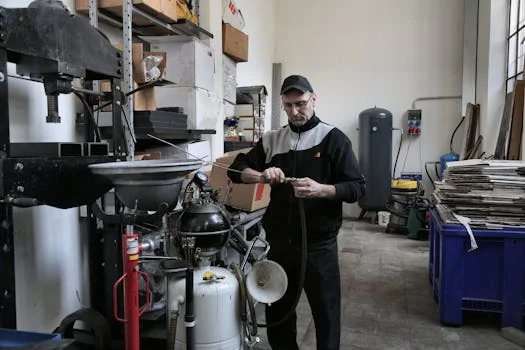
Hydraulic failures appear as slow plate movement, inability to maintain clamping pressure, or failure to open or close the pack, and they account for a large share of mechanical downtime. Check oil level, viscosity, and contamination first; use ISO VG 46 hydraulic oil and change it every 1,500 operating hours in high-cycle applications. Inspect hoses and cylinder seals for external leaks. For electric-hydraulic models, a pressure drop during clamping often points to an electrical issue; use the PLC diagnostic functions to verify signals are reaching the solenoid valves.
A manual override test on solenoid valves confirms their function quickly. If the pump is noisy or struggles to build pressure, internal wear or cavitation is the likely cause. Inspect the hydraulic accumulator if equipped; a low pre-charge nitrogen pressure results in slow plate movement and inconsistent clamping force, and recharging to spec restores response.
Parameter Table: Normal vs. Fault Conditions in Plate Frame Filter Presses
Use this table for at-a-glance diagnosis during shift operations, based on industry standards and HydropureWater's operational data.
| Parameter | Normal Operating Condition | Fault Condition Indicator |
|---|---|---|
| Feed Pressure | 0.3 - 0.6 MPa | Fails to build; indicates leakage or pump failure |
| Clamping Pressure | >20 MPa | Pressure drift; indicates hydraulic seal leak |
| Filtrate Clarity | Clear | Cloudy; indicates cloth tear, bypass, or poor coagulation |
| Cake Moisture | <75% (target) | >80%; indicates short cycle, high feed solids, or wrong chemical dose |
| Cycle Time | 1 - 3 hours | Excessively long; suggests blinding or low feed pump pressure |
Logging these values daily helps establish a performance history, predicts maintenance needs, and surfaces gradual process drift before it becomes a shutdown. Pair the readings with a written cloth-replacement log so blinding trends and chemical dosing changes can be correlated.
Who This Guide Is For and When to Look Elsewhere
This checklist fits plant engineers and contractors running chamber or membrane plate presses on municipal or industrial sludge. If your bottleneck is upstream thickening rather than mechanical dewatering, revisit the advanced sludge dewatering troubleshooting guide first. For a side-by-side look at dewatering technologies before specifying equipment, see the filter press vs centrifuge comparison. Send your slurry parameters, target cake moisture, and daily throughput to our engineers for a sized recommendation and a formal quote.
Frequently Asked Questions
What causes filter press cloth blinding and how do you fix it?
Blinding is caused by fine particles, oils, or mineral scales clogging cloth pores. Fix it by optimizing coagulant dosing, adding body feed at 0.5–2% by weight, and applying appropriate chemical cleaning. Regular inspections and a documented cloth cleaning regimen prevent blinding from returning after each cycle.
How do you know if your filter press plates are damaged?
Look for visible cracks, warping, or wear on sealing surfaces. Damaged plates cause persistent leakage and require replacement. Using a straight edge to check for warping is reliable; deviation over 0.5 mm typically necessitates replacement of the affected plate.
Why is my filter press leaking between plates?
Leakage is due to worn gaskets, warped or cracked plates, or insufficient clamping force. Inspect seals, verify hydraulic pressure holds above 20 MPa, and check for foreign material on sealing surfaces before re-torquing or scheduling plate replacement.
What should the pressure be on a plate and frame filter press?
Feed pressure should stabilize between 0.3–0.6 MPa during filtration, and hydraulic clamping pressure must exceed 20 MPa. Refer to the manufacturer's specifications for exact setpoints on automated models, since membrane squeeze stages may run at different profiles.
How often should you clean filter press cloths?
Clean cloths based on performance decline. When filtrate flow decreases by 15–20% or pressure rise accelerates, schedule cleaning. Backflush with low-pressure water (≤0.2 MPa) after each cake discharge, and apply acid or alkaline washes only when scaling or organic fouling is confirmed.