How Filter Press and Centrifuge Technologies Work
A filter press uses mechanical pressure, typically up to 20 bar, to squeeze water out of sludge. Conditioned sludge is pumped into chambers lined with filter cloths. As pressure increases, filtrate passes through the cloth, leaving a solid cake behind. This batch process achieves final cake solids between 25–45% dry solids, making it ideal for applications where disposal cost is a primary driver. The cycle includes filling, pressing, and cake release phases, with the cloths acting as the primary filtration medium that can be tailored to specific particle retention needs.
A decanter centrifuge uses centrifugal force, generated by a rotating bowl at 3,000–5,000 G, to separate solids from liquid in a continuous flow. The scroll conveyor inside the bowl moves settled solids toward the discharge ports while clarified liquid overflows weirs. This design allows for 24/7 operation with minimal intervention, handling variable feed rates effectively but typically yielding a wetter cake of 18–30% dry solids. The process is governed by key variables like bowl speed, differential scroll speed, and pond depth, which an operator can adjust to optimize performance for different sludge types.
Performance Comparison: Cake Solids, Throughput, and Efficiency
The most critical performance metric is often cake dryness, as it directly impacts disposal costs. Filter presses consistently produce a drier cake, ranging from 25–45% dry solids, which can significantly reduce landfill tipping fees. For example, a 30% cake versus a 20% cake represents a 33% reduction in mass for disposal. Centrifuges, in contrast, typically achieve 18–30% dry solids, meaning more weight and volume for disposal.
Throughput differs fundamentally due to their operating principles. A centrifuge handles a continuous flow of 5–100 m³/h. A filter press operates in batches, with cycle times of 1–3 hours and a typical capacity of 1–20 m³ per batch. Chemical demand also varies; filter presses generally require 2–4 kg of polymer (PAM) per ton of dry solids, while centrifuges often need 3–6 kg/ton DS to achieve optimal separation due to the high shear forces involved. This higher polymer consumption directly increases the centrifuge's daily operating cost.
| Parameter | Filter Press | Decanter Centrifuge |
|---|---|---|
| Cake Solids (% Dry Solids) | 25–45% | 18–30% |
| Operating Mode | Batch | Continuous |
| Typical Throughput | 1–20 m³/batch | 5–100 m³/h |
| Polymer (PAM) Consumption | 2–4 kg/ton DS | 3–6 kg/ton DS |
Energy and Operating Costs: kWh per Ton and Maintenance
Energy consumption is a major OPEX differentiator. Centrifuges, with their high-speed rotating assembly, consume 1.5–3.0 kWh per ton of sludge treated. Filter presses, which only run high-power components like the hydraulic pump intermittently, use 30–50% less energy at 0.8–1.5 kWh/ton. Over a year of continuous operation, this energy differential can amount to thousands of dollars in savings for a filter press installation.
Maintenance complexity and frequency also impact operating costs. A filter press has fewer moving parts, primarily a hydraulic cylinder and feed pumps, leading to lower long-term mechanical wear. Maintenance is mostly centered on periodic cloth changes every 6–18 months, a relatively straightforward task. A centrifuge contains precision components like bearings and labyrinth seals that require replacement every 6–12 months, and its scroll conveyor is subject to significant abrasion, especially with gritty sludges. Tungsten carbide tiles are often applied to the scroll to combat this wear, adding to the maintenance complexity and cost.
| Cost Factor | Filter Press | Decanter Centrifuge |
|---|---|---|
| Energy Use (kWh/ton sludge) | 0.8–1.5 | 1.5–3.0 |
| Key Maintenance Items | Filter cloths (6-18 mo) | Bearings, seals (6-12 mo) |
| Maintenance Complexity | Low (mechanical) | High (precision mechanical) |
When to Choose a Filter Press Over a Centrifuge
Choose a filter press when the primary goal is to maximize cake solids and minimize disposal mass. This is critical in regions with high landfill tipping costs (e.g., >$80/ton). It is also the superior choice for batch operations, smaller facilities processing less than 50 m³/day, and for sludges that are sensitive to high chemical doses. The closed-plate design of a fully automated plate and frame filter press with PLC control offers better containment for toxic or hazardous industrial sludges, minimizing aerosol release compared to an open centrifuge discharge. They are also particularly effective on mineral-based sludges and other feeds with a high proportion of fine, abrasive particles.
When a Centrifuge Is the Better Choice
A centrifuge is the better choice for facilities with a continuous, high-volume sludge stream that cannot be easily batched, such as in food processing or large chemical plants. It handles highly variable inflow rates and dilute sludge feeds (as low as 1–2% solids) more effectively than a filter press. The technology requires less operator attention for cake discharge, making it suitable for plants with limited labor availability for dewatering operations. Its compact footprint is also a significant advantage for space-constrained facilities where a filter press's larger layout would be prohibitive.
Total Cost of Ownership: CAPEX, OPEX, and ROI Analysis
The financial decision extends beyond the purchase price. While a centrifuge typically has a 20–40% higher CAPEX for an equivalent capacity system (e.g., 10–20 m³/h), the OPEX story is different. Factoring in energy, chemicals, and maintenance, the dewatering cost per ton averages $8–12 for a filter press and $12–18 for a centrifuge.
The ROI is heavily influenced by local disposal costs. In a high-cost region (>$100/ton), the drier cake from a filter press can lead to payback in 18–24 months, as the savings on disposal quickly offset the capital investment. A detailed PAM dosing system manufacturer guide for specs, selection, and ROI is essential for accurate OPEX projection. It is crucial to model these costs over a 5–10 year period to understand the true total cost of ownership, as the lower OPEX of a filter press often makes it the more economical choice in the long run.
| Cost Component | Filter Press | Decanter Centrifuge |
|---|---|---|
| Typical CAPEX (10-20 m³/h) | Base | +20–40% |
| OPEX per Ton Sludge | $8–12 | $12–18 |
| ROI Period (High Disposal Cost) | 18–24 months | 24–36 months |
Automation, Reliability, and Downtime Risks
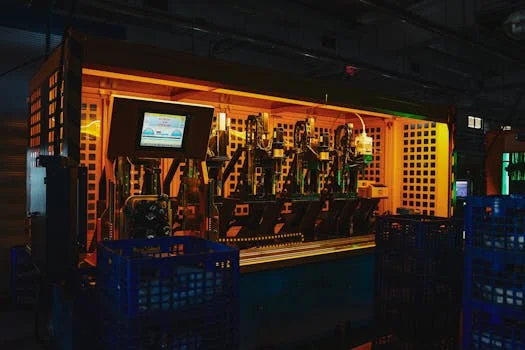
Modern PLC-controlled filter presses offer full automation for opening, closing, and cloth washing, but each batch cycle still includes 1–2 hours of processing and discharge time, creating inherent downtime. Centrifuges provide nearly continuous operation but carry a higher risk of unplanned shutdowns from component failure. Common centrifuge failure modes include rotational imbalance, scroll wear, and gearbox overheating from shock loads or abrasive feed. A fully automated plate and frame filter press with PLC control mitigates labor-related downtime but cannot eliminate the batch cycle nature of the process. For maximum reliability, many plants install multiple smaller filter press units to ensure one is always online while another is in its cake discharge cycle.
Decision Framework: Which Technology Fits Your Plant?
Selecting the right technology requires a systematic evaluation of your plant's specific conditions. Use the following framework to guide your decision based on the most critical operational parameters. Beyond these points, also consider available floor space, ceiling height, and the chemical nature of the sludge, as acidic or caustic streams can influence material selection for cloths or the centrifuge bowl.
| If your priority is... | Then choose... | Because... |
|---|---|---|
| Maximum Cake Dryness (>30% DS) | Filter Press | Superior dewatering pressure reduces disposal mass and cost. |
| Continuous, High-Volume Processing | Centrifuge | Handles constant inflow without batching delays. |
| Lowest OPEX per Ton | Filter Press | Lower energy and polymer use offset higher CAPEX over time. |
| Compact Footprint | Centrifuge | Vertical bowl design requires significantly less floor space. |
| Handling Dilute Feeds (<2% Solids) | Centrifuge | Continuous flow manages low-concentration streams more easily. |
| Hazardous or Aerosol-Sensitive Sludge | Filter Press | Enclosed plate design contains fumes and splash. |
| Minimal Operator Attention | Centrifuge | Automated scroll discharge needs fewer manual interventions. |
| High Solids Capture (>95%) | Filter Press | Filter media retention is more effective than centrifugal separation for fines. |
Procurement Checklist: Key Questions to Ask Your Vendor
Before finalizing a dewatering equipment purchase, request the following data points from each shortlisted manufacturer to ensure a fair like-for-like comparison:
- Warranty terms on the main frame, hydraulics, and centrifuge bowl/scroll.
- Reference installations of similar capacity and sludge type, with contactable end users.
- Full lifecycle cost model including energy, polymer, wear parts, and labor over 5 and 10 years.
- Lead time for critical spares (filter cloths, bearings, seals) and local stocking locations.
- Factory acceptance test (FAT) protocol and witnessed performance test results at rated throughput.
- Compliance certificates: CE, ISO 9001, ATEX (if explosive atmospheres are present), and any regional wastewater approvals.
- Operator training scope, commissioning support, and remote diagnostics availability.
Cross-check vendor claims with at least one independent pilot trial on your actual sludge, since laboratory data rarely matches full-scale plant conditions. A one- or two-week on-site pilot from a reputable manufacturer is the single best investment you can make before committing to a CAPEX decision in the $200,000–$1,500,000 range.
Frequently Asked Questions
Which technology gives the drier cake, a filter press or a centrifuge?
A filter press typically delivers 25–45% dry solids compared with 18–30% for a decanter centrifuge, so the filter press produces the drier cake and reduces disposal mass by 20–35%.
How much polymer (PAM) does each system require?
Filter presses generally use 2–4 kg of polyacrylamide per ton of dry solids, while centrifuges need 3–6 kg/ton DS due to the high shear forces inside the rotating bowl. Lower PAM consumption directly reduces the chemical line item of OPEX.
Is a centrifuge more expensive than a filter press?
Centrifuges carry a 20–40% higher initial CAPEX for the same throughput, and they also have higher OPEX of $12–18 per ton versus $8–12 for a filter press, making the total cost of ownership of a filter press lower in most high-disposal-cost regions.
Can a filter press run continuously like a centrifuge?
No. A filter press is fundamentally a batch process with 1–3 hour cycles, while a centrifuge provides true 24/7 continuous discharge. Many plants needing both continuous output and dry cake install two or more smaller filter presses in parallel so one is always on-line while another is in its discharge cycle.
What maintenance does a decanter centrifuge need?
Key wear items on a decanter centrifuge are the main bearings, labyrinth seals, gearbox, and the scroll conveyor, with typical replacement intervals of 6–12 months. A filter press is mechanically simpler, with the main consumable being the filter cloth replaced every 6–18 months.
Which is better for hazardous industrial sludge?
The enclosed plate design of a fully automated plate and frame filter press with PLC control provides better containment of aerosols and splashing than an open centrifuge scroll discharge, making it the preferred choice for toxic, odorous, or hazardous industrial waste streams.