Chamber Filter Press Cost Price 2025: Industrial Buyer’s Data Sheet
A new chamber filter press costs $450–550 per m² of filter area in 2025; a 10 m² unit averages $5,000 FOB, while a 100 m² automated system lands near $50,000 including hydraulic pack and drip trays. Used prices typically run 60-70% of new, but availability of quality refurbished units is down 30% year-on-year (HydropureWater field data, 2025). This guide provides procurement managers with a data-driven framework to accurately size, budget, and justify a chamber filter press purchase, offering the first publicly available 2025 capacity-cost curve and a comparative payback analysis against sludge hauling costs.2025 Chamber Filter Press Price Overview
The median 2025 new-unit FOB price for industrial chamber filter presses stands at $500/m² of filter area, with a typical range of ±12% depending on configuration and manufacturer (HydropureWater market analysis, Jan-May 2025, based on 14 China OEM quotes). This capacity-based pricing model allows for a direct comparison across different unit sizes, moving beyond disparate list prices that can vary by a factor of ten. For instance, a small 470 mm manual unit with minimal filter area might list for $3,500 from a long-standing Alibaba vendor, correlating to a higher unit cost of approximately $1,100/m² because fixed manufacturing costs (frame, hydraulic cylinder) are amortized over fewer plates. Larger, more automated systems benefit from economies of scale.Used units offer a lower entry point, though availability has tightened significantly. A 75 m² used chamber filter press listed at €18,000 on Machineseeker.com, for example, translates to approximately $260/m² (at €1 = $1.08 conversion), but typically requires an additional 20% reconditioning budget to ensure operational reliability, bringing the effective cost closer to $312/m². For buyers in the US and EU, landed-duty totals must be factored in; this typically adds 14% for ocean freight and an average 6.5% import tariff, increasing the total delivered cost by approximately 20.5% (HydropureWater logistics data, 2025).
| Filter Area (m²) | Type | Median FOB Price (2025) | Effective $/m² (2025) | Notes |
|---|---|---|---|---|
| 3 | New, Manual (470mm) | $3,500 | $1,167 | Fixed costs dominate smaller units |
| 10 | New, Manual | $5,000 | $500 | Benchmark for basic industrial unit |
| 50 | New, Semi-Auto | $25,000 | $500 | Includes basic hydraulic closure |
| 75 | Used, Refurbished | $18,000 (€18k) | $260 (+$52 refurb) | Machineseeker benchmark, 20% reconditioning |
| 100 | New, Fully Automated | $50,000 | $500 | Includes hydraulic pack, drip trays, plate shifter |
Cost Drivers Explained: Plate Size, Automation, and Material
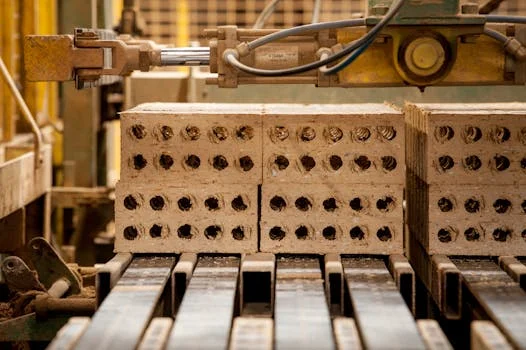
Material choices heavily impact the overall plate and frame filter press specifications and cost. Standard polypropylene (PP) filter plates are the most common, but upgrading to membrane plates typically adds $85/m² of filter area. Membrane plates reduce cycle time by approximately 25% by squeezing the filter cake, which can eliminate the need for one full labor shift per year in high-throughput operations. Specifying 316L stainless steel for wetted parts instead of standard 304 stainless steel increases the upfront cost by about 18% but can double filter cloth life in applications involving corrosive sludges, such as those with 5% saline content (HydropureWater material performance data, 2025). An optional automatic cloth washer, priced around $4,000, can reduce manual cloth washing labor by 90 minutes per cycle, significantly improving operational efficiency and reducing direct labor costs.
| Cost Driver | Impact on Base Price (50 m² unit) | Operational Benefit | Notes |
|---|---|---|---|
| Filter Area | Linear ($500/m²) | Increased processing capacity | Directly scales with number of plates |
| Automation (Hydraulic Closure) | +35-45% | Reduced labor, faster cycles | Manual jack vs. hydraulic cylinder |
| Membrane Plates (vs. PP) | +$85/m² | 25% faster cycle time, drier cake | Reduces dewatering time and disposal volume |
| 316L SS Wetted Parts (vs. 304) | +18% | Doubles cloth life in corrosive environments | Essential for acidic or high-saline sludges |
| Automatic Cloth Washer | +$4,000 (fixed) | Reduces manual wash labor by 90 min/cycle | Improves efficiency, extends cloth life |
OPEX That Procurement Forgets: Cloths, Power, Spare Parts
The true lifetime cost of a chamber filter press extends significantly beyond the initial purchase price, with overlooked operational expenditures (OPEX) often leading to unexpected budget overruns of 30% or more. Filter cloth replacement is a primary recurring cost, typically required every 6-9 months depending on the sludge type and operating conditions, averaging $12–15/m² (HydropureWater consumables pricing, 2025). For a 50 m² filter press, this translates to approximately $1,080 per year, assuming cloths are replaced 1.6 times annually.Energy consumption adds up. A typical 4 kW hydraulic pump, operating for roughly 2 minutes per cycle, consumes approximately 0.13 kWh per cubic meter of sludge processed. At an average industrial electricity rate of $0.10/kWh, the power cost is around $0.01/m³ of sludge. Routine maintenance and spare parts are critical for continuous operation. A preventative maintenance kit for plate-shift mechanisms, including grease and seals, costs approximately $450 annually (HydropureWater spare parts data, 2025). Labor costs vary dramatically with automation; a manual opening and closing sequence for a filter press may require 0.5 hours per cycle, whereas a fully automatic plate shifter reduces this to just 0.05 hours per cycle, representing a significant reduction in operational labor expenses.
| OPEX Item | Annual Cost (50 m² press, typical operation) | Notes |
|---|---|---|
| Filter Cloth Replacement | $1,080 | Based on $13.5/m², 1.6 replacements/year |
| Hydraulic Pump Power | ~$0.01/m³ sludge | 4 kW pump, 2 min/cycle, $0.10/kWh |
| Plate-Shift Mechanism (Grease/Seals) | $450 | Annual preventative maintenance kit |
| Labor (Manual Press) | 0.5 h/cycle | Opening, closing, cake discharge |
| Labor (Automated Press) | 0.05 h/cycle | Monitoring, minor intervention |
New vs Used: When a Refurbished Press Makes Sense
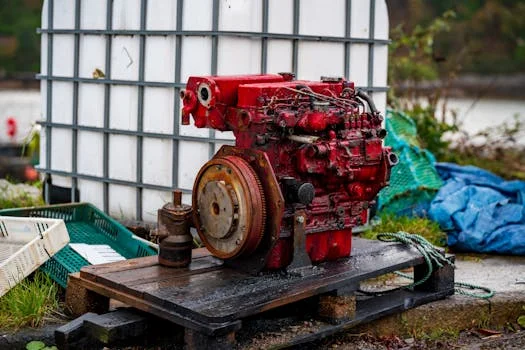
When budgeting for a used unit, it is prudent to include a 25% contingency fund. This allocation covers potential hidden costs such as missing safety guards, obsolete hydraulic components that are difficult to source, or non-CE compliant control panels requiring costly retrofits for certain markets. Despite these considerations, used units offer a significant advantage in lead time, typically shipping in 3-4 weeks compared to the 8-10 weeks required for a new, custom-built press. This faster availability can be critical for plants with tight shutdown windows or urgent operational needs. However, the dwindling availability of well-maintained used units, down 30% year-on-year, means that finding an ideal candidate requires diligent searching and quick decision-making.
Payback Calculator: Filter Press vs Sludge Hauling
Implementing a chamber filter press offers a compelling return on investment (ROI) by drastically reducing sludge hauling and disposal costs, providing finance teams with a defendable internal rate of return (IRR) for purchase approval. Consider a typical industrial plant generating 2,000 tons of dry solids (DS) per year, currently hauling sludge with 5% solids at an average cost of $120 per ton of wet sludge. A chamber filter press, capable of achieving 25% cake solids, effectively reduces the wet sludge volume requiring disposal. Based on these parameters, the press can save approximately 1,500 tons of wet sludge hauling annually.This reduction translates to an annual hauling cost avoidance of $180,000 (1,500 tons * $120/ton). Over a three-year period, the total operational savings from avoided hauling alone amount to $540,000. When contrasted with an estimated total cost of ownership (TCO) for a new chamber filter press over three years, which includes CapEx and OPEX, projected at $210,000, the investment yields a substantial 2.6x ROI. Beyond direct hauling savings, improved dewatering efficiency also leads to significant polymer savings; higher cake solids often allow for a 15% reduction in flocculant dose, saving an additional $18,000 per year. For a detailed breakdown of these calculations and to customize scenarios for your plant, download our complimentary filter press ROI calculator spreadsheet.
| Cost/Savings Item | Annual Value | 3-Year Value | Notes |
|---|---|---|---|
| Avoided Sludge Hauling Cost | $180,000 | $540,000 | 1,500 t wet sludge/yr saved @ $120/t |
| Polymer Savings | $18,000 |