Which Equipment Suits Pearl Mining and Metals Wastewater?
For mining and metals wastewater in Pearl, choose dissolved air flotation (DAF) when the design objective is to float oil, grease, light suspended solids and conditioned flocs; choose a clarifier when the wastewater is predominantly settleable solids and the objective is sedimentation with lamella plates for a compact footprint. Neither device alone reliably removes dissolved metals: chemical pretreatment can reduce metal concentrations, while additional treatment may be required. A factory should decide from measured flow, solids, oil, metal and pH data, then confirm the choice through jar testing or pilot work before purchase.
This is a 2026 equipment-selection guide for Pearl, not a substitute for site-specific testing or approval by the applicable authority. The supplied sources do not establish Pearl’s discharge, pretreatment or sewer limits, so compliance must remain conditional until the actual permit and receiving-body criteria are obtained.
The choice is between treatment trains, not isolated tanks. Aquatech states that DAF and clarifiers are typically used to remove suspended matter, while Aries describes chemical pretreatment, pH control, coagulation and flocculation as part of DAF performance. A supplier specification is not a guaranteed project performance value; bidders should be required to state their assumptions, test basis and performance guarantees separately.
For a preliminary scope, compare the HydropureWater DAF system against the lamella clarifier for settleable solids only after the wastewater profile is defined.
Build the Wastewater Profile Before Comparing Equipment
Flow capacity alone cannot determine whether DAF or a clarifier is appropriate; the contaminant’s physical and chemical behavior determines which separator has a credible treatment mechanism. Clearwater Industries describes its FPHF model as a separation system designed for high wastewater flows with low-to-large solids loads, but that does not establish suitability for a Pearl site without representative wastewater data.
Request average and peak flow, including production changes, rainfall, dewatering events, cleanup operations and dilution conditions. Characterize TSS, particle settling and flotation behavior, oils and grease, pH, dissolved metals and the chemical forms present. The analysis should also define what the receiving route actually requires and whether the proposed separator is intended for primary treatment, polishing or sludge thickening.
Aries provides a useful commercial precedent: its feasibility process can use bench-scale jar testing to determine flotation characteristics, removal behavior and a chemical program, then produce a report identifying DAF design variables. That approach is more useful than selecting equipment from a general flow chart. See the DAF versus clarifier for fabricated metals wastewater for a related comparison framework.
Before procurement, obtain the applicable Pearl-area permit, sewer or receiving-body limits, along with sampling, monitoring and reporting requirements. The supplied research does not establish those local limits. A vendor must therefore treat compliance as a project-specific obligation, not a generic product claim.
| Input to obtain | Why it changes the decision | Evidence or project document needed |
|---|---|---|
| Average and peak flow | Sets hydraulic basis and equipment configuration | Production-flow record, stormwater and dewatering events |
| TSS and solids characterization | Identifies settleable, floatable and variable solids | Representative laboratory analysis and settling/flotation observations |
| Oils and grease | Supports the case for DAF or upstream oil separation | Sample analysis and source segregation review |
| Dissolved metals and pH | Determines whether precipitation, solids separation and additional polishing are required | Metal speciation, pH range and discharge criteria |
| Applicable local limits | Prevents an unverified compliance assumption | Pearl permit, sewer agreement or receiving-body criteria |
How DAF Separates Mining and Metals Wastewater
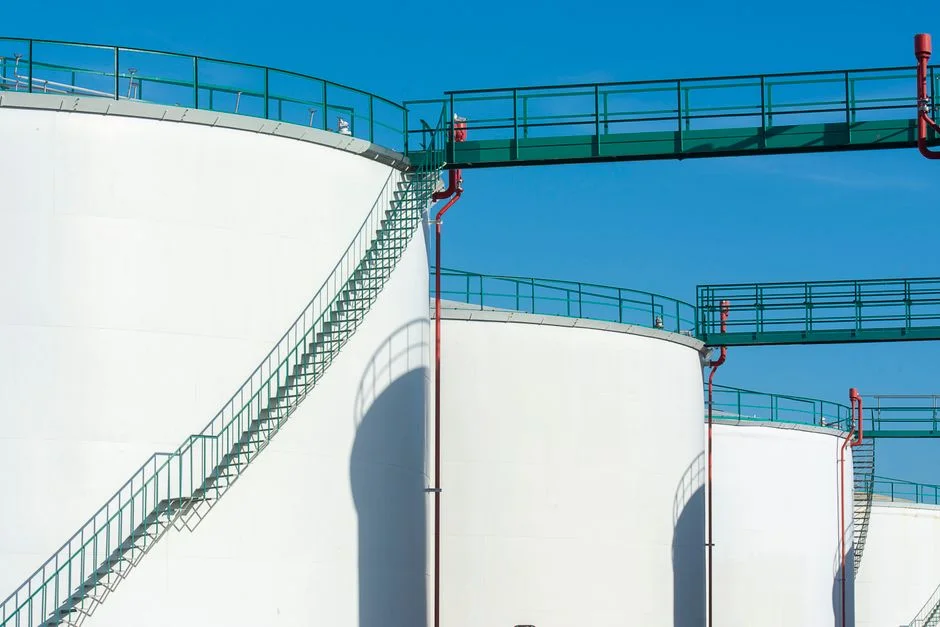
DAF separates floatable material by circulating part of the treated stream through a pressurization and air-saturation system, then releasing it into the separation tank as microbubbles. In DAF, the clarified water is recirculated, supersaturated with air and returned to the flotation zone, where microbubbles attach to conditioned particles. The resulting float is removed by a skimmer; heavier settled solids are withdrawn separately from the bottom of the tank. Clearwater Industries reports a bubble range of 30–50 microns in its DAF systems, while Aries describes approximately 30 µm microbubbles and approximately 100 psi high-pressure recirculation. These are supplier-reported operating details, not universal design requirements.
The separation mechanism depends on particle preparation. Aries states that pH control, coagulation and flocculation optimize contaminant surface properties for microbubble adhesion. It also reports that chemical pretreatment lowers TSS, oils and greases, BOD and metal concentrations, but the supplied source does not state a guaranteed removal rate. For a mining or metals plant, the buyer should therefore request test results for the actual waste rather than accept a general pollutant list.
DAF does not substitute for a dissolved-metals treatment step when metals remain soluble, complexed or otherwise resistant to precipitation and solids capture. The project scope should identify whether additional industrial heavy metals removal methods are required after separation.
For procurement, specify the recycle pump, air compressor or blower, saturation equipment, nozzle arrangement, contact zone, sludge skimmer, bottom-solids withdrawal, controls and instruments. A DAF system specified for these functions is more useful than a tank-only quotation that leaves the performance-critical accessories undefined.
How a Clarifier Handles Settleable Solids
Lamella clarification separates flocculated solids by sedimentation through inclined plates, with settled sludge withdrawn from the bottom; recirculation and sludge-blanket management may be included depending on the design. Inclined plates increase the effective settling area within a smaller footprint than a conventional gravity basin, but the actual hydraulic capacity still depends on the wastewater and operating conditions.
HydropureWater states a lamella-clarifier surface-loading range of 20–40 m/h and claims that its lamella tanks can reduce chemical consumption by up to 30%. These are supplier specifications, not guaranteed outcomes for Pearl. A bidder should state the design flow, solids loading, settling-velocity basis, plate configuration and chemical-conditioning assumptions behind each value. A detailed lamella clarifier for settleable solids should be evaluated against those project inputs.
Clarification is a stronger candidate when the solids form a settleable floc and the objective is gravity separation. Oil, grease and very light solids may be poor candidates for gravity separation; they may require upstream removal or a flotation step. Dissolved metals also remain a separate design question because sedimentation removes solids rather than dissolved ions.
Require site data to confirm settling velocity, sludge-blanket behavior and hydraulic capacity. A nominal surface-loading specification cannot substitute for representative solids testing or a defined operating envelope.
DAF vs. Clarifier: Match the Equipment to the Wastewater
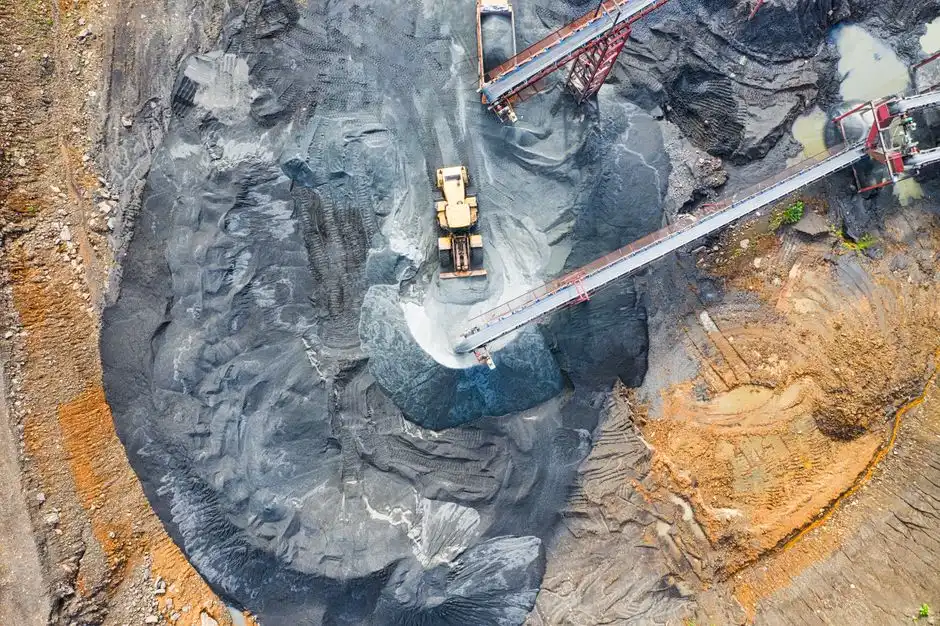
DAF has the clearer separation advantage when the wastewater contains floatable oils and grease or conditioned solids that attach readily to microbubbles; a lamella clarifier is the better fit when the contaminant is predominantly settleable solids. Neither technology should be credited with an unsupported removal percentage. Selection depends on measured behavior, chemical conditioning, hydraulic loading, footprint and sludge characteristics—not on the separator’s advertised pollutant list.
Materials require direct review. Clearwater Industries lists 304SS as standard for its DAF systems and offers 316SS, polypropylene and other materials on request. The procurement team should assess those materials against the actual pH, oxidants, process chemicals, temperature and cleaning regime rather than accept a default material specification. Clarifier materials and coatings require the same review.
Published scale examples also require careful interpretation. Clearwater Industries states that its COMPACT DAF handles flows of 66 GPM or less with one skid and larger flows with a modular two-skid arrangement. HydropureWater’s DAF catalog spans 4–300 m³/h. These figures describe supplier offerings, not automatic selection limits for a Pearl plant; process conditions, peak-flow strategy and treatment-train configuration still govern suitability.
| Procurement factor | DAF | Lamella clarifier |
|---|---|---|
| Primary separation mechanism | Microbubble flotation and surface skimming | Floc settling through inclined plates |
| Best initial fit | Floatable oils, grease and conditioned flocs | Predominantly settleable solids |
| Chemical conditioning | pH control, coagulation and flocculation must support bubble attachment | Flocculation must produce material that settles effectively |
| Dissolved metals | Not reliably removed without suitable chemistry and downstream treatment | Not reliably removed without suitable chemistry and downstream treatment |
| Main auxiliary equipment | Recycle pump, air-saturation system, nozzles and skimmer | Flocculation, sludge withdrawal and lamella packing |
| Sludge route | Floated sludge plus heavier settled solids | Concentrated settled sludge |
| Decision evidence | Representative floatation tests and chemical-program data | Representative settling tests and hydraulic loading checks |
The bid comparison should place both options within the same treatment train. That avoids selecting a separator that performs well in isolation but leaves the plant with incompatible chemical dosing, sludge withdrawal or downstream dewatering requirements.
Specify the Complete Treatment Train
A defensible mining wastewater treatment basis follows a sequence: equalization and characterization; pH adjustment; coagulation; flocculation; separation; dissolved-metals polishing where required; and sludge dewatering. The sequence should be adjusted only after the wastewater analysis and discharge route establish which units are necessary.
- Equalize and characterize the combined production, stormwater, cleanup and dewatering streams.
- Adjust pH to the condition required by the selected chemical program.
- Apply coagulation and flocculation to create separable flocs.
- Remove floatable or settleable material using DAF or clarification.
- Add dissolved-metals polishing where the analysis demonstrates a residual requirement.
- Thicken, hold and dewater the resulting sludge through a defined route.
For a DAF-based train, chemical delivery is integral to separator performance. An automatic chemical dosing system for coagulants, flocculants and pH adjusters should therefore be specified with the separator, not deferred to a later procurement package. Storage, metering, duty/standby arrangement, calibration and operator controls should be included in the common RFQ.
Sludge handling must be evaluated at the same time. HydropureWater offers plate-and-frame filtration areas from 1 m² to 500 m², so a plate-and-frame filter press for sludge dewatering can be evaluated against measured solids generation, expected dewatering cycle and cake-disposal route. Biological treatment, reverse osmosis or disinfection should be added only where the wastewater characterization and discharge requirements justify them.
| Train element | Required procurement basis |
|---|---|
| Equalization | Measured flow range, storage duration and mixing requirement |
| Chemical conditioning | Representative jar-test chemistry, chemical demand and storage needs |
| Separation | Selected DAF or clarifier performance basis and complete auxiliary equipment |
| Polishing | Residual constituent, discharge route and confirmed need |
| Sludge treatment | Solids yield, moisture target, operating cycle and disposal route |
| Commercial comparison | Installed scope, utilities, service life, maintenance and performance guarantees |
Compare total installed scope rather than tank price. Effluent quality, reliability, chemical use, serviceability, controls, utilities and sludge handling determine operating exposure.
Validate the Choice Through Testing Before Purchase
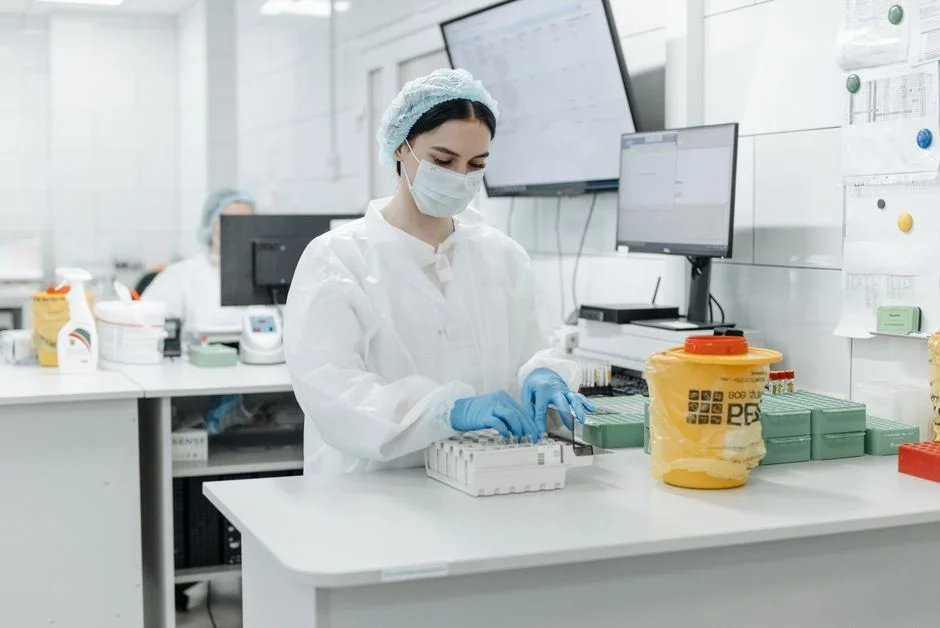
Representative testing is the control that links a mining wastewater treatment decision to an equipment basis of design. Collect samples across normal production, cleanup and dewatering conditions rather than relying on one clean-water sample. The sampling plan should document flow, source, pH, TSS, oils and grease, dissolved metals and other constituents relevant to the permit or sewer route.
Jar testing should compare pH adjustment, coagulant dose, flocculant dose, settling and flotation behavior. Aries explicitly describes bench-scale jar testing to determine flotation characteristics, removal efficiencies, DAF design variables and a chemical program. For a lamella option, the same testing should establish whether flocs settle at a usable rate and how the sludge blanket behaves.
Where variability or commercial risk warrants it, confirm the preferred treatment train through pilot testing before full-scale manufacture. The pilot should measure the chosen operating condition and verify effluent quality, chemical consumption, sludge generation and equipment operability.
Issue the RFQ with flow data, wastewater analysis, discharge route, site utilities, material requirements and sludge-handling obligations. A complete chemical dosing package referenced in the RFQ should be priced against the same performance basis as the separator. Then compare bids on one scope, with exclusions and guarantees stated clearly. For local compliance, use the mining and metals wastewater pretreatment requirements as a document-request guide—not as evidence of Pearl’s limits.
Frequently Asked Questions
What should a Pearl factory budget for a DAF or clarifier installation?
No defensible price can be stated without the wastewater flow, analysis, selected separator, chemical system, site utilities and sludge-handling scope. Ask each bidder for a capital-cost breakdown covering the separator, conditioning equipment, controls, foundations and installation, plus a separate estimate for chemicals, energy and maintenance. Compare complete scopes rather than using tank price as a proxy for installed cost.
Should we test a DAF and clarifier before ordering full-scale equipment?
Yes, when the wastewater contains variable solids, oil and grease, or uncertain settling and flotation behavior. Use representative jar testing to compare chemical programs and separation behavior, then pilot the preferred train if variability or performance risk warrants it. Aries identifies jar testing as a feasibility method for determining flotation characteristics and DAF design variables, so require the test data and report as part of procurement documentation.
How should equipment be sized for variable mining wastewater flows?
Size from measured average and peak flow plus the associated solids and oily loading, not from a generic model name or catalog range. The design basis should state whether one unit or modular units will handle the peak condition, how recycle affects hydraulic loading, and what operating changes are expected during production, cleanup, rainfall or dewatering events.
What should procurement check when selecting a wastewater equipment supplier?
Check whether the supplier can demonstrate relevant mining or metals experience, define the separator’s guaranteed scope, provide site-specific test evidence and specify materials compatible with the actual wastewater. Require clear performance assumptions, utility demands, controls, spare parts, sludge-discharge details and exclusions. Compliance remains contingent on Pearl’s actual permit or sewer criteria; a general supplier statement that equipment “meets discharge standards” is not a substitute for the applicable local requirements.