Start with the Ansan wastewater balance
An Ansan data center generally needs separate treatment pathways for cooling-tower blowdown, cooling condensate, sanitary sewage, membrane or filter backwash, and equipment-cleaning wastewater. Cooling blowdown usually needs pretreatment for suspended solids, oil and grease, heat, and dissolved solids before sewer discharge; reuse may additionally require UF or RO. Sanitary sewage normally follows the local sewer route, while industrial streams may require an industrial-user permit. Final limits and discharge points must be confirmed with Ansan authorities because South Korean enforcement and marine requirements depend on the receiving route.
The first engineering task is to identify every source, its normal and peak flow, its chemistry, and its intended destination. Do not combine streams merely because they eventually reach one outfall. Their permit status, treatment requirements, and reuse potential differ.
Use the ASCE water-balance method described by Rasheed Ahmad in the March/April 2024 Civil Engineering: assess potential freshwater and alternative supplies, the cooling system, reclaimed water, and treatment or discharge options rather than relying on one theoretical water-use metric. The applicable data-center blowdown treatment methodology provides a useful comparison, while the site-specific data-center wastewater treatment guide illustrates why local receiving conditions must be established separately.
RSP Engineers states that cooling-tower blowdown is usually the principal process-wastewater stream, while sanitary waste is typically minor by comparison. Its stream inventory also includes softener or RO backwash, equipment-cleaning wastewater, and air-handling condensate. Request average and peak makeup flow, measured blowdown flow, evaporation, cycles of concentration, flowmeter records, chemical additions, and seasonal operating profiles.
The referenced facility in the American Southeast was initially designed for cooling wastewater of roughly 20%-30% of total water supplied and installed a flowmeter because actual discharge volume was difficult to predict, according to Ahmad’s March/April 2024 ASCE article. That is a reference case, not an Ansan design allowance.
| Stream | Characterization required | Preliminary pathway | Missing sizing input |
|---|---|---|---|
| Cooling-tower blowdown | pH, conductivity/TDS, TSS, temperature, oil and grease, residual biocide, scaling ions | Industrial pretreatment; discharge or reuse after treatment | Measured average and peak blowdown flow |
| Cooling condensate | Temperature, conductivity, corrosion products, treatment residuals | Characterize before deciding whether it can join blowdown | Source-by-source flow and chemistry |
| Sanitary sewage | Flow, load, treatment objectives | Separate sanitary or MBR treatment | Average and peak sanitary flow |
| RO or softener backwash | Salt, conductivity, pH, additives | Capture or segregate from reuse streams | Regeneration frequency and waste volume |
| Equipment-cleaning wastewater | Detergent, oil, pH, suspended solids | Source-controlled collection and treatment | Cleaning frequency and batch discharge volume |
| Air-handling condensate | Contaminant profile and seasonal flow | Characterize before reuse or discharge | Measured flow and quality |
No Ansan-specific flow, concentration, permit limit, or equipment capacity can be calculated from the supplied research. These are missing engineering inputs, not figures to assume.
Choose the Ansan discharge route before selecting equipment
South Korea’s Water Quality Conservation Act is administered by the Ministry of Environment with regional enforcement, while direct coastal discharge can also engage the Marine Environment Management Act. A municipal-sewer connection and direct waterway discharge therefore create different regulatory envelopes; limits from another Korean industrial site cannot be transferred to Ansan without confirmation.
For a sewer route, obtain the applicable industrial-user discharge permit and have the sewer authority review the expected cooling chemistry. RSP Engineers reports that meeting utility limits usually requires on-site pretreatment because cooling blowdown contains concentrated treatment chemicals and dissolved constituents. The permit must define the actual discharge point before the process flow diagram is frozen.
Temperature is a separate design issue because hot blowdown can affect receiving biological treatment. RSP Engineers identifies cooling or holding tanks as one response, but the chosen method should follow the confirmed temperature envelope and sewer operating conditions. Do not install a cooling tank merely because it appears in a generic pretreatment list.
Request the site-specific envelope for pH, conductivity or TDS, TSS, temperature, residual chlorine and other biocide residuals, oil and grease, and any additional constituents identified by the authority or sewer utility. The San Jose sewer-limits methodology shows the permit-first logic; the Evanston pretreatment comparison is useful for structuring utility discussions, but neither supplies Ansan limits.
| Decision point | Municipal sewer | Direct waterway or coastal discharge |
|---|---|---|
| Authority interface | Sewer authority and Ansan-si permitting route | Ansan-si and the applicable national marine-discharge framework |
| Core question | Will the sewer accept the cooling chemistry after pretreatment? | What discharge conditions apply at the selected outfall? |
| Equipment consequence | Removal or control of pollutants prohibited or restricted by the industrial-user permit | Treatment specified against the confirmed outfall envelope and receiving-water constraints |
| Key uncertainty | Local sewer limits and temperature acceptance | Site-specific marine conditions, mixing considerations, and residual limits |
For a reuse concept, the permit route and water-quality specification are separate decisions. A sewer-compliant effluent may not be suitable for cooling makeup, while a reusable stream may still need controlled handling if it is not connected to the sewer.
Build the treatment train for each wastewater stream
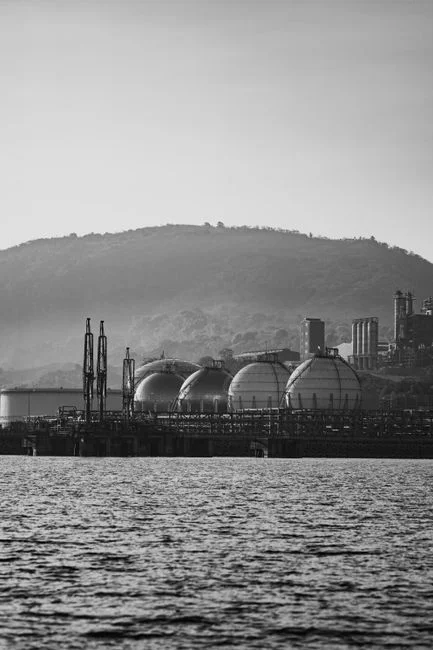
A defensible treatment train proceeds through characterization and equalization, physical separation, targeted chemical or biological treatment where required, polishing, disinfection where needed, and monitored discharge or reuse. The process sequence should follow the stream inventory and confirmed objectives, not a generic package.
For cooling blowdown, evaluate media filtration or dissolved air flotation for suspended solids, colloids, oil and grease, and floating material. A DAF system for cooling blowdown pretreatment is appropriate only where the influent data supports flotation duty and the resulting water quality meets the next treatment step or permit requirement.
Add automatic chemical dosing only where the objective and influent data justify it. A PLC-controlled wastewater chemical dosing skid can provide controlled coagulant, flocculant, pH adjustment, or specialty-chemical application, but the chemical program must remain compatible with the reuse target and downstream membranes.
If blowdown will become cooling makeup, UF should precede RO. A UF pretreatment for data-center water reuse provides the particulate barrier, while an industrial RO system for blowdown reuse removes dissolved solids. HydropureWater specifies UF membranes with 0.03-micron PVDF construction, automatic backwash, and air scour; its industrial RO information states that recovery can reach 95%. These are equipment-source claims, not Ansan performance guarantees.
Treat sanitary sewage separately. An MBR system for separate sanitary sewage treatment combines activated sludge and submerged PVDF membrane filtration; HydropureWater describes effluent below 1 micron and a capacity range of 10-2,000 cubic metres per day for water-reuse applications. Confirm actual sanitary duty, effluent use, footprint, sludge handling, and local acceptance before assigning the MBR to the project.
For microbial control, assess an on-site chlorine dioxide generator for cooling-loop disinfection or UV polishing where the monitoring basis supports it. Chlorine dioxide addresses the industrial cooling loop; UV is a non-chemical option for final polishing. Neither should be a default addition. Influent microbiology, residual demand, membrane compatibility, and the receiving or reuse specification determine the need.
| Stream and objective | Potential process train | Decision evidence required |
|---|---|---|
| Blowdown to sewer | Equalization; filtration or DAF; targeted chemical control; polishing; temperature management | Industrial-user limits, complete chemistry, peak flow, temperature, biocide program |
| Blowdown to cooling makeup | Filtration or DAF; chemical conditioning; UF; RO; disinfection as required | Makeup quality specification, scaling analysis, recovery, concentrate destination |
| Blowdown to lower-grade reuse | Physical separation and targeted treatment matched to the receiving use | Water-quality specification for irrigation, washing, toilet flushing, or dust control |
| Sanitary sewage | Separate sanitary treatment or MBR | Flow, organic load, footprint, discharge route, reuse objective |
| RO/softener backwash | Capture, segregation, and separate characterization | Regeneration chemistry, waste volume, possible reuse or discharge route |
| Cleaning wastewater | Equalization and batch treatment; dechlorination or pH control as indicated | Cleaning products, batch volume, accidental-discharge controls |
Decide between discharge compliance and water reuse
There are three practical treatment objectives: treat to permit and discharge; treat for on-site reuse; or pursue near-zero liquid discharge with a managed concentrate. Each option requires a different process train, operating capability, and commercial case.
Genesis Water Technologies states that physical separation followed by targeted treatment can reduce makeup-water demand by 15%-25%. This is the source’s general claim, not an Ansan guarantee. The actual benefit depends on the site’s cooling cycles, recovered-water demand, treatment losses, and permit conditions.
Cooling chemistry determines whether increasing cycles of concentration is worthwhile. Genesis Water Technologies reports that at 4 cycles, blowdown equals 25% of makeup-water volume; at 6 cycles, it equals 20%. The change is therefore 5 percentage points, or a 20% reduction in blowdown volume—not 50%.
The same source reports increasing biological and scaling risks above 5-6 cycles without advanced treatment. Equipment fouling, microbiologically influenced corrosion, and scaling can offset any nominal water saving. Higher cycles should follow cooling chemistry review, heat-transfer assessment, and a check of the treatment equipment—not an abstract water-efficiency target.
Grade reuse by quality. Irrigation, washing, and toilet flushing have different contaminant controls from cooling makeup. Cooling makeup requires the strictest control because residual salts, treatment chemicals, microbes, and particulates can affect cooling equipment and the cooling loop. The headworks screening specifications for wastewater treatment can inform solids-handling requirements for upstream equipment.
| Objective | Treatment concept | Commercial case | Principal risk |
|---|---|---|---|
| Permit compliance and discharge | Physical separation, targeted chemical or biological treatment, required polishing | Minimized capital and operating complexity against permit risk | Under-designed pretreatment or receiving-system rejection |
| On-site non-critical reuse | Treatment matched to each reuse specification | Freshwater savings without full cooling-makeup treatment | Quality mismatch and variable demand |
| Cooling-makeup reuse | Filtration or DAF, UF, RO, and assessed disinfection | Freshwater and discharge reduction against added operating burden | Scaling, membrane fouling, biocide incompatibility |
| Near-zero liquid discharge | Maximum liquid recovery followed by concentrate treatment | Water value and discharge savings compared with added capital and energy | Concentrate disposal route and operating complexity |
Do not buy membrane or ZLD complexity before the business case supports it. Start with the discharge obligation, measured blowdown quantity, cooling-water chemistry, and confirmed reuse demand.
Size, monitor, and prove compliance
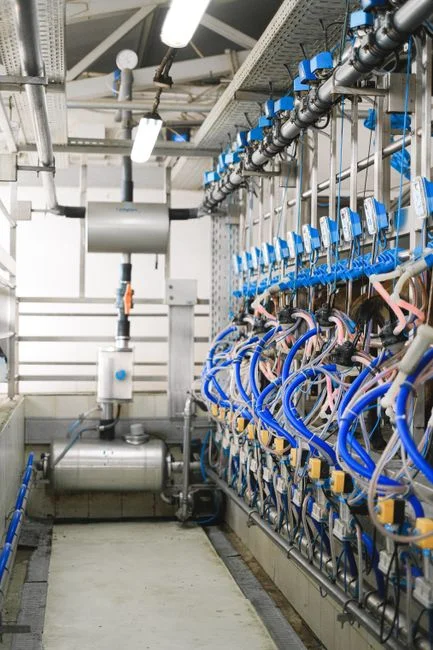
Equipment sizing must come from measured average and peak flows, complete water-balance data, and the selected treatment objective. A flow rate taken from a keyword, another city’s data center, or a supplier’s modular range is not an Ansan design basis.
Confirm conductivity, pH, TSS, temperature, residual biocide, oil and grease, and any other parameter in the final permit or reuse specification. The monitoring system should include sample points, instruments, calibration requirements, data logging, alarm response, and a chain of responsibility for permit reporting.
For UF and filtration, require automatic backwash or solids handling. Bid packages should also define membrane replacement, membrane cleaning, cartridge or filter change, and concentrate or sludge disposal. A parts, valve, and filter-media schedule supports that maintainability review, while a plate-frame filter press may be evaluated where the solids stream and operating philosophy justify it.
RSP Engineers notes that data-center operators must regularly sample treated wastewater, use certified-laboratory analysis, and submit results to the permitting authority. Build that obligation into the operating plan rather than treating monitoring as an optional commissioning task.
Modularity can reduce installation risk, but it does not replace site sizing. Genesis Water Technologies describes modular blowdown-treatment systems at 100-300 GPM as a practical deployment scale. Ansan capacity must instead be calculated from the measured site flows, treatment yield, operating redundancy, and future expansion plan.
Include future expansion and redundancy deliberately. Confirm whether parallel treatment trains are required, what duty each train must carry during maintenance, and whether equipment can be added without repeating civil or utility works.
Build the Ansan procurement brief
A comparable bid request must state the treatment basis before asking for a price. Require stream-by-stream average and peak flow, influent characteristics, effluent or reuse targets, proposed recovery, reject or concentrate destination, footprint, utilities, and expected maintenance.
Ask suppliers for references involving comparable industrial blowdown or reuse duties and for documented filtration, membrane, dosing, and disinfection performance. Treat the Barnaul procurement structure and Bauchi bid structure as formatting references; neither provides Ansan prices or permit conditions.
Separate the base scope from priced options for DAF, UF, RO, separate sanitary treatment, disinfection, sludge handling, and future expansion. This makes it possible to compare a permit-compliance package with a reuse package without hiding the cost of optional equipment.
Request a total-cost model covering equipment, installation, membranes, chemicals, energy, operator labor, monitoring, residuals, and avoided freshwater or discharge costs. Identify exclusions such as tank cleaning, waste transport, concentrate disposal, membrane replacement, and major site works.
Do not use non-Korean operating-cost references as Ansan quotations. Request current Korean utility tariffs, chemical prices, waste-disposal fees, freshwater costs, discharge charges, and confirmed permit conditions.
| Supplier submission | Evidence required | Buyer check |
|---|---|---|
| Process design basis | Stream-specific flow, chemistry, duty, recovery, and operating hours | Every figure traces to the owner’s data or a stated assumption |
| Equipment proposal | Process flow, P&ID, datasheets, materials, footprint, utilities | Capacity and performance match the agreed treatment objective |
| Performance evidence | Pilot results or comparable reference duties | Reference water chemistry is sufficiently similar |
| Operations and maintenance | Cleaning, backwash, membrane replacement, spare parts, labor | Tasks fit the owner’s operating capability |
| Residuals and compliance | Sludge, brine, spent media, and chemical waste destinations | Each residual has a confirmed route and owner |
| Commercial schedule | Base scope, options, exclusions, and total-cost inputs | Assumptions are transparent and Korean costs are current |
Frequently Asked Questions
What flow rate should an Ansan data-center wastewater treatment system be sized for?
Use measured and contractual average and peak flows for cooling-tower blowdown, each reuse demand, and sanitary sewage, together with evaporation, operating schedules, treatment recovery, redundancy, and future expansion. The supplied sources contain no Ansan flow data, so a design rate cannot be inferred from them or from a generic modular capacity.
What permits and discharge conditions must an Ansan project confirm?
Confirm the receiving route first. A sewer connection requires confirmation with Ansan authorities and the sewer authority regarding the industrial-user permit, expected cooling chemistry, pretreatment, and temperature. Any coastal-discharge concept must also be checked against the applicable national marine-discharge framework and site-specific outfall conditions.
How should a buyer select a wastewater-treatment supplier in Ansan?
Require a stream-specific process basis, comparable references or pilot evidence, membrane and maintenance information, reject handling, and a total-cost breakdown. Check whether proposed equipment addresses the actual Ansan chemistry and permit envelope rather than importing assumptions from another city or country.
How much will cooling-blowdown treatment cost in Ansan?
No Ansan quotation can be produced from the supplied research. Request a base-scope and options price covering equipment, installation, membranes, chemicals, energy, operator labor, monitoring, residual disposal, maintenance, and avoided freshwater or discharge costs. Have current Korean utility prices and waste-disposal fees inserted as explicit inputs.
Related Equipment
- MBR system for separate sanitary sewage treatment — specifications, capacity range, and technical data