Why Dakar Hotels Need a Site-Specific Wastewater Design
A hotel or resort in Dakar generally needs a decentralized sewage treatment train sized from measured peak wastewater flow, followed by biological treatment, solids separation, disinfection and reuse or authorized discharge. An underground A/O package plant is suitable where a compact, below-grade installation is required; an MBR system is appropriate where compactness, filtration quality or water reuse justify added complexity. Large or variable properties may need separate pretreatment. This choice is especially important in 2026 because research published on Dakar’s Ngor coastline identifies domestic wastewater discharges and inadequate sanitation as environmental concerns.
Mbengue’s 2026 study in the American Journal of Remote Sensing describes the Ngor coastal zone as a narrow band along the shoreline and identifies domestic wastewater among the pollutants affecting it. The study also attributes environmental impacts to an inadequate sanitation system. This does not mean every hotel directly causes the documented conditions; it means a hotel’s wastewater routing, containment, treatment and monitoring should be planned as an environmental-control system rather than left as an isolated plumbing issue.
The regional context reinforces that approach. The UNU Institute for Water, Environment and Health reported on 23 January 2026 that its Dakar wastewater-surveillance workshop included an ONAS-coordinated field visit to the Cambérène wastewater treatment plant, where participants examined collection, treatment and monitoring. The workshop also addressed laboratory analysis, infrastructure requirements, harmonized data and cross-sector governance.
Before selecting equipment, define the treated-water objective: authorized discharge, irrigation or toilet flushing, or a combined arrangement. Each route changes the required treatment, monitoring, infrastructure and operating controls.
Build the Hotel’s Wastewater Design Basis
Equipment should be sized from measured or reliably estimated peak-hour wastewater flow, not occupancy alone. Occupancy provides a starting point for forecasting, but it does not reveal how wastewater is generated across the day or whether kitchen, laundry and pool streams overlap with guest-room discharge. For a comparative view of hotel wastewater system planning, see the hotel wastewater treatment systems in Lagos.
Map each source separately: guest accommodation, staff facilities, restaurant and kitchen, laundry, swimming pool, landscaping irrigation, backwash and washdown. Record seasonal occupancy, conferences and events, water-saving fixtures, tank storage and anticipated expansion. These variables affect both hydraulic peaks and organic loading. For example, restaurant periods can concentrate grease and food solids, while laundry and pool discharges can alter flow characteristics and treatment demands.
The design brief must also state the intended reuse quality, final receiving point, available installation area, access for sludge removal, power supply, odour constraints and flood exposure. Confirm whether incoming sewage is gravity-fed or pumped, whether the receiving route is available, and who will operate and monitor the system. These are site facts, not equipment options.
Use influent and effluent sampling during design. Hotel wastewater should not be assigned a generic composition because kitchen, laundry and guest-room streams have different pollutant profiles. Label every design entry as confirmed, estimated or pending so bidders can distinguish measured inputs from allowances.
| Design-basis item | Required evidence | Status |
|---|---|---|
| Peak and average flow | Measured flow data or documented forecasting method, including seasonal and event conditions | Confirmed / estimated / pending |
| Wastewater characteristics | Sampling plan and results for the separate property streams | Confirmed / estimated / pending |
| Reuse objective | Intended use and required water quality | Confirmed / estimated / pending |
| Receiving route | Authorized discharge point, reuse network and applicable authority interface | Confirmed / estimated / pending |
| Site constraints | Area, access, power, flood exposure, odour controls and sludge-removal route | Confirmed / estimated / pending |
| Future growth | Planned occupancy, facilities and treatment-capacity reservation | Confirmed / estimated / pending |
Compare A/O Package Plants, MBR Systems and Pretreatment
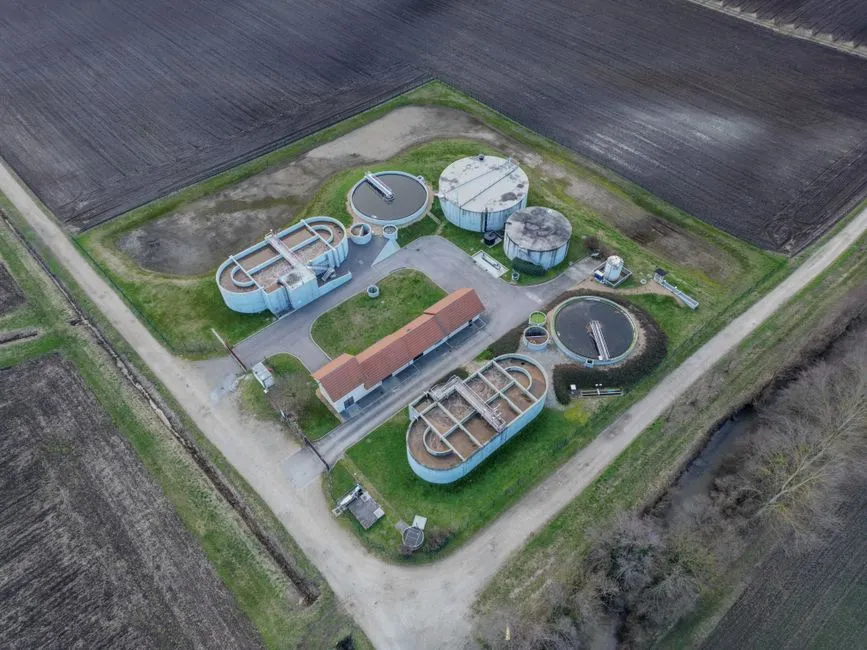
The WSZ is an integrated below-grade biological package, while the MBR is a membrane-based process selected where filtration quality, reuse or footprint control is central. Neither removes the need to design collection, pretreatment and equalization around the property’s actual streams.
The underground A/O package sewage treatment plant combines anoxic/aerobic biological contact oxidation, sedimentation and disinfection. It is fully automated, requires no operator, handles 1–80 m³/h and may be buried below grade with landscaping above or mounted on a trailer. The buyer’s priority is an integrated biological treatment package with a limited surface footprint.
The MBR membrane bioreactor system combines activated sludge with submerged PVDF membrane filtration. It produces filtration below 1 μm, has a 60% smaller footprint than conventional systems and is offered from 10 to 2,000 m³/day. It is the stronger candidate when membrane filtration, non-potable reuse or compact installation outweighs the added operating complexity.
| Decision factor | WSZ underground A/O package | MBR system |
|---|---|---|
| Treatment process | Anoxic/aerobic biological contact oxidation, sedimentation and disinfection | Activated sludge with submerged PVDF membrane filtration |
| Automation | Fully automated; no operator required | Automation scope must be defined in the selected proposal |
| Physical footprint | May be buried below grade with landscaping above, or mounted on a trailer | 60% smaller footprint than conventional systems |
| Filtration result | Not stated as membrane filtration | Filtration below 1 μm |
| Reuse suitability | Evaluate against the intended reuse route and receiving requirements | Stronger fit where filtration quality and non-potable reuse justify complexity |
| Available capacity | 1–80 m³/h | 10–2,000 m³/day |
| Main buyer priority | Integrated, automated, below-grade biological treatment | Filtration quality, reuse or compactness |
Separate high-strength or high-solids streams before biological treatment. A rotary mechanical bar screen for wastewater headworks can protect downstream pumps and biological processes from solids, rags, plastics and fibrous debris. Flow equalization may also be necessary where occupancy, meals, laundry or washdown create sharp peaks.
Use the broader hotel wastewater-system selection guide for another city-based reference, and the Christchurch hotel treatment-system guide for a second comparison context.
Design the Complete Hotel Treatment Train
A complete hotel treatment train is a sequence of interfaces: collection → headworks and flow control → biological treatment → solids separation → filtration where required → disinfection → reuse or authorized discharge → sludge management. A package unit can cover part of that sequence, but it does not remove the need to coordinate piping, pumping, controls, residuals and receiving infrastructure.
For an MBR reuse application, address membrane fouling prevention and operational monitoring from the design stage. The engineering requirements for preventing membrane fouling in MBR systems should inform pretreatment, membrane cleaning, instrumentation and operator handover. A reuse claim made only on the basis of membrane technology is incomplete without fouling controls and a defined monitoring regime.
Where on-site chemical generation is being evaluated for microbial control, assess a chlorine dioxide generator. The final disinfection arrangement must follow the reuse route, receiving conditions and applicable Senegalese requirements. The supplied research does not establish a specific hotel effluent limit, so the design team should obtain the applicable requirements from the relevant Senegalese authorities rather than import limits from another jurisdiction.
Where the biological process produces sludge that must be transported or handled off-site, evaluate a sludge dewatering filter press as part of the residual-management route. Specify sludge storage, conditioning, dewatering, containment, collection and authorized disposal before equipment approval.
Design deliverables should also include odour control, safe access, power redundancy, controls, remote monitoring, sampling points and maintenance space. These are operating requirements. Treating them as optional accessories creates an installation that may meet a process drawing but remain difficult to inspect, service or demonstrate.
Plan Reuse, Monitoring and Sludge Management
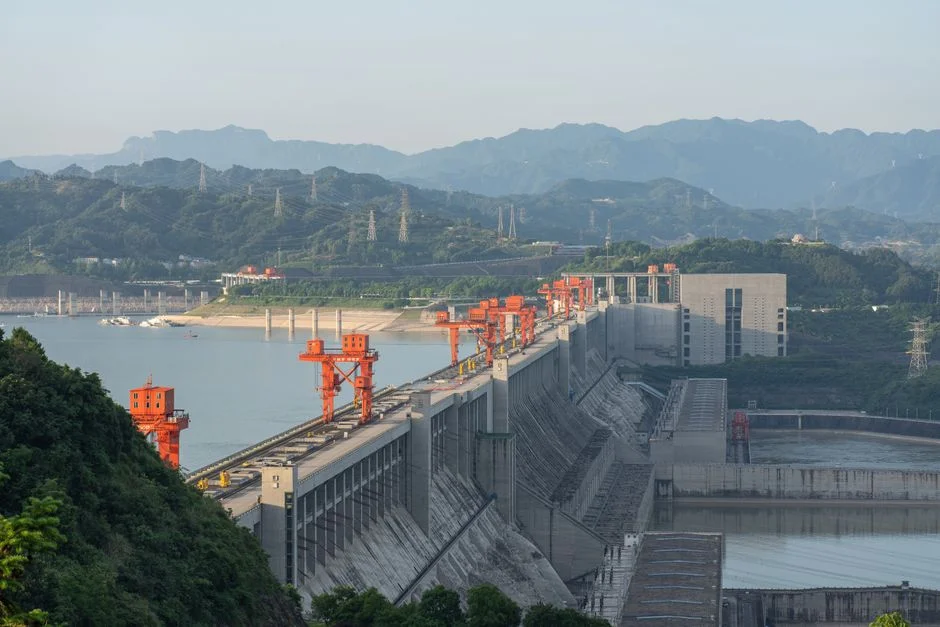
Define the destination of the treated water before final equipment selection. Toilet flushing, irrigation, laundry and other non-potable uses require different performance, monitoring and operating briefs. A buyer should also establish whether reuse is continuous or seasonal, where storage is needed and who takes responsibility when the reuse demand cannot be met.
The UNU-INWEH report of 23 January 2026 described a Dakar workshop focused on sampling, laboratory analysis, infrastructure requirements, surveillance data and cross-sector collaboration. Apply that logic at hotel scale: specify where samples are taken, which parameters are monitored, how results are reviewed and what action follows when performance deteriorates.
Set commissioning acceptance around agreed flow conditions, process stability, effluent quality, disinfection performance, automatic controls, odour and sludge handling. Obtain the applicable requirements from Senegalese authorities. Do not infer a discharge or reuse specification from the supplier’s generic catalogue or from another country’s practice.
Plan sludge storage, dewatering, collection and disposal with the same seriousness as liquid treatment. Record expected sludge production in the supplier’s proposal, then verify the route, receiving capacity, transport method and containment arrangements during commissioning.
Handover should include as-built drawings, operating procedures, maintenance schedules, spare-parts lists, operator training, test records, monitoring responsibilities and escalation procedures. Without those records, the hotel cannot demonstrate sustained performance after the commissioning team leaves.
Compare Supplier Proposals on Engineering Evidence
A comparable proposal starts with the same design basis, units and performance definitions. Require every bidder to state the confirmed design flow, process route, duty cycle, footprint, power demand, automation scope, sludge yield, reuse claim and monitoring method. A catalogue range is not evidence that the proposed configuration meets the hotel’s selected duty.
Request the process flow and P&ID, equipment data sheets, civil and electrical loads, control narrative, commissioning plan and reference-project evidence. The WSZ covers 1–80 m³/h, while the MBR range is 10–2,000 m³/day. These figures cannot be compared directly without converting the units and defining whether the proposed duty is peak or average.
| Procurement item | Information every bidder should provide | Buyer check |
|---|---|---|
| Duty definition | Confirmed design flow, peak and average basis, duty cycle and operating hours | Use one engineering basis across bids |
| Process evidence | Process flow, P&ID, data sheets and treatment performance claims | Trace every claim to the selected configuration |
| Site integration | Footprint, civil works, electrical load, access, power and controls | Fit the confirmed site constraints |
| Residuals | Sludge yield, storage, dewatering, collection and disposal route | Confirm an authorized end-use route |
| Verification | Commissioning plan, monitoring method and acceptance criteria | Align tests with the discharge or reuse route |
| Local delivery | Manufacturing, shipping, customs, installation, training and support schedule | Assign responsibility and destination logistics to each stage |
Evaluate lifecycle considerations using submitted energy, chemical, maintenance and disposal information rather than unsupported generic cost claims. The January 2026 Dakar workshop’s emphasis on governance, harmonized data, infrastructure and cross-sector collaboration is also a due-diligence prompt: equipment price is only one part of the operating arrangement. See the guide to comparing wastewater treatment plant equipment suppliers in 2026.
Require a local commissioning and support plan for Dakar. Installation logistics, operator training, spare-parts availability and ongoing maintenance determine whether the system performs as designed after handover.
Make the Final Technology Decision
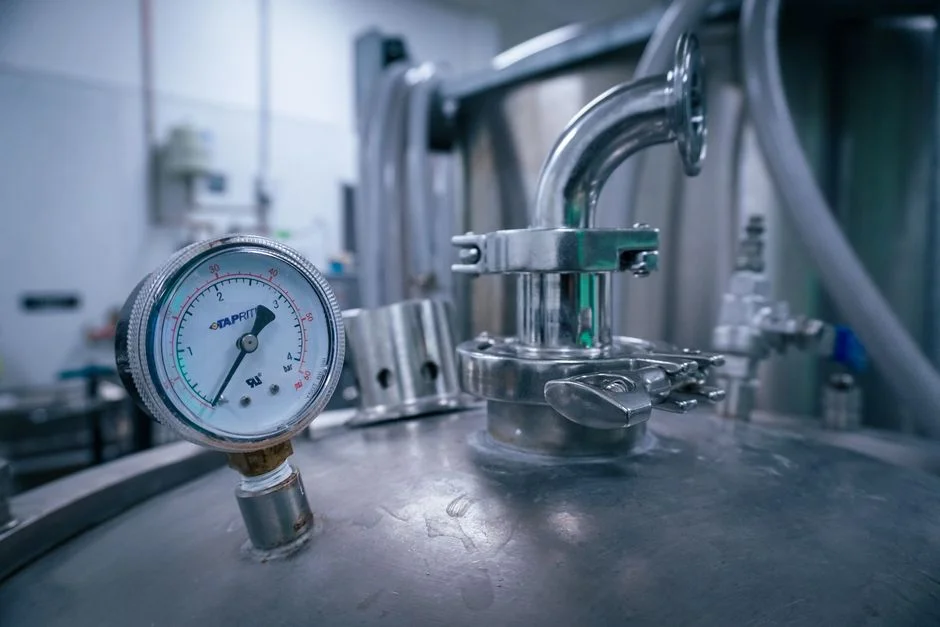
Choose the WSZ when the hotel prefers an integrated, automated, below-grade biological package and the selected duty fits its 1–80 m³/h range. Confirm the proposed arrangement, duty point, footprint and treatment objectives during tender review.
Choose the MBR when filtration below 1 μm, a non-potable reuse objective or compact installation justifies the added system complexity and the duty fits its 10–2,000 m³/day range. Require a specific fouling-control and membrane-maintenance plan.
Add pretreatment and equalization where kitchen, laundry or other high-solids streams are separated from the main sewage flow, or where hydraulic peaks require attenuation. The treatment train must reflect the actual streams, not a generic hotel profile.
Do not approve a purchase based only on the technology name. Approval should follow a documented design basis, selected duty, reuse route, receiving requirements, residual-management plan and commissioning criteria. That sequence converts a catalogue comparison into an engineering decision that can be tested.
Frequently Asked Questions
What wastewater treatment system does a hotel or resort in Dakar, Senegal need in 2026?
Most require a decentralized treatment train sized from measured peak flow, with biological treatment, solids separation, disinfection and either authorized discharge or controlled reuse. Select an underground A/O package for an integrated below-grade biological route or an MBR where filtration quality, reuse or compactness justifies added complexity. Add pretreatment and equalization where the property has separate high-solids streams or variable flows.
How much does a hotel wastewater treatment system cost in Dakar?
A defensible quotation requires confirmed peak and average flows, wastewater characteristics, treatment objective, site constraints and installation scope. Ask bidders to price equipment, civil works, power and controls, pretreatment, reuse or discharge connections, commissioning, training and sludge handling separately. The supplied research contains no defensible hotel-system price for Dakar, so any price without those inputs is incomplete.
How do you size wastewater treatment for a hotel with variable occupancy?
Use peak-hour flow and peak-load conditions to determine equipment duty. Average flow, seasonal occupancy, conferences, kitchen service, laundry cycles and future growth still shape equalization, pretreatment and reserve capacity. A hotel wastewater-system selection guide provides a useful comparison approach, but the final duty must come from the Dakar property’s own data.
How should a buyer select a wastewater treatment supplier for a Dakar hotel?
Request the process flow and P&ID, equipment data sheets, verified capacity at the proposed duty, civil and electrical loads, controls scope, commissioning evidence, local support and clearly stated performance guarantees. Require consistent units and explicit peak-versus-average definitions. Also ask who will maintain the plant, provide spare parts and respond after handover.
What should a Dakar hotel confirm about coastal discharge and reuse compliance?
Confirm the applicable discharge point, reuse destination, monitoring requirements and authorization process with the relevant Senegalese authorities. The supplied research does not provide a specific hotel effluent limit, so engineers should not adopt a limit from another jurisdiction. Commissioning tests should document effluent quality, disinfection, process stability and any reuse conditions against the confirmed requirements.
How long will a wastewater treatment system take to deliver to Dakar?
The article cannot establish a defensible manufacturing or delivery period without a confirmed scope and destination logistics. Require the bidder to state the manufacturing, shipping, customs, installation, training and commissioning schedule separately, including its assumptions about scope changes and local readiness. Compare those dates against the hotel’s construction programme rather than accepting a single headline lead time.