What Controls Chemical Plant Discharge Near Baltimore?
Chemical plants near Baltimore meet sewer pretreatment limits by obtaining the applicable discharge requirements from the receiving publicly owned treatment works, characterizing each wastewater stream, and installing treatment matched to regulated contaminants. A typical train screens solids, uses DAF for oil, FOG and floatable material, meters coagulants or pH adjusters, and sends the clarified flow through biological or membrane treatment when required. The plant then monitors each permit parameter, investigates upsets and retains verifiable records. The supplied research provides no Baltimore-specific numerical limits, so those values must come from the applicable permit and sewer authority rather than assumed thresholds.
The first engineering task is identifying the authority responsible for the plant’s actual discharge point. A Baltimore-area facility may be served by a municipal POTW, a county-operated system or another authorized sewer authority, and one set of pretreatment rules should not be assumed to cover every jurisdiction or industrial user. Confirm the receiving agency before using permit language, treatment objectives or monitoring conditions in an equipment basis of design.
Request and reconcile four related documents:
- The industrial user permit or wastewater discharge permit issued for the plant.
- The receiving POTW’s sewer use ordinance and industrial pretreatment requirements.
- Applicable discharge permits and local operating requirements.
- Monitoring, sampling, reporting and record conditions attached to those approvals.
These documents answer different questions and may use different terminology. A treatment objective should therefore be written against the named pollutant categories and parameters accepted by the receiving authority, with its source identified. Include the monitoring point, sampling method, frequency, reporting owner and any prohibited or restricted discharge condition stated by the authority.
The supplied academic research does not contain verified Baltimore-specific numerical discharge limits. It therefore cannot support a local pH range, pollutant ceiling, flow threshold or sampling frequency. Those values are permit-specific inputs to obtain from the applicable Baltimore-area POTW industrial user and permitting authority. Catalog equipment capacity and general treatment descriptions must not be presented as proof that a discharge will comply.
This sequence is similar to the chemical plant pretreatment compliance guide, but the controlling authority and documents remain site-specific. A sound design basis begins with the named permit conditions, then proceeds through wastewater characterization, treatment selection and compliance verification.
Characterize Every Wastewater Stream Before Choosing Equipment
A representative wastewater profile determines whether a treatment train is technically appropriate; average flow alone cannot establish required equipment capacity. Build the profile stream by stream, then express the controlling contaminants as mass and load conditions that can be compared with treatment objectives.
Start with a process inventory that distinguishes:
- Continuous process water from reaction, separation, washing or product-recovery operations.
- Batch dumps, including their production origin and permitted disposal method.
- Clean-in-place and washdown streams that may contain concentrated product residues.
- Laboratory drains.
- Stormwater and contaminated floor drainage, kept separate from clean stormwater where the process permits.
For each stream, document the sampling point, production condition, flow behavior and constituents requiring control. Request pH, oil and grease, FOG, suspended solids and COD data, together with plant-specific toxic or regulated constituents. Samples should represent routine operation and relevant production variability; a single diluted sample may conceal the peak load that controls chemical demand or storage needs.
Separate routine discharge from episodic upset flows. A batch dump, cleaning operation or accumulated floor-washing flow can govern equalization volume, pump capacity, chemical feed rate or solids handling even when it does not dominate the monthly average. If discharge is intermittent, characterize whether it is controlled through a permitted holding or equalization system.
- Identify each source and its normal discharge route.
- Collect representative samples across relevant operating conditions.
- Measure flow and contaminant concentrations.
- Calculate the resulting mass and load inventory.
- Compare peak, batch and routine conditions with permit objectives and downstream treatment constraints.
Also ask the receiving sewer authority whether the plant requires controlled discharge, continuous monitoring or event-based sampling. The supplied research does not establish which requirement applies to any individual Baltimore-area plant, so this must remain an open due-diligence item rather than an assumed condition.
Use the completed characterization to define treatment objectives, equipment design flow, retention needs, chemical demand and solids-production assumptions. If a constituent is absent from available data, flag it for further sampling. An unidentified plant-specific regulated constituent cannot be treated safely by selecting equipment from flow and generic chemical-plant assumptions alone.
Build the Pretreatment Process From Headworks to Final Control
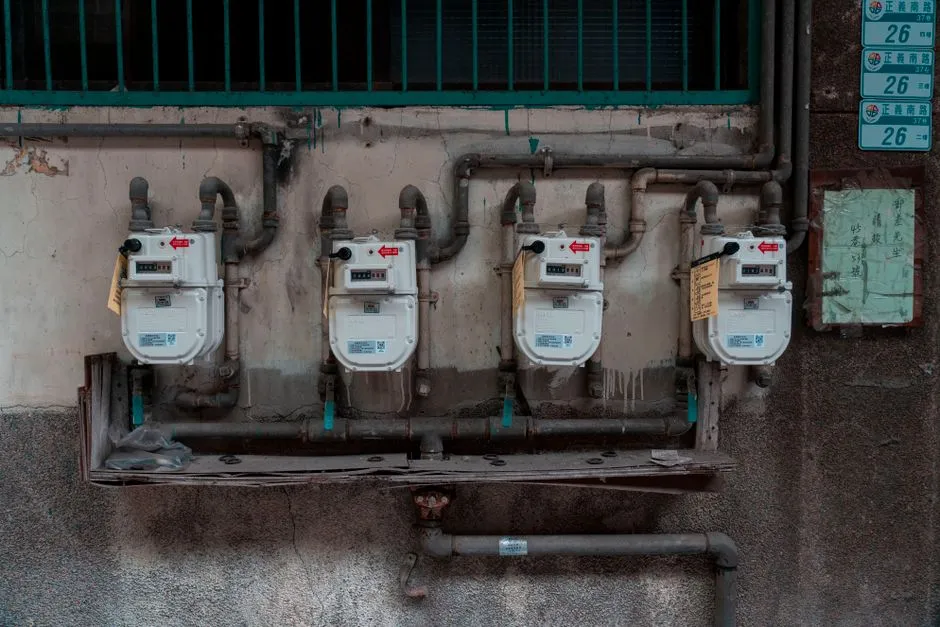
The treatment train should follow the contaminant profile: remove or condition what interferes with downstream treatment, then verify the remaining discharge against the applicable permit. Equipment selection remains process-specific rather than a universal sequence for every chemical plant.
- Screen and equalize. Equalization stabilizes flow and load before chemical feed or flotation. Fine screening protects pumps and downstream equipment from suspended solids, rags, plastics and fibrous debris. The GX Series rotary mechanical bar screen is specified for continuous-duty fine screening.
- Condition the wastewater. A PLC-controlled chemical dosing system can meter pH adjusters, coagulants, flocculants or specialty chemicals when the treatment objective requires controlled feed. The catalog configuration is skid-mounted, pre-wired and factory-tested.
- Remove floatables and solids. An industrial DAF system for chemical wastewater pretreatment is appropriate where oil, FOG and floatable solids are material contaminants. The published DAF range is 4–300 m³/h across 13 standard models, using micro-bubble flotation and automatic skimming.
- Add biological or membrane polishing only if required. The published MBR range is 10–2,000 m³/day and combines activated sludge with submerged PVDF filtration at less than 1 μm. These are catalog specifications, not evidence that either unit will satisfy a particular permit.
- Control residuals and manage solids. Final monitoring follows any required clarification or polishing. Accumulated sludge must have a defined dewatering and disposal route; the plate and frame filter press range is 1–500 m² with manual, hydraulic or fully automatic PLC-controlled operation.
| Process stage | Primary engineering purpose | Verified catalog specification | Permit-specific input still required |
|---|---|---|---|
| Fine screening | Remove suspended solids, rags, plastics and fibrous debris before downstream equipment. | GX Series rotary mechanical bar screen; continuous-duty fine screening. | Confirmed flow range, debris profile, required removal performance and discharge conditions. |
| Chemical dosing | Control pH or support coagulation and flocculation. | PLC-controlled, skid-mounted, pre-wired and factory-tested dosing system. | Target pH condition, chemical demand, storage and containment, feed rate and control response. |
| DAF | Remove oil, FOG, floatable solids and selected colloidal material. | 4–300 m³/h across 13 standard models; micro-bubble flotation with automatic skimming. | Design and peak flow, contaminant load, flotation performance objective and sludge route. |
| MBR | Provide biological treatment and membrane solids separation where required. | 10–2,000 m³/day; activated sludge with submerged PVDF filtration at less than 1 μm. | Required organic-removal performance, membrane design flow, solids loading and treatment objective. |
| Filter press | Reduce sludge volume before the approved disposal route. | 1–500 m² filtration area; manual, hydraulic or automatic PLC-controlled operation. | Sludge characteristics, batch volume, cake objective, operating cycle and disposal approval. |
This arrangement links physical removal, chemical conditioning, flotation, polishing and solids handling. The supplied academic sources did not provide a usable plant-specific process sequence, so the final train must be verified against the discharge permit, wastewater characterization and receiving authority requirements.
Match Equipment to the Wastewater, Not a Generic Chemical Profile
Equipment selection should begin with a named contaminant and treatment objective, then test candidate systems against actual flow, peak conditions, chemical demand and downstream handling. A chemical-plant label does not establish whether oil, FOG, suspended solids, biodegradable organics or a specific regulated constituent controls the design.
Compare at least these criteria:
- Contaminant fit and demonstrated treatment objective.
- Average, peak and batch flow conditions.
- Contaminant mass and load.
- Chemical consumption and storage needs.
- Available footprint and utilities.
- Sludge production, dewatering and disposal route.
- Control philosophy, maintainability and operator access.
- Discharge objective and required monitoring.
| If the wastewater profile identifies… | Evaluate… | Published equipment basis | Engineering evidence still needed |
|---|---|---|---|
| Oil, FOG, suspended solids and colloidal material requiring flotation. | DAF as the primary candidate. | 4–300 m³/h across 13 standard models. | Actual flow, batch volume, contaminant load, expected performance and permit objective. |
| A controlled feed for pH adjustment, coagulation or flocculation. | Automatic chemical dosing. | PLC-controlled, skid-mounted, pre-wired and factory-tested configuration. | Required chemical, dose range, storage basis, interlocks and treatment response. |
| Biodegradable organics requiring biological treatment and membrane solids separation. | MBR where capacity and performance objectives align. | 10–2,000 m³/day and less-than-1-μm filtration. | Organic load, hydraulic and solids loading, membrane objective and discharge condition. |
| Flocculated solids requiring compact separation. | Lamella clarification. | Published surface-loading rates of 20–40 m/h and up to 30% lower chemical consumption. | Verified flow, floc characteristics, design basis, chemical savings claim and downstream solids route. |
| Sludge requiring dewatering before disposal. | Plate and frame filter press. | 1–500 m² filtration area with manual, hydraulic or fully automatic PLC-controlled operation. | Sludge analysis, batch size, target cake condition, cycle time and disposal route. |
The lamella figures above are manufacturer-reported catalog specifications; they are not confirmed operating results for a Baltimore-area plant. A supplier should either provide project-specific substantiation or clearly label the value as a design assumption subject to the plant engineer’s review.
Do not fill missing permit limits, batch volumes or chemical demand with generic values. Where data is absent, identify it in the procurement schedule as an engineering input that must be obtained before final sizing. This separation is essential when comparing a high-efficiency sedimentation tank, an integrated MBR treatment system or a plate and frame filter press: catalog capability indicates equipment scale, not compliance.
For more process selection context, compare DAF versus clarifier for chemical wastewater. Use that comparison to frame technical criteria, not to import permit limits from another jurisdiction.
Prove Compliance Through Monitoring and Records?
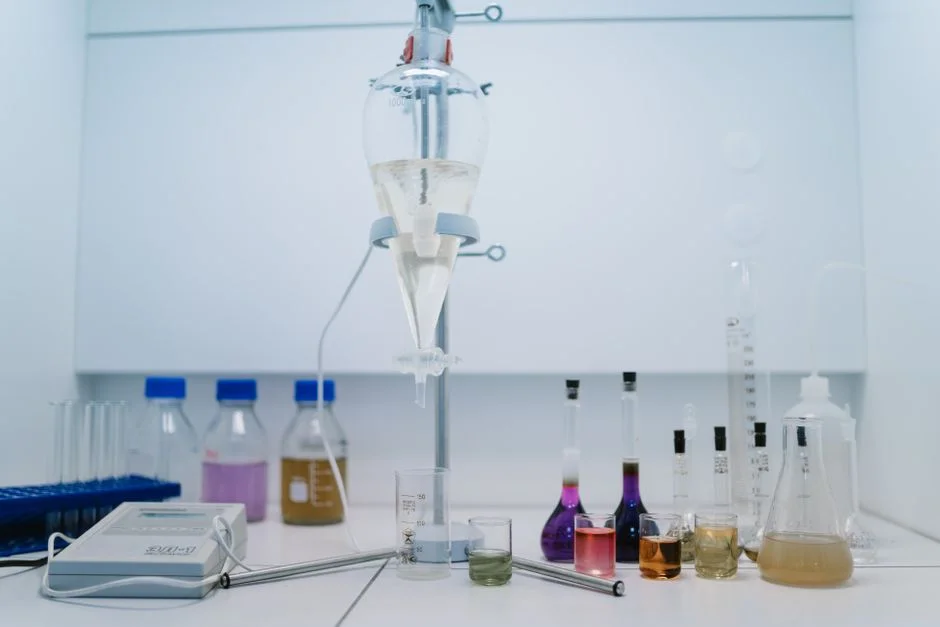
A compliant sample is evidence of one condition at one sampled time; a defensible compliance program connects the permit to operating controls, recurring verification and retained records. Every permit condition should therefore be translated into an operating limit, monitoring point, alarm, corrective action and retention requirement.
Build a permit-to-control register. For each accepted parameter, identify the applicable limit or prohibition, responsible operator, sampling point, method, frequency, instrument used, alarm response and reporting destination. If the authority requires continuous monitoring, event-based sampling or controlled discharge, the register must reflect that requirement exactly rather than relying on an end-of-pipe sample alone.
Track process data that explains treatment performance, including:
- Chemical dose and actual consumption.
- pH.
- Flow.
- Differential pressure where applicable.
- Float condition in a flotation system.
- Sludge level and solids-production observations.
- Equipment alarms, bypass events and downtime.
Define responses before an upset occurs. High pH, visible oil, DAF carryover, abnormal flow, sensor failure or downstream disturbance should each have an operator action, escalation path, hold or diversion decision where available, and notification rule. The response must be consistent with the permit and plant operating plan; it cannot create additional treatment capacity by itself.
Retain the documents that connect design intent to field performance: permit calculations, wastewater characterization, equipment drawings, operating logs, calibration evidence, chain-of-custody documentation, laboratory results, deviation investigations and corrective-action records. Preserve corrections and timestamps as part of the audit trail rather than recreating them after an event.
The two supplied academic sources did not yield usable operational findings for this monitoring framework. The openRxiv page for the 2023 assessment of United States sewer connectivity was blocked by a security-verification page, while the Elsevier DOI for the survey on real-time control of combined sewer systems resolved to a 404 page. Their inaccessible contents cannot support claims about Baltimore monitoring requirements, control response or recordkeeping practice.
Use the applicable POTW permit and approved plant procedures as the controlling evidence. A monitoring plan is complete only when its operating checks, samples, alarms and records map directly to the written requirements.
Ask These Questions Before Ordering a Pretreatment System?
A supplier should be able to identify the design inputs, treatment objectives and assumptions behind a proposed system. Ask for a documented process basis rather than accepting a model name or catalog capacity as the scope of supply.
- Request the complete process basis. It should address design flow, wastewater characterization, treatment objectives, utilities, controls, chemicals, sludge handling and discharge conditions.
- Separate facts from assumptions. The supplier should mark which values are confirmed, which are provisional and which require plant-engineer or sewer-authority approval.
- Review life-cycle inputs. Compare chemical use, energy demand, maintenance, consumables, control integration, operator training and emergency response—not acquisition cost alone.
- Define delivery and acceptance. Confirm submittal timing, fabrication, factory acceptance testing, delivery, installation sequence, commissioning criteria, operator training and post-commissioning support.
- Require traceability. Each drawing, control narrative, performance claim and test criterion should connect to the stated design basis and permit objective.
Ask bidders to identify unresolved engineering inputs explicitly, including missing flow data, batch volumes, contaminant loads, chemical demand and permit conditions. A supplier that substitutes generic values without qualification has not completed the compliance basis. Conversely, a complete submittal should show how the proposed equipment treats the characterized wastewater and how the plant will verify the result.
Budget review should also distinguish equipment price from the cost of implementing the process basis, integrating controls, preparing submittals, training operators and commissioning the complete train. The 2025 skid-mounted treatment plant pricing guide provides a broader pricing framework, but the supplied research provides no verified quotation for this Baltimore-area application. Request a project-specific quotation with the design basis, scope boundaries and acceptance criteria attached.
Frequently Asked Questions
What are the sewer pretreatment limits for a chemical plant near Baltimore?
The limits are permit-specific. Obtain the industrial user permit, wastewater discharge permit, sewer use ordinance and pretreatment requirements from the Baltimore-area POTW or other authority serving the plant’s discharge point. The supplied research contains no verified local numerical limits, so do not use generic pH, oil and grease, FOG, COD or solids thresholds without written authorization.
How much treatment capacity does a chemical plant need?
Size the system from a representative wastewater characterization, including average and peak flow, batch volumes, contaminant concentrations and resulting mass loads. Select equipment for the controlling condition, not the average alone. For DAF, MBR and dewatering selections, confirm that the project flow and batch conditions fall within the manufacturer’s stated basis and that the units can meet the treatment objective.
Should a Baltimore chemical plant use DAF or a clarifier?
Use DAF when the characterization shows that oil, FOG, floatable solids or colloidal material are the controlling contaminants and the required separation can be achieved by flotation. Evaluate a clarifier when flocculated solids separation is the primary objective and the design basis supports its hydraulic and solids-loading conditions. Compare contaminant fit, chemical demand, footprint, sludge route and required effluent performance rather than selecting by name alone.
How should a supplier demonstrate pretreatment compliance?
Require a documented process basis, control philosophy, sludge plan, commissioning evidence and a clear allocation of compliance risk. The submittal should identify confirmed inputs, assumptions and items requiring plant-engineer or sewer-authority approval. Catalog capacity alone is not a performance guarantee or proof of permit compliance.
What lead time should buyers allow for a chemical pretreatment system?
The supplied research provides no verified supplier lead time. Request a milestone schedule covering design completion, submittal approval, fabrication, factory acceptance testing, delivery, installation and commissioning. Because equipment configuration depends on the wastewater profile and unresolved permit conditions, an unconfirmed delivery date should not be treated as a reliable project commitment.