Which Treatment Fits a Transportation Equipment Factory?
Transportation-equipment factories should generally choose DAF when wastewater contains oil, grease, paint solids, or buoyant contaminants that must be removed before discharge or biological treatment. A conventional gravity or lamella clarifier is more suitable when the primary objective is settling heavier suspended solids with relatively low oil and grease. DAF requires coagulation or flocculation for reliable solids capture and skimming, while clarifiers depend on settling behavior and sludge handling. Final selection requires measured flow, TSS, FOG, oil and grease, particle buoyancy, pH, chemical demand, and discharge or sewer-limit data—not equipment capacity alone.
Start with two questions. First, is the primary objective to recover oil and other floatables, remove settleable solids, protect downstream biological or membrane treatment, or produce reusable water? Second, where will the clarified water go? A machine selected for appearance or catalog capacity may still fail if the wastewater contains emulsified oil, paint solids, rags, plastics, or production waste that fluctuates by shift and wash cycle.
Dissolved air flotation clarification uses conditioned solids and microbubbles to lift material to the surface, where a skimmer removes it. A conventional clarifier relies on gravity settling, while a lamella clarifier uses inclined plates to improve separation of settleable material in a compact structure. For a transportation equipment manufacturing wastewater train, the equipment name is only one part of the decision.
A complete pretreatment train may require source segregation and equalization, screening, chemical conditioning, solids separation, biological treatment where soluble organics remain, and sludge handling. A rotary mechanical bar screen can protect downstream pumps and treatment equipment from fibrous debris, plastics, and larger solids. For flotation, the available industrial DAF system for factory wastewater and lamella clarifier for settleable industrial solids should be compared as alternatives within that train, not as stand-alone compliance systems.
Environmental evidence must be applied cautiously. A 2019 University of Guelph life-cycle study in The Atrium found that on-site treatment could reduce some environmental impacts relative to municipal treatment in fruit processing, although results varied by impact category and the work was not transportation-specific. It supports comparing treatment alternatives; it does not establish a Searcy equipment selection or performance guarantee.
DAF and Clarifier Compared by Wastewater Stream
DAF is usually the stronger candidate when the waste stream contains free or emulsified oil, FOG, paint solids, or buoyant material, provided chemical conditioning can create particles that attach to microbubbles. A lamella or gravity clarifier is usually better for heavier, readily settling solids with low FOG and limited dependence on buoyancy.
| Transportation-equipment wastewater stream | Preferred starting point | Reason | Design caution |
|---|---|---|---|
| Vehicle or trailer wash water | Evaluate DAF after screening and equalization | Oily wash water can contain floatable material, solids, and detergents | Check emulsified oil, pH, chemical demand, and wash-cycle variability |
| Oily assembly-floor runoff | DAF with confirmed chemical conditioning | DAF can lift oil and buoyant solids after floc formation | Separate free oil from emulsified oil and verify sludge handling |
| Paint-bearing process water | DAF, subject to a wastewater-specific trial | Paint solids may be too buoyant for reliable gravity settling alone | Determine paint chemistry, solids behavior, pH, filtration needs, and residue disposal route |
| Floor sweeping wash | Clarification may be adequate if solids settle readily | Heavy particulate matter may separate by gravity with limited oil | Measure settleable solids and identify rags, plastics, and abrasive grit |
| Coolant or cutting-fluid streams | DAF when oil and colloids dominate; otherwise test the actual stream | Free oil and emulsified coolant respond differently to separation methods | Assess soluble COD, metals, toxicity, reuse requirements, and whether source control is preferable |
Neither DAF nor a lamella clarifier independently resolves soluble COD, dissolved metals, nutrients, or toxicity. Those constituents require additional process design, such as biological treatment, adsorption, oxidation, or another validated step. For example, if clarified water will enter a membrane system, the relevant objective may be membrane protection rather than final discharge compliance.
Screening should occur early. A mechanical bar screen removes larger solids and fibrous debris that could interfere with pumps, chemical mixing, flotation, or sludge withdrawal. DAF then remains an industrial DAF system for factory wastewater only if conditioning and skimming are included in the design basis; a lamella option should be specified as a lamella clarifier for settleable industrial solids only when settling behavior supports that selection.
The Process Flow Determines the Equipment Train
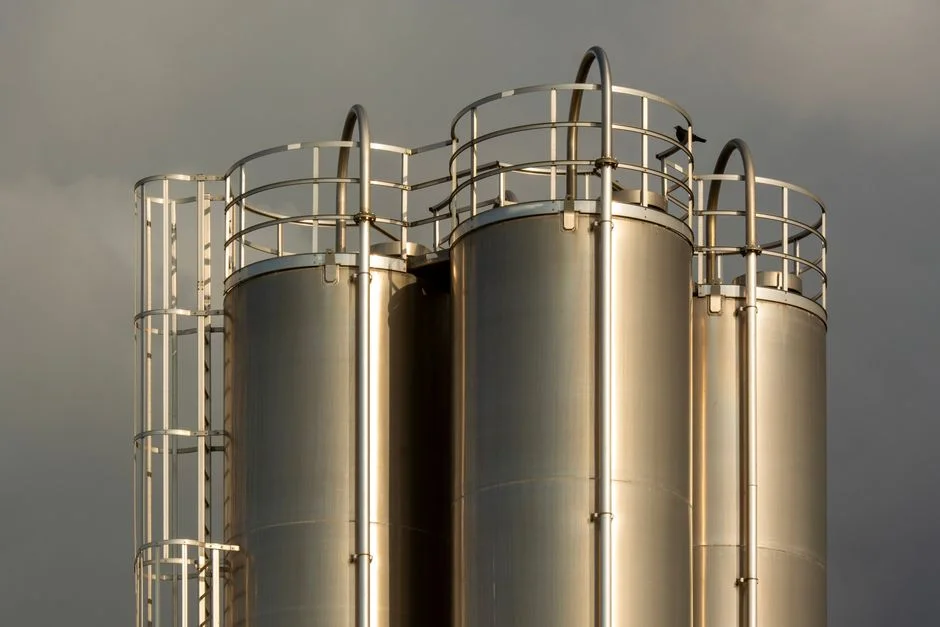
Reliable pretreatment depends on the sequence and interfaces between unit operations, not on the flotation or clarification tank alone. The proposed flow should be reviewed in this order:
- Segregate clean stormwater, wash water, oily runoff, paint-bearing process water, floor washing, and coolant streams where practical.
- Equalize the selected wastewater streams and account for production shifts, wash cycles, cleaning events, and shutdown discharges.
- Screen out larger solids, plastics, rags, and fibrous material.
- Adjust pH and add coagulant or flocculant where required for the identified contaminant behavior.
- Flock the conditioned wastewater before flotation or clarification.
- Remove floated material and settleable sludge.
- Provide downstream biological or membrane treatment where the effluent objective requires it.
- Monitor the final effluent against the facility’s current permit or sewer requirements.
Clearwater Industries states that proper coagulation and flocculation are essential for optimal DAF performance. Its April 2026 equipment description identifies serpentine flocculator mix tubes or chemical mix tanks as methods for conditioning the solids before they enter the flotation cell. A bid should therefore include a mixing step, defined detention and mixing criteria, and a rational chemical dose—not only a DAF reactor.
DAF solids handling has two paths. Paddle skimmers remove the floated material, while heavier solids collect in the bottom zone and are withdrawn with an auger. Clarifier designs may use flocculation, sludge recirculation, and inclined plates to improve separation within a compact structure. In either case, the sludge stream needs its own volume, consistency, dewatering, and disposal basis.
That basis should include an industrial sludge dewatering filter press where recovered DAF or clarifier sludge must be reduced before disposal. A PLC-controlled coagulant and flocculant dosing system can be specified where automatic dose control and operating visibility are required. If the downstream objective is biological treatment or membrane reuse, verify the connection between pretreatment and the next unit rather than treating those systems as interchangeable.
Size the System From Measured Wastewater Data
A defensible size is based on measured hydraulic and contaminant loading, not on peak flow alone. Request time-weighted characterization across representative production, wash-down, cleaning, and shutdown periods. The data package should include flow, TSS, FOG, oil and grease, settleable solids, particle-size distribution, pH, temperature, COD, conductivity, applicable metals, and observed variability.
Use supplier ranges to frame a request for quotation, not to bypass engineering. HydropureWater lists 13 standard DAF models spanning 4–300 m³/h; that is a catalog-selection range, not an application guarantee. Each proposed unit still needs to be checked against peak flow, contaminant loading, air requirements, surface area, chemical demand, and required effluent quality.
Clearwater Industries’ April 2026 description says its COMPACT DAF handles flows of 66 GPM or less on a single skid and uses a modular two-skid arrangement for higher flows. That is an example of modular packaging, not a universal sizing rule. DAF Corp states that its systems cover 48–11,000 GPM and publishes application-specific TSS results; those are supplier-reported figures and must be verified for the factory’s wastewater and selected duty point.
| Sizing input | Evidence needed | Use in selection |
|---|---|---|
| Hydraulic duty | Continuous, peak, and equalization flow; wash and shutdown events | Check vessel hydraulics, transfer capacity, equalization, and treatment time |
| Contaminant loading | Representative TSS, FOG, oil and grease, settleable solids, and particle behavior | Determine whether flotation or settling is the appropriate separation mechanism |
| Conditioning | pH, coagulant and flocculant demand, mixing requirements, and variation | Size the chemical system and confirm that the selected process can form separable floc |
| Air and recycle | Required air saturation and recycle flow from the design calculation | Size compressors, saturator, recycle pumps, and controls |
| Sludge | Expected solids yield, oil content, consistency, and disposal route | Size collection, withdrawal, thickening, and dewatering |
| Effluent objective | Current permit or sewer criterion, downstream process needs, and reuse target | Define the required result and whether further treatment is mandatory |
Where wastewater is variable or uncertain, start with laboratory jar testing and then conduct an on-site industrial wastewater pilot testing program. DAF Corp explicitly says a comprehensive wastewater study is often warranted and offers laboratory feasibility analysis and on-site pilot studies. The pilot should challenge the proposed chemical program, solids-removal mechanism, operating range, sludge generation, and effluent target using actual factory wastewater.
Compare Purchase and Operating Risk
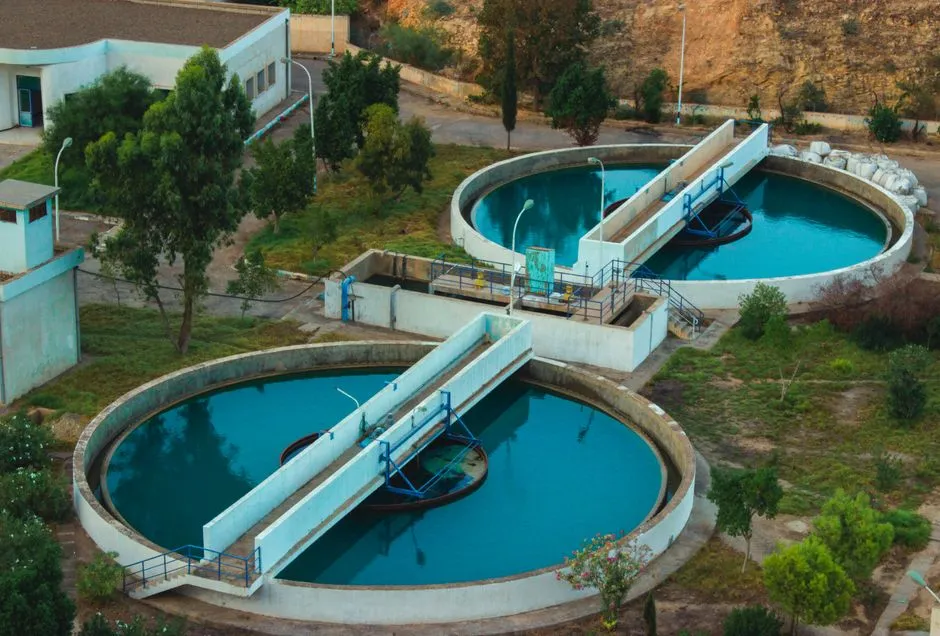
The relevant purchase comparison is the delivered treatment scope, not the reactor price alone. A DAF proposal should identify the reactor, recycle saturator, microbubble generation, chemical conditioning, mixing or flocculation, skimmer, bottom-solids withdrawal, controls, utilities, installation, commissioning, and performance acceptance. A lamella proposal should identify flocculation, sludge recirculation, inclined-plate separation, sludge withdrawal, controls, utilities, installation, and acceptance testing.
| Risk area | DAF | Lamella or gravity clarification | Buyer check |
|---|---|---|---|
| Capital scope | Adds reactor, recycle saturator, microbubble system, conditioning, and skimming | Adds inclined plates, flocculation, recirculation, and sludge withdrawal | Compare complete installed scopes, utilities, foundations, and controls |
| Operating burden | Requires conditioning chemistry, air generation, recycle flow, and attention to float and bottom sludge | Requires sludge recirculation, withdrawal, and settled-solids management | Assign duties, frequencies, and consumable costs to operators |
| Performance risk | Depends on effective conditioning, bubble contact, and suitable flotation behavior | Depends on settleability, plate condition, and sludge handling | Define measurable acceptance tests on actual wastewater |
| Downstream fit | Can protect biological or membrane processes when oil and floatables are removed | Can protect processes when the waste is predominantly settleable solids | Specify the downstream feed condition, not a generic “clarified” result |
| Reuse and disposal | May recover oil and support reuse in suitable applications | Produces a settled-solids stream and clarified liquid | Evaluate recovered oil, water quality, sludge consistency, and disposal cost |
Reuse belongs in the business case because DAF Corp describes closed-loop recycling for some applications, but suitability must be demonstrated with the actual process stream and subsequent treatment. The supplied research contains no current Searcy discharge or sewer limit. Buyers should obtain the facility’s permit and applicable pretreatment or sewer criteria instead of using a generic limit.
Cost claims need the same discipline. The cost drivers are flow and loading, materials, chemical conditioning, air and recycle equipment, sludge handling, controls, installation, and downstream treatment. A 2015 rendering-industry report described approximately $1 million in annual municipal-fee savings for a different Australian DAF project; that is an industry example, not a Searcy estimate or a transportation-equipment return on investment.
A Practical Selection and Procurement Checklist
A factory should not release a DAF or clarifier purchase before it has representative wastewater data and a defined separation objective. Collect samples across production, wash-down, cleaning, and shutdown periods rather than relying on one off-spec discharge. Record the sample source, time, flow condition, production activity, and field observations.
- Define the required result as oil recovery, solids removal, biological or membrane pretreatment protection, discharge compliance, or reuse.
- Segregate streams where their oil, paint, solids, pH, or reuse requirements differ.
- Ask each bidder to state the flow basis, contaminant-loading basis, chemical assumptions, guaranteed duty point, sludge estimate, utility needs, controls, installation boundary, and acceptance-test method.
- Require factory-specific performance data, laboratory testing, or a trial before scaling a train for variable oily or paint-bearing wastewater.
- Check that the proposed industrial DAF system for factory wastewater includes conditioning and solids handling, not just the flotation tank.
- Verify operator training, preventive-maintenance access, spare-parts availability, controls integration, and responsibility for sludge disposal before award. For procurement planning, identify valves, filter media, and other service items within the treatment parts and consumables scope.
Frequently Asked Questions
What does a DAF or clarifier for transportation equipment wastewater in Searcy cost?
There is no defensible price without measured flow, contaminant loading, treatment targets, site utilities, installation conditions, and sludge handling. Ask each bidder for a complete scope covering the treatment unit, chemical conditioning, air and recycle equipment, controls, installation, commissioning, and downstream work. Also request separate estimates for consumables, operator labor, maintenance, and sludge disposal. The 2015 rendering-sector example of approximately $1 million in annual municipal-fee savings came from a different project and cannot be used as a Searcy budget.
How should a factory select and size a DAF or lamella clarifier supplier?
Require a wastewater-specific design basis, not only a catalog selection. The bidder should identify its flow and loading assumptions, chemical program, selected treatment mechanism, expected sludge quantity, utilities, controls, installation boundary, and measurable acceptance criteria. Give preference to suppliers that support laboratory testing or an on-site pilot with actual factory wastewater. Supplier flow ranges are screening references, not project guarantees.
Is DAF enough to comply with discharge and pretreatment requirements?
No. DAF is a solids and floatables separation step, not a complete treatment system. Soluble COD, dissolved metals, nutrients, and toxicity may require biological, membrane, adsorption, oxidation, or other validated treatment. The selected equipment must be checked against the facility’s current permit and applicable local pretreatment or sewer requirements. The supplied research provides no Searcy-specific numeric limit, so request the governing criteria in writing before final sizing or acceptance testing.
When is a conventional clarifier preferable to DAF?
A gravity or lamella clarifier is generally preferable when the wastewater is dominated by heavier solids that settle readily, oil and grease are low, and there is little dependence on buoyancy. Floor-sweeping wash water may fit that profile, but the decision still requires sampling. A PLC-controlled coagulant and flocculant dosing system may still be necessary if the measured solids do not settle reliably. Confirm settleability, sludge withdrawal, and downstream effluent needs before choosing the conventional route.