Which rules control a mine discharging to a sewer near Ely?
A mine or metals facility discharging to a municipal sewer near Ely must comply with the receiving publicly owned treatment works’ pretreatment requirements, while any separate point-source discharge to surface water may also require an NPDES permit. The U.S. EPA industrial wastewater framework states that point-source discharges from mining operations, including associated impoundment discharges, require NPDES authorization (U.S. EPA, Industrial Wastewater). Sewer-discharge limits are instead enforced through the POTW’s pretreatment program under 40 CFR Part 403. A facility with both types of outfalls therefore needs to resolve both regulatory pathways. For the treatment design, begin with the current NPDES permit, the receiving POTW’s sewer-use ordinance and pretreatment limits, the applicable categorical subcategory under 40 CFR Part 440, recent monitoring data and a 12-month influent characterization. Any zinc or copper value cited elsewhere as representative is not automatically an Ely limit.
| Document or authority | What it controls | Decision to resolve |
|---|---|---|
| NPDES permit | Point-source discharges to waters of the United States | Which surface-water outfalls, monitoring conditions and discharge limits apply? |
| POTW sewer-use ordinance and pretreatment limits | Industrial wastewater entering the municipal collection system | What are the controlling local limits, monitoring rules, fees and enforcement provisions? |
| 40 CFR Part 403 | National pretreatment framework administered by the POTW | Which local limits, reporting requirements and categorical provisions apply? |
| 40 CFR Part 440 | Federal metal-mining categorical standards | Which subcategory and pollutant limitations apply to the actual operation? |
| Monitoring and operating records | Observed flow, chemistry and compliance performance | What design envelope and recurring failure modes must the train handle? |
The practical sequence is document-first. Do not treat a national or regional example as an Ely requirement. The controlling equipment basis is the current POTW requirement combined with any applicable categorical standard and the facility’s verified wastewater characteristics. The POTW sewer-limit compliance checklist and industrial sewer pretreatment compliance process provide useful document-review frameworks, but the local receiving POTW remains the decision authority for sewer discharge.
Characterize the wastewater before selecting treatment equipment
A treatment train should be sized from a 12-month influent characterization, not from a single grab sample or a catalog flow rate. The supplied HydropureWater regional reference identifies the 12-month characterization, current NPDES permit, POTW limits, categorical subcategory and recent Discharge Monitoring Report data as required design inputs (HydropureWater, 2026 regional reference). The characterization should establish whether the discharge is acidic mine drainage, contact water, process water, washdown or a blend, because segregation can reduce the chemical and solids load reaching the metals-removal steps.
Screen for suspended solids, acidity or alkalinity, metals, metalloids such as iron, arsenic and manganese, and any oil, grease or colloids associated with the operation. Flow variation and batch-discharge events are equally important. HydropureWater’s 2026 pretreatment reference recommends equalization based on 8–24 hours of average daily flow and design for peak 2-hour flow with 20–30% turndown capacity. Those values are design inputs to verify against the actual operation, not automatic Ely requirements.
| Characterization item | Why it affects equipment selection | Required record |
|---|---|---|
| Flow and discharge timing | Sets equalization volume, peak capacity, pumping and turndown | Continuous flow records plus batch and clean-out events |
| pH, acidity and alkalinity | Determines neutralization demand and metal-hydroxide precipitation conditions | Diurnal sampling and acid/base titration |
| Metals and metalloids | Defines precipitation, solids separation and polishing objectives | Laboratory analysis with controlled sampling points |
| TSS, oil, grease and colloids | Influences coagulation, DAF selection and filter loading | Solids and oil/grease characterization |
| Waste stream origin | Allows segregation of difficult streams | Plant drainage map and sampling by process area |
| Historical compliance | Shows recurring excursions, but does not establish future capacity | Recent DMRs, sampling records and operating logs |
Use DMR data and operating records as supporting evidence, then confirm current permit conditions. Complete jar testing before fixing pH targets, coagulant and flocculant doses, clarification loading or filtration rates. The PLC-controlled pH and coagulant dosing system can then be specified against measured control requirements rather than assumed chemical demand.
Build a treatment train that removes metals before sewer discharge
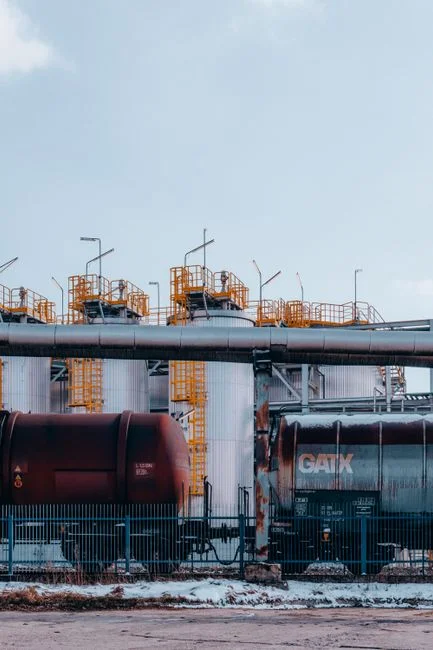
The defensible sequence is equalization → pH adjustment → coagulation/flocculation → clarification → filtration → optional disinfection, with sludge handling connected to the solids-generating steps. Each block has one control objective and one verification gate. If a block is skipped, downstream equipment must carry the failure, increasing chemical consumption, solids carryover and compliance risk.
- Equalization: Dampen batch releases and smooth flow before treatment. Verify the basin can contain the required operating envelope and that its outlet does not pass untreated peaks.
- pH adjustment: Restore the pH needed for treatment. Genesis Water Technologies’ Mining Water Treatment: How to Meet Stricter Standards identifies pH adjustment as the first step because it improves water quality and helps dissolved metals precipitate. Without controlled pH, downstream precipitation and filtration are less reliable.
- Coagulation and flocculation: Aggregate suspended solids and small metal particles into larger flocs for clarification and post-filtration, according to the Genesis Water Technologies guide.
- Clarification: Remove settled or floated metal-bearing solids. Verify metal-hydroxide carryover and sludge concentration rather than relying on visual clarity alone.
- Filtration: Remove residual suspended solids and colloidal material before discharge. Verify turbidity, TSS and the locally controlled metals parameters at the required sampling point.
- Optional disinfection: Add only if the POTW ordinance or discharge characteristics require it, then demonstrate the specified residual under the receiving authority’s protocol.
| Treatment block | Principal failure mode | Verification gate |
|---|---|---|
| Equalization basin | Batch peak passes through to clarification | Level, flow and batch-event response |
| pH adjustment | Metals remain dissolved or hydroxide chemistry is disturbed | Controlled pH trend and metal-removal response |
| Coagulation/flocculation | Fine particles pass through or sludge blinds | Dose response, floc quality and solids capture |
| Clarification | Solids carryover during peak flow | Effluent TSS and locally controlled metals |
| Filtration | Residual solids exceed limits | TSS, turbidity and metals sampling |
| Optional disinfection | Required residual is absent or excessive | POTW-specified residual and reporting protocol |
| Sludge handling | Wet sludge creates storage, transport or leachate risk | Solids characterization, dewatering and disposal route |
The Genesis Water Technologies guide also identifies corrosion inhibitors, ion exchangers and biocides as ancillary chemicals used to prepare water for filtration and protect wastewater systems. Their need must be demonstrated by the chemistry; they should not be added automatically. For solids removal, compare an industrial DAF system for mining wastewater with a high-efficiency sedimentation tank, and use a multi-media filter where polishing is required.
HydropureWater’s 2026 regional reference lists representative POTW values of zinc at 0.3–1.0 mg/L monthly average and copper at 0.3–0.5 mg/L monthly average. Those values are examples, not verified Ely limits. Tighter local limits or residual soluble metals may justify additional treatment, but no unit should be added without jar testing and a reviewed process basis.
Choose DAF or lamella clarification for the solids load
DAF is the stronger candidate when oil, grease, fine colloids or low-density precipitates are important; lamella clarification is generally more suitable for predominantly metal-bearing sludge when footprint is constrained. HydropureWater’s 2026 pretreatment reference gives DAF a surface-loading range of 5–25 m/h and lamella clarification rates of 20–40 m/h. These are design references, not guarantees of performance at an Ely site.
| Selection factor | DAF | Lamella clarification |
|---|---|---|
| Preferred solids character | Oil-coated material, colloids or low-density precipitates | Predominantly metal-bearing precipitate |
| Separation mechanism | Microbubbles float material for skimming | Inclined plates increase separation area in a compact structure |
| HydropureWater 2026 loading reference | 5–25 m/h | 20–40 m/h |
| Catalog coverage | 4–300 m³/h across 13 models | Sludge recirculation, flocculation and inclined-plate separation |
| Critical O&M issue | Air system, recycle saturation, skimming and float-sludge removal | Sludge blanket, plate fouling, withdrawal and solids handling |
| Key site check | Solids characteristics and skimming access | Available footprint and sludge density |
Actual loading and removal depend on chemistry, flow profile, floc properties and site conditions; verify them through pilot testing or jar testing. For operators comparing DAF versus clarifier selection for mining wastewater, compare reagent demand, solids withdrawal frequency, controls, maintenance access, instrumentation and spare-part strategy—not just installed footprint and nameplate capacity.
A structured selection follows the waste character. If oil or colloids materially affect loading, test DAF. If the dominant load is metal-hydroxide sludge and space is constrained, test lamella. If both fractions are significant, treat them as separate design questions rather than assuming one clarification device removes both equally well.
Protect the treatment system and the downstream sewer
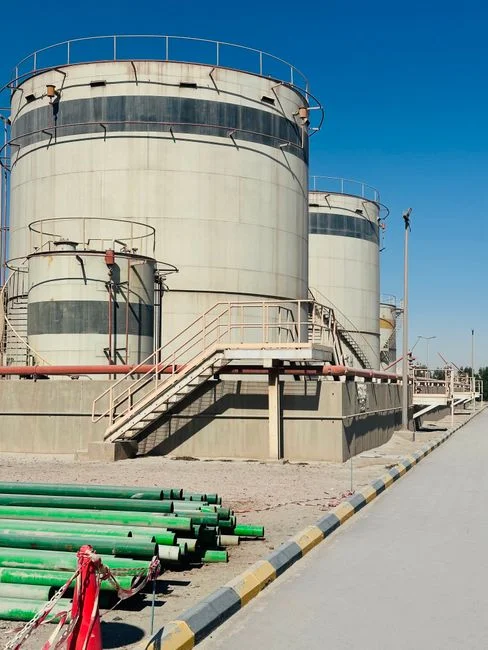
Final compliance depends on filtration, monitoring, optional disinfection and managed residuals, not on a visual check at the discharge manhole. HydropureWater’s 2026 pretreatment reference cites a 1–2 m/h filtration rate for a multi-media filter and differential-pressure-triggered backwash. Size the filter for its backwash cycle rather than average treatment flow alone. Verify the media arrangement, backwash recovery, filtrate quality and waste-stream routing through the reviewed design basis.
Add disinfection only when the receiving POTW’s ordinance or discharge characteristics require it. The same 2026 reference cites chlorine dioxide at 1–5 mg/L where residual disinfection is required, but that is not an Ely requirement; confirm the demand, residual and reporting method locally before selecting the chlorine dioxide generator.
Use ultrafiltration only when reuse or reverse-osmosis protection is a project requirement. HydropureWater’s UF system specification identifies 0.03 micron PVDF membranes, capacity from 2,000 to 40,000 L/h and influent turbidity up to 300 ppm. These specifications describe the offered system, not a requirement to add UF to a sewer-discharge train.
Metal-bearing sludge remains part of the compliance chain. HydropureWater’s 2026 pretreatment reference reports plate-and-frame dewatering to 25–35% dry solids; its plate-and-frame sludge dewatering press ranges from 1 m² to 500 m² filtration area. Confirm cake dry solids, filtrate quality, press cycle time, sludge volume and the permitted disposal route. Final acceptance should follow the POTW’s monitoring, sampling and reporting protocol, including its analytical methods, averaging periods and correction provisions.
Turn the compliance basis into a purchase-ready equipment scope
The purchase order should follow the documents and test results, not precede them. Require bidders to receive the current NPDES permit, POTW sewer-use ordinance and pretreatment limits, applicable categorical requirements, recent DMR data and 12-month influent characterization. This prevents a quoted clarifier or filter from being sized to an assumed limit that the receiving authority does not apply.
| Required submittal | Buyer check |
|---|---|
| Design basis | States average and peak flow, wastewater origin, chemistry and every engineering assumption. |
| Treatment objective | Maps each process block to a controlling parameter and measurable acceptance criterion. |
| Chemical consumption | Provides expected reagent demand, operating range and sensitivity to influent variation. |
| Sludge balance | Defines solids yield, dewatering duty, filtrate destination and disposal route. |
| Controls and redundancy | Identifies alarms, interlocks, duty/standby provisions and controls integration. |
| Commissioning criteria | Defines sampling points, analytical methods, averaging periods and correction events for performance guarantees. |
| Lifecycle support | Identifies operator workload, media and reagent consumption, maintenance, spare parts and support. |
Use permit requirements and monitoring history to determine whether equalization, clarification, filtration, disinfection or reuse polishing is actually required. The industrial DAF system for mining wastewater and PLC-controlled pH and coagulant dosing system should be quoted against that basis. Require jar-testing results and pilot evidence where needed before final sizing. A defensible guarantee must map to the controlling local limit, not to a representative industry value or an undefined “compliance” statement.
Frequently Asked Questions
What pretreatment limits apply to a mining or metals plant near Ely?
The receiving POTW’s current sewer-use ordinance and pretreatment limits control sewer discharge. Use 40 CFR Part 403, the applicable categorical subcategory under 40 CFR Part 440 and state requirements as inputs, but verify the facility’s classification and current local limits. Representative zinc and copper values cited by HydropureWater in 2026 are not established Ely limits.
How should an operator size equalization and treatment equipment?
Use a 12-month influent characterization, peak 2-hour flow and the recurring batch-discharge profile. HydropureWater’s 2026 pretreatment reference identifies 8–24 hours of average daily flow for equalization and 20–30% turndown capacity. Confirm those design inputs through operating records and jar tests before selecting an industrial DAF system for mining wastewater or filtration equipment.
Should an Ely-area plant choose DAF or lamella clarification?
Choose DAF when oil, grease, colloids or low-density precipitates are material; favor lamella when metal-bearing sludge dominates and footprint is constrained. HydropureWater’s 2026 reference cites DAF loading of 5–25 m/h and lamella loading of 20–40 m/h. Test the actual solids before selecting, because chemistry and flow conditions govern performance.
How should a buyer control equipment cost and supplier-selection risk?
Request itemized chemical consumption, sludge yield, power demand, operator workload, maintenance, controls integration, commissioning criteria and written performance guarantees tied to the controlling POTW limits. Do not accept a price based on representative limits alone. Require the bidder to disclose assumptions and provide the permit, characterization, jar-test and pilot basis used for final sizing.