Which Treatment Should a Paragould Factory Choose?
Choose DAF when wastewater contains floatable oil, grease, colloids, or relatively low-buoyancy solids that need to be lifted and skimmed. Choose conventional sedimentation or a lamella clarifier when the primary objective is settling heavier suspended solids. Many plants need both: clarification removes heavy solids, while DAF handles oil and floating material. A Paragould factory should base its 2026 decision on wastewater characterization, chemical jar testing, flow and load variation, available footprint, sludge handling, and applicable pretreatment or discharge requirements.
The term “clarifier” is not a sufficient equipment specification. A conventional clarifier relies on gravity settling; a lamella clarifier adds inclined plates to increase effective separation area. A buyer should compare the proposed separation mechanism, hydraulic loading basis, solids collection method, chemical system, footprint, controls, and sludge route.
For a plant near Paragould, regional identity does not determine the process. A metalworking wastewater stream with free oil may suit an industrial DAF system, while a mineral-processing stream dominated by heavy, settleable particles may favor a lamella clarifier. A mixed stream may require clarification followed by flotation.
HydropureWater’s lamella product data lists a surface-loading specification of 20–40 m/h. That is a catalog value for the lamella design, not a universal capacity or guaranteed performance result. The final choice must be tied to representative wastewater, tested operating conditions, and the receiving authority’s applicable requirements.
How DAF and Clarifiers Separate Wastewater Solids
DAF separates solids by flotation, while a lamella clarifier separates them by gravity settling through inclined plates. These mechanisms suit different fractions of the wastewater, and both can produce settled sludge as well as separated floating material.
According to Clearwater Industries, a DAF system starts with clean water. A recirculation pump draws clarified water into a pressurization and saturation system, where pressurized air dissolves in the water. When that water is released into the flotation tank, microbubbles measuring 30–50 micrometers form, attach to impurities and flocculated particles, and carry them to the surface. A skimmer removes the floating sludge into a collection trough, while clarified water is recovered. Most DAF systems also include a sediment compartment and bottom sludge extraction.
By contrast, the supplied lamella product data describes a compact arrangement that combines sludge recirculation, flocculation, and inclined-plate separation. The plates increase available settling area, allowing the unit to address settleable suspended solids within a smaller structural footprint than an unconstrained comparison would imply. The exact capacity still depends on the proposed hydraulic design and wastewater loading.
| Feature | DAF | Lamella clarification |
|---|---|---|
| Primary mechanism | Microbubbles attach to conditioned particles and lift them to the surface | Conditioned particles settle through inclined-plate separation zones |
| Best-fit material | Oil, grease, colloids, impurities, and solids with low specific gravity | Suspended solids that can be conditioned and settled |
| Solid removal route | Surface skimming plus bottom withdrawal of heavier settled solids | Sludge recirculation and withdrawal from the sedimentation zone |
| Conditioning dependence | Floc size and bubble attachment strongly affect flotation | Flocculation and sludge recirculation support settling performance |
| Key operating dependency | Clean water for startup and recirculation of clarified water for bubble generation | Hydraulic loading, flocculation, recirculation, and sludge withdrawal |
| Treatment boundary | Does not replace validated treatment for dissolved metals, salts, or soluble organics | Does not replace validated treatment for dissolved metals, salts, or soluble organics |
Neither device should be credited with removing dissolved contaminants without supporting data. The cited DAF literature supports separation of suspended solids, oil, grease, and colloidal matter. If the permit also addresses dissolved metals or soluble organics, the treatment train may require precipitation, biological treatment, filtration, or another validated process.
Mining and Metals Wastewater Selection Criteria
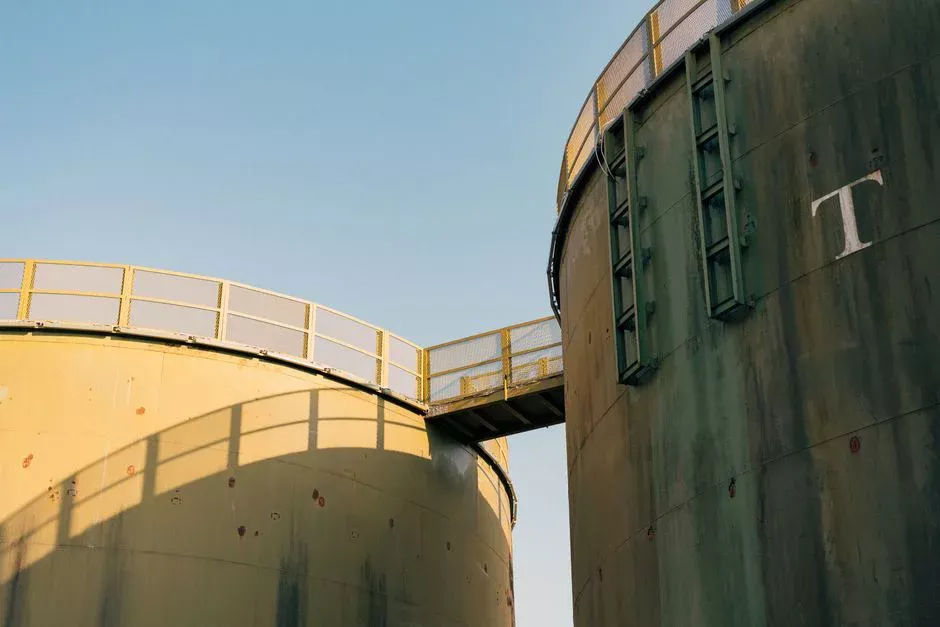
The strongest DAF application is a stream containing oil, grease, suspended solids, or low-specific-gravity material; the strongest lamella application is a stream dominated by settleable solids that can be flocculated and withdrawn as sludge.
Clearwater Industries identifies DAF as suitable for wastewater containing solids, oils, greases, and impurities that float or have low specific gravity. The same source notes that DAF systems also manage streams containing material that settles, so a DAF unit does not imply that every particle is removed by flotation alone. The decision depends on which fraction controls performance and compliance.
| Application condition | Initial equipment direction | Evidence to obtain before selection |
|---|---|---|
| High oil and grease | DAF as the primary flotation stage | Oil-and-grease characterization, emulsion behavior, pH, temperature, and required removal |
| High settleable-solids load | Conventional sedimentation or lamella clarification | TSS, particle-size distribution, settling characteristics, and hydraulic loading |
| Mixed heavy and floatable solids | Clarification followed by DAF, subject to testing | Fractions that settle, float, or remain colloidal; expected solids recovery and sludge volume |
| Low-buoyancy colloids | Conditioned DAF trial | Coagulant and flocculant screening, mixing time, pH, and bubble attachment |
| Variable plant flows | Equipment with verified turndown and load-control provisions | Peak and average flow, production cycles, clean-up discharges, and operating availability |
HydropureWater’s catalog lists DAF capacities of 4–300 m³/h across 13 standard models and identifies metalworking among the covered applications. These figures provide a preliminary screening range, not a selection. HydropureWater also states that its lamella design uses up to 30% less chemical than other treatment systems, but the catalog claim applies only to that product comparison; it should not be treated as a universal consumption guarantee for every Paragould wastewater.
The lamella product specification of 20–40 m/h surface loading must also remain product-specific. Buyers should obtain the proposed separator area and design loading calculation so the quoted range can be checked against tested flow and solids load.
Before requesting equipment, assemble:
- Average and peak flow, operating shifts, production cycles, and clean-up discharges.
- TSS, oil and grease, settleable solids, particle-specific gravity, and settling observations.
- pH, relevant metals, and separate soluble and particulate metal fractions.
- Required effluent use, available footprint, utility constraints, and control-system requirements.
- Expected sludge characteristics, withdrawal method, and downstream disposal or dewatering route.
Evaluate automatic chemical dosing as part of the treatment train, not as an accessory added after the separator is purchased.
Chemical Conditioning Changes the Equipment Decision
Chemical conditioning can determine whether DAF or lamella clarification will perform reliably, so the separator should not be selected independently from the dosing and mixing system.
Clearwater Industries reports that coagulants and flocculants are regularly used before DAF. It also states that coagulation and flocculation increase solids-removal efficiency and create a thicker, more dewatered sludge that may require little or no further dewatering. Those outcomes are application-dependent and must be confirmed through testing on the actual wastewater.
The source describes two conditioning formats. Serpentine flocculation tubes provide flash mixing of 15–45 seconds and include dosing locations for coagulants, pH adjustment, and polymer flocculant. Chemical mix tanks use impeller agitators and variable contact time when chemicals require longer mixing. Clearwater Industries specifically identifies jar testing as necessary to establish appropriate mix-tank contact time.
The test should compare chemical type and dose, pH adjustment, mixing energy and time, settling rate, floatability, sludge yield, and dewatering behavior. DAF performance depends on producing flocs that attach to microbubbles and remain recoverable at the surface. Lamella performance depends on forming flocs that settle into the collection zone with the required hydraulic behavior. A chemical that performs well in one separation path may not be the best choice for the other.
Do not accept a chemical dose from an equipment catalog as a project value. The buyer should request the tested dose, operating pH range, contact time, chemical consumption assumptions, and verification method. This also prevents a mismatch between the separator and the dosing system.
For controls and application engineering, review the flocculant dosing unit engineering guide and require PLC-controlled injection of coagulants, flocculants, and pH adjusters where those functions are needed. Automatic dosing should be specified around measured process conditions, verified chemical preparation, alarms, and operator access rather than a pump-speed label alone.
Compare Capacity, Footprint, Sludge, and Operations
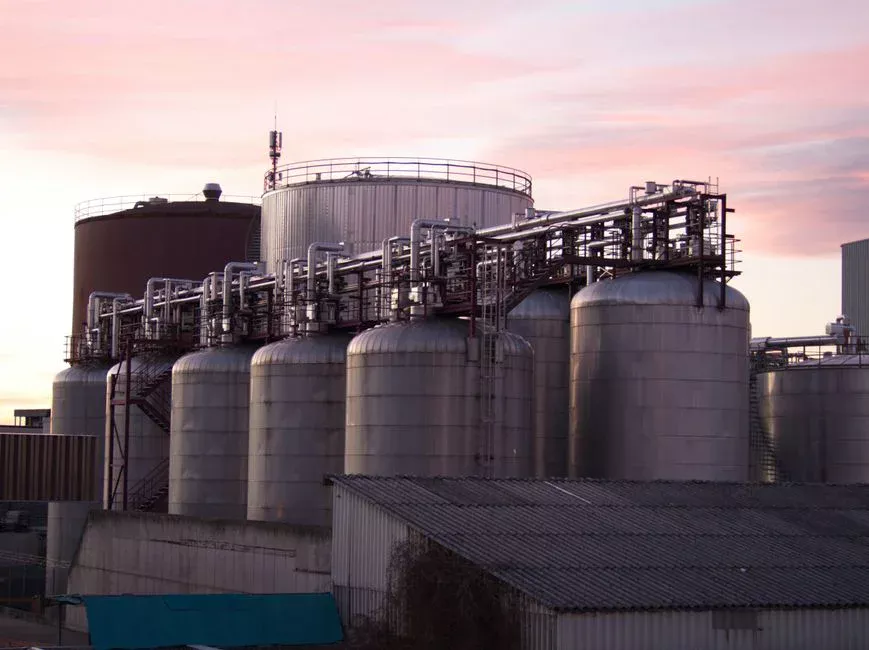
DAF is the stronger candidate for floatable material; lamella clarification is the stronger candidate for heavy settleable solids. Capacity claims are useful only when tied to the proposed wastewater load and the supplier’s hydraulic basis.
| Procurement factor | DAF | Lamella clarifier |
|---|---|---|
| Separation mechanism | Flotation with attached microbubbles and surface skimming | Flocculation, recirculation, and inclined-plate settling |
| Best-fit pollutants | Oil, grease, colloids, and low-specific-gravity solids | Heavy or readily settleable suspended solids |
| Standard capacity evidence | HydropureWater: 4–300 m³/h across 13 models | HydropureWater: 20–40 m/h surface loading |
| Modular configuration evidence | SigmaDAF COMPACT: one skid for 66 GPM or less; modular two-skid arrangement for larger flows | Product data describes a compact structure integrating sludge recirculation, flocculation, and inclined plates |
| Footprint implications | Requires a flotation tank, recycle equipment, air saturation, skimming, and sludge collection | Compact inclined-plate structure, but total footprint must include flocculation, recirculation, and sludge handling |
| Chemical-conditioning role | Builds bubble-contactable flocs | Builds settleable flocs and supports sludge recirculation |
| Sludge handling | Floating blanket plus heavier bottom solids | Recirculated sludge and withdrawn settled solids |
| Automation | PLC control can coordinate dosing, skimmer speed, and sludge discharge in the cited COMPACT design | Controls scope must be specified with the supplier |
| Principal maintenance concerns | Recirculation pump, air-saturation system, skimmer, sludge withdrawal, and control calibration | Recirculation, plate fouling, sludge withdrawal, and control calibration |
DAF has a process dependency that should appear in the operating plan: clean water must be available for initial filling, and clarified water is recirculated to the pressurization and air-saturation system. Starting with wastewater risks discharging untreated water and potentially damaging the recirculation pump and air-saturation system, according to Clearwater Industries.
Sludge handling should be specified from actual test results. A DAF unit produces a floating blanket and may also accumulate settled solids. A lamella system withdraws sludge from its separation zone. The downstream choice—whether plate-and-frame filtration is appropriate—depends on sludge volume, solids concentration, oil content, and dewatering performance. The research provides no defensible comparative cost, service-life, or exact footprint-savings values, so those items should remain open until vendors submit project-specific proposals.
A Practical Selection and Procurement Workflow
Use a staged decision process that moves from wastewater characterization to pilot evidence, then to procurement and permit verification.
- Collect representative samples. Include production, upset, shutdown, and clean-up periods rather than relying on one averaged sample.
- Characterize the waste fractions. Test TSS, oil and grease, settleable solids, particle-specific gravity, pH, and relevant metals, separating soluble from particulate metal fractions.
- Run comparative jar tests. Screen chemical conditioning, mixing time, floatability, settleability, pH, sludge yield, and dewatering behavior.
- Define the design basis. Establish peak flow, average flow, load variation, operating availability, footprint, utilities, controls, and sludge-disposal constraints.
- Issue application-specific requests. Require suppliers to identify the separator type, hydraulic basis, materials, controls, chemical system, startup procedure, and guaranteed performance basis in writing.
- Verify the regulatory route. Obtain the current permit, sewer-use or pretreatment limits, discharge destination, monitoring requirements, and applicable metals and TSS limits from the responsible authority.
Clearwater Industries and SigmaDAF recommend involving an application engineer to review flow rates, plant operations, and production goals before choosing equipment. That review should be tied to the site’s data and permit, not substituted by a generic model selection. The mining wastewater pretreatment guidance provides a useful starting point for identifying the receiving authority’s information, while mining wastewater pretreatment guidance for nearby Arkansas plants reinforces the need to verify applicable requirements rather than assume them.
The procurement request should ask each supplier to state what its equipment will treat, what it will not treat, how the design load was calculated, and how the proposed performance was established. Vendor specifications, pilot observations, and contractual guarantees are different evidence and should not be merged.
What Local Compliance Risk Should Buyers Address?
A DAF or clarifier purchase cannot establish discharge compliance; the complete treatment train must be evaluated against the site’s applicable permit and sewer requirements.
The supplied 40 CFR Part 261 material provides federal regulatory context. It states that industrial wastewater point-source discharges subject to regulation under section 402 of the Clean Water Act are excluded from solid-waste regulation in that specific context, but the exclusion does not apply while the wastewater is being collected, stored, or treated before discharge. That is not a Paragould permit limit, a metals limit, or a TSS limit.
Before finalizing the equipment basis, obtain the current permit and any sewer-use or pretreatment requirements from the responsible authority. Confirm the discharge destination, monitoring requirements, applicable metals and TSS limits, chemical restrictions, and sludge-handling obligations. Do not infer a local limit from a neighboring facility, a generic equipment guide, or a federal citation.
DAF and clarification are physical separation steps. Chemical conditioning, sludge management, downstream polishing, and the actual flow and load regime all affect compliance. The 2026 selection should therefore address the waste fractions present, validate the treatment train using representative wastewater, and obtain written confirmation of the applicable requirements before accepting a performance guarantee.
Frequently Asked Questions
How much does a DAF or clarifier cost for mining wastewater?
Request an itemized quotation covering the separator, chemical-conditioning equipment, controls, installation, utilities, sludge handling, commissioning, and lifecycle consumables. The supplied research contains no defensible project price, so do not use a generic cost per unit. Also require the quotation to state which performance results come from laboratory testing, pilot testing, prior installations, or guaranteed design criteria.
What size DAF or clarifier does a Paragould metals plant need?
Size from tested flow and load data, not a generic equipment rule. HydropureWater lists a DAF range of 4–300 m³/h across 13 standard models and a lamella surface-loading specification of 20–40 m/h. These are product catalog values with different scopes. Ask the supplier to show how peak flow, TSS, oil and grease, particle behavior, chemical conditioning, and operating availability produce the proposed size.
How should a buyer select a DAF or clarifier supplier?
Request a wastewater-specific proposal showing the proposed separator type, flow and load basis, material specification, controls scope, chemical system, startup plan, performance basis, and application-engineering review. Require the supplier to explain which contaminants its unit will remove and where additional treatment is required. A model capacity alone is not enough to compare vendors.
Can DAF alone meet a mining or metals discharge permit?
Do not assume so. Equipment selection must be separated from permit verification. Obtain the site’s current permit and applicable sewer or pretreatment limits from the receiving authority or permitting program, then validate the complete train—including chemical conditioning and sludge management—against the actual wastewater. A separator’s catalog claim is not evidence that the discharge complies.
Related Equipment
- industrial DAF system — specifications, capacity range, and technical data