Choose by contaminant behavior, not by the word clarifier
For mining and metals wastewater in Dillwyn, factories should not choose between DAF and a clarifier by equipment name alone. Choose a clarifier or lamella unit when dense mineral fines and tailings dominate and gravity settling is sufficient; choose DAF when oils, flotation reagents, emulsions, colloidal material or conditioned metal-bearing solids are the target. DAF uses 30–50 micron bubbles to float conditioned floc, while lamella clarification increases gravity-settling area without changing the mechanism. For mixed streams, evaluate a clarifier followed by DAF polishing against pretreatment and single-stage alternatives using site-specific jar tests and pilot data.
Dissolved air flotation is a flotation process. Pressurized recycle water releases micro-bubbles that attach to conditioned particles; the resulting aggregate rises and is removed by a skimmer. Clearwater Industries specifies 30–50 micron bubbles in its industrial DAF description, which was cited in the supplied 2026 research.
Clarification is gravity separation. Settleable particles move into a bottom collection zone, while lamella plates add effective settling area within a smaller tank footprint. The mechanism remains the same: dense material settles, but colloidal fines, oils, surfactants and dissolved metals can pass onward.
Commercial terminology can obscure this distinction. PEWE calls its systems “dissolved air flotation clarifiers,” even though flotation and gravity clarification are different processes. A 2026 specification should therefore state the separation principle, target contaminant fraction and performance duty rather than compare product names. An industrial DAF system for mining wastewater is not interchangeable with a high-rate lamella clarifier.
The first gate is the wastewater itself. Fluence states that DAF is not well suited to water containing high levels of heavier non-floating particles such as silt and clay. A raw tailings flow dominated by those particles therefore requires either gravity separation or pretreatment before flotation—not simply a larger DAF tank.
Map every Dillwyn wastewater source before comparing equipment
Mining wastewater cannot be designed safely from a site-wide average because the flow, contaminant fraction and batch behavior can change by source. Build a source-by-source map before selecting equipment, then characterize each stream under normal and peak conditions.
- Separate process discharge, tailings-thickener overflow, mill discharge, washdown, contact water and stormwater.
- Record continuous flow, peak flow, batch-discharge profiles and stormwater contribution.
- Sample total and dissolved metals, TSS, particle-size distribution, settleability, oils and grease, pH, temperature and alkalinity.
- Identify the site-relevant copper, lead and zinc fractions rather than reporting metals only as one combined result.
- Estimate solids generation and the resulting sludge-storage, dewatering and disposal duty.
| Wastewater source | Information required | Decision affected |
|---|---|---|
| Process discharge and mill discharge | Continuous and batch flow; TSS; particle size; oils and reagents; dissolved and particulate metals | Primary separator, equalization and chemical conditioning |
| Tailings-thickener overflow | Dense solids, settleability, peak solids loading and underflow correlation | Clarification, pretreatment and sludge capacity |
| Washdown and contact water | Event duration, grit, sediment, detergents and floor-cleaning inputs | Screening, grit removal and equalization |
| Stormwater | Runoff pathway, flow variability and contaminated versus clean separation | Segregation, diversion and peak treatment demand |
Metals analysis must distinguish dissolved metal from metal attached to settleable or floatable solids. Kemco states that DAF can remove metals, but reliable capture depends on conditioning the metal-bearing solids and separating the resulting floc. That does not mean every metal-bearing stream should have a DAF as its primary unit.
Grit, sand, gravel and other high-density material should be evaluated for pretreatment. Hydrocyclones and shaker screens are cited by Kemco as options, while a continuous-duty mechanical bar screen can protect downstream equipment from gross solids. No pretreatment device should be selected without characterization because flow, grit concentration, particle dimensions and maintenance constraints determine the duty.
An averaged sample can conceal a short solids spike, a washdown batch or a non-settleable fraction. It can make two bidders size different mechanisms from the same apparent flow while missing the actual peak mass load. Source-separated data and event sampling create a defensible comparison basis.
Match each contaminant fraction to the separation mechanism
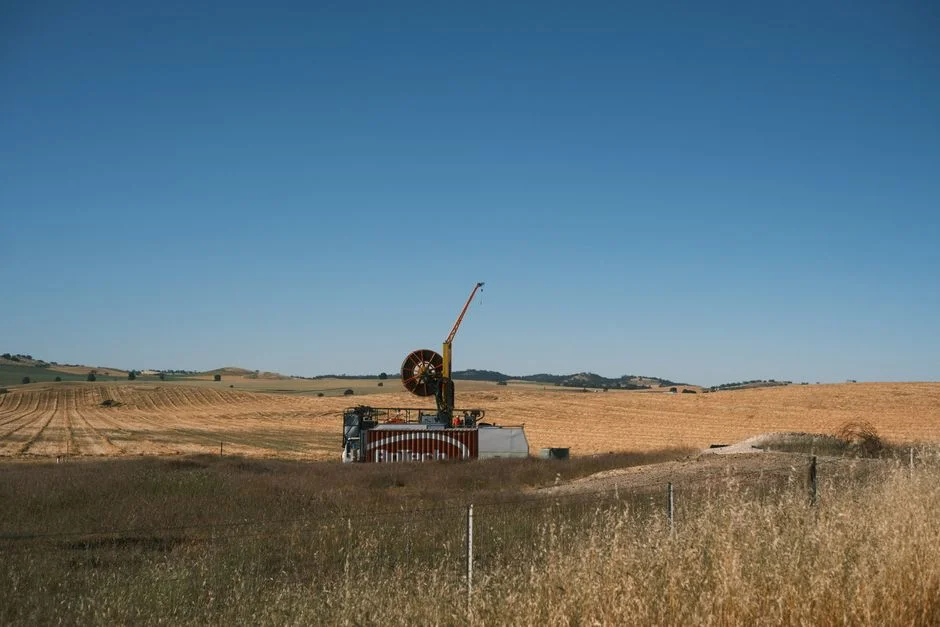
Mechanism selection follows the physical behavior of the contaminant, not the presence of copper, lead or zinc in the analysis. Dense solids favor gravity; floatable or chemically flocculable material favors DAF.
| Decision point | Dissolved air flotation | Gravity or lamella clarification |
|---|---|---|
| Primary mechanism | Conditioned particles attach to micro-bubbles, rise and are skimmed | Settleable particles move to a bottom collection zone |
| Preferred target | Oils, greases, flotation reagents, biological flocs, fine precipitates and conditioned colloidal material | Dense mineral fines, tailings and metallurgical sludge with specific gravity greater than water |
| Design controls | Conditioning chemistry, bubble contact, recycle system, rise-rate basis and skimming capacity | Particle settleability, effective surface area or surface overflow rate, hydraulic distribution and sludge withdrawal |
| Main limitation | Heavy silt and clay are not well suited to flotation, according to Fluence | Colloidal fines, oils, surfactants and dissolved metals can pass onward |
| Sludge route | Floated sludge is skimmed and transferred for handling | Underflow is withdrawn and may be recirculated or thickened |
Heavy metals do not automatically make DAF the right primary unit. If a metal is dissolved, an appropriate chemical process must first make it precipitate or otherwise become separable. If it is particulate or precipitated, the target must be conditioned into floc that DAF can float or into material that will settle. Kemco supports this distinction and emphasizes reliable floc separation.
DAF is also chemistry-limited. A PLC-controlled coagulant and flocculant dosing skid should be part of the process design because pH, coagulant and flocculant dose affect both bubble attachment and the resulting sludge. A clarifier may also use flocculation, but the dosing objective and design variables differ.
For a mixed train, specify the complete flow: pH control, coagulation, flocculation, solids collection, sludge dewatering and—where discharge or reuse requires it—filtration or membrane polishing. DAF alone does not establish final reuse or discharge suitability, and neither separator resolves the dissolved-metal load.
Use jar tests and pilot data to defend the 2026 selection
A defensible selection is demonstrated on representative wastewater, not inferred from generic removal percentages. Jar testing should determine chemistry before equipment sizing and vendor guarantees are accepted.
- Collect samples under normal operation, high-solids events, washdown and seasonal chemistry.
- Test pH adjustment, coagulant and flocculant doses against the relevant contaminant fractions.
- Compare the proposed DAF and clarifier arrangements using the same wastewater, hydraulic profile and acceptance criteria.
- Pilot the shortlisted arrangement and require evidence that the other candidate was technically screened.
Clearwater describes chemical feed through 15–45 second flash-mix flocculation tubes or impeller mix tanks, with contact time determined empirically through jar testing. That figure describes the equipment arrangements discussed by Clearwater, not a universal residence-time requirement for every mining stream.
The Logan, Utah wastewater treatment plant study found an optimum 30 mg/L aluminum sulfate dose for algae and phosphorus removal in lagoon effluent (Elder, 2011, Utah State University). It supports the method—dose-specific optimization—not a universal mining dose. The buyer should require the proposed chemical recipe to be justified against Dillwyn wastewater.
For DAF, pilot measurements should include floatable-target removal, clarified-water quality and skimming capacity. For clarification, they should include settleability, solids capture, underflow concentration and withdrawal performance. Generic percentages without influent condition, dose, flow and sampling point are not comparable evidence.
Where the two mechanisms remain close after bench testing, require both arrangements to be evaluated under identical chemical and hydraulic assumptions. This exposes whether the second tank adds measurable polishing or merely duplicates capacity.
Decide whether one unit, pretreatment plus one unit, or two stages is justified
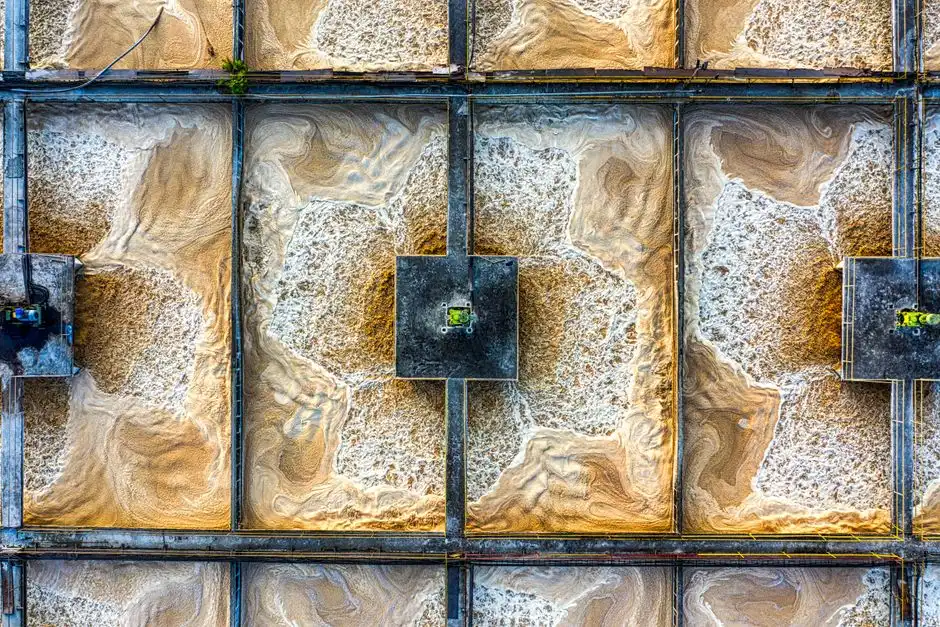
A single clarifier is justified when dense, rapidly settling fines dominate and gravity separation can meet the clarified-water objective without substantial polishing demand. A single DAF is justified when the target is floatable or flocculable material and the heavy non-floating load has been removed or is demonstrably low.
For streams containing substantial dense material plus oils, reagents or conditioned colloids, evaluate pretreatment plus one unit. A hydrocyclone, screen or grit-removal step may protect a DAF better than increasing flotation capacity. That alternative must be tested because it may deliver the required result with less capital than a clarifier-and-DAF train.
A clarifier followed by DAF is justified when the facility needs bulk settleable-solids removal and then polishing of colloidal, precipitated or buoyant fractions. The clarifier handles dense solids; DAF captures material that remains suspended or can be conditioned to float. The underflow and floated sludge then converge on the selected handling route.
DAF followed by a clarifier is a specialized arrangement, not a default. The supplied research describes it as justified only where distinct floatable contaminants and heavy settleable solids both require separate mechanisms; it is generally discouraged because of redundant footprint and capital expenditure. For most mining applications, the research indicates that one correctly selected primary mechanism may be sufficient, subject to wastewater-specific evidence.
Compare every defensible train under the same conditions:
- Representative wastewater and contaminant fractions
- Same flow and peak mass-loading profile
- Same chemical assumptions
- Same sludge collection, storage, dewatering and disposal route
- Same final effluent or reuse criteria
This comparison distinguishes a necessary two-stage train from two tanks selected because a vendor’s preferred architecture was applied to every stream.
Compare bids by complete treatment performance and life-cycle cost
The supplied research does not provide a verified 2026 unit price for either a DAF or a clarifier. A 2026 budget should therefore request a budgetary quotation tied to flow, TSS and contaminant-fraction profile—not rely on unsupported online price ranges.
The research contains commercial market context that must be treated as unverified rather than quoted: $80,000–$350,000 for general DAF, $150,000 to over $1.5 million for mining-grade DAF, and $50,000–$200,000 for conventional circular clarifiers. The ranges differ because capacity, scope, materials and civil requirements differ. They are not comparable offers for a Dillwyn plant.
| Bid item | Required information | Comparison control |
|---|---|---|
| Separator | Mechanism, design flow, peak mass loading, area or rise-rate basis, recycle system and materials | Same wastewater and performance criteria |
| Civil and pretreatment | Tank work, equalization, screens, grit removal and installation | Explicit scope boundary |
| Chemicals and controls | pH control, PLC-controlled dosing, instrumentation, alarms and data logging | Same dosing assumptions |
| Sludge route | Solids quantity, moisture content, storage, dewatering and disposal | Same downstream route |
| Utilities and service | Power, air, water, maintenance, spares, commissioning and support | Named assumptions |
HydropureWater’s DAF range is 4–300 m³/h across 13 standard models, while its lamella clarifier page lists surface loading rates of 20–40 m/h. These are catalog bounds for initial screening, not site-specific design values. The winning bid should demonstrate why its geometry handles the measured flow and solids profile.
Price a sludge dewatering filter press and the complete storage route rather than treating sludge as an undefined consequence. Clearwater states that a well-conditioned DAF can produce thick floated sludge that may need little further dewatering. That potential saving belongs in the life-cycle comparison, but it must be confirmed for the selected chemistry.
Require every vendor to identify the separation principle, design flow, peak mass loading, hydraulic basis, recycle arrangement, materials, controls, sludge system and acceptance test. A model name or a generic promise to “meet all limits” is not a technically auditable offer.
Build a site-specific RFQ and acceptance plan
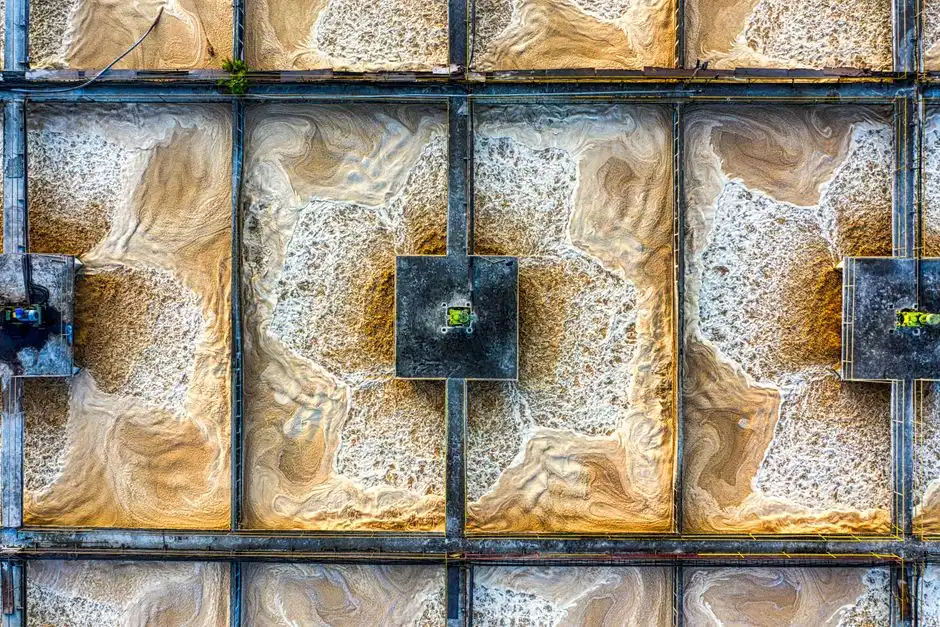
A comparable RFQ should make the wastewater basis, complete treatment boundary and acceptance test visible before bids are evaluated. Send the same characterization and performance schedule to every bidder.
- Attach source-by-source flow records, peak and batch profiles, equalization data and stormwater assumptions.
- Attach TSS, particle-size distribution, settleability, oils and grease, pH, temperature, alkalinity, total and dissolved metals, and copper, lead and zinc fractions.
- Attach jar-test results, proposed chemical doses, sludge-generation estimates and pilot evidence.
- Define the complete boundary from pretreatment through equalization, chemical addition, separation, sludge removal, storage, dewatering and any filtration or membranes.
- Define performance tests using the same wastewater, chemical doses, flow, temperature, test method, sampling point and effluent criterion.
| Required RFQ package | Minimum content | Buyer check |
|---|---|---|
| Wastewater basis | Source-separated flow and analytical data | Represents normal, peak and batch conditions |
| Equipment proposal | Tank geometry, duty, recycle, solids collection, materials and utilities | Matches the measured contaminant fraction |
| Chemical and controls | Equipment, pH, flow and level control, PLC-controlled dosing | Dose is traceable to test evidence |
| Sludge handling | Expected quantity and moisture, storage and dewatering | Route is included and priced |
| Acceptance plan | Defined test conditions, sampling and criterion | No generic removal claim |
For compliance, identify the site’s current permit, receiving-water requirements and the applicable provisions of EPA’s Effluent Guidelines for the Ore Mining and Dressing Point Source Category. Do not substitute a universal TSS or metals limit for the actual permit requirement. The RFQ should state the applicable criterion and how it will be demonstrated.
Supplier diligence should include references for comparable metal-bearing effluents, documented pilot data, ISO 9001 certification, corrosion rationale, commissioning support and post-commissioning support for automated dosing. A case study is useful screening evidence, not a performance guarantee for Dillwyn.
Frequently Asked Questions
What is the cheapest way to select DAF or a clarifier for mining wastewater in Dillwyn?
Do not select on a generic unit-price range. The research does not provide a verified 2026 price for either option, so request budgetary quotations tied to source-separated flow, TSS, contaminant fractions, civil work, chemical dosing, sludge handling and commissioning. Compare the complete trains under the same assumptions.
How should a factory size a DAF or clarifier for variable mining flows?
Size from measured hydraulic and solids loading, not average flow alone. The RFQ should require design flow, peak mass loading, hydraulic basis, sludge handling and confirmation that DAF or lamella sizing assumptions match the site. Ask the supplier how batch discharges and equalization affect the selected duty.
When is clarifier-before-DAF justified?
Use clarifier-before-DAF when the stream contains substantial dense, settleable solids plus a separate colloidal, precipitated or buoyant load that needs flotation polishing. Compare it with pretreatment plus one DAF and a single clarifier using identical wastewater, chemistry, sludge routes and acceptance criteria.
How should a buyer screen a DAF or clarifier supplier?
Request comparable metal-bearing references, site-specific or pilot data, ISO 9001 certification, materials tied to the actual chemistry, a controls and instrumentation schedule, commissioning support and post-commissioning support for automated dosing. Verify that the vendor states the separation mechanism and test conditions rather than offering only a model name and generic removal percentage.
Does either separator guarantee compliance with a mining wastewater permit?
No. The required result depends on the current permit, receiving-water conditions, source chemistry and the complete treatment train. Identify the applicable permit requirement and EPA category provisions, then require an acceptance test with defined influent, chemical dose, flow, temperature, method, sampling point and effluent criterion.