Why Electronics Assembly Wastewater Is Unusual
Electronics assembly wastewater COD removal requires a treatment train, not a single COD-removal unit. The stream may contain TMAH, cyanide, copper, nickel, fluoride, oils and suspended solids, so contaminant segregation and selective pretreatment come before biological treatment or membrane recovery. DAF removes suspended material, FOG and oil rather than dissolved COD; MBR can remove 90% or more COD after toxicity and particulate loading are controlled. For reuse, the HydropureWater 2026 case study paired MBR and RO, reporting 99.8% COD reduction and 95% process-water recovery.
COD is an aggregate measure of oxidizable material, not a specific contaminant and not a sufficient process-selection parameter. A laboratory COD result does not reveal whether the oxygen demand comes from biodegradable organics, TMAH, oils, cleaning chemicals or other compounds. It also says nothing about cyanide toxicity, metal loading, fluoride, conductivity or suspended solids that may interfere with biological treatment, membrane fouling or reuse.
The HydropureWater 2026 electronics case study reports an influent COD range of 500–3,000 mg/L and cyanide of 50–500 mg/L. Those ranges establish a screening basis for preliminary engineering, but they do not replace stream-specific sampling. A plant should characterize bulk rinse water, concentrated alkaline cleaner, cyanide-bearing streams, plating rinses and oily process waters separately before deciding whether they can share a treatment train.
Segregation protects biological and membrane processes from avoidable shock loads and avoids mixing streams whose treatment requirements conflict. TMAH may require neutralization or biological degradation after toxicity is reduced; cyanide requires chemical destruction or conversion; metals may require precipitation or other separation; and floatable oils can foul equipment. The order of these decisions follows the source stream, not a generic treatment diagram.
| Design issue | What the source data establish | Engineering consequence |
|---|---|---|
| Influent COD | 500–3,000 mg/L in the HydropureWater 2026 case study | Use only as a preliminary range; obtain a time-weighted, source-specific analysis. |
| Cyanide | 50–500 mg/L in the same case study | Establish whether cyanide treatment is required before biological treatment. |
| TSS and FOG | DAF removed 70–85% of TSS and FOG in the case study | DAF is a solids and floatables barrier, not a dissolved-COD process. |
| Other constituents | TMAH, copper, nickel, fluoride and oils may be present | Collect separate data for toxicity, precipitation, fouling and reuse assessments. |
For a plant with floatable oils or material that can settle readily, a DAF system for electronics wastewater pretreatment can protect downstream units. Chemical dosing should nevertheless be based on jar testing and stream chemistry, using an automatic chemical dosing system to reproduce validated pH and coagulant conditions rather than to compensate for poor characterization.
Build the COD Treatment Train Around the Wastewater
A workable treatment train begins with segregation and equalization, then applies source-specific chemical pretreatment before solids removal, COD reduction and water recovery. The required sequence is not automatic: a stream may need alkaline chlorination for cyanide, reduction of Cr(VI) to Cr(III), heavy-metal precipitation, or neutralization and toxicity control before it can enter an integrated MBR wastewater treatment system.
- Segregate and equalize. Keep incompatible streams separate through characterization, then balance flow and pollutant loading before treatment.
- Apply source-specific chemistry. Destroy or convert contaminants that would inhibit downstream biological treatment or membranes.
- Remove solids and floatables. Coagulation/flocculation followed by DAF can reduce suspended material, FOG and precipitated metals where those fractions are present.
- Reduce biodegradable COD. MBR combines biological conversion with membrane solids separation after toxicity and particulate loading are controlled.
- Polish and recover water where required. An reverse-osmosis system for dissolved-solids separation provides desalination and polishing; it does not substitute for bulk COD destruction.
The HydropureWater 2026 case study identifies alkaline chlorination for cyanide, chemical reduction of Cr(VI) to Cr(III), and coagulation/flocculation for heavy metals and TSS as conventional pretreatment functions. These functions must be assigned to the relevant segregated streams. Combining a cyanide-bearing stream with bulk rinse water can increase chemical consumption and prevent a treatment scheme optimized for one contaminant from meeting another.
| Process stage | Primary purpose | Required engineering input |
|---|---|---|
| Segregation and equalization | Limits shock loads and prevents incompatible streams from being mixed indiscriminately. | Flow profile, batch sequence, source inventory and pollutant variability. |
| Chemical pretreatment | Destroys or converts selected contaminants and prepares water for the next unit. | Cyanide, TMAH, metals, chromium species, pH, alkalinity and reaction requirements. |
| Coagulation/flocculation and DAF | Removes suspended material, FOG and suitable precipitated contaminants. | TSS, oil and grease, particle characteristics, metals and jar-test results. |
| MBR | Reduces biodegradable COD and separates solids. | BOD/COD ratio, biodegradability, toxicity, nutrients, loading and membrane-fouling risks. |
| RO | Reduces dissolved salts and polishes water for reuse or downstream concentration. | TDS, conductivity, hardness, silica, residual COD, scaling and fouling data. |
Dosing control improves repeatability, but PLC automation does not replace a chemical-demand calculation or confirm that the selected reagent achieves the required conversion. The automatic chemical dosing system should be specified around validated feed rates, pH control, residual testing and fail-safe operating logic.
MBR should be considered only after upstream toxicity and solids loading are controlled. Membrane replacement, cleaning, aeration and sludge handling belong in lifecycle planning. If reuse is required, RO follows adequate biological treatment and pretreatment; otherwise, scaling, fouling and concentrate volume can dominate the operating burden.
Compare the Main COD Removal Technologies
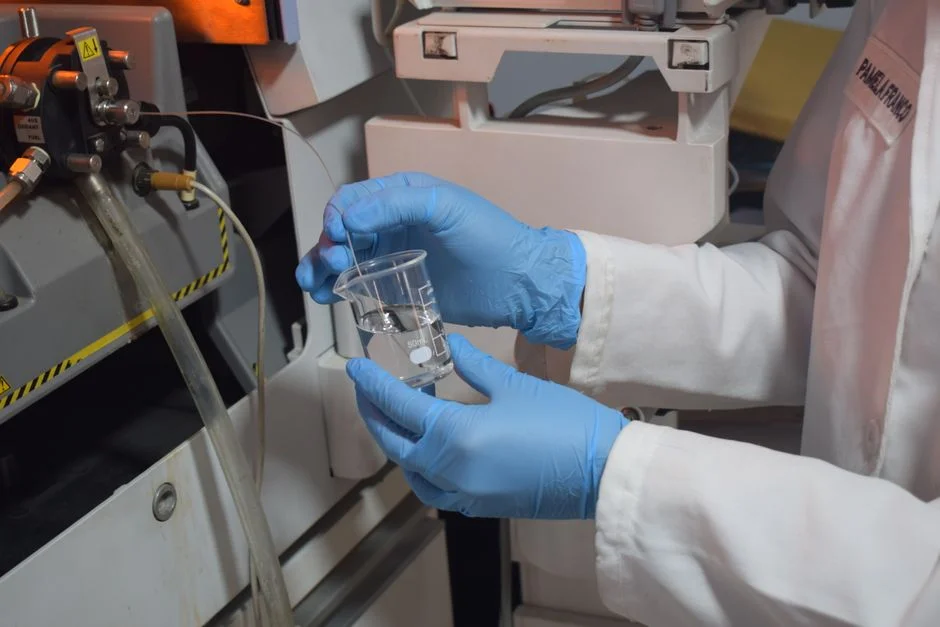
DAF, electrochemical treatment, MBR, RO and ZLD perform different jobs, so the correct comparison is by function and required endpoint. Treating them as interchangeable COD units leads to over-specified equipment, blocked membranes or a concentrate stream with no viable destination.
| Technology | Primary function | Role in COD removal | Main strength | Main limitation | Information needed for sizing |
|---|---|---|---|---|---|
| DAF | Separates floatable material and suspended solids | Indirect; removes COD associated with removable solids but not most dissolved COD | Effective pretreatment for oils, FOG and particulates | Limited effect on dissolved contaminants | Flow, TSS, oil and grease, particle characteristics and required clarification |
| Electrochemical treatment | Generates coagulant electrically and separates destabilized pollutants | Can remove COD and oil where the chemistry and operating conditions are suitable | Chemical dosing can be reduced; treatment can address oily or particulate loads | Performance depends on conductivity, pH, electrodes, current density and contaminant form | Full analysis, conductivity, oil, COD, pilot results, electrode consumption and power demand |
| MBR | Combines biological treatment with membrane solids separation | Primary biological COD-reduction stage | Combines COD conversion and solids separation in one system | Toxicity and high solids loading can impair biology or clog membranes | BOD, biodegradability, TMAH, metals, nutrients, loading profile and sludge production |
| RO | Rejects dissolved salts and residual solutes | Polishing step; not a primary COD-destruction mechanism | Produces low-TDS water suitable for reuse when upstream treatment is adequate | Requires controlled feed and produces concentrate | TDS, conductivity, scaling potential, residual COD, recovery target and concentrate route |
| ZLD | Concentrates residual waste for disposal or recovery | Combines upstream treatment and concentration; not a single COD-removal mechanism | Can support high water recovery and minimize liquid discharge | Capital, energy, pretreatment and concentrate-management demands | Complete flow and mass balance, disposal route, water-reuse target and lifecycle cost |
The HydropureWater 2026 case study claims MBR can achieve 90% or higher COD removal, while warning that high TMAH loads and excessive heavy-metal concentrations can damage biological performance and clog membranes. These conditions determine whether MBR is an appropriate unit or whether electrochemical treatment, stronger pretreatment or a separate route is needed first.
RO has a distinct role. In the reference hybrid train, it reduced MBR-effluent TDS from approximately 1,500 mg/L to less than 50 mg/L. That is evidence of desalination and polishing in the cited sequence, not proof that RO independently destroyed COD. A DAF unit for solids and floatable removal, an integrated MBR wastewater treatment system and an RO system for dissolved-solids separation should therefore be evaluated as complementary stages.
Electrochemical Treatment Parameters and Evidence
The cited electrochemical study establishes a reproducible laboratory optimum, but not a guaranteed performance specification for electronics assembly wastewater. Its best result came from a small coagulation cell treating petroleum refinery wastewater, a different water matrix from electronics streams containing TMAH, cyanide, fluoride or plating metals.
| Parameter or result | Reported value | Evidence limitation |
|---|---|---|
| Electrode arrangement | Four aluminium and four iron electrodes | Laboratory configuration; electrode scale and connection arrangement must be translated in pilot design. |
| Electrode spacing | 2 cm | Requires verification at representative scale and electrical loading. |
| Immersion depth | 12 cm | Geometry-specific result. |
| pH | 7 | Electronics wastewater may require pH adjustment and buffering. |
| Treatment time | 50 minutes | Based on the 2-litre coagulation cell. |
| Voltage | 10.5 V | Voltage cannot be transferred directly without current-density and scale-up analysis. |
| Sodium chloride | 0.5 g/L | Added conductivity may not be acceptable for the required reuse route. |
| Removal | 94.2% oil and 99.5% COD | Reported for petroleum refinery wastewater under the stated conditions. |
| Initial quality | COD 710 mg/L, oil 95 mg/L and TSS 73 mg/L | Provides the study baseline, not a universal electronics-wastewater range. |
| Energy consumption | 12 kWh/m³ | Estimated under the study conditions; scale and influent chemistry will change demand. |
Electrode material, spacing, immersion depth, pH, conductivity, treatment time and current density interact. They influence coagulant generation, pollutant destabilization, sludge production and energy consumption. A supplier’s guaranteed output therefore needs to be tied to a representative feed analysis and a defined electrical basis.
Fatima Abbas Muslim and Hatem Asel’s study, published by Wasit University in the Engineering Journal of University of Wasit, reported the optimum and removals above for petroleum refinery wastewater in a 2-litre coagulation cell. The result supports pilot testing of electrochemical COD treatment, not direct scaling to an electronics installation. Pilot work should use actual segregated streams and verify sludge characteristics, electrode consumption, power demand and residual metals.
Sizing, Costs and Compliance Inputs for a 2026 Project
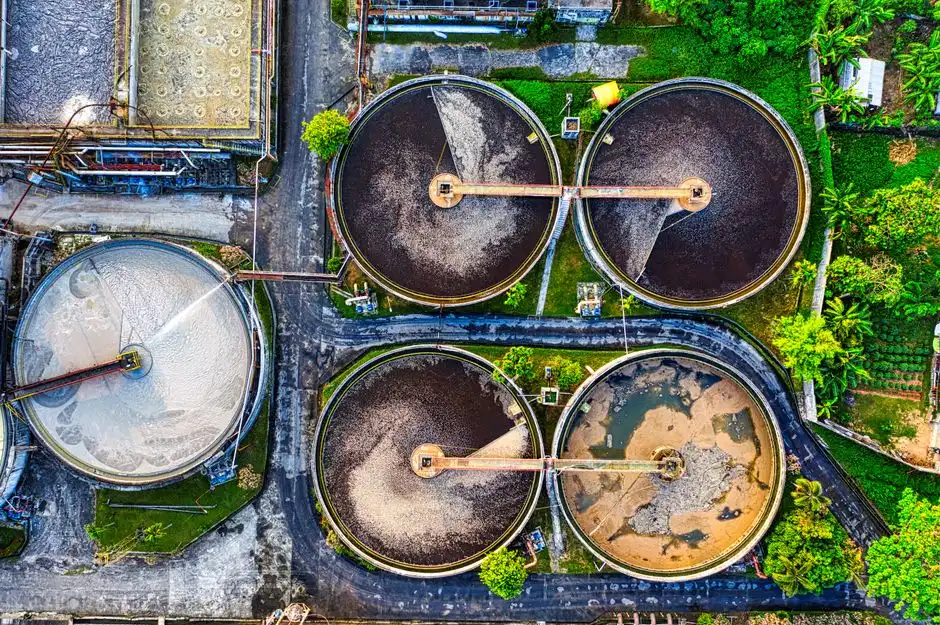
Equipment sizing for electronics assembly wastewater COD removal must be based on the complete flow and contaminant mass balance. COD concentration alone does not establish hydraulic capacity, chemical demand, biological loading, membrane area or concentrate production.
The HydropureWater 2026 reference system uses 100 m³/day, or 26,400 GPD, with reported CAPEX of $1.2M–$3.5M and OPEX of $0.80–$1.50/m³. These figures apply to that 100 m³/day hybrid ZLD concept. They are preliminary commercial benchmarks, not universal prices for electronics assembly wastewater treatment.
| Project input | Information a buyer must provide | Equipment or cost effect |
|---|---|---|
| Hydraulic profile | Average and peak flow, operating hours and batch discharges | Equalization, pump, DAF, MBR, RO and ZLD capacity |
| Organic loading | COD, BOD and biodegradability | Biological loading, aeration, membrane area and chemical demand |
| Specific contaminants | TMAH, cyanide, metals, fluoride, oil and grease | Pretreatment, chemical consumption, sludge and membrane compatibility |
| Water chemistry | pH, conductivity, temperature, alkalinity and hardness | Chemical dosing, electrochemical treatment, scaling and corrosion |
| Service requirements | Reuse target, outlet specification and disposal route | RO recovery, ZLD scope and concentrate management |
Cost comparisons should include pretreatment chemicals, sludge handling, membrane replacement and cleaning, electrode consumption where relevant, energy, operator labor, and brine or concentrate disposal. A high-efficiency sedimentation tank may support solids handling, while a plate-frame filter press can dewater selected sludge streams; neither determines COD treatment capacity by itself. Chemical delivery and metering should be evaluated through the automatic chemical dosing system, with reagent consumption tied to validated operating conditions.
For China, the HydropureWater 2026 case study reports GB 31573-2015 limits below 80 mg/L for COD and below 0.5 mg/L for cyanide. These are cited reference values, not automatic obligations for every site. The project must verify the current applicable local and national standard, sewer-authority requirements, discharge permit, reuse specification and any sector-specific controls.
The same case study claims a 40% reduction in sludge-disposal costs and 95% process-water recovery for its reference concept. Both remain system-specific. A buyer should request the underlying assumptions, baseline sludge production, disposal route, recovered-water quality and operating evidence before using them in a business case.
Choose Equipment Using a Five-Step Decision Framework
Equipment selection should proceed through five linked engineering decisions, beginning with wastewater characterization and ending with commercial comparison. Selecting a integrated MBR wastewater treatment system or a DAF system for electronics wastewater pretreatment before defining the treatment objective reverses the correct order.
- Characterize each stream and define the endpoint. Establish source-specific flow and chemistry, then identify discharge, reuse and production-quality requirements.
- Determine required chemical conversion. Identify cyanide, Cr(VI), TMAH and metal loads that must be destroyed, converted, precipitated or reduced in toxicity before biological treatment.
- Select solids and FOG control. Use the TSS, oil, floatability and downstream-fouling data to determine whether coagulation/flocculation, DAF or another separation method is required.
- Select the COD-reduction and recovery route. Choose MBR, electrochemical treatment or a combined route according to biodegradability, toxicity, reuse needs, conductivity and site constraints. Add RO or ZLD only after their pretreatment and concentrate requirements are defined.
- Compare supplier offers on operating consequences. Review footprint, automation, chemical use, energy, sludge or concentrate handling, operator requirements, maintainability, warranty, commissioning support and expansion provisions.
The final proposal should identify the guaranteed outlet values and the conditions under which they apply. Ask whether performance is based on laboratory tests, pilot work or an operating installation, and whether the guarantees cover COD alone or also cyanide, metals, fluoride, TDS and recovered-water quality.
Controls scope matters. A complete specification should define chemical storage, metering, pH correction, alarms, interlocks, duty/standby arrangements and data logging. Lifecycle obligations should identify membrane cleaning and replacement, pump maintenance, electrode consumption where applicable, sludge dewatering and concentrate handling.
The defensible basis is a complete wastewater analysis, measured flow profile, confirmed reuse or discharge criterion and applicable permit. COD may start the screening exercise, but it cannot define the equipment order by itself.
Frequently Asked Questions
What does electronics assembly wastewater COD removal cost?
The HydropureWater 2026 reference range is $1.2M–$3.5M CAPEX and $0.80–$1.50/m³ OPEX for a 100 m³/day hybrid ZLD system. A buyer should request a site-specific quotation using average and peak flow, target COD, TMAH, cyanide, metals, fluoride, oil and grease, pH, conductivity, reuse target, utilities, sludge handling and concentrate disposal. The published figures are benchmarks for one documented concept, not a plant-wide price.
How should equipment be sized for electronics manufacturing wastewater treatment?
Size the plant from the measured flow profile, COD, BOD, TMAH, cyanide, metals, fluoride, TSS, oil and grease, pH, conductivity, operating hours, reuse target and disposal route. Peak and batch flows determine equalization and instantaneous treatment duties; contaminant mass loads determine chemical, biological and membrane duties. Source-specific samples are needed before assigning MBR, RO or ZLD capacity.
What should be checked when selecting a wastewater-treatment supplier?
Request contaminant-specific performance data, guaranteed outlet values, utility consumption, chemical use, sludge or concentrate management, control scope, warranty conditions and commissioning support. The supplier should state the feed-water basis, test method and operating envelope for every guarantee. A COD-only guarantee is inadequate where cyanide, metals, fluoride or reuse quality also govern acceptance.
Can one treatment train handle cyanide, TMAH and heavy metals together?
Not without source-specific design and validation. Cyanide may require chemical destruction, Cr(VI) may require reduction, metals may require precipitation, and TMAH or metals may inhibit biological treatment or foul membranes. Segregating streams and validating the combined chemistry allows unit operations to be assigned correctly. The referenced treatment train is a reference architecture, not proof that every electronics wastewater composition will perform identically.
What compliance risk should be checked before selecting COD-removal equipment?
Confirm the current site-specific discharge permit, local and national standards, sewer-authority limits and any reuse requirements. The HydropureWater 2026 case study reports GB 31573-2015 values below 80 mg/L for COD and below 0.5 mg/L for cyanide, but these cited limits must not be treated as universal current obligations. Compliance review should cover whole effluent, not COD alone, and should include cyanide, metals, fluoride, pH, toxicity and reuse constraints.