
What McVeigh factories should choose in 2026
For mining and metals wastewater in McVeigh, choose DAF when the target contaminants are floatable or can be made flocculable, including oils, FOG, colloidal material, and conditioned metal-bearing precipitates. Choose conventional or lamella clarification when dense, readily settleable mineral solids dominate. Heavy silt and clay are a poor DAF target because they do not float readily. The defensible 2026 decision requires representative wastewater characterization, peak flow and solids loading, jar testing, the applicable permit or sewer objective, and the downstream sludge route—not a product label alone.
The first procurement correction is simple: “clarifier” is an ambiguous equipment category. A DAF system may be marketed as a flotation clarifier, but that does not make it equivalent to a gravity-settling clarifier. Every proposal should state its separation mechanism, intended contaminant fraction, conditioning assumptions, and solids route. The same distinction is addressed in this mining-wastewater DAF versus clarifier guide, but McVeigh bidders still need site-specific facts rather than a generic capacity table.
No unit should be selected from an averaged sample and average flow alone. Process water, contact water, washdown, stormwater, and batch discharges can have different contaminant fractions and loads. A mixed stream may support either a combined arrangement or a sequence, but only after application-specific testing, according to HydropureWater’s 2026 factory guide.
DAF or clarifier: match the mechanism to the wastewater fraction
DAF removes material by flotation, while lamella clarification removes it by gravity; the contaminant fraction determines which mechanism is credible. In DAF, pressurized water releases dissolved air as microbubbles that attach to conditioned particles. The aggregates rise and are skimmed, while heavier material settles into a separate bottom collection zone. Clearwater specifies microbubbles of 30–50 microns in its April 27, 2026 DAF system description.
A conventional clarifier relies on gravity settling and bottom sludge withdrawal. A lamella inclined-plate separator increases effective settling area within a more compact tank, but it does not change the gravity-separation principle. The HydropureWater lamella clarifier combines sludge recirculation, flocculation, and inclined-plate separation. That configuration is appropriate only when the target material actually settles.
Fluence’s boundary is decisive: DAF is not well suited to high levels of heavier non-floating particles such as silt and clay, as stated in the HydropureWater 2026 mining and metals selection article. Metals also do not determine the mechanism by themselves. Distinguish dissolved metals from metals attached to settleable or floatable solids; reliable capture depends on conditioning the metal-bearing solids and separating the resulting floc.
| Selection question | DAF is the stronger candidate when | Gravity or lamella clarification is the stronger candidate when |
|---|---|---|
| What contaminant fraction governs? | Oils, FOG, colloidal matter, conditioned fine precipitates, or other flocculable solids | Dense mineral fines, tailings-derived solids, and other readily settleable material |
| How is material separated? | Dissolved-air flotation microbubbles attach to conditioned particles; the resulting float is skimmed | Particles settle by gravity; lamella plates increase effective settling area |
| What is the principal limitation? | Heavy silt and clay may not float, and bubble attachment depends on suitable conditioning | Colloidal, buoyant, emulsified, and dissolved fractions may pass through without later treatment |
| How should the bid be written? | Identify the flotation mechanism, bubble and recycle system, conditioning requirements, and skimmed-sludge route | Identify the settling mechanism, effective area, surface-loading basis, recirculation, and underflow route |
For lamella equipment, require the supplier to state its governing surface-loading rate and effective settling area. HydropureWater’s catalog range of 20–40 m/h is a manufacturer-specific parameter to request in the bid, not a universal sizing result or evidence that a proposed tank fits McVeigh wastewater.
The wastewater tests that decide the project
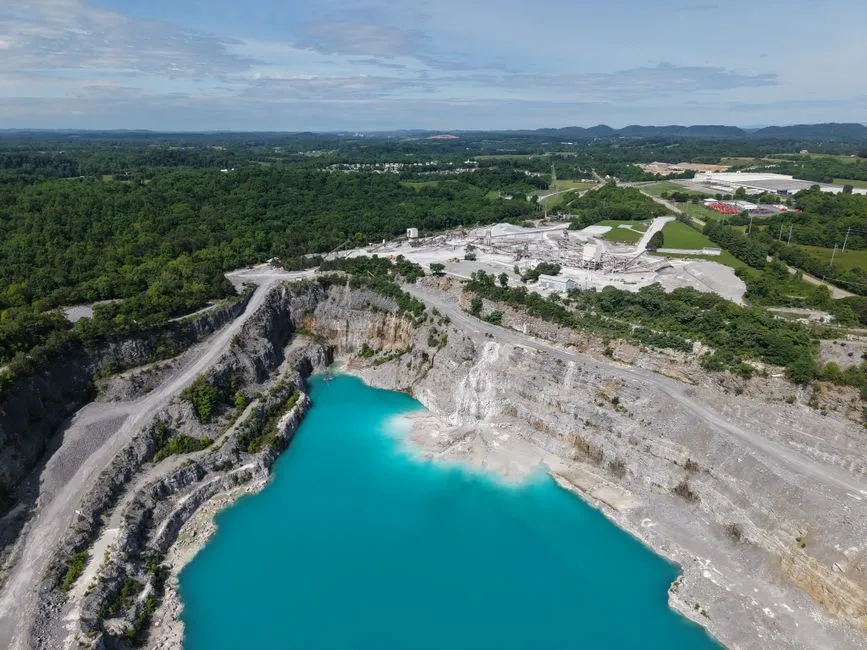
A defensible selection starts with a source-by-source characterization that includes process, contact, stormwater, washdown, and batch-discharge conditions. A single averaged sample can conceal both peak hydraulic load and the contaminant fraction that controls equipment selection. Record flow by source, peak flow, batch profiles, stormwater contribution, equalization data, and operating variability rather than extrapolating from one grab sample.
Request TSS, particle-size distribution, settleability, oils and greases, free-oil observations, emulsion characteristics, pH, alkalinity, total and dissolved metals, temperature, and chemical variability. Where available, obtain solids density information. These results determine whether particles can float, settle, or require chemical alteration before separation. The HydropureWater 2026 factory guide treats stream characterization, flow, suspended solids, oils and greases, pH, metals, and variability across process, contact, and stormwater inflows as the minimum selection basis.
- Separate the wastewater by source and sampling condition.
- Characterize solids, oils, emulsions, metals, pH, alkalinity, temperature, and settleability.
- Identify peak hydraulic and peak solids mass loading, including batch events.
- Run jar testing to establish coagulant, pH adjustment, and flocculant conditions.
- Document the sludge volume, expected moisture content, storage, dewatering, and disposal route.
Heavy sand, gravel, and grit should not be assigned automatically to either separator. Hydrocyclones, shaker screens, and bar screens may provide pretreatment or equipment protection, as discussed in the HydropureWater 2026 factory guide. Evaluate the mechanical bar screen where gross solids require removal ahead of the selected separation device.
Jar testing is the defensible basis for chemical conditioning. A Logan, Utah lagoon-effluent study recorded an optimum aluminum sulfate dose of 30 mg/L, but that result was specific to algae and phosphorus removal in that study, not mining water in McVeigh (Elder, 2011, Utah State University). Do not transfer that dose to an RFQ. Specify the required chemical dosing system and require the vendor to defend its dose with site-specific testing.
Sizing DAF and lamella systems for variable mining flow
Size the separator against both hydraulic flow and peak solids mass loading. The supplied DAF hydraulic-loading range is 2–6 gpm/ft²; require each bidder to state its selected value and rationale rather than copying the range into every proposal. The same design guidance calls for equalization to dampen surges and aims to keep influent within 80%–110% of nominal design flow (HydropureWater, 2026).
For variable solids loads, the skimming and solids-handling system must also handle the peak solids mass loading in lb/hr of solids. Hydraulic capacity alone does not demonstrate that the float blanket, sludge trough, pumps, or downstream dewatering can handle a transient. Clearwater’s April 27, 2026 publication describes FPAC as a small-to-medium-flow, high-solids configuration; FPBC as a low-to-medium solids configuration that includes low-buoyancy particles; and FPHF as a high-flow configuration for low-to-large solids loads. These are configuration distinctions, not McVeigh site-sizing guarantees.
For DAF, request the air-to-solids basis, recycle arrangement, selected hydraulic loading, and peak solids duty. The supplied air-to-solids range is 0.01–0.05 mL air per mg of solids, subject to particle size, density, and conditioning within the design window. For lamella clarification, request the governing surface-loading rate, effective settling area, sludge-recirculation arrangement, and peak underflow basis. HydropureWater’s 20–40 m/h catalog range should appear as a bid parameter requiring justification, not as the final answer.
| Bid item | DAF requirement | Lamella clarification requirement |
|---|---|---|
| Hydraulic basis | Selected value within the supplied 2–6 gpm/ft² request, with design flow and turndown stated | Governing surface-loading rate, effective settling area, and operating flow range |
| Peak duty | Peak solids mass loading checked against float accumulation, skimming, recycle, and sludge removal | Peak underflow checked against collection, recirculation, and withdrawal capacity |
| Variable flow | Equalization and operating strategy addressing the supplied 80%–110% nominal-flow target | Distribution, withdrawal, and recirculation response at the applicable peak profile |
| Separation detail | Recycle system, bubble-generation method, contact zone, and skimming arrangement | Plate arrangement, effective area, launder configuration, and sludge collection |
| Configuration evidence | Explain why the offered FPAC, FPBC, FPHF, or other configuration fits the site duty | Explain why the proposed plate area and hydraulic arrangement fit the site duty |
A bidder should show the calculation chain from measured flow and solids data to selected geometry and equipment duty. If that chain is absent, the model name or quoted surface area is not a design basis.
Chemical conditioning, sludge, and downstream treatment
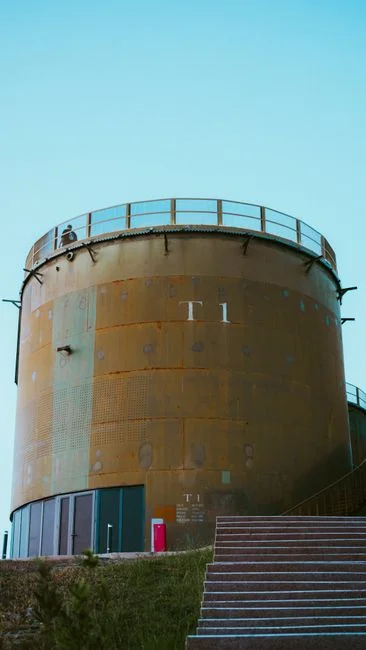
The separator, chemical system, sludge route, and downstream polishing form one treatment train and should be priced together. For DAF, require PLC-controlled coagulant and flocculant dosing integrated with pH, flow, level, and equipment controls. Clearwater’s April 27, 2026 DAF publication states that chemical conditioning increases particle size and bubble-contact ability; the HydropureWater 2026 factory guide similarly treats PLC-controlled dosing as part of the process review rather than an accessory.
DAF sludge is skimmed and normally sent to dewatering, whereas lamella clarification uses bottom withdrawal and may include sludge recirculation, as reported by the HydropureWater 2026 factory guide. Require bidders to identify sludge generation, expected moisture content, storage time, dewatering method, disposal frequency, and transport. A plate-and-frame filter press is one available route for dewatering, not a universal requirement for every McVeigh project.
The supplied DAF auxiliary-energy figure is 0.5–1.5 kWh/m³ for compressors and high-pressure recycle pumps (HydropureWater, 2026). Require the proposal to state its actual design assumptions rather than applying the range as a guaranteed consumption. If treated water will be reused, include filtration or membrane polishing in the project boundary where required. Neither DAF nor gravity clarification alone establishes final reuse quality.
| Cost boundary | What each bidder must quote or state |
|---|---|
| Equipment and civil work | Separator, tank, recycle system, pretreatment, installation inputs, foundations or civil works, and material selection |
| Chemicals and controls | Coagulant, pH control, flocculant, dosing equipment, instrumentation, PLC integration, power, and maintenance assumptions |
| Sludge route | Collection, storage, moisture-content assumptions, dewatering, disposal frequency, transport, and applicable disposal cost |
| Downstream treatment | Filtration, membrane polishing, reuse requirements, and treatment steps necessary to meet the stated objective |
| Owner scope | Commissioning, training, service, spare parts, utilities, maintenance access, and performance-test responsibilities |
Broad price data must not be treated as a McVeigh quotation. HydropureWater’s 2026 articles report DAF capital ranges of $80,000–$350,000 and $150,000–over $1.5 million, while conventional clarifiers appear at $50,000–$200,000. Because the scopes differ, use these figures only as screening context and request line-item quotations tied to capacity, materials, civil work, conditioning, utilities, and sludge handling.
A same-basis McVeigh bid comparison
A comparison is defensible only when both bidders answer the same wastewater and performance questions. Give each supplier the same source-by-source characterization, sampling plan, chemical assumptions, hydraulic profile, performance criteria, and equipment boundary. The supplied research does not establish a specific McVeigh discharge limit, so require bidders to verify the current permit, local sewer or pretreatment rules, and site acceptance criteria rather than inserting unsupported local requirements.
- Require a shared design-basis package with flow, solids, chemistry, batch events, and sludge data.
- Require each supplier to identify the separation mechanism, tank, effective area, recycle system, solids handling, sludge route, controls, and materials.
- Require a line-item commercial scope and a stated operating-cost basis.
- Require site-specific test plans or comparable references with explicit conditions.
- Require the supplier to document how the alternative mechanism was screened.
Reject bids selected from average flow alone, generic removal percentages without test conditions, or unverified statements that the equipment will meet every limit. For every performance commitment, require the wastewater, chemical doses, flow, temperature, test method, sampling point, and acceptance criterion. A case study may demonstrate relevance, but it does not guarantee performance in an untested McVeigh stream.
| Evaluation criterion | Required response from each supplier | Reason to reject or clarify |
|---|---|---|
| Mechanism and target fraction | Named separation principle, contaminant fraction, and an explanation of the rejected alternative | Equipment chosen by product preference or an ambiguous “clarifier” description |
| Design basis | Source flow, peaks, TSS and solids loading, chemistry, conditioning, and sludge assumptions | Model selected from average flow or generic removal percentages |
| Performance evidence | Site-specific plan or comparable reference with test conditions and acceptance criterion | Unverified promise that the unit will meet all limits |
| Materials and controls | Material rationale tied to chemistry, plus controls, alarms, data logging, utilities, and maintenance scope | Material list or PLC scope with no process basis |
| Sludge and reuse boundary | Collection, storage, dewatering, disposal, and any required filtration or membrane polishing | Separator quotation that leaves downstream treatment undefined |
| Compliance | Current site requirement identified by the supplier, with acceptance criteria stated | Unsupported assumption about McVeigh limits or sewer requirements |
For technology screening, the heavy-metals wastewater removal technologies guide provides context, but the award should follow the site’s measured fraction, treatment objective, and total-cost boundary rather than a generic metals claim.
Frequently Asked Questions
Is DAF or lamella clarification cheaper for mining wastewater in McVeigh?
Neither technology can be declared cheaper from broad price ranges alone. HydropureWater’s 2026 articles report DAF capital ranges of $80,000–$350,000 and $150,000–over $1.5 million, and conventional clarifiers at $50,000–$200,000. The scopes differ, so request separate quotations for equipment, civil work, materials, pretreatment, chemical dosing, controls, utilities, and sludge handling. Compare the same design flow, duty, chemical assumptions, and downstream route; do not compare a packaged DAF scope with a clarifier lacking its tank and civil work.
How should a DAF be sized for variable mining flow?
Size it against peak flow, peak solids mass loading, and the selected hydraulic-loading value. The supplied request range is 2–6 gpm/ft², with equalization intended to dampen surges and the design guidance aiming to keep influent within 80%–110% of nominal flow (HydropureWater, 2026). Also verify skimming and sludge-removal capacity against lb/hr of solids. VFD-controlled feed and recycle pumps should be evaluated against the measured flow profile rather than installed as an unquantified assumption.
What evidence should a mining-wastewater equipment supplier provide?
Require the representative characterization, sampling plan, jar-test results, and a stated design basis. The supplier should show the mechanism, selected geometry, material rationale, sludge route, controls and instrumentation schedule, utilities, maintenance inputs, and comparable references. Performance commitments should identify the wastewater, chemical doses, flow, temperature, test method, sampling point, and acceptance criterion. Ask how the competing mechanism was screened so the evaluation is not limited to one vendor’s preferred product.
Can one DAF unit meet every metals-discharge requirement?
No such conclusion follows from the equipment type alone. A DAF can remove metals associated with conditioned flocs, but dissolved metals remain a treatment problem unless they are precipitated, adsorbed, or otherwise addressed by the selected chemistry. HydropureWater’s 2026 sources distinguish dissolved metals from metals attached to settleable or floatable solids and state that reliable capture depends on conditioning and separating the resulting floc. Require the current McVeigh permit or sewer objective to define the acceptance criteria, then confirm performance through a conditional site test plan.
Related Equipment
- HydropureWater DAF system — specifications, capacity range, and technical data