Why Coal Chemical Wastewater Needs a Treatment Train
Coal chemical wastewater COD removal usually requires a treatment train sized to the actual wastewater, not a single universal COD system. Biological oxidation can remove degradable organics: an OSTI coal gasification study reported 85% and 88% COD removal in two air-activated-sludge operating conditions. However, high biotoxicity can collapse anaerobic systems; a 2026 Journal of Hazardous Materials study recovered COD removal from 23.71% to 71.48% using magnetic biochar and acclimated sludge. For residual COD and color, the same OSTI study found approximately 80% COD and 95% residual-color removal by granular activated carbon after softening. Final equipment selection should reflect wastewater salinity, biodegradability, toxicity, treatment stage, solids loading, and discharge targets.
COD is a bulk oxidation-demand measure. It does not identify whether the demand comes from biodegradable organics, phenols, ammonia, color compounds, salts, or other constituents that inhibit a biological or chemical process. Equipment selection should therefore pair COD with TOC, BOD, toxicity, color, salinity, ammonia, phenols, suspended solids, temperature, and flow data. The relevant source streams may include coal gasification process condensates, quench waters, coal chemical wastewater, and related high-organic industrial effluents; their compositions and flow proportions must be established at the plant.
These streams can contain refractory organic compounds, phenols, color, ammonia, and salts. Screening protects pumps and downstream separation equipment; equalization controls flow and pollutant shocks; pH correction and chemical dosing condition the water before treatment. Biological oxidation then addresses biodegradable COD, while adsorption or oxidation can polish residual refractory material. Solids separation and sludge handling complete the train.
Scope matters when comparing studies. Hans Publishers specifically addresses ultra-high-concentration COD in saline coal chemical wastewater, while the OSTI study examined multiple coal gasification wastewater streams. Neither establishes performance for every coal chemical facility. A rotary mechanical bar screen can protect the front end of a site-specific train, but upstream characterization remains the controlling design step.
What the Current Treatment Evidence Shows
The available evidence supports different functions within a treatment train, not one universally superior technology. Biological oxidation has strong evidence for biodegradable COD; adsorption has evidence for residual COD and color; iron-carbon microelectrolysis has promising but narrower evidence; and thermal treatment remains dependent on the gasifier arrangement and operating conditions.
| Study and date | Wastewater scope | Treatment mechanism | Reported result | Scope condition |
|---|---|---|---|---|
| OSTI coal gasification study | GFETC wastewater at 33% strength and Hygas condensate at 100% strength | Air-activated sludge | 85% and 88% COD removal | Removal rates of 0.37 and 0.24 mg COD removed/mg MLVSS-day, with sludge ages of 20 and 40 days |
| OSTI coal gasification study | Coal gasification wastewater | Biological oxidation | 90% COD reduction from 6900 mg/L and 99% BOD reduction from 3500 mg/L | COD removal rate of 0.16 mg COD removed/mg MLVSS-day |
| Journal of Hazardous Materials, July 2026 | Coal chemical wastewater with a collapsed anaerobic system | Magnetic biochar plus acclimated sludge | COD removal recovered from 23.71% to 71.48%; effluent COD 1283.5 mg/L and TOC 306.1 mg/L | Recovery study using combined strategies |
| ACS Omega, July 2026 | Simulated electroplating wastewater | Iron-carbon microelectrolysis | 70.58% COD removal | 500 g/L filler dosage, 8-hour reaction, 150 rpm oscillation, and initial pH 3 |
| ACS Omega, July 2026 | Simulated electroplating wastewater | Reused iron-carbon filler | 60.51% COD removal after 10 reuse cycles | Reuse performance under the stated study conditions, not guaranteed service life |
The retained 60.51% COD removal after 10 reuse cycles demonstrates material longevity only under the ACS Omega study conditions. The study also identified consumption of zero-valent iron and activity decay, requiring timely filler supplementation or replacement. By contrast, the OSTI train combined ammonia removal, biological oxidation, lime-soda softening, granular activated carbon adsorption, and reverse osmosis, demonstrating that multiple barriers may be needed for coal conversion wastewater.
Choose the COD-Removal Route by Wastewater Character

Route selection follows the contaminant function: remove biodegradable bulk COD biologically, use iron-carbon microelectrolysis or another oxidation route where the wastewater characteristics support it, polish residual COD and color with adsorption, and separate solids before discharge or reuse.
| Route | Applicable role | Required pretreatment | Main strength | Principal limitation | Evidence scope |
|---|---|---|---|---|---|
| Biological oxidation | Bulk removal of biodegradable organics | Flow equalization, toxicity and solids control, and compatible pH | Removes biodegradable COD and BOD | Toxicity, salinity, shock loading, and refractory fractions can limit performance | Coal gasification and coal chemical wastewater studies |
| Iron-carbon microelectrolysis | Combined COD treatment and precipitation | Characterized pH, dosage, solids handling, and validated chemistry | Redox, adsorption-flocculation, coprecipitation, and Fenton-like mechanisms | Consumes iron, generates solids, and requires dosage and pH control | 70.58% COD removal in simulated electroplating wastewater |
| Granular activated carbon | Residual COD and color polishing | Bulk COD removal and, in the OSTI case, softening | Approximately 80% COD and 95% residual-color removal on softened Hygas wastewater | Media replacement, spent-carbon handling, and limited removal of the bulk load | OSTI coal gasification study |
| Thermal treatment | Site-specific destruction or concentration of pollutants | Wastewater characterization and gasifier-specific integration | Potential treatment without a conventional biological stage | Requires optimization of temperature, atmosphere, oxygen proportion, and residence time | Lab-scale Lurgi coal-gasification wastewater study |
| Combined treatment | Residual COD, color, refractory organics, and solids control | Stage-specific pretreatment and separation | Assigns each unit a defined treatment function | More interfaces, chemical use, sludge, and capital requirements | Must be validated with site wastewater |
If most COD is biodegradable and toxicity can be controlled, biological oxidation should normally precede polishing. If toxicity or refractory compounds dominate, pretreatment and staged loading become central. Iron-carbon microelectrolysis is a multi-mechanism option, but its strongest cited COD result applies to simulated electroplating wastewater, not coal chemical wastewater. Thermal treatment should be evaluated for the specific Lurgi wastewater and gasifier arrangement. A PLC-controlled automatic chemical dosing system can support validated pH and chemical-control duties, but it does not establish the required chemistry by itself.
For a broader process comparison, see the comparison of DAF, biological, and MBR COD-removal trains and the engineering guide to industrial COD-removal treatment trains.
Design Pretreatment Around Inhibition and Fouling
Pretreatment should remove or condition the constituents most likely to inhibit biology, foul equipment, or distort downstream loading measurements. The first control is physical screening. A mechanical screen can capture rags, plastic, fibers, and suspended debris that could damage pumps or overload downstream separation equipment.
Equalization then controls hydraulic and concentration shocks. Online COD, flow, pH, conductivity, and toxicity trends are more useful than a single grab sample because they show when the biological stage is receiving a materially different load. The design should define how much equalization is available, where bypasses are prevented, and which parameter triggers staged loading or operational response.
For biological oxidation, pH correction and nutrient or trace-element conditioning should follow process testing rather than a generic specification. Where iron-carbon microelectrolysis is considered, the ACS Omega study used initial pH 3, but that condition belongs to simulated electroplating wastewater and must not become a default for coal chemical wastewater. Confirm the required pH, dosage, reaction time, mixing, and residual-iron handling through site-wastewater testing.
Suspended solids, oil and grease, and coagulant-precipitated material should be removed before biological systems or polishing equipment where they would interfere with mass transfer, membrane surfaces, adsorbent pores, or clarification. Sequence matters: if coagulation generates solids, those solids need a defined separation route before the next sensitive stage.
Request the following operating basis before preparing a supplier’s final equipment schedule:
- Average and peak flow, including the wastewater batching or segregation arrangement.
- COD and TOC concentrations and loads, with representative sampling.
- BOD, salinity, ammonia, phenols, color, and toxicity.
- Suspended solids, oil and grease, temperature, and upstream process conditions.
- Required final effluent parameters and the discharge, pretreatment, or reuse destination.
These inputs determine screen size, equalization, chemical demand, biological loading, polishing duty, and downstream solids handling. A dosing system should be sized from validated chemical demand and control requirements, not selected before those data exist.
Build a Resilient Biological and Oxidation Stage
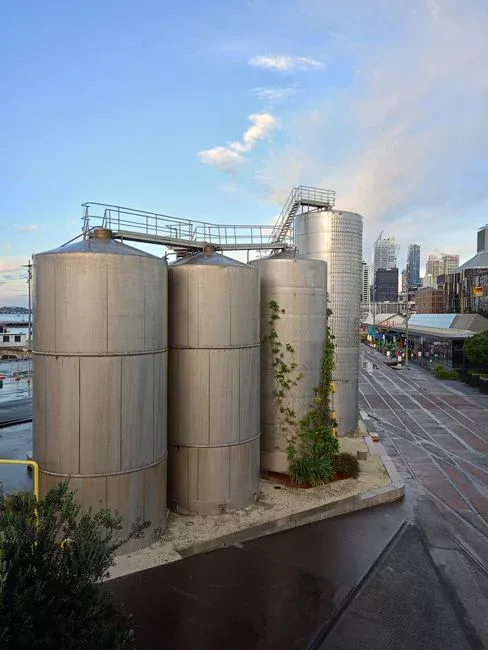
Biological performance depends on loading, biomass condition, and inhibition control; COD removal is not a fixed equipment property. In the OSTI study, air-activated-sludge COD removal was 85% and 88% at removal rates of 0.37 and 0.24 mg COD removed/mg MLVSS-day, corresponding to sludge ages of 20 and 40 days. These results connect the operating rate and sludge age to removal performance and illustrate why site data are needed for sizing.
The OSTI treatment train—ammonia removal, biological oxidation, lime-soda softening, granular activated carbon adsorption, and reverse osmosis—shows a barrier-based approach. Biological oxidation removes much of the biodegradable COD, but activated-sludge-treated coal gasification wastewater still contained relatively high residual organic material, according to the OSTI study. Each later stage therefore has a distinct function rather than duplicating the biological stage.
The 2026 Journal of Hazardous Materials study identifies collapse warning signs in coal chemical wastewater: falling COD removal, disturbed volatile fatty acid metabolism, impaired electron transfer, and reduced microbial activity. The combined magnetic biochar and acclimated-sludge strategy produced the best reported recovery. Co-metabolic substrates and their combinations were also investigated, so any recovery plan must match the plant’s permitted operation and chemical-use constraints.
After recovery, the study reported electron-transfer efficiency of 1.41 μg/(mL·min) and dehydrogenase activity of 510.41 mg-TF/(mL·h). These are useful diagnostic concepts, not routine acceptance limits for every reactor. Operators should establish trend baselines for COD removal, volatile fatty acids, activity indicators, and toxicity.
Use staged loading, acclimated biomass, online organic and toxicity monitoring, and a documented upset-response plan. One-time chemical shock dosing should not substitute for source control, dilution management, or biomass recovery. Where solids retention is justified by the wastewater and effluent target, an MBR integrated wastewater treatment system may be evaluated; membrane compatibility still requires site validation.
Polish COD, Separate Solids, and Confirm Discharge Readiness
Residual COD and color should be addressed after bulk biological or oxidation treatment, when the residual load is sufficiently low for adsorption to be economically and operationally meaningful. In the OSTI study, granular activated carbon treatment of softened Hygas process quench condensate removed approximately 80% of COD and 95% of residual color. This was a polishing result on softened wastewater, not replacement for biological treatment.
Solids separation must account for the source of each solid. An industrial dissolved air flotation system can remove suspended solids, oil and grease, and colloidal material that may interfere with biological treatment or subsequent filtration. A high-efficiency sedimentation tank can separate flocculated solids where lamella clarification is appropriate. Its catalog reports surface loading rates of 20–40 m/h and chemical-consumption reduction of up to 30%; these are equipment-catalog specifications, not coal chemical wastewater performance claims.
MBR should be used only when membrane solids retention is required by the verified wastewater characteristics and effluent targets. The catalog lists capacities from 10 to 2,000 m³/day and filtration below 1 μm, but those figures are equipment specifications. Site testing must establish chemical compatibility, biological response, membrane fouling behavior, cleaning requirements, and solids production.
Chemical precipitation and biological treatment both add to the solids-handling burden. Where generated sludge requires mechanical dewatering, a plate-frame filter press can be evaluated. The press type, feed characteristics, polymer demand, cake handling, and operating cycle should follow representative sludge tests rather than an assumed solids rate.
Before acceptance, verify final effluent COD, TOC, BOD, color, salinity, ammonia, phenols, toxicity, and suspended solids against the applicable permit or pretreatment requirements. Include solids quality, chemical consumption, spent-media handling, and operational stability. A train that meets COD alone may still fail the discharge, reuse, or pretreatment specification.
A Practical Framework for Evaluating Treatment Equipment
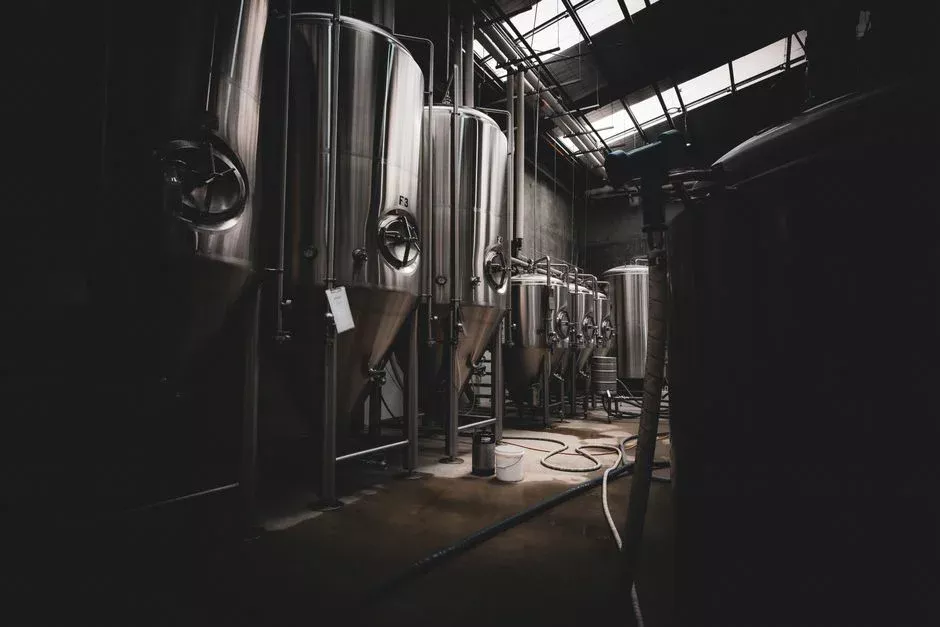
A defensible equipment decision starts with duty, evidence, and mass balance—not a removal percentage alone. Define average and peak flow, current and design COD loads, the required COD or discharge target, the treatment stage, and whether the water will be discharged, reused, or sent to a pretreatment system.
| Decision stage | Buyer action | Evidence or deliverable required | Reason |
|---|---|---|---|
| Define duty | Document flow, COD, TOC, BOD, toxicity, salinity, phenols, color, solids, temperature, and targets | Representative wastewater characterization and operating envelope | The evidence does not support a universal equipment-to-COD ratio |
| Select route | Match biology, oxidation, adsorption, thermal treatment, or a combination to contaminant behavior | Wastewater-specific rationale and treatment-stage boundaries | Removal performance depends on composition and operating conditions |
| Verify evidence | Ask suppliers to state the wastewater, pH, dosage, loading, temperature, and other conditions behind each claim | Test reports, operating data, and continuous-operation evidence where available | The 2026 iron-carbon result applies to simulated electroplating wastewater at 500 g/L and initial pH 3 |
| Establish lifecycle requirements | Review controls, utilities, maintenance, start-up support, media or filler replacement, and sludge handling | Complete operating and maintenance scope | Treatment chemistry transfers pollutants into water, solids, sludge, or spent media |
| Validate scale-up | Use pilot testing with actual wastewater when salinity, biotoxicity, refractory organics, or iron-carbon chemistry creates material uncertainty | Agreed test protocol, acceptance criteria, and scale-up report | Published study conditions may not transfer directly to site wastewater |
| Size final equipment | Base size on verified hydraulic and contaminant loading with peak-flow and toxicity controls | Design calculations, turndown strategy, and contingency capacity | Catalog capacities and loading ranges are not COD-performance guarantees |
Request a mass balance covering COD, sludge or spent media, chemical consumption, and disposal routes. A supplier claiming high COD removal should also explain what happened to the removed organics and the solids they generated. Pilot validation should use the same wastewater characteristics, operating pH, dosage, mixing, and residence-time concepts proposed for full scale. Keep catalog values such as the clarifier’s 20–40 m/h surface-loading range separate from the evidence for COD removal.
Frequently Asked Questions
How should coal chemical wastewater COD-removal equipment be sized?
Size it from verified hydraulic and contaminant loading, then provide controls for peak flow, toxicity, and process upset. The supplied evidence does not support a universal equipment-to-COD ratio. Request average and peak flow, COD and TOC loads, biodegradability, salinity, toxicity, phenols, suspended solids, temperature, and the final effluent requirement before selecting capacity.
How should a COD-removal equipment supplier be selected?
Require wastewater-specific evidence, stated operating conditions, continuous-operation data where available, solids handling, maintenance information, controls, utilities demand, and pilot validation with site wastewater. A removal percentage without its wastewater scope and operating envelope is not a basis for selection.
Can a collapsed biological system treating coal chemical wastewater be recovered?
Recovery is possible but not guaranteed. In the 2026 Journal of Hazardous Materials study, magnetic biochar combined with acclimated sludge recovered COD removal from 23.71% to 71.48%, with effluent COD of 1283.5 mg/L. The operating plan must also account for toxicity monitoring, staged loading, biological recovery, and chemical-use constraints.
Does granular activated carbon replace biological treatment for residual COD?
No. The OSTI study found approximately 80% COD and 95% residual-color removal by granular activated carbon on softened Hygas wastewater. That result supports a polishing role after bulk COD removal; it does not establish the same performance for untreated high-strength coal chemical wastewater.
What operating conditions should be tested for thermal COD removal?
Evaluate temperature, reaction atmosphere, oxygen proportion, and residence time for the specific Lurgi wastewater and gasifier arrangement. The cited Environmental Progress & Sustainable Energy study varied these conditions in lab-scale entrained-flow testing and did not establish one universal operating point. A PLC-controlled automatic chemical dosing system may be needed if the validated thermal or pretreatment train requires controlled reagent addition.