What Makes Rendering Wastewater COD Removal Difficult?
Rendering plant wastewater COD removal is usually designed as a treatment train rather than a single process. Fats, oils, grease, proteins and suspended solids are commonly separated before anaerobic biological treatment; aeration and membrane bioreactor polishing can then reduce remaining biodegradable COD. Electrochemical oxidation may be considered for oily or refractory fractions, but laboratory results are not full-scale guarantees. ACS Environment reports 85–90% COD reduction for its EGSB reactor, while a Wasit University study reported 99.5% COD removal under specified electrochemical test conditions. Design should begin with COD, BOD, FOG, TSS, nitrogen, pH, flow and variability data.
Rendering wastewater from animal byproduct processing is a variable mixture containing fats, oils, grease (FOG), proteins, suspended solids, condensates and other biodegradable or inhibitory organic fractions. These constituents do not necessarily degrade at the same rate, and dilution from wash-down water can conceal the strength and treatability of individual streams.
High COD is therefore not proof that a biological process is sufficient. Nitrogen can affect anaerobic COD removal, while fats, solids, temperature and contaminant variability can upset biological treatment or transfer excessive solids into downstream stages. ACS Environment states that high COD associated with fats, solids and condensates requires individually tailored process technology and identifies nitrogen as affecting anaerobic COD removal.
No universal effluent COD limit can be inferred from the supplied sources. ACS Environment’s rendering example lists effluent COD of 800 mg/L, but it is a project reference, not a stated regulatory threshold. The applicable requirement must come from the plant’s permit, sewer authority or reuse specification. The slaughterhouse wastewater COD and BOD removal process provides additional context for separating treatment performance from regulatory compliance.
Build a Complete Wastewater Characterization
A credible treatment design requires paired COD and BOD data because total COD alone does not show how much organic load is biologically degradable. The general COD treatment guide published by HydroChemix identifies a BOD/COD ratio above 0.3 as favorable for biological treatment and a COD/BOD ratio above 5 as indicating a significant refractory fraction that may need chemical or advanced oxidation treatment.
Build the characterization package around flow variation, pH, temperature, TSS, FOG, total nitrogen, ammonia, conductivity and soluble organics. Include protein measurements where the combined stream makes them analytically useful. These parameters determine whether DAF, biological treatment, oxidation or combinations of them can remain stable under plant conditions.
Where practical, characterize renderings-floor wastewater, wash-down water and condensates separately before combining them. Dilution can make the mixed stream appear more biodegradable, while floor washing can intermittently mobilize fats and solids. Segregation also helps identify a refractory or oily stream that may be more suitable for dedicated treatment.
Sampling must cover production and clean-out cycles rather than one grab sample. The supplied research does not establish a numerical sampling frequency, so the sampling plan should be defined around operating states, batch releases, clean-outs and observed variability.
| Measurement | Design question answered | Minimum reporting context |
|---|---|---|
| COD and BOD | How much COD is biodegradable? | Laboratory method, sample stream, production state and paired sampling period |
| Flow | What hydraulic and contaminant loads must the train handle? | Average, peak, clean-out event and operating duration |
| FOG and TSS | Is solids or FOG pretreatment required? | Sample source, extraction method and oil or solids characteristics |
| Total nitrogen and ammonia | Could nitrogen inhibit or complicate biological treatment? | Results for the combined flow and, where available, individual streams |
| pH and temperature | What correction, heating or process controls are needed? | Minimum and maximum observed values with the associated operating state |
| Conductivity and soluble organics | Is a refractory fraction or salinity constraint present? | Measurement method and sample-specific COD characterization |
DAF Pretreatment for FOG and Solids
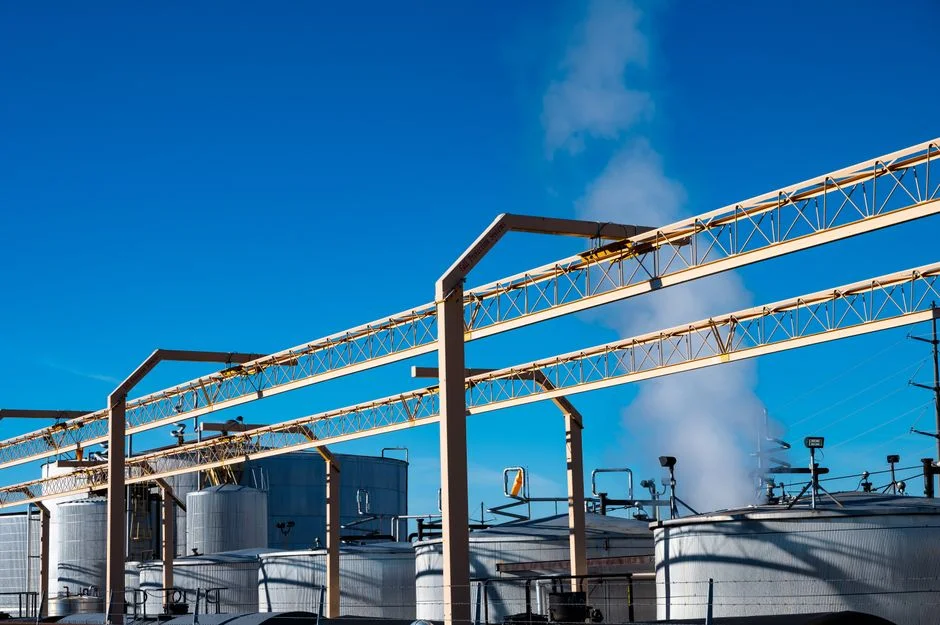
DAF should be considered the front-end separator when FOG, oil, suspended solids or colloidal matter could impair downstream biological treatment or overload sludge handling. Its role is not merely to lower a COD number; it physically removes material that would otherwise consume biological capacity or interfere with reactor operation.
The available industrial DAF system for rendering wastewater covers 4–300 m³/h across 13 standard models. Those catalog capacities are equipment-selection bounds, not recommended loading rates for every rendering plant. Final sizing must use the characterized flow and contaminant envelope, including peak and clean-out conditions.
DAF performance depends on FOG type, solids, pH, flow variability and the need for coagulation or pH adjustment. Chemical dosing is an integrated control point, not an accessory: an automatic chemical dosing system should be evaluated against measured alkalinity, pH variation, emulsion characteristics and the solids removed.
DAF skimmings, treated wastewater and sludge must all enter the mass balance. A recovered fat stream may have value, while DAF sludge and chemical residues may require wastewater sludge dewatering, storage and disposal. The treatment-train design should therefore define the fate of each stream before the flotation unit is purchased.
| DAF selection input | Why it matters | Information required from the buyer |
|---|---|---|
| Flow range | Defines hydraulic loading and equipment selection boundaries | Average, peak and event flows, including clean-out periods |
| FOG and solids | Determines flotation, coagulation and skimming requirements | FOG type, concentration, emulsification tendency and TSS |
| pH and alkalinity | Controls chemical demand and conditioning | pH range, alkalinity and dose-response testing where available |
| Solids outlets | Links flotation performance to downstream handling | Expected skim volume, characteristics and disposal route |
| Equipment boundary | Prevents an incomplete commercial comparison | Clarification, pumping, tankage, controls and instrument scope |
Anaerobic and Aerobic Biological Treatment
Anaerobic treatment is normally the primary COD-converting stage when the stream contains sufficient biodegradable organic load and biogas recovery has operational or energy value. It does not eliminate the need to manage fats, solids, nitrogen and variable loading. Aerobic treatment then oxidizes biodegradable material that remains, while MBR can provide biological polishing and membrane solids separation where the effluent specification requires it.
ACS Environment describes its UASB reactor as advantageous at relatively low wastewater volumes. It reports that its EGSB reactor reduces COD load by 85–90% and BOD5 by up to 90%. These are ACS Environment system-specific claims, not universal performance guarantees. Its rendering reference case is 4,700 kg/day COD, 341 m³ of wastewater and 800 mg/L effluent COD; this is an example configuration, not a general design basis or regulatory threshold.
The supplied research does not provide a rendering-specific aerobic removal value, so an aerobic performance claim should not be inferred. Aeration demand must be based on the influent after DAF, the residual biodegradable load leaving the anaerobic stage, temperature, nitrogen conditions and the required effluent profile.
MBR is a compact polishing option where membrane solids separation and reuse-oriented effluent quality justify the additional controls and solids-handling requirements. HydropureWater lists capacities from 10 to 2,000 m³/day for its integrated MBR system; this is a catalog range, not a recommendation without site data. See MBR wastewater treatment for COD polishing and a comparison of COD removal technologies for animal-processing wastewater.
| Stage | Primary role | Evidence or qualification |
|---|---|---|
| DAF pretreatment | Remove FOG, oil and solids before biology | Performance depends on wastewater-specific conditioning and solids capture |
| Anaerobic reactor | Convert biodegradable COD and potentially produce biogas | ACS Environment reports 85–90% COD-load reduction for its EGSB reactor |
| Aerobic treatment | Oxidize residual biodegradable material | No rendering-specific aerobic removal value was supplied |
| MBR polishing | Combine biological treatment with membrane solids separation | HydropureWater lists 10–2,000 m³/day for its integrated system |
Electrochemical and Oxidation Options for Refractory Fractions
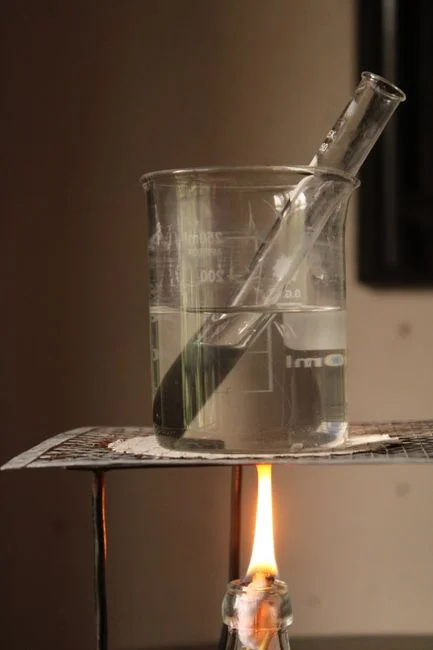
Electrochemical treatment is most credible for a segregated oily or refractory stream, or as a polishing step evaluated against a defined residual COD target. It should not replace upstream FOG control and biological capacity without pilot evidence because electrode consumption, solids generation, power demand and scale-up behavior remain design variables.
Wasit University reported 99.5% COD removal and 94.2% oil removal under the study’s optimum conditions. The experiment used a 2-liter coagulation cell with four aluminum and four iron electrodes, 2 cm spacing and 12 cm submergence. Operating conditions were pH 7, 50 minutes, 10.5 V and 0.5 g/L sodium chloride. Initial COD was 710 mg/L and initial oil was 95 mg/L; estimated energy consumption was 12 kWh/m³, with reported TSS of 73 mg/L. These results apply to the specified petroleum-wastewater test, not automatically to rendering wastewater.
The textile ozonation study provides a useful warning about transferring laboratory results. A Journal of Chemical Technology & Biotechnology study using 1 dm³ samples achieved complete color removal at 62 mg/min ozone and 15 minutes, but COD fell by only 21%. Extending treatment to 30 minutes slightly increased COD reduction. Color disappearance is not evidence of broad COD mineralization.
| Evidence | Reported conditions | Engineering interpretation |
|---|---|---|
| Wasit University electrocoagulation | 2-liter cell; specified electrodes, spacing, submergence, pH, voltage, salinity and 50-minute duration | Supports further site-specific evaluation for oily wastewater, not a plant guarantee |
| Textile ozonation | 1 dm³ samples; 62 mg/min ozone; 15 and 30 minutes | Complete color removal did not correspond to complete COD removal |
| Commercial-scale transfer | No supported rendering-plant scale-up data in the supplied research | Require pilot results, energy demand, electrode or oxidant consumption and solids yield |
Choose a Treatment Train Using a Decision Framework
Start the decision with stream segregation, hydraulic variability and the required discharge or reuse outcome rather than with a preferred reactor. Segregated rendering streams, balanced plant wastewater and polishing streams should not be treated as one undifferentiated design basis.
- If FOG and suspended solids threaten biological operation or sludge handling, use DAF pretreatment and define the chemical-conditioning requirement.
- If the characterized stream has adequate biodegradable COD and biogas recovery has value, evaluate anaerobic treatment using the mass and energy balance.
- If the final COD target or reuse requirement exceeds consistent biological performance, add aerobic treatment or MBR polishing.
- If a segregated stream contains refractory or oily COD, evaluate oxidation with site-specific pilot data rather than transferring laboratory percentages to commercial scale.
- Include chemical dosing, wastewater sludge dewatering, odor control, biogas handling, instrumentation and monitoring in the capital and operating-cost comparison.
The reference configuration from ACS Environment is 4,700 kg/day COD, 341 m³ of wastewater and 800 mg/L effluent COD, but it does not supply a complete rendering design basis or cost estimate. The supplied research contains no rendering-plant-specific capital cost or payback figure, so any budget should be obtained through a project-specific quotation.
For commercial planning, the MBR cost and ROI considerations for food-processing wastewater provide a framework for comparing equipment and operating cost, but food-processing data should not be relabelled as rendering evidence.
| Condition | Treatment response | Required confirmation |
|---|---|---|
| FOG or solids exceed downstream biological tolerance | DAF before anaerobic or aerobic treatment | Flow, FOG, TSS, pH and coagulation requirements |
| Biodegradable COD is substantial and energy recovery is valuable | Anaerobic treatment as the primary biological stage | BOD/COD, loading, nutrient balance, temperature and reactor suitability |
| Residual biodegradable COD must be oxidized | Aerobic biological stage | Residual load, nitrogen, aeration demand and site temperature |
| Effluent requires membrane solids separation | MBR polishing | Final COD basis, solids loading, membrane cleaning and reject handling |
| A segregated stream is refractory or oily | Pilot electrochemical or oxidation treatment | Matrix-specific performance, energy, reagent use and solids yield |
| Commercial treatment train is being compared | Whole-life comparison | Equipment scope, chemicals, sludge disposal, odor, biogas, labor and monitoring |
Sludge, Skimmings and Purchasing Requirements
DAF skimmings, separated fats and grease, biological sludge and chemical sludge are distinct waste streams. Each needs a separate mass balance and characterization review because their water content, oil content, stability and disposal route can differ materially. Procurement should not treat all residuals as one generic sludge.
HydropureWater’s plate and frame filter presses offer filtration areas from 1 m² to 500 m² in manual, hydraulic and fully automatic configurations. Selection still requires the solids characterization, expected generation rate, required cake dryness, operating cycle and disposal specification. A plate and frame filter press can address dewatering requirements only after the upstream process and residue characteristics are defined.
Ask each supplier to tie any performance guarantee to a defined influent envelope, required effluent basis, test method, duty cycle and sampling protocol. These are the conditions needed to tell whether two commercial offers are comparable. Project-specific data should take precedence over the ACS reference configuration.
Also require a clear exclusions list covering pretreatment equipment, pumps, tanks, chemical plant, instrumentation, electrical works, commissioning and off-gas or biogas treatment. Where solids clarification is part of the proposed package, confirm its boundary against a high-efficiency sedimentation tank and avoid duplicate solids-handling scope.
Frequently Asked Questions
What is the best COD removal system for a rendering plant?
There is no defensible single-unit answer without characterization. A typical sequence to evaluate is DAF for FOG and solids, anaerobic treatment for biodegradable COD, aerobic treatment for residual biodegradable load and MBR where membrane solids separation is required. Segregate refractory or oily streams and pilot any oxidation step before including it in the commercial train.
How much does a rendering wastewater treatment system cost?
The supplied research does not provide a rendering-plant-specific price or capital-cost range. Request a quotation based on characterized flow and COD loads, effluent basis, treatment stages, chemical consumption, sludge handling, odor control, biogas equipment, electrical scope, commissioning and long-term operating costs. A lowest equipment price is not comparable if these exclusions differ.
Should DAF be installed before anaerobic wastewater treatment?
Yes, when FOG, emulsified oil or suspended solids could interfere with anaerobic performance, reactor hydraulics or downstream solids handling. Confirm the decision using FOG, TSS, pH, flow variability and bench or pilot conditioning results. DAF is not justified solely because the wastewater has high COD.
Can the 99.5% COD removal from the electrochemical study be expected at my plant?
Not as a default expectation. The Wasit University result came from a 2-liter cell using a petroleum-wastewater matrix and specified electrode, salinity, voltage, pH and duration conditions. Require a representative rendering-wastewater pilot with full-scale mass, energy, electrode or reagent consumption and residual-solids data before making a guarantee.
What wastewater data should be submitted to a treatment-system supplier?
Submit COD, BOD, TSS, FOG, total nitrogen, ammonia, pH, temperature, conductivity and flow data, including peaks and clean-out events. Identify the sampling methods and operating states, separate renderings-floor, wash-down and condensate streams where possible, and state the required effluent COD, reuse conditions, permit basis and solids-disposal route. Also request a defined influent envelope, test method, duty cycle, sampling protocol and complete equipment-scope exclusions.