Separate the Five Wastewater Streams Before Designing Equipment
A data center in Hoji ya Henda generally needs separate treatment routes for sanitary wastewater, evaporative cooling-tower blowdown, construction fill-and-flush wastewater, closed-loop cooling-system discharge and regulated process wastewater. The correct route depends on flow, chemistry, contaminants, end use and receiving-authority acceptance. Blowdown must be characterized for solids, salts, hardness, corrosion risk, biocide residues and treatment interference before equipment is selected. A cooling tower operating at 4 cycles of concentration can lose approximately 25–30% of makeup water to blowdown, but that is a cited operating benchmark, not a Hoji ya Henda design value. The practical solution is source segregation followed by treatment, monitoring, pilot testing and controlled discharge or reuse.
Start with a signed source inventory. For each stream, record flow and peak flow, temperature, pH, conductivity, hardness, suspended solids, metals, nutrients, biocides, anti-scalants and treatment chemicals. Sampling points should distinguish makeup water, circulating water, blowdown, recovery permeate, concentrate and sanitary or process discharge.
| Wastewater stream | Primary risks | Design gate |
|---|---|---|
| Domestic sanitary wastewater | Organic load, nutrients, pathogens and solids | Confirm sewer acceptance or select a biological treatment route; do not dilute it with blowdown. |
| Evaporative cooling-tower blowdown | Concentrated salts, hardness, corrosion products, biocides and anti-scalants | Characterize before deciding between controlled discharge, recovery and reuse. |
| Construction fill-and-flush wastewater | Construction chemicals, pipe-cleaning residues and unexpected biological contamination | Develop a commissioning sampling and acceptance plan with the receiving authority. |
| Closed-loop cooling-system discharge | Residual treatment chemicals and metals; potential microbial contamination | Identify the exact cooling architecture and whether discharge is continuous or event-based. |
| Regulated process wastewater | Stream-specific metals, oils, colloids, chemicals and pH | Prepare a separate chemical mass balance and treatment objective. |
Construction flushing is a commissioning issue, not routine operating wastewater. E&E News reported atypical wastewater from data-center pipe filling and flushing in Cheyenne and Loudoun County, including construction chemicals and a rare bacterium in Cheyenne. In Loudoun County, developers must test flush-and-fill wastewater before sending it to the treatment plant, and the utility independently verifies results. These examples identify risk categories; they do not transfer U.S. permit decisions or biological findings to Angola.
Segregation should prevent cooling chemicals, concentrated salts and corrosion products from entering the sanitary sewer. A data center cooling blowdown treatment framework provides a useful process structure, while the location-specific data center wastewater guide illustrates why each project must resolve its own infrastructure and approval constraints.
Characterize Blowdown and Select a Water Reuse Objective
Cycles of concentration are the ratio of dissolved solids in circulating water to dissolved solids in makeup water; they indicate how much the evaporative process concentrates nonvolatile contaminants. Genesis Water Technologies reports that a cooling tower operating at 4 cycles of concentration loses approximately 25–30% of makeup water to blowdown. That is a global benchmark, not a confirmed Hoji ya Henda operating condition. Higher cycles reduce blowdown volume but increase salinity and chemical accumulation.
Set the reuse objective before selecting membranes. Returning treated permeate to cooling makeup provides the highest-value route, but requires the strictest water-quality and control package. Blending permeate with higher-quality makeup can reduce treatment complexity while maintaining a conservative reuse target. Lower-grade uses, such as washdown, require a separately defined quality specification and acceptance from the receiving authority or user; they should not be assumed acceptable.
| Reuse objective | Typical decision condition | Information required before selection |
|---|---|---|
| Return to cooling makeup | Cooling-system chemistry can accept the recovered-water quality and the recovery system can control scaling and corrosion. | Makeup and circulating-water analyses, treatment-chemical inventory, recovery target and cooling-water specification. |
| Blend with higher-quality makeup | Permeate quality is sufficient when mixed with the existing supply. | Blend ratio, peak makeup demand, storage and dosing arrangement, and permit conditions for non-potable reuse. |
| Lower-grade process or washdown use | No higher-value reuse is justified and the receiving use can tolerate the specified quality. | End-use quality limits, demand profile, cross-connection controls and authority approval. |
Evaporation leaves source-water minerals and salts behind, while cooling chemicals accumulate in proportion to cycles of concentration. Membrane selection therefore depends on scaling tendency, corrosion potential, suspended-solids loading and chemical compatibility, not only average blowdown flow. Require source-water and concentrate analyses covering calcium, magnesium, alkalinity, sulfate, chloride, silica, conductivity or TDS, hardness, suspended solids, temperature, pH, corrosion indicators, biocides, anti-scalants and any other chemicals added by the cooling-water program.
Genesis Water Technologies provides the following cooling-water ranges as design prompts, not automatic discharge limits: TDS of 500–1,500 mg/L, hardness of 200–400 mg/L as CaCO₃, suspended solids of 10–25 mg/L, pH of 6.5–8.5 and alkalinity of 50–200 mg/L as CaCO₃. They must be checked against the actual cooling system, source chemistry, recovery process and local approval conditions.
For a wider view of cooling-water reuse options, compare the Calumbo cooling reuse decision framework with the Tangerang blowdown treatment guide. Neither substitutes for Hoji ya Henda source testing.
Build the Treatment Train Around the Wastewater Quality
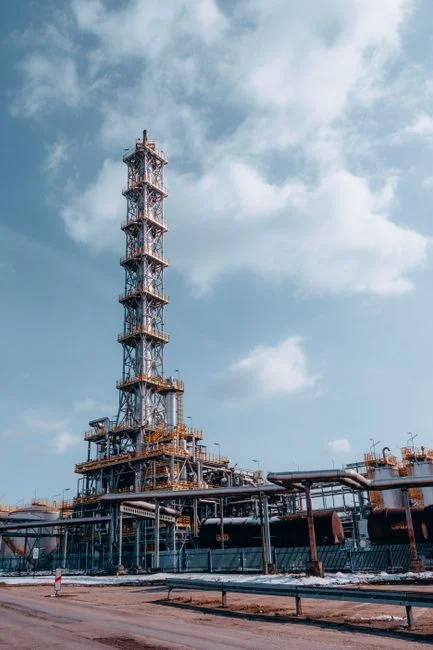
A blowdown treatment train should begin with source control and equalization, followed by filtration, hardness control, membrane recovery where justified, concentrate management and monitored reuse or discharge. The objective determines which stages are necessary; a membrane unit cannot compensate for uncontrolled variable flow, high suspended solids or incompatible chemicals.
Side-stream filtration removes suspended solids from circulating cooling water and can improve downstream membrane compatibility. The supplied blowdown source reports membrane-system recovery of 90–95%, with concentrate returned to the blowdown stream, while blowdown reverse osmosis alone typically recovers 50–85%. These are source benchmarks, not guaranteed project performance.
Where hardness requires control, use softening or another validated hardness-control method before the membrane. HydropureWater’s industrial softener is stated to handle 1–45 T/h and is intended for cooling systems and reverse-osmosis pretreatment. If ultrafiltration is specified for chemical-free solids separation and microbiological control before reverse osmosis, the hollow-fiber ultrafiltration system is described as using 0.03-micron PVDF membranes, accepting turbidity up to 300 ppm and providing automatic backwash and air scour. These are manufacturer specifications and require confirmation against representative feed water.
| Treatment stage | Main purpose | Selection gate |
|---|---|---|
| Source control and equalization | Stabilize flow and concentration before treatment | Complete source inventory, variability assessment and equalization-volume calculation. |
| Side-stream filtration | Reduce suspended solids and protect downstream equipment | Define solids loading, filtration objective and waste or backwash route. |
| Softening or hardness control | Reduce scale-forming calcium and magnesium | Test hardness, alkalinity, sulfate and concentrate chemistry. |
| Ultrafiltration | Provide solids and microbiological separation before RO | Confirm flux, backwash, cleaning and feed-water compatibility by pilot testing. |
| Nanofiltration | Reduce hardness when full TDS removal is unnecessary | Genesis Water Technologies reports 30–40% lower energy use than RO and a 350-to-120 mg/L hardness reduction in a 10-MW application. |
| Reverse osmosis | Reduce dissolved solids for reuse or controlled concentrate generation | Require feed and concentrate analyses and guaranteed project-specific recovery and permeate quality. |
Nanofiltration may be sufficient where hardness is the principal constraint. Reverse osmosis becomes more compelling when lower TDS or controlled concentrate is necessary; the industrial reverse osmosis system is described as automated and capable of recovery rates up to 95%, subject to feed chemistry and the selected configuration.
Concentrate is a design output, not a residual. The supplied blowdown source reports that concentrating blowdown can reduce discharge volume by 80–90%, while full zero-liquid-discharge systems reach 95–99% overall recovery but carry much higher capital complexity. Compare evaporation, crystallization, controlled discharge or return to another process only after assessing concentrate chemistry, solids handling, energy demand, odor, containment and the receiving authority’s position.
Define disinfection separately. Additional disinfection may be necessary for the site’s cooling-water program, Legionella risk assessment and reuse specification, but it should not be added automatically. The ultrafiltration design guide explains the separation role of UF, while the nanofiltration design guide provides a basis for comparing pressure, energy and treatment objectives.
Route Sanitary and Process Wastewater Through Appropriate Treatment
Sanitary wastewater and regulated process wastewater require separate treatment logic from cooling blowdown. If a suitable sewer connection is available, negotiate connection conditions through a wastewater characterization and acceptance process. If it is not available, evaluate a packaged biological treatment plant rather than blending sewage with concentrated cooling discharge.
HydropureWater’s MBR membrane bioreactor combines activated sludge with submerged PVDF membrane filtration, is described as producing near-reuse-quality effluent with filtration below 1 micron, and is stated to serve capacities from 10–2,000 m³/day. Those manufacturer figures identify a candidate technology range; they do not establish the required Hoji ya Henda capacity or effluent standard. Final selection depends on sanitary flow, load, footprint, receiving options, sludge production, local approval and operator capability.
For process wastewater containing suspended solids, oil and grease or colloidal contaminants, evaluate dissolved-air flotation pretreatment. HydropureWater’s DAF system is stated to cover 4–300 m³/h. A chemical mass balance should identify the source and fate of each treatment chemical, soluble contaminant and metal. A cooling-water membrane train should not be presumed to remove soluble process contaminants.
Residuals remain part of the project scope. Estimate biological sludge, DAF float, membrane cleaning waste and concentrate quantity; then define thickening, dewatering, storage, transport and disposal interfaces. The Angola sludge dewatering guide is a useful follow-up for residue volume, cake characteristics and disposal planning.
Keep sanitary and process acceptance criteria separate from the cooling reuse specification. The domestic sewage treatment guide offers a biological-treatment reference point, but local sewer capacity, groundwater conditions, discharge routes and regulatory requirements must be confirmed for Hoji ya Henda.
Set Monitoring, Pilot Testing and Angola Approval Gates
Approval and commissioning should be design gates, not post-installation paperwork. E&E News reports that Loudoun Water requires data-center developers to test construction flush-and-fill wastewater and independently verifies the results. For Hoji ya Henda, apply the same control principle: identify the authority, define the sample, establish acceptance criteria and document the result before discharge.
| Gate | Required evidence | Release condition |
|---|---|---|
| Source characterization | Representative analyses for every stream | Flow, chemistry, contaminants and variability are defined. |
| Treatment pilot | Representative-water test of the proposed train | Recovery, permeate quality, fouling, cleaning and concentrate performance are demonstrated. |
| Utility acceptance | Written confirmation for sewer use or discharge | Each stream has an authorized destination and monitoring basis. |
| Reuse authorization | Water-abstraction and non-potable reuse conditions | Reuse quality, controls and reporting are accepted by the relevant authority. |
| Environmental review | Receiving-water and discharge assessment | On-site treatment outputs do not create an unauthorized discharge. |
| Commissioning | Operational tests and verified analytical results | Backwash, membrane cleaning, dosing, alarms, blending and concentrate routing pass acceptance tests. |
Create a sampling plan for raw makeup water, circulating cooling water, blowdown, recovery permeate and concentrate. Include pH, conductivity or TDS, hardness, suspended solids, temperature, metals and project-specific treatment chemicals. Sampling frequency should follow variability, water chemistry, treatment performance and authority requirements; no local frequency can be assumed from the supplied research.
Pilot the proposed train on representative water rather than relying only on desktop chemistry ranges. Record recovery, pressure or flux behavior, cleaning demand, permeate quality, concentrate flow and concentrate chemistry. Where a membrane is proposed, challenge it with the expected maximum variability rather than a single averaged sample.
Place four authorizations in the schedule: discharge or sewer use; treatment-process approval; water abstraction if recovered water supplies cooling makeup; and environmental review of receiving waters. Ask the receiving authority whether it accepts each stream separately and whether on-site treatment creates a new discharge requiring separate authorization.
Commissioning should test automatic backwash, membrane cleaning, chemical dosing, alarm response, concentrate routing and reuse-water blending. Use the wastewater self-monitoring guide to structure records and the acquisition wastewater compliance guide to test whether inherited assumptions remain valid after a change of control.
Compare Equipment and Service Options Before Ordering
Equipment selection should follow the verified treatment objective, not a preferred product. Automatic chemical dosing, ultrafiltration, industrial softening and reverse osmosis solve different problems. A bid should explain how its proposed train responds to the measured feed chemistry, expected peak flow, reuse target, discharge route and available utilities.
| Procurement check | Information the buyer should require | Reason for the check |
|---|---|---|
| Hydraulic basis | Average and peak flow, operating hours, storage and equalization basis | Prevents equipment from being selected on an unrepresentative design flow. |
| Water-quality basis | Feed analyses, concentrate chemistry and project-specific reuse or discharge criteria | Makes performance testable against actual conditions. |
| Performance guarantee | Guaranteed recovery, permeate quality and concentrate flow under defined feed conditions | Generic cooling-water ranges do not establish project performance. |
| Supplier scope | Pretreatment, membranes, controls, chemical storage, residuals, commissioning and analytical validation | Clarifies interface gaps and ownership of performance. |
| Operations | Automation, operator training, maintenance, cleaning strategy and spare parts | Determines whether the plant can remain in service. |
| Local delivery | Shipping, installation, commissioning, technical support and spares arrangements | Addresses project risk where immediate international support cannot be assumed. |
Require bids to state design flow, peak flow, recovery target, feed chemistry, concentrate destination, footprint, utility requirements, automation and operator training. Clarify whether the supplier includes pretreatment, membranes, controls, chemical storage, sludge or concentrate management, commissioning and independent analytical validation. A package that excludes concentrate routing is incomplete.
Performance guarantees should be tied to the project’s water analysis. For example, specify recovery, permeate quality and concentrate flow under agreed feed and operating conditions rather than accepting a promise based only on generic cooling-water ranges. The automatic dosing pump selection guide supports evaluation of chemical-delivery scope, while the treatment parts and valve guide helps identify maintenance items that should appear in the supplier scope.
Do not assume an immediate international spare-part network in Angola. Confirm shipping routes, installation responsibility, commissioning attendance, critical spares, response times, training and ongoing analytical support before placing the order. Local support and maintainability can outweigh a small equipment-price difference.
Frequently Asked Questions
How should data center wastewater treatment equipment in Hoji ya Henda be sized?
Size each treatment train from representative data rather than one campus-wide flow. The buyer must request daily and peak flows for sanitary, blowdown, construction flushing, closed-loop discharge and process wastewater, together with temperature, pH, conductivity or TDS, hardness, suspended solids, metals, nutrients and treatment chemicals. Equalization and storage must reflect measured variability. The 25–30% blowdown-loss benchmark from Genesis Water Technologies applies to a cooling tower at 4 cycles of concentration; it is not a local sizing factor.
Which treatment route should be selected for cooling blowdown?
Choose after testing the source and concentrate. Return to cooling makeup only if permeate quality and system controls satisfy the cooling specification; otherwise assess blending, lower-grade reuse or controlled discharge. Membrane feasibility depends on scaling, corrosion, suspended solids and chemical compatibility. The reported 90–95% membrane-system recovery and 50–85% reverse-osmosis recovery are global benchmarks, not guaranteed values for Hoji ya Henda.
What drives the cost of a data center wastewater treatment package?
The main drivers to price are treatment objective, peak flow, feed chemistry, required recovery, membrane pretreatment, concentrate route, storage, pumping, chemical delivery, controls, commissioning and residual disposal. The supplied research reports capital ranges for some generic installations and zero-liquid-discharge configurations, but those figures are not Hoji ya Henda quotations. Request an itemized local bid using the project water analysis, flow diagram, utility requirements and confirmed disposal routes.
How should a supplier be selected without overstating compliance?
Select a supplier against measurable acceptance criteria. Require project-specific guarantees for recovery, permeate quality and concentrate flow; defined responsibilities for pretreatment, controls, chemicals, residuals, commissioning and training; and a local service plan. Regulatory compliance cannot be transferred from Frankfurt, Tlaquepaque or U.S. examples. Obtain written confirmation from the relevant Angolan authorities and receiving utility for every discharge, sewer connection, reuse route and abstraction point.