Why Carpet Manufacturing Wastewater Needs a COD-and-Toxicity Treatment Strategy
Carpet manufacturing wastewater COD removal generally works best as a staged treatment process: characterize and segregate the streams, remove suspended solids, oil and grease, reduce toxicity where needed, then apply biological treatment for residual biodegradable COD. A 2021 carpet-specific study found that Fenton oxidation removed 81% of COD and reduced toxicity by 68%, while Fenton-like oxidation removed 62% of COD and reduced toxicity by 76%. The study recommends oxidation as pretreatment before biological treatment because chemical cost can be prohibitive if Fenton is used as the main COD-removal stage. Final equipment selection must therefore be based on site wastewater chemistry, pilot results, discharge targets and sludge-management requirements.
COD, as defined in the U.S. EPA’s Industrial Wastewater research summary, is the oxygen required to chemically oxidize both organic and oxidizable inorganic compounds in water. That definition makes COD useful for estimating oxidant demand and comparing treatment performance, but it does not establish how biodegradable the waste is, whether process chemicals inhibit biology, or which treatment stage is doing the work.
That distinction is critical for carpet textile wastewater. The carpet-specific study by Desalination and Water Treatment (2021) identifies the toxic impact of chemicals used in different carpet-manufacturing processes as a central treatment problem. A COD claim alone can therefore conceal an unsuitable biological feed or encourage unnecessary oxidation without establishing whether toxicity has been reduced enough for effective downstream degradation.
Before selecting equipment, the project team should document flow variability, COD, BOD, toxicity, suspended solids, oil and grease, pH, and the specific process chemicals entering each drain. Segregated process dumps should be distinguished from wash water and other lower-strength streams. Dye and petroleum wastewater studies may help identify technologies worth testing, but they cannot establish carpet-factory performance. EPA’s industrial-wastewater summary also emphasizes the wide variability of industrial discharges and the need for industry-by-industry treatment research. Further process context is available in the rendering plant wastewater COD removal engineering guide and the industrial COD removal treatment-train comparison.
Build the Treatment Train from Contaminant Sources to Final Effluent
A defensible treatment train assigns each stage a specific contaminant-removal or toxicity-control objective and passes the resulting sludge to a defined disposal route. Starting with source segregation reduces the flow and chemical load that must be treated; physical pretreatment protects downstream biological and oxidation equipment; biological treatment handles residual biodegradable COD; and membrane separation is added only when the required discharge or reuse quality justifies it.
- Segregate sources. Keep concentrated process dumps separate from lower-strength wash water where practical. EPA’s industrial-wastewater research summary describes discharges as highly variable, so averaging all factory effluent can conceal batch dumps and unsuitable chemical combinations.
- Remove material solids first. Suspended solids, colloids, oil and grease can burden oxidation, interfere with biological treatment and foul membranes. A DAF system for carpet wastewater pretreatment is an option to evaluate where floatable material is material to the load.
- Control toxicity where testing supports it. Fenton or Fenton-like advanced oxidation can precede biology when the wastewater contains inhibitory process chemicals. This is not automatically the correct train: reagent consumption, pH control and sludge generation must be included in the comparison.
- Remove residual biodegradable COD biologically. The 2021 carpet study found that either oxidation process provided sufficient toxicity reduction to allow effective COD removal in the subsequent biological phase.
- Add membranes only for a defined quality need. An MBR membrane bioreactor for industrial COD removal combines biological treatment with membrane filtration; it should be justified by the effluent specification, reuse objective or constraint on the receiving system.
- Close the solids balance. Pretreatment and biological stages generate concentrated solids. Their characterization and disposal should be included before equipment procurement, with a plate-and-frame filter press considered where the resulting sludge is suitable for dewatering.
| Treatment function | Primary decision input | Evidence status | Procurement focus |
|---|---|---|---|
| Source segregation | Drain composition, batch dumps, flow variability | EPA identifies industrial discharge variability | Equalization and segregation controls |
| Physical pretreatment | Suspended solids, oil and grease, colloids | Site characterization required | DAF performance and solids handling |
| Oxidation pretreatment | COD, toxicity, process chemicals, pH | Carpet-specific laboratory findings available | Reagent use, control scope and sludge |
| Biological treatment | BOD, toxicity, residual biodegradable COD | Supported as the stage following successful oxidation | Loading, acclimation and effluent performance |
| Membrane separation | Required final quality or reuse constraint | Plant-specific justification required | Flux, cleaning, replacement and controls |
| Sludge treatment | Solids characterization and disposal route | Design input not established by supplied research | Yield, dewatering and waste classification |
Compare Pretreatment Options for COD and Toxicity Control

For carpet effluent, the pretreatment decision should separate two questions: how much COD is removed, and how much toxicity is reduced for downstream biology. The 2021 carpet study shows why one percentage cannot stand in for the other.
Under the study’s optimized conditions, Fenton oxidation produced 81% COD removal and 68% toxicity reduction. Its optimum H2O2/COD and H2O2/Fe2+ molar ratios were 0.06 and 0.60 mol/mol, respectively. Fenton-like oxidation produced 62% COD removal and 76% toxicity reduction, with corresponding optimum ratios of 0.29 and 4 mol/mol. These results belong to the study’s experimental conditions, not a carpet plant operating envelope.
Both processes were evaluated as pretreatment before biological treatment. The same study states that chemical cost may be prohibitive when oxidation is the main treatment phase, while adequate toxicity reduction supported effective COD removal in the following biological phase. In practice, Fenton therefore deserves evaluation when toxicity inhibition is demonstrated—not simply because a supplier can quote a high COD-removal percentage.
Analogous-industry evidence can frame pilot questions but cannot close them. A 2020 Applied Water Science study of dye-intermediate wastewater used a 60-minute reaction time to investigate simultaneous COD and ammoniacal-nitrogen removal with Fenton oxidation; it was not carpet wastewater. A Wasit University petroleum-wastewater study reported 94.2% oil removal and 99.5% COD removal under its own laboratory conditions, including specified electrodes, spacing, immersion depth, pH, voltage, reaction time and initial wastewater composition. Its estimated energy consumption of 12 kWh/m³ belongs to that petroleum-wastewater experiment and cannot be transferred to carpet-plant design without site testing.
| Option or evidence source | Reported result and scope | How to use it in procurement |
|---|---|---|
| Fenton oxidation, carpet effluent, 2021 | 81% COD removal; 68% toxicity reduction | Primary carpet-specific benchmark for oxidation pretreatment |
| Fenton-like oxidation, carpet effluent, 2021 | 62% COD removal; 76% toxicity reduction | Evaluate where toxicity control is more important than COD removal alone |
| Fenton, dye-intermediate wastewater, 2020 | COD and ammoniacal nitrogen investigated with a 60-minute reaction time | Supporting evidence only; different industrial wastewater |
| Electrocoagulation, petroleum wastewater | 94.2% oil removal; 99.5% COD removal under specified laboratory conditions | Screen oily wastewater; do not transfer performance, energy or electrode settings |
| Fenton-based carpet treatment | Chemical cost may be prohibitive if oxidation is the main treatment phase | Require reagent consumption and whole-train operating-cost disclosure |
Chemical delivery, mixing and pH adjustment are not accessories; they are part of the oxidation process. During feasibility review, compare an automatic chemical dosing system against the reagent demands demonstrated during testing, while also applying the textile wastewater treatment compliance and process guide to local discharge and pretreatment obligations.
Select Physical and Biological Stages Around the Actual Wastewater
DAF, industrial biological treatment and MBR are complementary choices, not interchangeable products selected from the same COD-removal menu. DAF addresses material that can be separated physically; biological treatment addresses biodegradable COD after toxicity has been controlled; MBR adds membrane separation to a biological process when the output requirement justifies its additional operating and maintenance burden.
Use DAF when suspended solids, oil and grease, colloids or floatable material materially contribute to the load or threaten downstream equipment. The supplied catalog application range is 4–300 m3/h, and its stated removal scope includes suspended solids, FOG, oil and grease, and colloidal matter. These are product-selection context, not guaranteed carpet-effluent results; actual performance must be confirmed against site wastewater.
Place biological treatment after the wastewater has been made sufficiently biodegradable. The carpet-specific findings support this sequence when oxidation achieves adequate toxicity reduction, but they do not establish a universal biological loading rate. Acceptable loading, acclimation, sludge age, nutrient balance and final COD must therefore be developed from representative wastewater.
Choose conventional biological treatment when the required effluent can be met without membrane separation. Consider an MBR when the discharge constraint, reuse objective or solids-retention requirement justifies membrane operation and the plant can manage its controls, cleaning and replacement demands. The supplied MBR catalog application range is 10–2,000 m3/day and describes near-reuse-quality output with filtration below 1 micron. Neither figure establishes carpet-wastewater performance without pilot confirmation.
| Decision point | Choose the stage when | Evidence to request before sizing | Main operating risk |
|---|---|---|---|
| DAF | Solids, FOG, oil or colloids are material to the load | Flow, solids loading, floatables, chemical demand and sludge yield | Carryover and poor flotation performance |
| Advanced oxidation | Testing shows toxicity inhibition or the waste is not directly biodegradable | Dose-response, reagent demand, pH response and toxicity measurement | High chemical cost and residual oxidant demand |
| Biological treatment | Wastewater is sufficiently biodegradable after pretreatment | BOD/COD relationship, toxicity, loading response and final effluent data | Inhibition, bulking or biomass loss |
| MBR | Effluent quality, reuse or solids-retention needs justify membranes | Pilot flux, cleaning frequency, membrane life and controls | Fouling, replacement and specialist maintenance |
| Chemical dosing | Any stage requires reagent delivery and pH control | Storage, metering, mixing and fail-safe scope | Overdosing, incompatibility or stock-out |
For further selection context, compare the DAF system for carpet wastewater pretreatment with the MBR membrane bioreactor for industrial COD removal, then require the automatic chemical dosing system to cover the verified reagent and pH-control duties of the selected train.
Size the System with Pilot Data and Operating Uncertainty
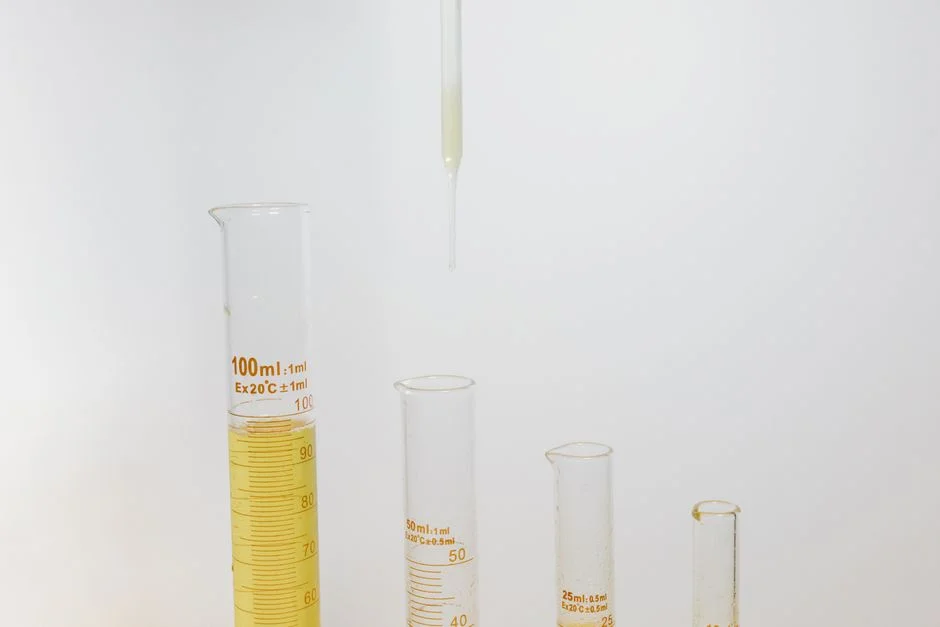
Headline laboratory removal percentages cannot size a carpet-factory treatment system because production conditions, drain composition, hydraulic variation and sludge handling determine the operating envelope. A representative wastewater campaign should run before oxidation dose, biological loading or membrane configuration is fixed.
The campaign should cover normal production, cleaning cycles and known batch dumps, with flow and load recorded rather than inferred from a single grab sample. Characterize COD and BOD together; include toxicity, suspended solids, oil and grease, pH and the process chemicals associated with each drain. Measure the toxicity response alongside COD because the 2021 carpet study evaluated both and showed that stronger COD removal did not necessarily correspond to stronger toxicity reduction.
Run the proposed train, not only an isolated unit test. The pilot should establish hydraulic response, chemical demand, biological response, membrane behavior where relevant, and the mass and characteristics of the resulting sludge. For oxidation, use the carpet study’s ratios as initial points for controlled testing rather than fixed plant settings. For biological and membrane stages, seek loading and flux evidence under representative conditions.
Ask suppliers for mass-balance and performance data under the proposed hydraulic and contaminant loading. Percent removal alone can conceal poor absolute effluent quality, increasing reagent use, or unfavorable sludge generation. Require them to disclose reagent consumption, energy use, sludge yield, chemical storage, operator labor, maintenance, controls scope, membrane or media replacement, and after-sales support.
The research values are experimental results with defined scopes. They are useful benchmarks for pilot planning and supplier discussions, not universal guarantees. Where site information is missing, require the supplier to identify it as an assumption or validation item rather than presenting catalog limits as demonstrated carpet performance. Equipment review may also consider ancillary items such as a multi-media filtration system or a rotary mechanical bar screen, but only where the pilot and process flow establish a genuine role for them.
Compare Quotes on Treatment Performance, Operating Cost and Compliance Risk
Comparable proposals must describe the same influent and the same final-effluent obligation. Normalize each quote by influent flow, COD load, toxicity, operating hours and required final-effluent quality. Then assign every quoted stage a defined objective: physical removal, oxidation, biological degradation or membrane separation. This prevents a low-cost quote for a solids-removal stage from being misread as a complete treatment guarantee.
| Procurement check | Information to request | Reason for the check | Commercial risk if omitted |
|---|---|---|---|
| Same-basis performance | Influent flow and load, operating hours, effluent target, removal and residual quality | Percentages from different conditions are not comparable | Undersized or noncompliant system |
| Stage-specific scope | Mechanical, oxidation, biological and membrane objectives with boundaries | Prevents duplication and gaps | Equipment omitted or responsibility unclear |
| Whole-train operating cost | Chemicals, energy, sludge handling, labor, replacement and maintenance | Acquisition price is not operating cost | Underfunded treatment and shutdown risk |
| Evidence quality | Carpet experience, pilot data, controls scope and chemical compatibility | Laboratory percentages do not establish plant performance | Performance risk transferred to buyer |
| Residuals and support | Sludge route, storage, maintenance, controls and after-sales scope | Treatment is incomplete without residuals and operability | Delayed commissioning or unsafe operation |
| Compliance responsibility | Applicable local discharge, pretreatment and reuse requirements | The supplied EPA material gives rationale, not a current carpet-industry limit | Permit or receiving-system noncompliance |
Chemical cost is a material Fenton risk because the 2021 carpet study specifically identifies it as potentially prohibitive when oxidation is the main treatment phase. Insist that any Fenton quote identify peroxide consumption, iron consumption, pH-adjustment demand and the expected biological contribution after oxidation. Do not allow a single COD-removal percentage to hide the cost boundary.
Compliance also requires a site-specific check with the authority and receiving system applicable to the factory. The supplied EPA research supports the treatment rationale and the need to consider toxicity, but it does not provide a current numeric carpet-industry effluent limit. Use the industrial COD removal treatment-train comparison to structure technical questions and the pretreatment compliance guide to identify information that must be confirmed locally.
Frequently Asked Questions
Why should Fenton usually be evaluated as pretreatment rather than selected automatically as the primary carpet wastewater COD-removal stage?
The 2021 carpet-specific study evaluated Fenton and Fenton-like oxidation before biological treatment because the objective was to reduce toxicity enough for effective downstream COD removal. It reported 81% COD removal and 68% toxicity reduction for Fenton, and 62% COD removal and 76% toxicity reduction for Fenton-like oxidation. The study also states that chemical cost may be prohibitive when oxidation is the main treatment phase. A plant should therefore test oxidation against the actual toxicity and biodegradability of its wastewater before assigning it the principal COD-removal role.
What should a buyer include when comparing treatment cost and budget?
Request a whole-train operating-cost breakdown rather than a reagent-only or equipment-only price. It should cover oxidants and other chemicals, energy, sludge handling and disposal, operator time, membrane or media replacement, maintenance, controls and chemical storage. Ask the supplier to state the design basis and what operating data will support each estimate. No supported research quotation establishes a plant-specific price, so the buyer must provide flow, COD load, toxicity, operating hours and effluent targets before requesting a meaningful budget.
How should equipment capacity be selected for a carpet factory?
Base sizing on a representative wastewater campaign and the selected treatment objectives, not on one COD concentration. Include production, wash-down and batch-dump conditions, then test hydraulic and contaminant loading through the proposed train. The supplied DAF range of 4–300 m3/h and MBR range of 10–2,000 m3/day are catalog application contexts, not guaranteed carpet-wastewater capacities. Request mass-balance and residual-effluent data under the proposed operating conditions.
Which supplier evidence distinguishes verified plant performance from laboratory removal percentages?
Ask for carpet-manufacturing references, pilot reports, influent and effluent mass balances, operating hours, reagent consumption, controls scope, sludge handling and after-sales support. Laboratory percentages should remain explicitly tied to their source wastewater and conditions. For any dewatering package, request the plate-and-frame filter press feed specification and expected cake characteristics rather than accepting a generic sludge-removal claim.