Choose the Treatment Objective Before the Equipment
An industrial effluent treatment plant in Medellín is usually selected as a treatment train rather than a single machine. DAF can remove suspended solids, FOG, oil and grease; biological treatment addresses biodegradable organics such as COD; an integrated MBR wastewater treatment system combines biological treatment with membrane filtration below 1 μm; and UF provides low-turbidity polishing without chemical cleaning. Exact sizing depends on flow, contaminant loading, variability, reuse requirements, discharge destination and sludge handling.
Separate sanitary sewage, industrial process water and mixed streams before issuing an equipment inquiry. A packaged sewage treatment system may fit a sanitary duty, while an industrial process stream may require DAF pretreatment, biological treatment and site-specific polishing. Mixing streams should not obscure the origin of a high-strength slug, incompatible cleaning chemical or variable discharge.
Record average and peak flow, operating schedule, wastewater temperature and expected variation in COD, suspended solids, FOG, pH and sector-specific contaminants. Then define the final destination: direct discharge, sewer pretreatment, irrigation, another reuse route and internal process recovery impose different acceptance criteria. Physicochemical treatment separates material; biological treatment removes biodegradable organics; membranes clarify or concentrate contaminants; disinfection controls viable organisms only after the required physical and biological treatment.
For demanding reuse applications, polishing may require dedicated research. The University of Twente thesis Direct nanofiltration of wastewater treatment plant effluent evaluated nanofiltration for polishing WWTP effluent and considered agricultural or direct/indirect potable reuse. That is research context, not evidence of eligibility for a particular discharge in Medellín.
Build a Wastewater Characterization and Compliance Brief
A procurement-ready brief must represent both the wastewater and the receiving requirement. Request representative samples across production, washdown and cleanup cycles instead of relying on one laboratory grab sample. For each stream, record flow, COD, suspended solids, FOG, pH, temperature and relevant sector-specific contaminants. The sampling plan should state whether results are grab, composite or event-based.
Ask the laboratory and process team to distinguish soluble from settleable solids. That distinction affects the selection of DAF or lamella clarification, while equalization and segregation help prevent a high-strength slug from masking the normal operating profile. Identify incompatible cleaning chemicals before combining streams; chemical dosing, storage, containment and abnormal-operation controls may need to be engineered into the train.
For reuse, sensitive receiving waters, or pharmaceutical and chemical production, request analysis of micropollutants, endocrine-active compounds and whole-effluent toxicity where relevant. A comparative analysis indexed by Science.gov, published in 2013, used routine water-quality parameters, whole-effluent toxicity and selected endocrine-active compounds as separate assessment tiers. A USGS investigation dated 2011 determined 300 individual constituents at each sampling site, with concentrations from nanograms per liter to milligrams per liter.
Do not infer the applicable rule from research conducted elsewhere. Ask the relevant Medellín authority, sewer authority or environmental authority to confirm discharge, pretreatment and reuse conditions for the actual facility, receiving point and proposed end use.
| Brief item | Evidence or decision required | Procurement consequence |
|---|---|---|
| Hydraulic profile | Average flow, peak flow, operating schedule and unit destinations | Defines hydraulic capacity, equalization and turndown checks |
| Organic and solids loading | COD and suspended-solids results by production cycle, including soluble and settleable fractions | Determines biological duty and whether solids pretreatment is required |
| FOG and source segregation | Oil, grease and FOG; incompatible cleaning chemicals | Determines DAF, equalization and chemical-control scope |
| Advanced risk | Micropollutants, endocrine-active compounds or whole-effluent toxicity where applicable | May require additional analysis or pilot work before specifying polishing |
| Acceptance basis | Confirmed discharge, sewer-pretreatment and reuse conditions | Defines measurable guarantees and the performance test |
Include headworks and chemical-control requirements in the same brief. A fine mechanical screen can protect downstream equipment from solids and fibrous debris, while an industrial rotary mechanical screen can be evaluated as a headworks option. Chemical demand must also be defined so that an automatic chemical dosing system is sized for the actual duty rather than an assumed reagent scheme.
Match Each Contaminant to the Right Treatment Stage
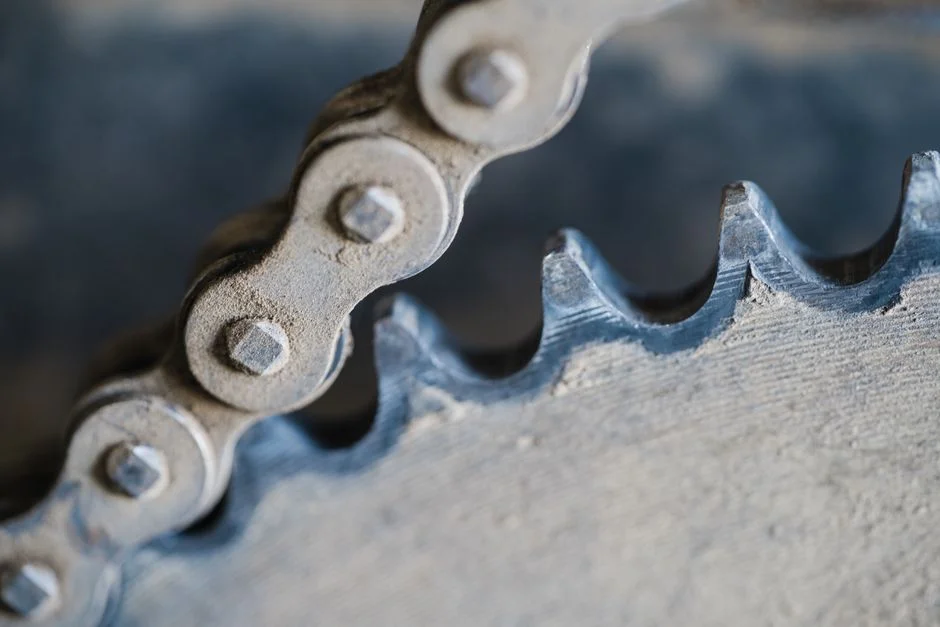
A defensible treatment train assigns each contaminant to a stage with a clear removal mechanism. Fine screening comes first: it removes solids, rags, plastics and fibrous debris that could overload pumps, valves or biological processes. The GX Series is designed for municipal and industrial wastewater headworks.
Use DAF when oil, grease, FOG, colloids or a substantial suspended-solids load would interfere with biological or membrane treatment. The HydropureWater DAF range covers 4–300 m³/h across 13 standard models. DAF is a solids-recovery stage; it does not replace biological treatment of biodegradable COD.
Use biological treatment where the objective is biodegradable organic-load removal. A ceramic-industry case study in Water Environment Research reported a progressive COD decrease of up to 95% over 21 days using moving bed biofilm reactor technology and coagulation. That result belongs to that case and does not establish a guarantee for another wastewater.
Use MBR when biological treatment and membrane separation are required together. The HydropureWater MBR combines activated sludge with submerged PVDF membranes, provides filtration below 1 μm and is available from 10 to 2,000 m³/day. Specify membrane-cleaning chemicals, replacement support and monitoring requirements in the lifecycle cost.
Use UF where low-turbidity clarification or RO pretreatment is required. The HydropureWater UF system uses 0.03 μm PVDF membranes, handles 2,000–40,000 L/h and accepts turbidity up to 300 ppm. Treat sludge handling as part of the process: a plate-and-frame filter press can separate solids from sludge, while lamella clarification can support solids settling and sludge recirculation.
| Primary objective | Treatment role | Procurement check |
|---|---|---|
| Remove rags, plastics and fibrous solids | Fine screening at the headworks | Screen aperture, extracted-solids handling and downstream protection |
| Remove FOG, oil, colloids and recoverable solids | DAF pretreatment system | Separable sludge, recycle, air supply and upset-flow response |
| Remove biodegradable COD | Activated sludge, MBBR or MBR biological stage | Loading basis, residence conditions, sludge handling and redundancy |
| Separate biological solids | Integrated MBR wastewater treatment system | Flux assumptions, cleaning, replacement and normalized operating data |
| Produce low-turbidity polishing or RO feed | UF water treatment system | Feed turbidity, backwash, integrity monitoring and reject or downtime strategy |
| Control pathogens after required treatment | Disinfection | Placement after physical and biological removal, dosing and residual monitoring |
Disinfection must follow the required removal stages. Hospital-effluent research described cartridge filtration, ultrafiltration and chlorination as an integrated reuse sequence, not as a substitute for pretreatment.
Compare DAF, MBR, UF and Packaged Treatment Systems
DAF, MBR, UF and packaged biological systems are complementary, not interchangeable. DAF is primarily a solids, oil and grease, FOG and colloid-removal stage. MBR integrates biological treatment and membrane filtration in a compact arrangement, but membrane cleaning, replacement and monitoring must be included in the offer. UF physically removes bacteria, colloids and suspended solids without cleaning chemicals and is commonly positioned for municipal or RO-pretreatment duty.
The WSZ integrated sewage plant combines anoxic and aerobic biological contact oxidation, sedimentation and disinfection in one buried package for 1–80 m³/h. It is most relevant to sanitary or mixed-sewage duties rather than every industrial process stream. A plant that handles an industrial COD load, FOG or sector-specific contaminants needs a process basis matching that wastewater.
| Technology | Primary role | Key procurement question |
|---|---|---|
| DAF | Oil, grease, FOG, colloid and solids separation | What sludge and recycle arrangements are included, and what influent upset can the unit tolerate? |
| MBR | Biological COD removal with membrane separation | Are membrane flux, cleaning cycles, replacement intervals and monitoring included in the guarantee? |
| UF | Low-turbidity clarification and RO pretreatment | What feed-water limits, backwash demand and integrity checks apply? |
| WSZ packaged system | Sanitary or mixed-sewage biological treatment, settling and disinfection | Does the wastewater profile and reuse objective fall within the package basis? |
Do not compare nominal capacities outside a common basis. Evaluate every bid against the same wastewater characterization, peak-flow definition, duty cycle, required effluent specification, guarantees and commissioning protocol. This prevents a DAF quotation from being compared directly with an MBR quotation as though both were complete biological treatment systems.
Advanced polishing may need a separate project. The University of Twente examined direct nanofiltration for WWTP-effluent reclamation. Wageningen University’s 2022 thesis examined constructed wetlands for micropollutant removal from treatment-plant effluent. Both are research contexts: neither establishes that a proposed Medellín reuse route is permissible or that one advanced process will perform consistently without site-specific evaluation.
Plan Installation, Automation and Lifecycle Support
The equipment offer must be separated from the installed-plant responsibilities. Require each bidder to identify equipment supply, civil works, electrical installation, piping, controls, start-up, operator training and performance testing. A packaged equipment price does not describe the complete scope needed for an operable industrial wastewater treatment Medellín project.
Ask for hydraulic drawings, equipment layouts, utility requirements, control narratives, alarm lists and a complete bill of materials. Check available space, access for maintenance, lifting arrangements, drainage, odor control and the route for chemical delivery and sludge removal. Installation assumptions should be explicit rather than buried in exclusions.
For membrane-based systems, request membrane-flux assumptions, cleaning cycles, normalized operating data, replacement intervals and total lifecycle consumable costs. For automatic controls, define how chemical dosing, backwash and sludge handling respond to power failure, overload and abnormal influent conditions. Confirm whether standby capacity, duty/standby pumps or bypass arrangements are included.
Specify monitoring by parameter, location, frequency and data output. The list should reflect the acceptance conditions in the permit or project brief and should identify which readings trigger alarms, interlocks or operator action. Chemical storage and dosing also need a defined operating envelope and safe response to power interruption.
Reuse design must integrate filtration and disinfection. The hospital-recycling design described in the Science.gov index used cartridge filtration, ultrafiltration and chlorination for approximately 75 m³/day, equal to 75% of the sewage treatment plant effluent. This 2018 study is a design example, not a Medellín reuse standard or a universal sizing basis.
Where advanced polishing is being considered, the UF water treatment system should be evaluated within the complete reuse train, including pretreatment, disinfection and controls. The automatic chemical dosing system should likewise be specified around reagent type, storage, duty, alarms and power-failure response—not as an isolated accessory.
Use a Supplier RFQ and Performance-Test Checklist
Send every bidder the same wastewater characterization, flow basis, required effluent specification, reuse definition, installation boundary and submission format. A common basis is necessary for technical and commercial comparison. Include the permitted or authority-confirmed acceptance parameters, sampling methods, test duration and consequences of failed results.
Ask each supplier to identify the proposed train, treatment mechanisms, expected duty, bottlenecks, redundant equipment and deviations from the requested scope. Require a flow diagram with all flows, waste streams, sludge routes, chemical points and monitoring locations. Equipment-only submittals should be rejected unless clearly separated from installed-system pricing.
Request a performance guarantee tied to the agreed influent and acceptance parameters rather than a generic removal percentage. Confirm whether the guarantee covers equipment only or the complete installed process, including pumps, controls, pretreatment, sludge handling and utilities. Define how performance is normalized for influent variability and which parameter establishes noncompliance.
| RFQ requirement | Information required from each bidder | Owner check before award |
|---|---|---|
| Process basis | Train diagram, sizing calculations, bottlenecks and redundancy | Calculations use the same flow, wastewater and operating schedule |
| Installed scope | Equipment, civil works, utilities, controls, installation and commissioning | Exclusions and provisional sums are identified |
| Performance | Guaranteed acceptance parameters, test method and remediation | Guarantee covers the complete contracted process |
| Operations | Monitoring, alarms, chemicals, sludge route and abnormal-operation response | Controls and maintenance duties are assignable |
| Lifecycle support | Consumables, replacement cycles, training, spares and technical support | Costs and responsibilities are calculable over the ownership period |
| Handover | Witnessed performance test, operator acceptance test and documents | Acceptance criteria and remedies are contractually defined |
Request commissioning evidence, operator training, documentation, spare-parts availability, membrane or media replacement support and a maintenance schedule. Include a witnessed performance test, operator acceptance test, documentation handover and defined remedies for noncompliance in the procurement plan.
Use research results as context for site-specific testing, not transferable guarantees. The ceramic MBBR case reported a COD decrease of up to 95% over 21 days; an unrelated supplier should not present that result as an assured performance figure without evidence from comparable wastewater and operating conditions.
Frequently Asked Questions
How should an effluent treatment plant in Medellín be sized?
Size it from peak hydraulic flow and contaminant loading, then check equalization, turndown, upset conditions and future expansion. Request the supplier’s calculation basis, equipment duty at the agreed operating schedule and treatment train bottlenecks. A nominal catalog capacity alone is not a sizing calculation.
How should quotations be compared when one supplier is cheaper?
Compare the treatment duty, included equipment, civil and installation scope, guarantees, utilities, consumables and maintenance obligations. Request a priced scope matrix that identifies exclusions, provisional items and lifecycle costs. Do not compare a DAF pretreatment offer with an MBR or packaged biological offer unless both have been converted to the same complete treatment duty.
Which technology should be selected for industrial wastewater treatment in Medellín?
Select according to the contaminant pathway and end-use requirement: DAF for FOG, oil and recoverable solids; biological treatment for biodegradable COD; MBR when biological treatment and membrane separation are combined; UF for low-turbidity clarification or RO pretreatment; and packaged sewage treatment for appropriate sanitary or mixed-sewage duties. Confirm the final train through representative wastewater analysis and authority requirements.
When should pilot testing or additional analysis be required?
Request pilot work or targeted analysis when flow or quality varies materially, the reuse pathway is demanding, or routine COD and suspended-solids results do not represent the relevant risk. Request micropollutant, endocrine-active-compound or whole-effluent-toxicity analysis where the industrial stream, receiving environment or reuse use makes those controls relevant. Also require flow equalization and abnormal-operations testing as part of vendor evaluation.
How should the selected supplier be checked for compliance and delivery risk?
Require the applicable discharge, sewer-pretreatment and reuse conditions to be confirmed by the relevant Medellín authority for the facility and receiving point. In the supplier check, request installation schedule, utility interfaces, commissioning milestones, training, spare-parts support and a documented acceptance-test plan. Treat permits and authority conditions as contractual acceptance inputs rather than assumptions.