Why Antibiotic Residues Complicate COD Removal
Antibiotic fermentation wastewater COD removal must protect the biological organisms responsible for oxidizing the organic load, because residual antibiotics can inhibit those organisms even when the wastewater contains readily biodegradable fermentation-derived compounds. Chemical oxygen demand (COD) characterizes oxidizable organic load, but it does not establish that the stream is biologically compatible. A 2026 Bioresource Technology study found that 50 mg/L chlortetracycline inhibited methanogenesis and reduced COD removal from 97% to 86% in an anaerobic ceramic membrane bioreactor treating swine wastewater (Hu, Ma and Chen, 2026-05-02). This demonstrates a biological-treatment risk, but it does not establish a universal antibiotic threshold for antibiotic pharmaceutical wastewater or antibiotic fermentation effluent.
Fermentation effluent may combine residual antibiotics with biodegradable sugars, solvents and other organics. Those compounds have different effects: readily biodegradable carbon can support biological treatment, while antibiotic activity can suppress methanogenesis or aerobic oxidation. Consequently, COD removal and inhibition control are related design problems, but they require separate evidence. An integrated MBR wastewater treatment system should not be accepted simply because it demonstrates high COD removal under one feed condition; its biological response must be verified with the antibiotic compounds and production-cycle variability expected at the plant.
The distinction is particularly important for procurement. A lower COD outlet can result from dilution, solids separation or short-term biological acclimation rather than stable oxidation of the dissolved organic load. The design basis should therefore connect influent COD and biochemical oxygen demand (BOD) to biodegradability, then separately establish antibiotic activity, toxicity response and the treatment role of each unit.
Characterize the Wastewater Before Choosing Equipment
COD and BOD must be measured together because their relationship indicates how much of the organic load is biodegradable; COD alone cannot support that conclusion. The analytical request should also identify the specific antibiotic compounds and concentrations responsible for any biological inhibition. A defensible characterization therefore separates oxidizable load from physical contaminants, antibiotic activity and operating variability.
| Parameter | Design question | Required evidence |
|---|---|---|
| COD and BOD | How much of the organic load is biodegradable? | Representative composite samples with consistent analytical methods |
| Suspended and settleable solids | Will solids foul equipment or impair biological separation? | Concentration data across normal production, cleaning and batch-discharge periods |
| Oils, grease, color and process salts | Which pretreatment functions are required before biology? | Compound-specific results, not visual inspection alone |
| Antibiotic identity and concentration | Which biological organisms may be inhibited? | Targeted compound analysis and evidence of biological inhibition |
| pH, temperature and nutrients | Can the biological process remain controllable? | Operating ranges, nutrient balance and alkalinity assessment |
| Flow and COD load | What equalization and treatment capacity are needed? | Time-based flow and load measurements covering the production cycle |
Suspended and settleable solids affect membrane condition and sludge handling; oils and grease can interfere with biological activity and separation; color can obscure process observations and indicate relevant organic fractions; and salts contribute to osmotic and ionic effects. These parameters should be tied to the proposed unit functions rather than treated as a generic sampling list.
Request composite and time-based sampling across production, cleaning, batch discharge and dilution operations. A single grab sample can miss the antibiotic peak or dilute a concentrated discharge, leading to undersized pretreatment and an unreliable biological design. The rotary mechanical bar screen can protect downstream equipment from fibrous material, while automatic chemical dosing should be specified only where pH adjustment or coagulant and flocculant feed is required. Chemical demand must then be treated as an operating variable with a defined control response.
Build a Treatment Train Around the COD Load
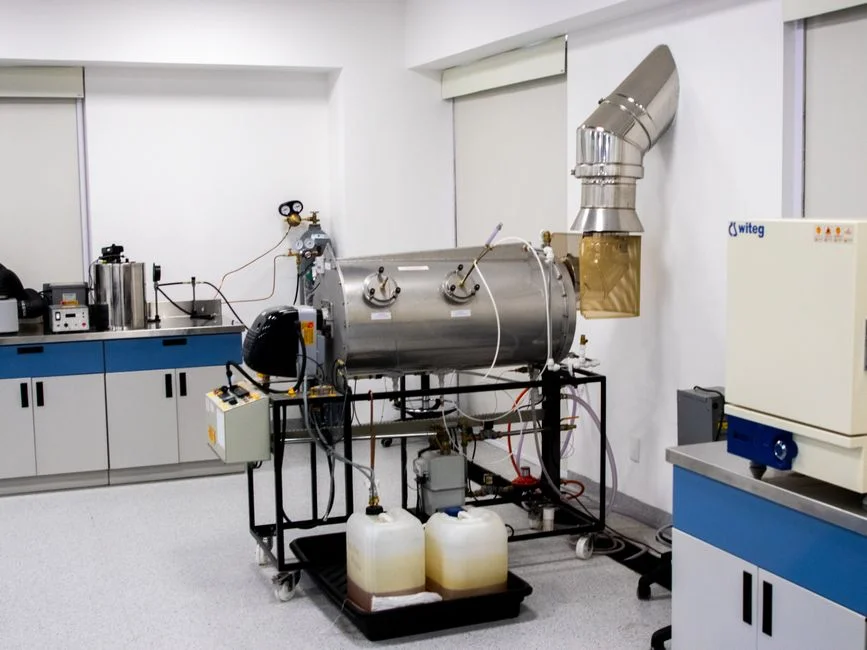
The treatment train should assign each unit a distinct job: remove material that can damage equipment, stabilize the feed, reduce biodegradable COD biologically and separate solids or residual contaminants by membrane. The sequence follows the measured treatment gaps rather than a preferred equipment category.
- Screen and equalize. Use fine screening or mechanical pretreatment to remove rags, plastics and fibrous material that could obstruct biological equipment or membranes. Equalization then limits short-term load and flow shocks, subject to the actual batch-discharge profile.
- Remove floatables and colloidal material where needed. If suspended solids, oils, grease or floatables threaten downstream treatment, use DAF pretreatment for industrial wastewater. DAF is not the primary COD-conversion process; its role is to reduce material that would interfere with biological treatment or membranes.
- Stabilize chemistry where required. Automatic dosing can control pH or feed coagulant and flocculant, but the operator must have a defined response to changing alkalinity, solids and chemical demand.
- Convert soluble COD biologically where the characterization supports it. An anaerobic stage can convert soluble COD while producing methane, followed by aerobic biological treatment where nitrification, aeration and sludge handling can be controlled. In the 2026 swine-wastewater study, 10 mg/L chlortetracycline increased methane yield by 28% after brief adaptation, while 50 mg/L inhibited methanogenesis (Hu, Ma and Chen, 2026-05-02). These findings identify a concentration-dependent response in that specific AnCMBR; they do not set an operating limit for fermentation effluent.
- Retain solids and polish with membranes where required. MBR combines biological treatment with membrane solids retention. UF provides physical separation without chemicals where bacteria, colloids and suspended solids must be removed.
| Process step | Primary role | Selection trigger |
|---|---|---|
| Mechanical screening | Remove fibrous and gross solid material | Risk of obstruction or abrasion |
| DAF | Remove suspended solids, colloids, oil, grease and floatables | Material would impair biology or membranes |
| Anaerobic treatment | Convert soluble COD and produce methane | Biodegradable COD and methane recovery are viable |
| Aerobic treatment | Continue COD oxidation and support nitrification where required | Residual biodegradable load and controlled aeration are available |
| MBR | Combine biological treatment and membrane solids retention | Compact biological treatment and solids separation are required |
| UF | Remove bacteria, colloids and suspended solids without chemicals | Physical polishing or membrane pretreatment is required |
A 2023 Journal of Cleaner Production study of an anaerobic membrane bioreactor treating real antibiotic pharmaceutical wastewater reported a positive effect of the fouling layer on antibiotic and antibiotic-resistance-gene removal (Journal of Cleaner Production, 2023). That supports consideration of the membrane environment, but it does not replace feed-specific testing.
Compare Treatment Options by Their Primary Job
DAF, MBR, UF and electrochemical treatment perform different functions, so their removal percentages are not directly comparable. A technically defensible comparison starts with the pollutant or performance gap that each unit must close.
| Option | Primary job | Evidence or equipment basis | Key limitation |
|---|---|---|---|
| DAF | Remove suspended solids, FOG, oil, grease and colloidal matter before biological treatment | Available range of 4–300 m³/h | Does not by itself convert dissolved biodegradable COD |
| MBR | Combine activated-sludge treatment and submerged PVDF membrane filtration | Available range of 10–2,000 m³/day; design filtration below 1 μm | Antibiotic inhibition and membrane fouling remain feed-specific |
| UF | Remove bacteria, colloids and suspended solids without chemicals | 2,000–40,000 L/h range with 0.03 μm PVDF membranes, automatic backwash and air scour | Primary function is physical separation, not COD biodegradation |
| Electrochemical treatment | Address oil and COD only where the feed profile supports the tested mechanism | Petroleum-wastewater study: 99.5% COD removal and 94.2% oil removal at 12 kWh/m³ | Tested under petroleum-wastewater conditions, not antibiotic fermentation effluent |
The electrochemical results came from petroleum wastewater with initial oil concentration of 95 mg/L, initial COD of 710 mg/L and TSS of 73 mg/L under the study’s experimental conditions (Muslim and Asel, n.d.). They cannot be transferred directly to antibiotic fermentation wastewater. Likewise, a 2023 MDPI Fermentation study using brewery wastewater reported 54% total COD removal in an anaerobic–aerobic sequencing batch reactor (MDPI AG, 2023). That result informs sequencing-batch behavior, but brewery wastewater is not interchangeable with antibiotic pharmaceutical wastewater.
The equipment ranges describe available configurations, not guaranteed project performance. Select a unit by matching its primary role to the measured gap, then verify the complete train under representative antibiotic and production-cycle conditions.
Monitor Biological Health and Membrane Performance
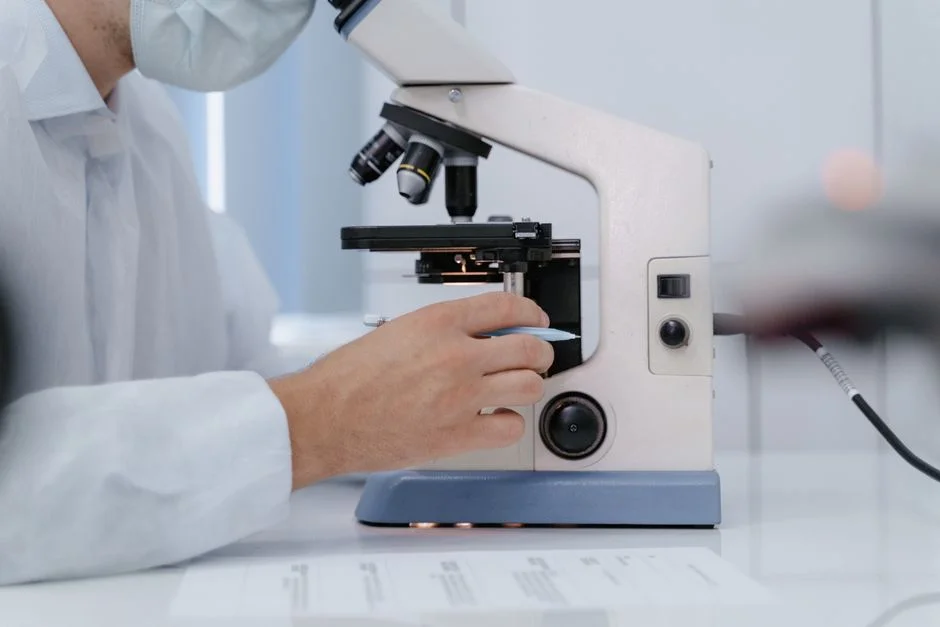
Monitoring must distinguish biological deterioration from membrane fouling because both can reduce overall treatment performance. For biological stages, track COD removal, methane production where anaerobic treatment is used, aeration demand, settling behavior and sludge characteristics. A fall in COD removal accompanied by reduced methane yield or increased aeration demand can indicate reduced biological activity; rising aeration demand alone does not establish the cause.
Antibiotic performance needs separate reporting. In the 2026 chlortetracycline study, acute-toxicity removal decreased from 68% to 46% at high antibiotic levels, while biodegradation’s contribution to chlortetracycline removal declined from 42% to 19% as antibiotic concentration increased (Hu, Ma and Chen, 2026-05-02). These findings argue against using COD removal as a surrogate for toxicity control or antibiotic removal.
For MBR and UF systems, record transmembrane pressure, normalized flux, cleaning frequency and filtrate turbidity. Transmembrane pressure trends show hydraulic resistance; normalized flux separates membrane productivity from changing operating conditions; and turbidity provides a check on solids separation. Cleaning frequency should be interpreted as an operating outcome rather than an isolated maintenance cost.
| Area | Monitoring parameter | What it indicates |
|---|---|---|
| Influent | COD, BOD, flow, antibiotic compounds, solids, pH and temperature | Load variation, biodegradability and inhibition risk |
| Biological stage | COD removal, methane yield, aeration demand, settling and sludge characteristics | Biological health and process stability |
| Antibiotic response | Compound removal and acute-toxicity response | Whether treatment is reducing antibiotic activity as well as organic load |
| Membrane stage | Transmembrane pressure, normalized flux, turbidity and cleaning frequency | Fouling development and separation performance |
| Effluent | COD, relevant antibiotics, solids and biological response | Compliance or reuse readiness under actual production cycles |
Acceptance testing should measure influent and effluent COD, relevant antibiotic compounds, solids and biological response under the plant’s actual production and cleaning cycle. Use an MBR membrane bioreactor module and membrane-related parts strategy that records cleaning and replacement assumptions rather than treating membrane life as an unlimited operating assumption. An equipment parts and media review should also establish what is stocked locally and what failure could stop treatment.
Use a Fit-for-Purpose Equipment Selection Framework
Start with the discharge or reuse objectives, then map each objective to COD, solids, antibiotics, nutrients, toxicity and fouling constraints. This prevents a supplier from substituting one generic “COD removal efficiency” for a complete performance obligation.
| Procurement step | Required supplier response | Decision output |
|---|---|---|
| Define objectives | Map each permit or reuse requirement to a measurable analyte | Separate COD, antibiotic, toxicity and solids criteria |
| Define unit roles | Identify what screening, DAF, biology, MBR or UF will remove | Treatment train without duplicated functions |
| Establish feed basis | Use measured flows, COD loads, antibiotic concentrations and cycle variability | Evidence-based capacity and hydraulic loading |
| Test performance | Provide feed-specific data, pilot results or an agreed performance test | Verified treatment contribution |
| Compare lifecycle | Price membrane replacement, chemicals, sludge, energy, controls and operator availability | Budget and operating-risk comparison |
Available MBR capacities span 10–2,000 m³/day, while UF capacities span 2,000–40,000 L/h. Capacity should be matched to measured average and peak flow, batch-discharge behavior, COD load and required recovery. These are available equipment ranges, not recommended plant sizes.
Require the supplier to identify each unit’s role, present feed-specific evidence and define how variability will be represented in a pilot or acceptance test. Lifecycle review should include membrane replacement, chemical consumption, sludge handling, energy demand, controls and operator availability. Where solids dewatering is required, plate-and-frame filter presses should be evaluated according to the selected sludge’s measured behavior rather than included as an assumed downstream solution.
Do not assume that the petroleum-wastewater electrochemical result of 99.5% COD removal or the brewery-wastewater SBR result of 54% COD removal will transfer to antibiotic fermentation wastewater. Neither was tested on the target feed. The defensible basis is feed-specific testing with agreed acceptance limits.
Frequently Asked Questions
What treatment capacity does an antibiotic fermentation wastewater plant need?
Size the plant from measured average and peak flows, the production-cycle discharge profile, COD load, antibiotic conditions and required recovery. Tank volume alone is insufficient. The buyer should request time-based flow and load data covering batch discharge, cleaning and dilution, then ask the supplier to state the design basis and confirm whether the selected integrated MBR wastewater treatment system can handle the resulting load.
Can MBR remove antibiotics and COD at the same time?
MBR can combine biological COD removal with membrane solids separation, but those functions do not guarantee antibiotic removal. A 2023 Journal of Cleaner Production study on real antibiotic pharmaceutical wastewater found that the fouling layer positively affected antibiotic and antibiotic-resistance-gene removal. Procurement should still require compound-specific performance under the intended antibiotic concentrations and operating conditions.
Should DAF, UF or MBR be selected first?
Selection follows the identified treatment gap. DAF is primarily for suspended solids, floatables, oil, grease and colloidal material; UF is primarily a physical membrane-separation stage for bacteria, colloids and suspended solids; MBR combines biological treatment with membrane separation. Automatic chemical dosing should then be selected only where pH control or coagulant and flocculant addition is required.
How should a supplier prove COD-removal performance?
Require a defined influent, laboratory analysis, pilot data or an agreed acceptance-test protocol that captures production and cleaning variability. Include relevant antibiotic compounds, solids, biological-response indicators and membrane-fouling measurements where membranes are used. A COD percentage without the feed definition, sampling plan and operating conditions is not adequate performance evidence.
What is the compliance risk of relying on COD removal alone?
COD removal alone does not demonstrate antibiotic removal, toxicity control, solids compliance or antibiotic-resistance-gene risk. Map the permit and reuse specification to separate analytes and operating controls, then require acceptance testing for each applicable requirement. This prevents a low COD result from obscuring residual biological inhibition or contaminants outside the COD measurement.