Choose by Wastewater Behavior, Not Industry Label
For plastics and rubber wastewater in Johnson Creek, choose DAF when oil, grease, latex, coating residue, plasticizers, or other floatable material is a meaningful part of the wastewater; choose a clarifier when jar or pilot testing shows conditioned solids settle reliably. Mixed streams often justify DAF followed by clarification, but testing—not the industry label—should control the decision. In 2026, require every bidder to use the same flow schedule, wastewater characterization, treatment objective, utilities, residual-handling assumptions, and acceptance criteria. Neither process alone removes dissolved contaminants, so confirm the receiving sewer or permit route before approving a solids-separation unit.
A “plastics” or “rubber” factory label does not define the wastewater. The discharge may combine oily wash water, dispersed latex, coating residue, fillers, grit, and dissolved process chemicals. Those fractions respond differently: free oil may float, emulsified oil may require conditioning, fillers may settle after coagulation and flocculation, and dissolved chemicals may need biological treatment, filtration, or another downstream process.
The practical selection rule is therefore conditional. Use an industrial dissolved air flotation system when testing demonstrates a material floatable fraction. Use a clarifier when conditioned solids form floc that settles reliably. Use DAF followed by clarification when both fractions are material and the two recovery streams can be handled separately.
Do this selection in 2026 on factory wastewater data, production and washdown schedules, jar or pilot results, hydraulic calculations, equalization requirements, and the receiving route. A catalog selection or a removal percentage borrowed from another factory cannot establish fit for Johnson Creek.
Characterize the Wastewater Before Comparing Equipment
Factory characterization must resolve contaminant fractions before equipment selection because production wastewater and washdown water can have materially different flows and compositions. Sample those periods separately, then form composites only on a documented flow basis. Record flow, pH, temperature, oil and grease, suspended solids, settleable solids, turbidity, and process identifiers tied to the relevant production operation.
| Fraction or condition | What to establish | Selection implication |
|---|---|---|
| Free-flowing, emulsified, or solids-associated oil | Separate condition, oil content, and response to chemical conditioning | DAF screening; emulsified material may require coagulation before flotation |
| Dispersed latex or coating residue | Particle behavior, attachment potential, dispersibility, and process origin | DAF trials with recovery testing |
| Fillers, pigments, grit, or conditioned solids | Settling behavior, floc strength, density, and bottom-solids recovery | Clarification screening; grit may require separate assessment |
| Colloidal or flocculated material | Dose response, mixing intensity, contact time, and floc breakage | Compare DAF and clarification under representative mixing |
| Dissolved or speciated contaminants | Relevant organics, metals, toxicity, nutrients, pH, and reuse criteria | Route to biological, filtration, polishing, or other downstream treatment |
The EPA’s Process Design Manual for Suspended Solids Removal, January 1975, states that particle size, specific gravity, and strength or shear resistance can affect separation. It also describes coagulation and flocculation as methods for changing solids characteristics so physical separation becomes more effective. Those are selection principles, not plastics or rubber design values.
EPA gives 200 mg/L as a typical raw domestic wastewater suspended-solids concentration in the January 1975 manual. That municipal value is neither a factory influent assumption nor an effluent prediction; use Johnson Creek plant data instead. The supplied research contains no industry-wide plastics or rubber influent or effluent limit.
Chemical testing should determine the coagulant and flocculant requirement, dose range, mixing, contact time, and automatic control logic. Those results define the feed requirements for an automatic coagulant and flocculant dosing system; they should not be supplied as generic chemical assumptions.
DAF vs. Lamella Clarifier: Engineering Comparison
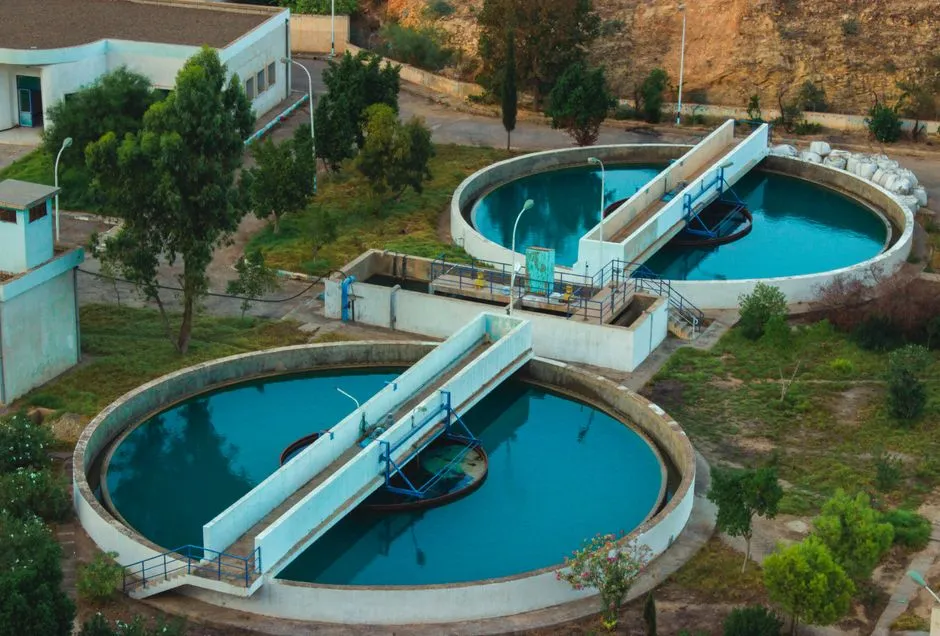
DAF and lamella clarification separate different physical forms of solids from water. The distinction is particle attachment and flotation versus gravity settling, not a generic claim that one technology is always cleaner or less costly.
| Evaluation item | DAF | Lamella clarifier |
|---|---|---|
| Separation mechanism | Conditioned particles attach to pressurized-air microbubbles, rise, and are skimmed from the surface | Conditioned solids settle through inclined plates into a bottom sludge zone |
| Material best suited | Oil, grease, latex, coating residues, plasticizers, and other floatable material | Conditioned fillers, pigments, grit, and other reliably settling solids |
| Required design disclosure | Selected configuration, recycle basis, hydraulic calculation, air generation, chemical assumptions, float drainage, and bottom-solids removal | Surface-loading calculation, inlet behavior, basin geometry, flocculation or sludge recirculation, withdrawal, and sludge conditioning |
| Recovered stream | Surface float plus any bottom solids | Bottom sludge |
| Residual-management issue | Float water content, recoverability, odor control, storage, dewatering, and disposal | Sludge withdrawal, conditioning, water content, collection, and disposal |
| Utilities and controls | Power, compressed air, recycle flow, mixing, dosing, skimming, and controls | Power, sludge mechanism, mixing, dosing or recirculation, and controls |
DAF conditions the wastewater before releasing pressurized air as microbubbles. Conditioned particles attach to the bubbles and rise to a skimmable layer. HydropureWater’s 2026 article, citing Clearwater Industries’ commercial literature dated 2026-04-27, identifies the microbubbles as 30–50 micrometers. Use that figure as commercial guidance, not a universal plant guarantee.
Coagulation and flocculation are central to flotation performance. Coagulation destabilizes particles, while flocculation creates structures more capable of contacting bubbles. A bidder that omits dose logic, mixing intensity, or contact time has not defined the process. An industrial lamella clarifier for settleable solids instead depends on producing floc that settles reliably; its inclined plates increase effective separation area before solids move into the collection zone.
Require DAF proposals to disclose recycle flow, air generation, bottom-solids collection, float drainage, storage, dewatering, and disposal. Heavier particles can settle even inside a flotation unit, so surface skimming alone is an incomplete scope. Require clarifier proposals to disclose the surface-loading calculation, inlet behavior, basin geometry, sludge withdrawal, recirculation or flocculation arrangements, and sludge conditioning.
HydropureWater lists 13 DAF catalog configurations from 4–300 m³/h and a 20–40 m/h surface-loading specification for its lamella clarifier. These are manufacturer references requiring project-specific verification, not transferable design values. For DAF, expose the selected model, flow, recycle basis, and hydraulic calculation; for clarification, require the surface-loading calculation, inlet design, and basin geometry.
Use Jar and Pilot Tests to Confirm the Process
Jar testing should establish whether actual factory solids float, settle, or require a different chemical response. Evaluate settling, float recovery, chemical dose, bubble attachment, and floc breakage under representative mixing conditions. Record intermediate water quality and the physical condition of recovered material, not only contaminant removal.
Use a pilot trial when particle behavior is mixed or uncertain, or when production and washdown variability could change conditioning and hydraulic performance. A pilot also reveals whether a DAF unit would accumulate heavy bottom solids and whether clarification produces sludge that withdraws and dewateres as assumed.
Define pass-or-fail evidence around the treatment objective, float or sludge recovery, intermediate water quality, and downstream handling. Do not adopt a generic percentage taken from a different industry. Ecologix Systems’ commercial guide reports that one food-processing stream achieved 95% oil and grease removal with DAF versus 70% with a clarifier. That is site-specific commercial evidence, not a plastics or rubber guarantee.
A credible DAF proposal must include bottom-solids removal because heavier particles may settle even in a flotation unit. It must also state where float goes after collection. If dewatering is required, check the recovered material against a plate-and-frame filter press for recovered solids and the site’s actual dewatering option rather than inferring performance from the upstream flotation unit.
For a hybrid trial, measure both recovered streams separately. Confirm that DAF float does not carry a settleable-solids load into the clarifier and that clarification sludge does not receive the oil and grease loading that was supposed to be removed first. Those checks establish sequence and operating responsibility.
Build a Common-Basis Bid for Cost and Equipment Selection
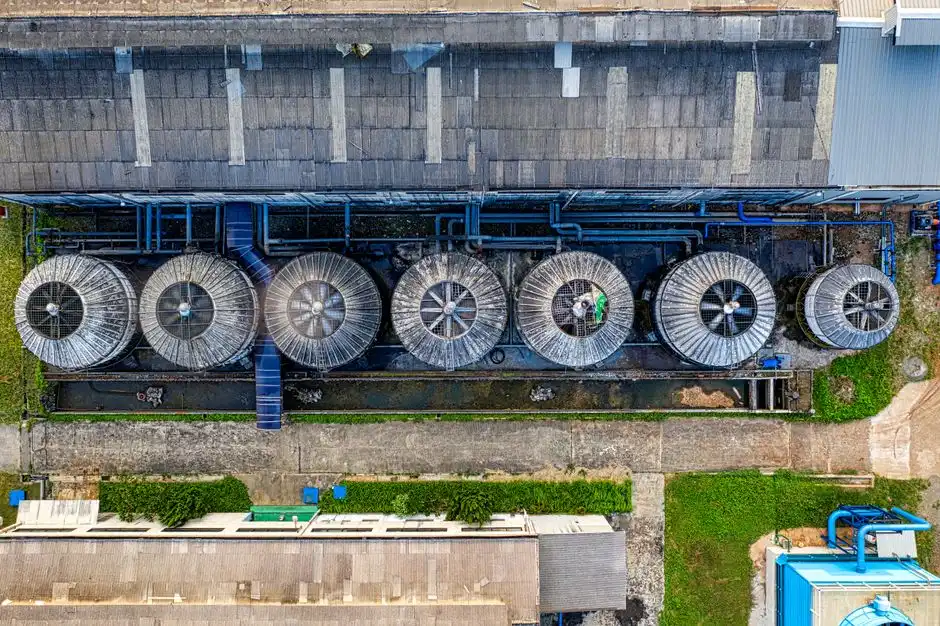
A defensible lifecycle comparison requires every bidder to use identical factory inputs. The supplied research provides no defensible capital cost, energy consumption, footprint, sludge volume, or payback period for a Johnson Creek plastics or rubber plant; those outputs depend on the selected configuration and site data.
| Bid component | Information every bidder must use | Decision check |
|---|---|---|
| Flow and wastewater basis | Average and peak flow, production and washdown schedules, characterization, and treatment objectives | Are all quotations based on the same duty cycle and analytical results? |
| Process calculation | DAF model, recycle basis, air generation, and hydraulic calculation; or clarifier surface loading, inlet design, and basin geometry | Can the calculation be traced to factory data and test results? |
| Chemical response | Coagulant, flocculant, dose range, mixing, contact time, conditioning, and controls | Are chemical assumptions supported by testing? |
| Utilities | Power, compressed air, recycle flow, labor, maintenance, and site utilities | Are utility demands calculated on the same flow and operating schedule? |
| Residual handling | Float or sludge quantity, expected water content, recoverability, dewatering, odor control, storage, and final destination | Are float and sludge treated as separate products or disposal burdens? |
| Commercial scope | Materials, installation, controls, acceptance testing, guarantees, training, maintenance, support, and service | Do bidders offer comparable scopes and acceptance methods? |
Ask each supplier to calculate chemical consumption, compressed-air and recycle requirements, power demand, labor, maintenance, float or sludge handling, dewatering, and disposal using site data. Ecologix Systems’ commercial guidance states that clarifiers generally have lower operating costs, but that is a qualitative comparison, not a quotation or guaranteed outcome for this plant.
Require the selected DAF model, flow, recycle basis, and hydraulic calculation—or the clarifier surface-loading calculation, inlet design, and basin geometry—as part of the technical submittal. Jar-test or pilot results should substantiate sizing assumptions. Catalog capacity alone does not select equipment.
Include acceptance testing, guarantees, training, maintenance, support, and the final destination of recovered products. Do not accept a price comparison unless the bids use the same treatment objective, utilities, controls, materials of construction, service scope, residual assumptions, and acceptance criteria.
Confirm the Discharge Route and Complete the Treatment Train
The receiving route determines whether preliminary solids separation is adequate. A Johnson Creek factory may discharge to a sanitary sewer, industrial pretreatment system, permitted outfall, or zero-liquid-discharge route, and each creates different treatment, documentation, and residual-management requirements.
Confirm current permit and sewer requirements with the receiving authority and the site’s environmental manager. The supplied research contains no universal plastics or rubber effluent limit, so neither equipment selection nor a borrowed removal percentage establishes compliance.
Assess whether dissolved organics, metals, toxicity, nutrients, pH, or reuse criteria require biological treatment, filtration, polishing, or another downstream unit. A complete train may include industrial coagulation, DAF, and biological treatment stages, while the final configuration must follow this factory’s discharge route and reuse requirements.
Include footprint, electrical supply, compressed air, drainage, corrosion exposure, odor controls, noise limits, maintenance access, and expansion requirements in site screening. Treat preliminary equipment selection as one part of the treatment train, not proof that the receiving route is satisfied.
Recommended Bid Sequence for a Johnson Creek Factory
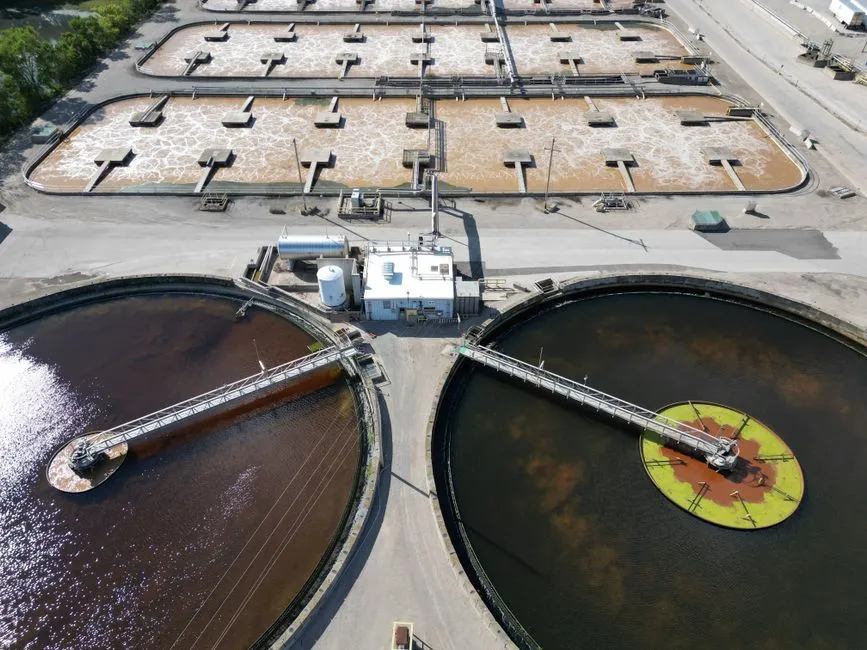
A controlled bid sequence prevents equipment catalog capacity from becoming the design basis. The plant engineer, environmental manager, and procurement lead should complete the following steps against the same factory dataset.
- Characterize production and washdown wastewater. Use separate sampling periods and composite only on a documented flow basis. Record the parameters and process identifiers needed to distinguish floatable, settleable, and dissolved fractions.
- Define the treatment objective. Establish intermediate water quality, final discharge or reuse requirements, recovered-product expectations, and residual destinations with the receiving route in view.
- Run comparative tests. Use jar tests and, where behavior or variability makes the result uncertain, a pilot trial to compare DAF, clarification, and hybrid performance.
- Issue common-basis bids. Give every supplier the same flow schedule, wastewater characterization, utilities, controls, materials, service scope, residual assumptions, and acceptance criteria. Require disclosed calculations and chemical assumptions.
- Review the technical basis. Check hydraulic calculations, test results, equalization strategy, float and sludge handling, controls, installation constraints, and acceptance methods.
- Approve only after route confirmation. Do not release a model until the discharge or reuse route, downstream treatment needs, residual destinations, guarantees, and acceptance criteria are documented.
The resulting recommendation should state why the selected architecture fits the measured wastewater—not merely why it fits the label “plastics” or “rubber.”
Frequently Asked Questions
Which option will cost less to operate for a Johnson Creek factory?
Clarifiers generally have lower operating costs in Ecologix Systems’ commercial guidance, but that is not a site-specific quotation. Require each bidder to price chemical consumption, power, compressed air, recycle flow, labor, maintenance, dewatering, and disposal using the same factory data and local utility rates. Without those inputs, no defensible lifecycle cost or payback period can be stated.
How should a DAF or clarifier model be sized for plastics and rubber wastewater?
DAF sizing requires average and peak flow, production and washdown duty, recycle basis, hydraulic calculation, chemical response, and float and bottom-solids recovery. Clarifier sizing requires the same flow basis plus surface-loading calculation, inlet design, basin geometry, and confirmed settling behavior. HydropureWater’s catalog range of 4–300 m³/h identifies available DAF configurations; it does not select a model.
What should procurement check when selecting a wastewater equipment supplier?
Require a DAF bid to disclose recycle flow, air generation, chemical assumptions, bottom-solids removal, float handling, controls, and acceptance testing. Require a clarifier bid to disclose surface loading, inlet design, flocculation or sludge recirculation, sludge withdrawal, basin geometry, and acceptance testing. Check that every supplier uses the same wastewater data, treatment objectives, utilities, service scope, and residual destinations.
When is DAF followed by clarification justified?
Use the hybrid train when testing confirms meaningful floatable and settleable fractions and the site can handle separate float and sludge streams. DAF should recover oil, grease, latex, coating residue, or other floatable material; clarification should capture the remaining conditioned solids that settle reliably. Confirm the sequence through comparative testing and include intermediate transfer and final disposal in the bid.