DAF or Clarifier for Pratt Chemical Wastewater: The 2026 Decision
For chemical wastewater in Pratt, choose DAF when the treatment target includes floating oils, greases, light solids or particles that need chemical flocculation before separation; choose a clarifier when the primary objective is settling heavier solids. A gravity lamella clarifier is generally the lower-complexity option, while DAF requires air generation, recycle and chemical conditioning. Neither equipment establishes final compliance by itself. The factory should first characterize flow, TSS, FOG, COD, pH, particle settling or flotation behavior, toxicity and discharge or pretreatment limits, then verify the selected train with representative wastewater and the required solids handling.
That decision rule is more useful than a universal preference for one equipment type. Chemical-production wastewater can change with production campaigns, cleanup operations, batch dumps and upset conditions, so an average daily flow and a generic performance claim will not define a reliable design basis.
Dissolved air flotation attaches contaminants to microbubbles and removes the resulting float. Gravity clarification separates primarily by settling. Ecologix Systems describes DAF as the option for floating light particles, oils and greases, while clarifiers collect heavier solids by gravity. Its selection guide also states that clarifiers generally have lower operating costs, whereas DAF systems generally have higher upfront and operating costs.
Both technologies commonly serve as industrial pretreatment or solids-removal steps rather than complete treatment trains. Soluble organics, toxicity, dissolved constituents and receiving-route requirements may require biological treatment, adsorption, filtration or another control step. See the DAF versus clarifier guide for chemical wastewater for the underlying selection logic.
Characterize the Pratt Wastewater Before Choosing Equipment
Characterization must cover the full production cycle, not only routine discharge, because cleanup and batch-dump flows can determine vessel size, controls and chemical demand.
Ask for flow data during normal production, cleanup, batch dumping and upset conditions. For each relevant stream, collect representative samples for TSS, oil and grease, COD, pH, temperature, conductivity, toxicity and constituent analyses required by the plant’s discharge, reuse or sewer route. Obtain the applicable permit, pretreatment requirements and local sewer limits before selecting equipment or defining performance guarantees.
Do not infer separability from pollutant concentrations alone. Request settling tests to identify the fraction that will settle under representative conditions and flotation tests to establish whether oils, emulsions, coatings or fine particles can be recovered by DAF. For variable chemical streams, testing across operating campaigns is more defensible than relying on one sample.
The sludge route also belongs in early characterization. A 2020 study in Environmental Technology & Innovation found that DAF slurry had a pH of 7.03, with the reported value truncated in the supplied excerpt. The same study tested anaerobic digestion at initial pH values of 6.0, 5.5, 5.0 and 4.5. That work was not a Pratt chemical-factory trial, but it demonstrates why conditioning chemicals and DAF residuals must be evaluated before committing to a downstream biological or sludge-treatment route.
| Input to obtain | Why it affects selection | Evidence required from the supplier |
|---|---|---|
| Flow and operating profile | Separates routine treatment duty from peak, cleanup and upset loads. | Design flows, operating hours, equalization assumptions and future production changes. |
| TSS, oil and grease, and COD | Identifies floating material, settleable solids and soluble treatment demand. | Documented pollutant loads used in the sizing calculation. |
| pH, temperature, conductivity and toxicity | Influences conditioning, materials, biological compatibility and downstream treatment. | Materials selection, chemical assumptions and downstream effluent or sludge criteria. |
| Settling and flotation behavior | Shows which contaminants actually respond to gravity or flotation. | Representative sample results and the method used to scale the test. |
| Receiving route and permit limits | Defines the compliance path and prevents treating one stage as the entire solution. | Stated target basis, test methods and responsibility for permit support. |
For the biological stage that may follow solids removal, review the biological treatment comparison for chemical wastewater. It should be integrated with, rather than appended after, the solids-separation decision.
How DAF and Clarifiers Separate Chemical Wastewater

A DAF train separates by flotation after contaminants have been conditioned into a form that bubbles can carry to the surface.
The DAF sequence is equalization and characterization, chemical conditioning, bubble generation and recycle, microbubble contact, flotation, skimming, solids withdrawal and sludge treatment. Clearwater Industries states that its DAF systems use 30–50 micron microbubbles to lift solids to the surface for removal by skimmers. It also states that coagulation and flocculation increase particle size and contactability; depending on the application, conditioning may use serpentine flocculator mix tubes or chemical mix tanks.
A clarifier uses gravity settling. The treatment train may include equalization, flocculation where required, a settling zone, sludge collection and removal, and discharge of clarified liquid. Lamella plates increase the effective settling area within the vessel. The HydropureWater lamella clarifier lists surface loading rates of 20–40 m/h and chemical consumption reduction of up to 30%. These are catalog figures, not guaranteed outcomes for a Pratt installation.
DAF is commonly paired with downstream biological treatment when soluble or high-COD duties remain. Elsevier’s study titled “Combining Dissolved Air Flotation (DAF) and Modified Moving Bed Biofilm Reactors (MMBBR) for Synthetic Oily Wastewater Treatment” addresses that combination, although its synthetic wastewater basis should not be converted into a performance claim for plant wastewater.
| Process stage | DAF | Gravity lamella clarifier |
|---|---|---|
| Primary mechanism | Conditioned material attaches to microbubbles and floats. | Material settles under gravity through a settling zone and lamella plates. |
| Typical target duty | Floating oils, grease, light material and flocculated fines. | Dense, readily settleable solids and gravity-separable material. |
| Conditioning | Chemical coagulation and flocculation are normally part of reliable flotation performance. | May require flocculation; the need depends on settling behavior. |
| Recovery | Surface float is skimmed; heavier solids are withdrawn from the bottom collection zone. | Settled sludge is collected and removed from the bottom. |
| Main downstream check | Assess floated sludge, residual chemicals and soluble COD entering biological treatment. | Assess settled sludge stability, dewatering needs and downstream biological compatibility. |
For an initial equipment discussion, the HydropureWater DAF system provides a reference point. Final selection still depends on measured wastewater and site conditions.
Side-by-Side Engineering Comparison
The dominant separation mechanism should determine the equipment class, but the purchase decision must include the operating train and the residuals sent downstream.
DAF generally aligns more closely with oils, grease, low-density solids and conditioned fines that can be floated. Clarification generally aligns more closely with dense, settleable solids. Particle coatings, emulsions and changing chemistry can alter that result, so bench or pilot testing remains important when behavior is uncertain.
DAF adds chemical conditioning, air generation and recycle to the mechanical separation step. A clarifier may avoid those utilities, but it is not automatically maintenance-free: sludge collection, withdrawal, corrosion, controls and access still require attention. Ecologix Systems states that clarifiers generally have lower operating costs and DAF systems generally have higher upfront and operating costs; that is a directional comparison, not a Pratt cost estimate.
Compare the solids outputs as carefully as the clarified liquid. For DAF, examine float volume, foam stability, oil content and the behavior of heavier bottom solids. For clarification, examine sludge volume, settleability and storage or dewatering demands. Chemical use, compressed air, pumps, controls, maintenance and downstream treatment must remain inside the economic comparison.
| Selection input | Points toward DAF | Points toward gravity clarification | Verification needed |
|---|---|---|---|
| Dominant contaminants | Floating oil, grease, light solids and flocculated fines. | Dense solids that settle readily. | Settling and flotation tests on representative samples. |
| Conditioning demand | Chemical coagulation and flocculation support bubble attachment and float recovery. | Flocculation may be required, but less chemical handling may be needed when particles settle naturally. | Jar or pilot tests with chemical dose and response documented. |
| Utility and equipment burden | Requires air generation, recycle and chemical dosing. | Generally has lower mechanical and operating complexity. | Site utility audit and lifecycle-cost comparison. |
| Sludge route | Float and bottom solids may have different oil, density and stability characteristics. | Settled solids require collection, storage and downstream handling. | Residual characterization and downstream capacity check. |
| Downstream treatment | Can precede biological treatment for oily or particulate loads. | Can precede biological treatment when the required solids removal is gravity-compatible. | Full-train mass balance and receiving-route requirements. |
| Footprint, materials and controls | Depends on hydraulic configuration, recycle design and conditioning equipment. | Depends on settling area, sludge collection and installation arrangement. | Site constraints, corrosion review, controls philosophy and expansion assumptions. |
Do not let a supplier compare one price against the other with unequal scope. The automatic chemical dosing system and plate-frame filter press may fall within the wider pretreatment scope, but inclusion and performance responsibility must be stated explicitly in the quotation.
Choose a Treatment Train Using a Decision Framework
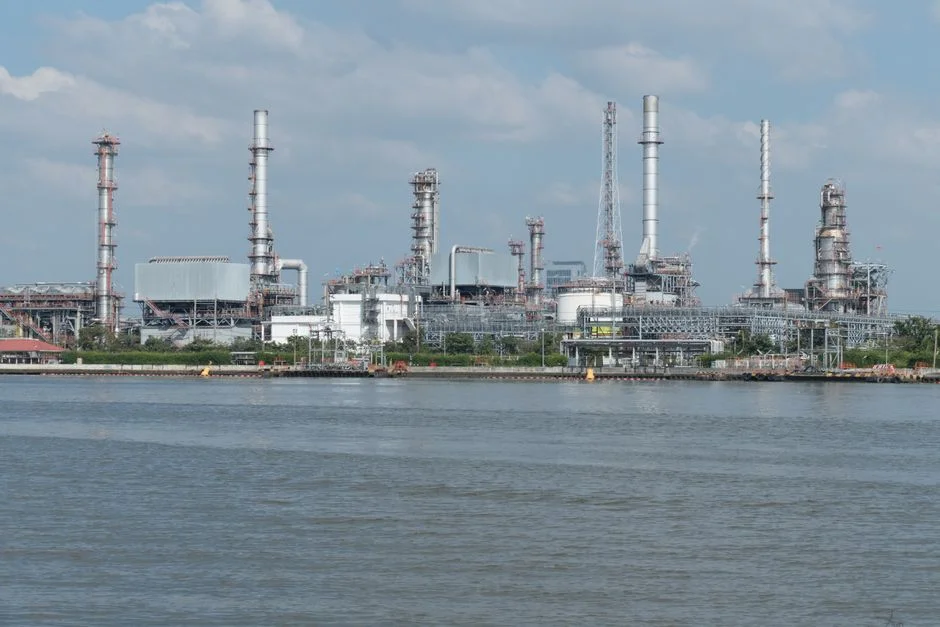
A defensible selection follows the stream, targets, mechanism, site and full-life scope before equipment dimensions are fixed.
- Define pollutants and objectives. Separate floating contaminants, settleable solids, soluble organics and regulated constituents. State required removal, recovered-water quality and disposal criteria.
- Match the dominant mechanism. Use DAF where flotation-prone contaminants control the duty. Use clarification where gravity-settling solids control it. Use DAF plus clarification or biological treatment when the stream contains both floating and settleable material plus soluble load.
- Check site constraints. Confirm footprint, utilities, electrical service, access, noise limits, operator capability, drainage and future production changes.
- Evaluate whole-life scope. Include chemical consumption, compressed air, recycle pumps, sludge handling, controls, maintenance, installation and downstream treatment—not only separator purchase price.
- Verify before final sizing. Use representative wastewater to check removal, foam or carryover, sludge properties, chemical demand and sustained operation.
Catalog capacity can structure a supplier discussion, but it cannot size a unit by itself. The HydropureWater DAF system covers 4–300 m³/h across 13 standard models; treat that as a supplier discussion range rather than an automatic selection. The HydropureWater lamella clarifier range should likewise be checked against the measured flow, contaminant loads and treatment objectives.
| Decision stage | Required output | Reason for the gate |
|---|---|---|
| Stream characterization | Flow profile, pollutant data, settling/flotation behavior and receiving route. | Prevents a generic treatment rule from replacing site-specific evidence. |
| Target definition | Documented treatment objectives and downstream criteria. | Establishes what the separator must achieve and what it need not achieve. |
| Process selection | DAF, clarification or hybrid train with reasons and alternatives. | Connects equipment to the dominant removal mechanism. |
| Site and lifecycle review | Utility, footprint, sludge, maintenance and downstream scope. | Exposes costs and constraints outside the vessel price. |
| Verification | Representative test results and agreed scale-up method. | Connects the selected design to actual chemical wastewater behavior. |
If the stream contains emulsified oil, low-density solids and soluble COD, a hybrid train may produce a better process fit than asking either separator to perform every removal function.
Pratt Factory Procurement and Supplier Evaluation Checklist
Equivalent quotations require the same design basis, equipment boundaries and verification obligations from every bidder.
- Require the design basis. Each supplier should state measured flow range, contaminant loads, treatment targets, operating hours and future-expansion assumptions.
- Review materials against the chemistry. Clearwater Industries lists 304SS as standard for its DAF systems, with 316SS, polypropylene and other materials available on request. Require the bidder to justify the selected material against the actual Pratt stream rather than accepting a default construction.
- Define the equipment boundary. Confirm whether the quotation includes equalization, chemical mixing, dosing, air supply, recycle pumps, solids collection, sludge withdrawal, controls, instrumentation and installation accessories.
- Compare hydraulic configurations. Clearwater describes FPAC for small-to-medium flows with very high solids loads, FPBC for low-to-medium solids loads, and FPHF for high flows with low-to-large solids loads. These are vendor-defined configurations, not automatic selections for Pratt.
- Clarify turnkey scope. Clearwater states that its COMPACT DAF uses a single skid at 66 GPM or less and a modular two-skid arrangement for larger flows. Require every bidder to identify field work, installation, commissioning and utilities included in that description.
- Align guarantees with evidence. Performance guarantees should cite documented wastewater conditions, constituent values, flow conditions, sampling points and test methods. Define what happens when the wastewater falls outside those conditions.
Ask each bidder to present chemical conditioning, sludge routing and downstream treatment as part of the same process. The flocculant dosing unit design criteria provides a useful basis for checking the chemical system rather than treating dosing as an accessory.
Frequently Asked Questions
Does DAF or clarification cost less for a chemical plant?
DAF usually carries greater equipment and operating complexity, while clarification generally has lower operating costs according to Ecologix Systems’ DAF-versus-clarifier guide. A Pratt budget comparison must also include chemical use, air and utilities, pumps, controls, maintenance, sludge handling and downstream treatment. Request an itemized lifecycle estimate based on the measured stream; no supported quotation was provided for this article.
How should a Pratt factory size a DAF or clarifier?
Sizing requires representative flow and pollutant data, treatment targets, operating hours and downstream criteria. A supplier’s catalog capacity is only a starting point for discussion. Provide normal, cleanup, batch-dump and upset flows, then require the supplier to show which flow governs the design and how the selected dimensions derive from that basis.
What information should be sent to a DAF or clarifier supplier?
Send the flow profile, TSS, oil and grease, COD, pH, temperature, conductivity, toxicity and relevant constituent results; settling and flotation test data; the receiving permit or sewer requirements; site constraints; and required sludge-handling results. Also state whether downstream biological treatment is required.
When is pilot testing prudent before final equipment selection?
Pilot testing is prudent for emulsified oils, variable chemical streams, new formulations or uncertain particle behavior. The test should establish removal, chemical demand, foam or carryover, sludge properties and sustained operation under representative conditions, then provide a documented basis for final sizing.