What determines tea processing wastewater treatability?
Tea processing wastewater COD removal should be designed as a treatment train, not a single-process solution. Dissolved air flotation can capture suspended solids, oil, and colloidal material before biological treatment or polishing; biological treatment then addresses biodegradable organics when the wastewater is suitable for it. Solar photo-Fenton achieved 92% decolorization after 60 minutes and 94% mineralization after 80 minutes on a fine day for oolong tea effluent, according to the Journal of Environmental Science and Health Part A study. A separate produced-water study reported 95.5±0.5% COD removal with combined modified tea-waste biochar. These results are application-specific, so plant selection should follow wastewater characterization and site testing.
Chemical oxygen demand represents the oxidizable organic load used for wastewater assessment; the produced-water study describes COD as a key treatment-facility parameter, and it is also a planning parameter for the food and beverage wastewater COD removal treatment-train guide. However, COD does not identify the fraction causing the load. Soluble biodegradable COD may respond differently from suspended solids, colloids, tannins and pigments, oils, and other organic compounds.
That distinction changes process selection. Coagulation and flotation can recover particulate material, biological treatment depends on biodegradable organics and a suitable operating environment, adsorption transfers contaminants to a solid, oxidation addresses persistent compounds, and membranes retain solids and some dissolved material. A membrane’s COD removal does not necessarily mean that the COD was destroyed.
Sample each operation separately—washing, infusion, extraction, rinsing, and cleanup—and then develop representative composites. A diluted batch average can conceal the peak COD, color, oil, or toxicity that controls treatment capacity. Request the flow profile, COD and BOD, suspended solids, color, pH, temperature, oil and grease where relevant, toxicity indicators, and the intended reuse or discharge route. The supplied evidence supports treatment mechanisms and study-specific performance; it does not establish a universal removal guarantee for every tea factory.
Compare the main COD-removal treatment options
Treatment selection should start with the contaminant fraction and end condition, not a vendor’s headline removal percentage. The available studies demonstrate useful mechanisms, but they were conducted on different wastewater matrices and under different conditions.
| Technology | Primary treatment role | Published or specified evidence | Key limitation |
|---|---|---|---|
| Dissolved air flotation | Suspended solids, FOG, oil, and colloidal capture | Published catalog range: 4–300 m³/h across 13 standard models | Pretreatment rather than universal soluble-COD removal |
| Biological treatment | Biodegradable soluble organics | Role depends on wastewater characterization; no tea-specific removal figure supplied | Color, tannins, toxicity, and loading variability can affect suitability |
| Advanced oxidation | Persistent organics, color, and partial mineralization | Oolong tea effluent: 92% decolorization and 94% mineralization after 60 and 80 minutes, respectively, on a fine day | Reaction conditions, reagent use, and energy demand must be established on site |
| Biochar adsorption | Transfer of oxidizable contaminants to a solid | Produced water: 89.35±0.5% COD removal with single tea-waste biochar; 95.5±0.5% with combined modified biochar | Spent adsorbent regeneration or disposal must be resolved |
| Electrochemical treatment | Combined oil and COD removal | Petroleum wastewater: 99.5% COD and 94.2% oil removal at 50 minutes, 10.5 V, and pH 7; estimated energy use 12 kWh/m³ | Not tea-wastewater evidence; electrode consumption and sludge require evaluation |
| MBR and UF | Biological solids separation and membrane polishing | Published MBR range: 10–2,000 m³/day; published UF range: 2,000–40,000 L/h with 0.03 μm PVDF membranes | Membranes separate contaminants; they do not establish destruction of all soluble COD |
For oxidation, the Journal of Environmental Science and Health Part A oolong tea effluent study reported about 88% decolorization and 85% mineralization after 290 minutes under cloudy conditions. Solar performance therefore depends on operating conditions; the fine-day result cannot be transferred directly to a plant design.
For adsorption, the ScienceDirect produced-water study found that Langmuir and pseudo-second-order models best described the results. Its matrix was produced water, not tea factory effluent, and adsorption creates a spent-solid stream that requires a management route.
Electrochemical results also require strict scope. The Wasit University study used petroleum wastewater in a two-liter coagulation cell. Its 99.5% COD result and 94.2% oil result apply to that matrix and test configuration, not tea processing wastewater.
For physical separation, evaluate an industrial DAF system for tea wastewater pretreatment before biological or polishing stages. If biological treatment and membrane solids separation are both required, an MBR membrane bioreactor for industrial wastewater reuse occupies a different role. The UF water-treatment system is principally a barrier for bacteria, colloids, and suspended solids rather than proof of complete soluble-COD destruction.
Build a treatment train from collection to reuse
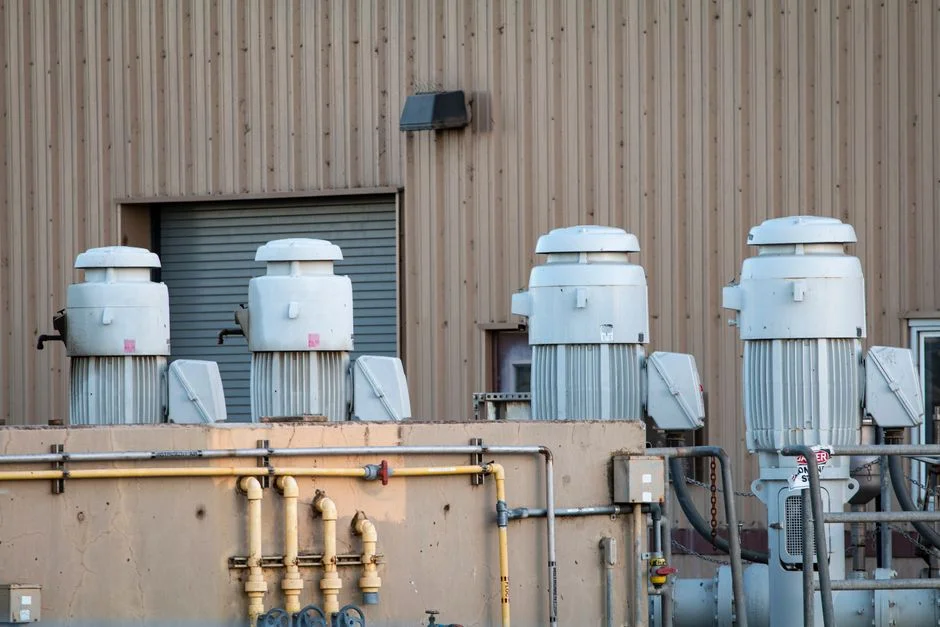
A defensible treatment train separates wastewater capture, solids removal, soluble-COD reduction, color control, and final reuse polishing so that each stage has a defined duty.
- Collection and equalization: divert wash and process streams into equalization, then screen or remove bulky material before it enters treatment.
- Solids, oil, and grease removal: use DAF where characterization identifies suspended solids, colloidal material, oil, or grease that could interfere with downstream biology, oxidation, or membranes.
- Primary COD removal: use biological treatment for suitable biodegradable organics or advanced oxidation where persistent color and organics require chemical destruction.
- Polishing: use adsorption, UF, MBR, or another barrier according to the residual contaminant and reuse requirement.
- Final control: verify reuse quality or discharge compliance against the applicable permit and receiving authority.
DAF should not be credited with removing dissolved COD merely because it lowers particulate-associated load. Its upstream role is to reduce solids loading and capture floatable material before the main COD stage. The published DAF catalog range is 4–300 m³/h across 13 standard models, but model selection still requires a measured hydraulic profile and treatment duty.
Where biological treatment and membrane solids separation are both required, the published MBR range is 10–2,000 m³/day. The product specification states near-reuse-quality effluent and filtration below 1 μm. Those are equipment specifications, not proof that every tea wastewater stream will meet a site-specific reuse specification; influent chemistry, biological response, membrane fouling, and final constituent requirements still have to be verified.
Automatic chemical dosing is justified where characterization identifies a controllable prerequisite. Coagulation or flocculation may improve particulate capture before DAF, while pH adjustment may be necessary for biological or chemical treatment. An automatic chemical-dosing system should therefore be specified around the required chemical, dose-control range, mixing arrangement, and operating response—not added as an untested default.
For solids-barrier polishing, the published UF specification is 2,000–40,000 L/h with 0.03 μm PVDF membranes, automatic backwash, and air scour. These features describe the equipment, not whole-plant effluent quality. The rotary mechanical bar screen can protect downstream equipment from coarse material, while DAF remains the solids and floatables pretreatment option.
No universal tea-wastewater discharge limit is established by the supplied research. Final reuse and discharge decisions must be tested against the applicable site requirement and receiving authority.
Translate published removal results into design expectations
A laboratory removal percentage becomes a design input only after its wastewater application, operating conditions, and analytical boundary are stated.
| Application | Measured result | Reported conditions | What the result does not prove |
|---|---|---|---|
| Dark-brown oolong tea effluent | 92% decolorization after 60 minutes; 94% mineralization after 80 minutes | Solar photo-Fenton on a fine day | Commercial plant removal, reagent demand, whole-plant energy use, or final reuse compliance |
| Dark-brown oolong tea effluent | About 88% decolorization and 85% mineralization after 290 minutes | Solar photo-Fenton under cloudy conditions | Performance during all weather or operating conditions |
| Produced water | 89.35±0.5% COD removal with single tea-waste biochar | Tea-waste biochar adsorption; Langmuir and pseudo-second-order models best described results | COD removal in tea factory wastewater or spent-adsorbent performance |
| Produced water | 95.5±0.5% COD removal with combined modified biochar | Combined modified biochar adsorption | Tea-processing effluent performance or long-term adsorbent capacity |
| Petroleum wastewater | 99.5% COD removal and 94.2% oil removal | 50 minutes, 10.5 V, pH 7; estimated energy consumption 12 kWh/m³ | Transferability to tea wastewater; electrode consumption, sludge volume, or full-scale energy demand |
The Journal of Environmental Science and Health Part A oxidation results distinguish decolorization from mineralization, which is useful because color reduction alone does not establish COD destruction. The ScienceDirect adsorption results concern COD removal in produced water; they do not establish decolorization, mineralization, regeneration life, or final effluent quality.
COD percentage alone therefore cannot settle a commercial design. It does not reveal residual color, mineralization, reagent consumption, sludge production, membrane fouling, or whole-plant energy demand. Each value also needs its influent basis, analytical method, test duration, and treatment boundary.
Before an acceptance guarantee, require a site-specific pilot or vendor performance test using representative composite wastewater. Agree the analytical method, sampling points, operating conditions, and calculation basis beforehand. Use the broader COD removal technology comparison for food-processing wastewater to structure that test; the poultry application does not transfer its performance data, but the comparison framework remains useful.
Select equipment and supplier support without over-sizing the plant
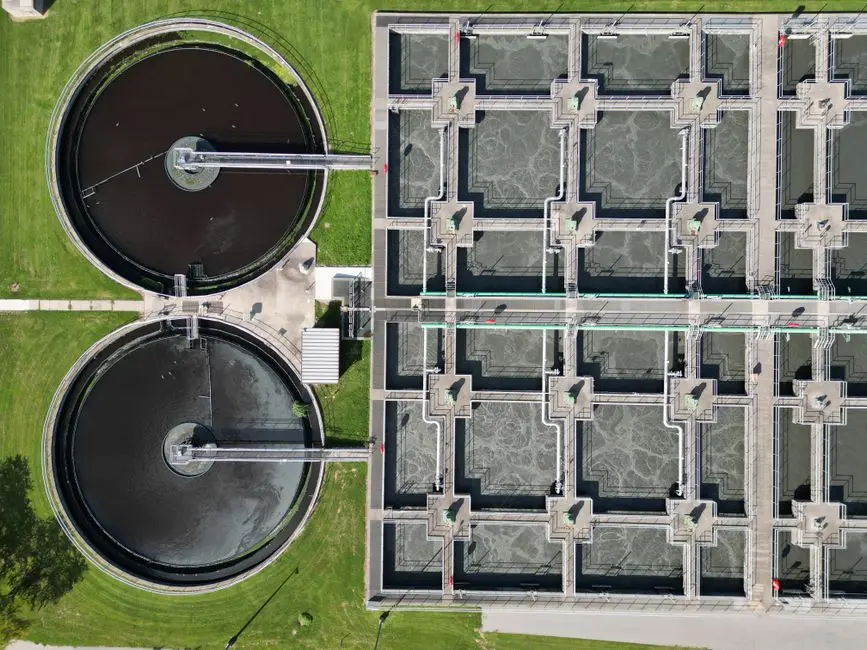
Equipment should be sized from measured hydraulic and contaminant profiles, including peak and batch flows, because nominal tea production does not define the wastewater treatment duty.
Establish the treatment role before comparing catalog capacity. A DAF range of 4–300 m³/h may fit a solids-capture duty, while an MBR range of 10–2,000 m³/day may fit a combined biological and membrane-separation duty. Neither range substitutes for flow monitoring, equalization assessment, and contaminant characterization. The supplier comparison and cost framework is useful for organizing commercial offers, but the research supplied for this article contains no tea-wastewater equipment quotation, so a defensible price cannot be calculated here.
| Procurement check | Information required from bidders | Decision risk controlled |
|---|---|---|
| Design basis | Measured flow range, batch profile, influent COD and BOD, suspended solids, color, pH, temperature, oil and grease where relevant, toxicity indicators, and reuse or discharge route | Undersizing or treating the wrong wastewater fraction |
| Performance basis | COD removal basis, influent basis, test protocol, analytical method, guaranteed outlet, operating conditions, bypass conditions, and remedy if performance is not achieved | Ambiguous acceptance criteria |
| Residual streams | Sludge, spent adsorbent, chemical waste, washdown, membrane cleaning waste, and concentrated reject handling | Shifting treatment risk to waste disposal |
| Supplier support | Startup scope, operator training, controls documentation, maintenance access, spare parts, and long-term consumable availability | Operational risk after handover |
| Site constraints | Footprint, utilities, noise, drainage, building access, permit interface, seasonal variation, toxicity, color, and intermittent discharge | Installed-system mismatch and compliance exposure |
Ask bidders to separate guaranteed outlet quality from study-specific removal claims. A compliant outlet should be tied to a defined influent envelope, test method, and operating condition. If a process cannot meet the requirement, the proposal should state the bypass or rejection condition and the remedy rather than relying on an unqualified percentage.
Residual-stream design is part of the treatment selection. Biochar creates spent adsorbent; DAF and coagulation create sludge; electrochemical treatment can generate solids and consume electrodes; membranes require cleaning and replacement. If these streams have no approved destination, the apparent COD solution is incomplete.
Also examine pretreatment constraints relevant to the receiving system using the food and beverage plant pretreatment compliance guide. The local example is not a tea-wastewater limit, but it illustrates why sewer or discharge constraints must be evaluated before treatment equipment is fixed. The RO and UF membrane and filter-element range should likewise be evaluated around compatible wastewater chemistry, cleaning requirements, and replacement strategy.
Document seasonal production changes, intermittent discharges, toxicity, persistent color, and washdown streams explicitly. Concealing those conditions inside a generic package makes comparison easier but increases compliance and operating risk.
Frequently Asked Questions
What is the best COD-removal method for tea processing wastewater?
There is no universal method established by the supplied studies. Select biological treatment for suitable biodegradable organics, advanced oxidation for persistent color and refractory compounds, adsorption for removable contaminants, and membranes as separation or polishing barriers. The decision must follow the wastewater characterization and reuse requirement.
Can DAF alone meet COD limits for a tea factory?
DAF is primarily a pretreatment option for suspended solids, FOG, oil, and colloidal matter. It can reduce particulate-associated COD, but the published catalog does not establish DAF as a universal soluble-COD remover. Soluble COD may require biological, oxidation, adsorption, or membrane-based treatment.
How should equipment be sized for peak and batch wastewater flows?
Start with a measured flow profile covering washing, infusion, extraction, rinsing, cleanup, and batch discharges. Define the treatment role and required outlet before comparing the DAF range of 4–300 m³/h with the MBR range of 10–2,000 m³/day. Equalization and peak-load behavior belong in that decision.
What should a supplier guarantee in an equipment proposal?
Request the influent basis, guaranteed outlet, analytical methods, operating conditions, test results, bypass provisions, residual-waste handling, and remedy language. For budget comparison, request itemized capital and operating-cost quotations using the same design basis. The supplied research contains no tea-wastewater quotation, so buyers should obtain a site-specific price rather than assume one from published removal percentages.
Which published removal figure can be used in a business case?
Use the oolong photo-Fenton and produced-water biochar figures only as application-specific benchmarks. Neither establishes commercial performance for a tea factory. Validate the selected treatment on representative wastewater and define the analytical method and acceptance conditions before converting pilot results into a financial or performance guarantee.