What Makes Frozen Food Wastewater Different?
Frozen-food wastewater treatment must be designed around variable organic loads, product solids, fats, starches, proteins and CIP chemistry rather than around a single average COD result. Hixson reports that untreated food-processing effluent can be 10 to 100 times stronger than domestic wastewater in BOD5 and COD terms, while HydroChemix states that food-processing streams commonly contain sugars, proteins, fats and starches. A frozen plant must establish its own flow, strength, pH and temperature profile before selecting equipment.
The relevant streams include product wash water, flume and equipment washdown, floor drainage, process-water blowdown and CIP cleaning discharge. Their composition changes with production schedules, product changes, cleanup frequency and cleaning recipes. Product fragments may appear as suspended solids; freezing and cooking operations may release fats, oils and grease (FOG), starches, sugars and proteins; CIP cycles can add detergents, sanitizers, acids or caustics. Hixson identifies flow, strength, pH and temperature variability as core design drivers because food-processing effluent can change hourly.
Characterization should therefore cover COD, BOD5, SS or TSS, FOG, pH, temperature, conductivity or TDS, and the specific freezer, sanitizer and detergent products in use. Sampling must capture production and CIP periods rather than only a routine grab sample. A rotary mechanical bar screen can protect downstream pumps from large product and packaging solids, but it is pretreatment—not the principal COD-removal step.
The BOD5/COD relationship provides an initial biodegradability screen. HydroChemix states that a ratio below 3 indicates readily biodegradable wastewater, while a ratio above 5 indicates a significant refractory fraction. These are screening thresholds, not frozen-plant design rules: the ratio must be interpreted with plant-specific analysis because CIP chemicals and product changes can alter biodegradability.
| Design input | Why it matters | Evidence required |
|---|---|---|
| Flow profile | Production runs and CIP cycles create peaks that affect equalization and biological loading. | Representative production and cleaning-period monitoring |
| COD and BOD5 | Defines organic loading and the likely role of biological treatment. | Composite and event-based samples |
| SS/TSS and FOG | Determines whether screening, DAF and sludge separation should precede biology. | Solids and oil-and-greasure analyses |
| pH, temperature, conductivity/TDS | Identifies shock loads, chemical interference and biological stress. | Continuous or logged measurements plus laboratory results |
| Freezer and CIP chemicals | Cleaning chemicals may inhibit biology or alter solids and emulsified-oil behavior. | Current chemical inventory and safety data |
How to Build a COD-Removal Treatment Train
A defensible frozen-food treatment train starts with characterization and sampling, then proceeds through screening, equalization, physical separation, biological COD removal, polishing and monitoring with sludge management. Each stage has a distinct job: screening protects equipment, equalization buffers variability, DAF removes recoverable oil and solids, biology removes biodegradable organics and polishing closes the gap to the required effluent quality.
- Characterization and sampling: establish COD, BOD5, SS/TSS, FOG, pH, temperature, flow variability and CIP chemistry.
- Screening: remove product pieces, debris and suspended material before pumping and dosing.
- Equalization: blend production and CIP flows to control downstream hydraulic, chemical and organic loading.
- DAF or physical separation: recover FOG, oil and suspended or colloidal material.
- Biological treatment: reduce biodegradable dissolved and particulate organics through aerobic activated sludge, sequencing batch reactor (SBR), anaerobic digestion or a combined train.
- Polishing: apply MBR, activated carbon or another selected barrier where biological treatment cannot meet the permit or reuse requirement.
- Monitoring and residuals management: verify stage performance, manage sludge withdrawal and control chemical dosing.
DAF is particularly relevant when frozen-food effluent contains FOG or a significant suspended-solids fraction. Hixson cites poultry field studies showing 74% suspended-solids removal and 99% oil-and-grease removal under optimized conditions, while warning that food-processing loads vary significantly. An industrial DAF system for frozen-food wastewater pretreatment should therefore be sized from measured peak loads and tested across representative waste streams.
Biology performs the main dissolved-COD reduction. Hixson reports 89.8%–96.5% COD removal in food-processing anaerobic applications; HydroChemix gives the broader range of 60%–85% for food-processing anaerobic digestion. Aerobic activated sludge or SBR offers another route when the wastewater is sufficiently biodegradable and the site can manage aeration demand. Anaerobic digestion is particularly relevant to high-strength streams because it can recover biogas, but biological selection still depends on BOD/COD, temperature, inhibition, footprint and effluent requirements.
Polishing is a requirement-driven decision, not a default. An MBR system for biological COD removal and effluent polishing combines biological treatment with membrane separation, which may suit tighter solids limits, constrained sites or reuse objectives. Chemical dosing must be coordinated with treatment mechanics; an automatic chemical dosing system needs a defined control basis rather than a fixed feed rate.
| Process stage | Primary function | Key design evidence |
|---|---|---|
| Screening | Remove coarse solids and protect equipment. | Solids inventory, screen type and extracted-solids disposal route |
| Equalization | Buffer production and CIP peaks. | Verified flow and load profile; working-volume and turndown basis |
| DAF | Remove FOG, suspended solids and coagulable colloids. | FOG, SS, particle characteristics and jar-test results |
| Anaerobic, aerobic or combined biology | Remove biodegradable organics. | COD, BOD5, temperature, pH, inhibition and nutrient data |
| MBR or polishing | Meet tighter COD, solids or reuse criteria. | Final limits, reuse target, membrane-fouling and cleaning assessment |
DAF, Biological Treatment, MBR or Electrocoagulation?
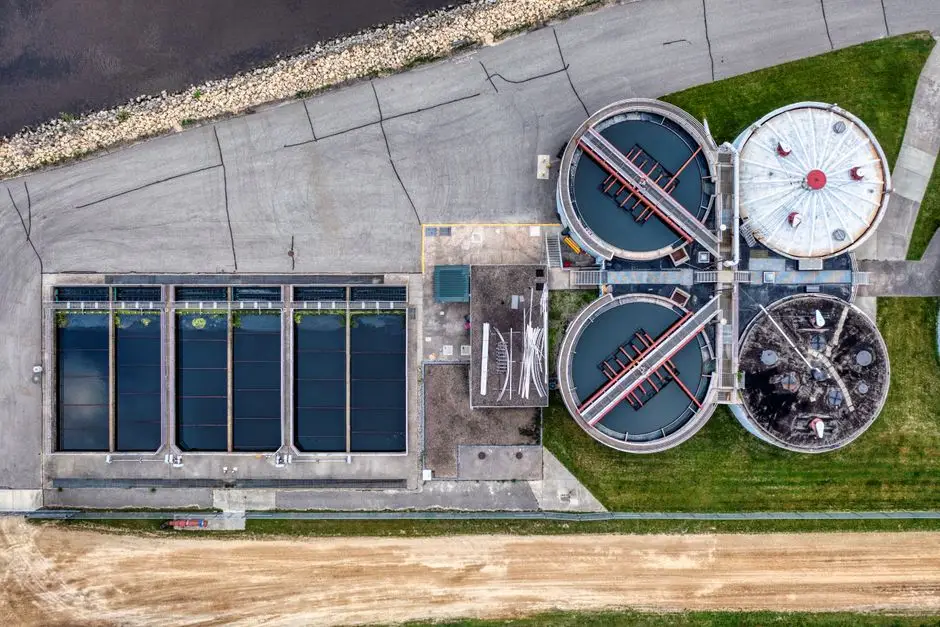
No single technology addresses all frozen-food COD streams: DAF targets recoverable oil and solids, biology targets biodegradable organics, MBR adds solids separation and polishing, and electrocoagulation requires evidence from the actual oily wastewater rather than transfer from a petroleum study. Selection should follow the required effluent specification and the measured treatment barriers.
DAF is normally the strongest physical pretreatment for FOG, oil, suspended solids and colloidal material, but it should not be credited with removing all dissolved COD. In the frozen-vegetable case reviewed by HydroChemix, the original DAF achieved only 25% COD removal. That result is consistent with DAF’s role as a separator and pretreatment rather than a complete biological treatment system.
Biological treatment is appropriate where the plant analysis indicates sufficient biodegradability. Hixson notes that food-processing loads vary materially and that aerobic systems require careful control under changing loads. HydroChemix warns that biological systems are vulnerable to temperature fluctuations, pH shocks, toxic loads and refractory compounds. These risks are material in frozen plants because wash and CIP discharges can coincide with production wastewater.
MBR combines biological treatment and membrane separation in a compact arrangement. Hixson cites beverage wastewater pilot results of 16.9 mg/L effluent COD, 3.8 mg/L TSS and 92.6% COD removal. Those results belong to beverage wastewater, not frozen food, so they demonstrate an application result rather than a design guarantee. Membrane selection should also consider RO and UF membrane and filter-element requirements where advanced polishing is part of the reuse strategy.
Electrocoagulation can combine coagulant generation with electrochemical treatment for oily wastewater. A Wasit University petroleum-wastewater study reported 99.5% COD removal and 94.2% oil removal under defined laboratory conditions: 10.5 V, 50 minutes, four aluminium and four iron electrodes, 2 cm spacing, 12 cm submergence and estimated energy use of 12 kWh/m³. The feed was petroleum refinery wastewater with initial COD of 710 mg/L and oil of 95 mg/L. Those conditions cannot be transferred to a frozen-food design guarantee.
| Technology | Best-supported role | Main limitation |
|---|---|---|
| DAF | FOG, oil, suspended and colloidal removal before biology | Does not reliably remove all dissolved COD |
| Aerobic activated sludge or SBR | Biological reduction of biodegradable organics | Aeration demand and sensitivity to shock loading |
| Anaerobic digestion | High-strength COD reduction with possible biogas recovery | Requires suitable biodegradability, temperature and solids handling |
| MBR | Biological treatment with low-solids effluent and polishing | Higher capital and membrane-maintenance demands |
| Electrocoagulation | Site-tested treatment of oily or emulsified wastewater | Laboratory performance from other wastewater cannot establish plant performance |
| Coagulation plus DAF | Enhanced capture of suspended and colloidal COD | Chemical cost, sludge production and dose depend on jar tests |
What the Frozen-Vegetable Plant Case Teaches
The frozen-vegetable case demonstrates that coagulation-assisted DAF can close a COD gap, but it does not establish a universal chemical recipe. HydroChemix reports that the facility in Shandong, China treated 600 m³/day with influent COD averaging 6,200 mg/L and SS of 1,800 mg/L. Its existing DAF achieved 25% COD removal and failed to meet the cited 2,000 mg/L sewer COD limit.
After jar testing, the plant applied PAC at 500 mg/L with 65% basicity and cationic PAM at 3 mg/L upstream of DAF. Measured COD declined to 1,980 mg/L, equivalent to 68% removal, while SS declined to 120 mg/L. HydroChemix also reports an 85% reduction in surcharges and a total chemical cost of $0.28/m³ treated for this case.
The engineering lesson is narrower than “use PAC and PAM.” The demonstrated result belongs to one frozen-vegetable stream at one plant. Product composition, emulsified oil, starch, protein, pH, temperature, solids and CIP chemistry can change coagulant demand and DAF performance. The plant should repeat jar testing with representative production and cleanup samples, then verify continuous operation before fixing the chemical program.
The decision sequence is therefore: confirm the compliance gap, characterize the wastewater, establish coagulant and flocculant doses through testing, verify DAF capture, and calculate the resulting sludge and chemical costs. The DAF equipment used for frozen-food pretreatment should then be sized against the tested load and operating envelope rather than against the case-average COD alone.
Design, Operating Costs and Compliance Risks
A frozen-food treatment train should be sized from verified peak and average flows, COD and BOD5 characteristics, FOG, SS and required effluent limits—not production throughput alone. The permit may define the effective capacity constraint, while the biological process must remain stable during the plant’s most intensive production and CIP overlap.
The commercial model should include chemical consumption, mixing and pumping energy, aeration, dissolved-air supply, sludge handling, labor, monitoring and solids disposal. HydroChemix reports that chemicals typically represent 40%–60% of OPEX for chemical COD treatment, energy for mixing, pumping and aeration accounts for 15%–25% of OPEX, and sludge disposal represents 20%–35% of total operating costs. These are budgeting categories rather than frozen-plant quotations; local labor, energy, waste-disposal and chemical prices must be entered into the project model.
Discharge route controls the compliance work. Hixson identifies NPDES permits with facility-specific limits for COD, BOD, pH, suspended solids and nutrients for direct dischargers. Indirect dischargers must satisfy the local publicly owned treatment works’ pretreatment requirements rather than assume a national COD threshold. Hixson notes that indirect-discharger thresholds are commonly 250 mg/L for both BOD and suspended solids, but local limits and surcharge formulas control; the sewer authority must confirm them.
Residual management is part of the design. A plate-frame filter press may be considered where DAF or biological residuals require further dewatering, while a high-efficiency sedimentation tank may support solids separation. Neither replaces a sludge mass balance. Operators also need procedures for DAF carryover, biological sludge withdrawal, membrane fouling where applicable, and safe handling of coagulants, cleaning chemicals and biological solids.
| Budget or compliance input | What the supplier must state |
|---|---|
| Hydraulic and organic basis | Average and verified peak flow; COD, BOD5, SS and FOG design values |
| Chemical use | Reagent, dose, mixing requirement, consumption at representative loads and expected sludge yield |
| Energy | Pumping, mixing, aeration and dissolved-air demand by operating mode |
| Residuals | Solids concentration, dewatering assumption, destination and disposal route |
| Regulatory basis | Discharge route, applicable limits, monitoring and sewer-authority assumptions |
| Contingency | Turndown, shock loading, fouling, carryover and maintenance response |
A Practical Selection and Procurement Checklist
A frozen-food wastewater procurement should begin with a representative wastewater dataset, not a single COD value. Request a characterization report and a representative production-and-CIP flow profile, then require every bidder to explain the treatment train against those conditions.
- Establish the waste: obtain COD, BOD5, SS/TSS, FOG, pH, temperature, conductivity/TDS and a current chemical inventory, with sampling across production and cleaning cycles.
- Define the compliance route: obtain the sewer authority’s pretreatment requirements, local limits, surcharge formula, monitoring obligations and proposed acceptance criteria.
- Require stage-specific proposals: identify the intended COD-removal mechanism, expected contribution from each unit, sizing basis, turndown strategy and control philosophy.
- Test difficult constituents: require jar or pilot evidence where emulsified oil, high starch, cleaning chemicals or rapid load changes make prior operating data inapplicable.
- Close the mass balance: request COD, SS, FOG and sludge balances, together with chemical consumption, energy demand, labor, maintenance and solids-disposal assumptions.
- Check delivery interfaces: require utility, electrical, installation, commissioning, training and acceptance documents. An automatic dosing-system proposal should identify sensors, control logic and dosing limits; a sedimentation proposal should state the solids loading and removal mechanism.
Compare bids on installed cost and expected operating cost rather than equipment price alone. A guarantee expressed as one removal percentage is weaker than a proposal tied to verified influent conditions, identified failure modes, performance tests and defined operating responsibilities. The sedimentation-equipment offer should fit within the same solids-management basis as the upstream and biological stages.
Frequently Asked Questions
What is the best COD removal system for frozen food wastewater?
The best system is normally a treatment train selected from plant data: screening and equalization, followed by DAF for FOG and solids, anaerobic and/or aerobic biology for biodegradable COD, and polishing where the required effluent is stricter. HydroChemix identifies anaerobic digestion, activated sludge, SBR and MBR as biological options, but the BOD/COD relationship, flow variability, temperature, inhibition and permit limits determine the appropriate combination.
Can DAF alone meet COD limits for a frozen-food plant?
DAF alone should be assumed only where site testing demonstrates that the required COD limit can be reached through oil, solids and colloidal removal. In HydroChemix’s frozen-vegetable case, DAF alone removed 25% of COD and missed the cited 2,000 mg/L sewer limit; adding PAC and PAM before DAF raised measured removal to 68%. That case supports testing coagulation-assisted DAF, not assuming the same performance elsewhere.
How much does frozen-food wastewater COD treatment cost?
A defensible budget needs the verified flow, COD load, required reduction, selected treatment train, chemical prices, energy rates, sludge quantity and disposal route. HydroChemix reports 40%–60% of chemical-treatment OPEX for chemicals, 15%–25% for mixing, pumping and aeration, and 20%–35% of total operating costs for sludge disposal. Its frozen-vegetable case reported $0.28/m³ for chemicals, but that is not a quotation for another plant.
How should a wastewater treatment system be sized for variable frozen-food production?
Size from representative peak and average flow, COD/BOD5 loads, FOG, SS, temperature and pH—not from production volume alone. Require suppliers to state how equalization controls batch and CIP peaks, how turndown handles low flows, and which stage remains stable during the verified peak. Include an automatic chemical-dosing control basis that responds to changing water quality.
Should we choose MBR or conventional biological treatment?
Choose MBR when the required solids or COD quality, available footprint and reuse objective justify its capital and maintenance demands; otherwise, conventional activated sludge or SBR may be adequate. Hixson cites beverage-wastewater MBR pilot results of 16.9 mg/L COD and 3.8 mg/L TSS, but that evidence is not frozen-food performance. The decision should be checked against the wastewater characterization, permit and life-cycle cost. A broader food-processing COD technology comparison and food-sector treatment train selection guide provide useful context, but the supplier must demonstrate performance with the plant’s own wastewater.