
HCMC Regulatory Reality Check: QCVN Standards & Inspection Regime
Vietnam's national technical regulation QCVN 40:2011/BTNMT governs industrial wastewater discharges, establishing parameter thresholds divided into Column A for sensitive receiving water bodies and Column B for industrial sewers and secondary water bodies. Determining which column applies to a facility depends directly on the approved environmental impact assessment (EIA) and the master plan of the specific industrial zone (such as Tan Thuan, Hiep Phuoc, Northwest Cu Chi, or Tan Tao). Facilities discharging into centralized industrial park wastewater treatment plants usually must meet Column B standards, whereas direct discharges into natural surface waters like the Saigon River or Dong Nai River must strictly satisfy Column A limits for parameters like COD, BOD, TSS, heavy metals, and nutrients.
Circular 02/2022/TT-BTNMT dictates the installation of automatic, continuous wastewater monitoring stations for facilities discharging 50 m³/day or more, as well as for priority high-risk manufacturing sectors including textile dyeing, pulp and paper, chemical processing, food production, and electroplating. These monitoring stations measure pH, flow rate, COD, TSS, and temperature in real time, transmitting data directly to the Ho Chi Minh City Department of Natural Resources and Environment (DONRE) and the Ministry of Natural Resources and Environment (MONRE) servers. Failure to maintain continuous data transmission or exceeding discharge thresholds triggers automatic regulatory flags.
Sludge management is enforced under Decree 08/2022/ND-CP, which classifies industrial wastewater treatment sludge. Sludge generated from chemical flotation or heavy metal precipitation (such as DAF float sludge from electroplating, textile, or chemical processing) often qualifies as hazardous waste. Plant management must separate, store, and contract licensed hazardous waste transporters to haul sludge to permitted treatment facilities, maintaining chain-of-custody documentation for regulatory audits. DONRE conducts unannounced sampling visits; non-compliance can result in administrative fines up to VND 1 billion, mandatory production suspensions, or operational shutdown orders for repeat infractions.
Map Your Industry to Wastewater Profile: Textile, Food, Footwear, Electronics
Industrial manufacturing plants across Ho Chi Minh City's industrial zones present distinct raw wastewater fingerprints that dictate whether physical-chemical separation or biological treatment is required. Evaluating these sector-specific profiles enables process engineers to size treatment steps correctly, preventing severe operational issues downstream.
- Textile Dyeing (Tan Tao, Hiep Phuoc): Characterized by high color intensity (500–2,000 Pt-Co units), elevated COD, suspended solids (TSS), alkaline pH (9–11), and elevated temperatures (35–45°C). Requires equalization, cooling, chemical coagulation, and DAF pre-treatment to clear dyes and solids prior to secondary biological processing.
- Food Processing (Cu Chi, Northwest Cu Chi): Contains high concentrations of fats, oils, and grease (FOG), soluble BOD/COD, and TSS, with frequent seasonal production spikes. DAF systems excel in this application because they effectively remove suspended solids, oils, and grease using micro-bubbles while reducing chemical consumption compared to settling methods (Alantech, 2025).
- Footwear and Leather (Thu Duc, Binh Chanh): Generates wastewater high in organic load (COD), sulfides, chromium compounds, and total nitrogen. Requires physical screening, sulfide stripping, chromium precipitation, and DAF solids removal prior to anoxic/oxic (A/O) or membrane bioreactor (MBR) processing.
- Electronics Assembly and Fabrication (Saigon Hi-Tech Park, Tan Thuan): Yields low organic loads but elevated heavy metals (copper, nickel, zinc), fluorides, and variable acidic or alkaline streams. Requires chemical precipitation, lamella clarification, and tertiary ion exchange or reverse osmosis rather than primary flotation. For complex zero-discharge specs, engineers reference our hybrid DAF-RO system design guide.
- Metalworking and Fabrication (Binh Chanh, Cu Chi): High in emulsified oils, cutting fluids, TSS, and moderate COD. When combined with proper coagulation and flocculation, chemical flotation removes free and emulsified oils cleanly, protecting secondary polishing systems. Facilities comparing oil removal equipment can evaluate performance trade-offs in our DAF vs API separator comparison.
| Industrial Sector | Primary Pollutants | Primary Unit Operation | Target Effluent Standard |
|---|---|---|---|
| Textile Dyeing | Color, COD, TSS, High Temp | Cooling + Coagulation + DAF | Pre-treatment before Biological ETP |
| Food Processing | FOG, BOD, TSS, Organic Nitrogen | Coagulation + DAF | QCVN 40 Column B (or ETP inlet) |
| Footwear / Leather | COD, Sulfide, Chromium, TSS | Precipitation + DAF + Biological | QCVN 40 Column A / B |
| Electronics Fabrication | Heavy Metals, Fluoride, Acid/Base | Precipitation + Clarifier + RO | QCVN 40 Column A / Water Reuse |
| Metalworking | Emulsified Oil, Cutting Fluid, TSS | Chemical DAF | Industrial Zone Sewer Acceptance |
Decision Tree: Standalone DAF vs Full ETP vs Hybrid Train
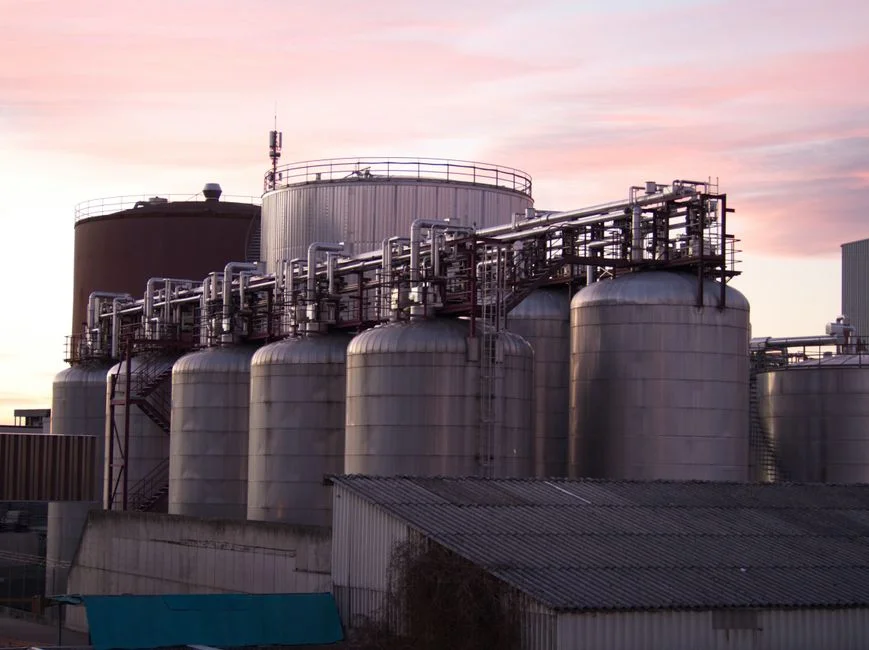
Selecting between a standalone DAF unit, a full biological ETP, or a hybrid treatment train depends on discharge permits, organic loading ratios, and site footprint limits. Making the correct architectural decision prevents capital misallocation and operational failure.
Option 1: Standalone DAF System
Deploy a standalone DAF system when discharging directly to a centralized industrial park collection network that accepts pre-treated industrial wastewater (Column B compliance). If your environmental permit focuses primarily on controlling FOG, TSS, pH, and temperature, and site footprint is tightly constrained, physical-chemical flotation is the most compact and capital-efficient solution. High-efficiency HydropureWater DAF systems (4–300 m³/h, 13 models) cover the standard flow ranges required by mid-to-large factories in HCMC industrial parks.
Option 2: Full Biological ETP (A/O, SBR, or MBR)
Select a full biological ETP when discharging directly into surface water bodies requiring QCVN 40 Column A compliance, or when raw wastewater contains high levels of dissolved biodegradable organics (BOD/COD) and nutrients (ammonia, total nitrogen, phosphorus). Compact MBR integrated systems (10–2,000 m³/day) provide micro-filtration (under 0.1 µm), delivering clear effluent while reducing land requirements by up to 60% compared to conventional activated sludge clarifiers.
Option 3: Hybrid DAF + Biological Train
Select a hybrid train for high-strength, variable industrial streams (such as food processing or textile dyeing) where elevated FOG and TSS concentrations would blind biological membranes or float activated sludge in secondary clarifiers. Pre-treating raw wastewater with DAF removes high percentages of incoming solids and fats, protecting downstream biomass, stabilizing biological operation, and reducing aeration energy demands by 20% to 30%. For full design criteria, consult our comprehensive DAF selection guide.
| System Architecture | Target Contaminants | Footprint Needs | Best Suited For |
|---|---|---|---|
| Standalone DAF | FOG, TSS, Emulsified Oil, Heavy Solids | Very Low (<50 m²) | Industrial Zone Sewer Pre-treatment |
| Biological ETP (MBR/SBR) | Dissolved BOD, COD, NH₄-N, Phosphorus | Moderate to High | Direct River Discharge (Column A/B) |
| Hybrid DAF + Biological | High FOG, TSS + Dissolved Organics | Moderate (Optimized) | High-strength Food, Textile, Chemical |
- Step 1: Identify the final discharge destination (centralized park sewer vs. direct river discharge) and confirm the applicable QCVN standard.
- Step 2: Conduct a 7-day composite wastewater analysis measuring peak and average values for flow, BOD, COD, TSS, FOG, temperature, pH, and heavy metals.
- Step 3: Determine organic biodegradability (BOD-to-COD ratio); if BOD/COD is low or FOG is high, upstream chemical pre-treatment is mandatory.
- Step 4: Calculate available plant footprint and evaluate mechanical skid options (vertical DAF or compact MBR) against available plot ratios.
- Step 5: Compare 10-year total cost of ownership (CAPEX + chemical OPEX + power + hazardous sludge handling) before finalizing equipment specs.
Tropical Sizing Parameters: Temperature, Monsoon Surges, Footprint Constraints
Sustained wastewater temperatures of 30°C to 35°C in southern Vietnam decrease gas solubility in water, requiring saturation vessel adjustments and expanded recycle ratios. Standard DAF sizing curves developed for temperate 20°C climates will undersize micro-bubble generation if not corrected for tropical conditions. To maintain adequate bubble density and micro-bubble diameter (25–50 µm), air saturation pressures or dissolved air recycle ratios must be increased by 15% to 25% under tropical operating conditions.
The southern monsoon season (May through November) introduces intense rainfall that causes significant stormwater infiltration into industrial park drainage networks. Peak hydraulic flows can reach 2 to 3 times average dry-weather flow rates. Equalization tanks must be engineered with minimum retention times of 24 hours based on average daily flow, and flotation tanks must be sized according to peak hydraulic loading rates (m³/m²·h) rather than nominal daily averages. Regional climate considerations and hydraulic adjustments are further explained in our Cambodia DAF guide (regional proxy).
Relative humidity in Ho Chi Minh City ranges between 80% and 95%, accelerating atmospheric and chemical corrosion on carbon steel structures. Dissolved air flotation tanks, saturation vessels, and mechanical skimmers should be fabricated from 316L stainless steel or fiberglass-reinforced plastic (FRP). Where epoxy-coated carbon steel is used, protective coating systems must specify a minimum dry film thickness (DFT) of 300 µm to withstand humid, corrosive factory environments. High industrial zone land costs also require compact vertical equipment layouts. Additionally, variable frequency drives (VFDs) and uninterrupted power supply (UPS) back-ups must be integrated on main control PLCs to safeguard against local power fluctuations.
Equipment Selection Matrix: DAF Specs, MBR Options, Sludge Handling
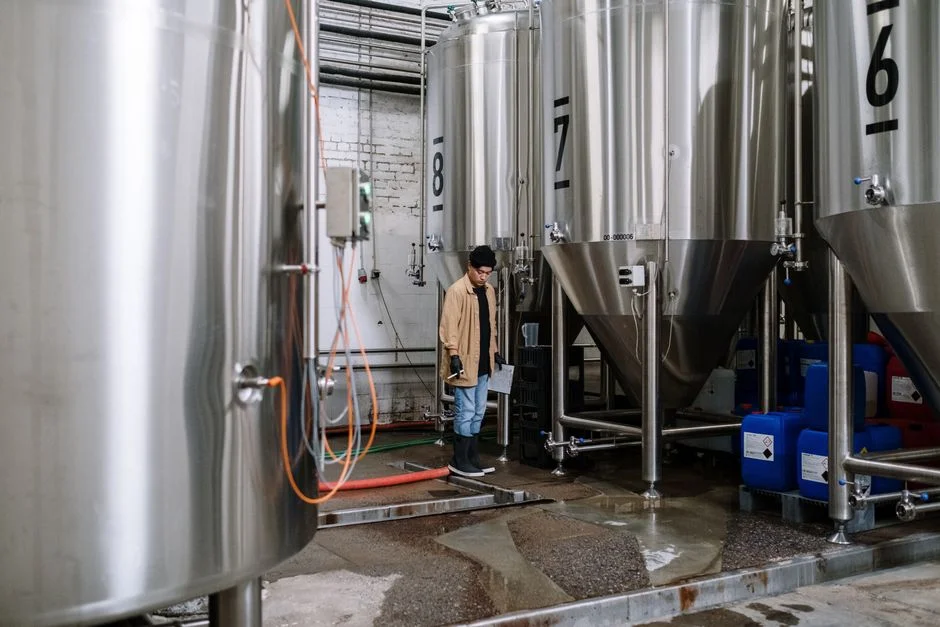
Integrating pre-screening, automated chemical conditioning, flotation, and mechanical dewatering creates an operational train optimized for industrial compliance. Selecting matched equipment skids simplifies mechanical balance-of-plant design and civil installation.
- Fine Headworks Screening: Protect downstream pumps and skimmers from coarse solids, rags, and packaging debris by installing fine bar screens (3–6 mm) for headworks.
- Dissolved Air Flotation Skids: Implement micro-bubble dissolved air flotation skids equipped with automatic continuous surface skim scrapers, integrated saturation tanks, and high-efficiency recycle pumps sized for peak tropical hydraulic loads.
- Automated Chemical Dosing: Optimize coagulation, pH control, and polymer flocculation using skid-mounted, PLC-controlled chemical dosing skids. Automated dosing prevents chemical over-use, reducing annual OPEX by 15% to 30%.
- Biological Membrane Systems: For facilities requiring direct discharge or internal reuse, pair flotation units with MBR integrated systems (10–2,000 m³/day) using submerged PVDF membranes.
- Sludge Dewatering: Dewater low-solids DAF float sludge (3% to 6% dry solids) into dense, transportable filter cakes (25% to 35% dry solids) using heavy-duty filter presses (1–500 m²) for DAF sludge to minimize hazardous waste hauling expenses.
| Equipment Component | Primary Sizing Metric | Construction Material Options | Operational Role |
|---|---|---|---|
| Rotary Bar Screen | Flow Rate (m³/h), Bar Gap (3–6 mm) | 304 / 316L Stainless Steel | Removes large debris; protects pumps |
| Chemical Dosing Skid | Dosing Capacity (L/h), Pump Pressure | PP / PVC / 316L Stainless | Automates PAC/PAM/acid/alkali dosing |
| DAF Flotation Unit | Hydraulic Load (m³/m²·h), Flow (m³/h) | 304 / 316L SS / FRP | Removes FOG, TSS, emulsified oil |
| MBR Membrane Module | Membrane Area (m²), Flux (L/m²·h) | PVDF Submerged Membranes | Biological digestion & micro-filtration |
| Plate & Frame Filter Press | Filtration Area (m²), Chamber Volume | Reinforced PP Plates / Steel Frame | Dewaters float sludge for disposal |
Compliance Checklist: Monitoring, Reporting, Sludge Disposal
Circular 02/2022/TT-BTNMT mandates continuous automatic monitoring systems for industrial plants with discharge volumes reaching or exceeding 50 m³/day. Operating an industrial ETP in Ho Chi Minh City requires strict adherence to instrumentation, data transmission, and waste tracking protocols to maintain regulatory compliance.
- Continuous Monitoring Station: Install online sensors for pH, flow rate, COD, TSS, and temperature inside a dedicated monitoring room. Connect instrumentation to an auto-sampler and a secure data logger linked via 4G/ethernet directly to HCMC DONRE servers.
- Composite Sampling Setup: Mount a flow-proportional, refrigerated (4°C) 24-hour composite sampler at the final discharge outfall for official compliance verification sampling by authority inspectors.
- Hazardous Sludge Manifests: Maintain strict chain-of-custody documentation under Decree 08/2022/ND-CP. Weigh, log, and store all DAF float sludge in covered, bunded areas before transfer by licensed hazardous waste disposal contractors. Retain hazardous waste manifests on-site for 5 years.
- Emergency Containment Tank: Construct an emergency containment basin sized for a minimum of 24 hours of peak influent volume. Equip the basin with automated diversion valves tied to the continuous monitoring system to store off-spec effluent during process upsets.
- Routine Environmental Reporting: Automate SCADA data logging to compile mandatory 6-month self-monitoring reports and annual environmental compliance submissions for DONRE. Implement routine inspection protocols using our established DAF maintenance checklists.
Budget & Lead-Time Reality for Vietnam Market
Calculating total capital outlay for Vietnam factory installations requires evaluating equipment supply against landed shipping costs, import tariffs, and local civil construction works. Factory managers must establish comprehensive total cost of ownership (TCO) models prior to issuing procurement contracts.
Landed equipment costs in Vietnam typically include sea freight from manufacturing hubs (7 to 10 days ocean transit to HCMC ports like Cat Lai or Tan Cang Hi-Phuoc), import tariffs under preferential trade agreements (such as the ASEAN-China Free Trade Area using Form E for HS code 8421), local port handling fees, 10% value-added tax (VAT), and inland trucking. Civil engineering works—including concrete equalization basins, sludge drying beds, and equipment pads—are typically contracted locally to optimize total expenditure.
Operating expenditure (OPEX) calculations must incorporate four primary components: chemical consumption (coagulants like PAC/alum, polyelectrolyte flocculants, and pH neutralizers), electrical power for saturation air compressors and recycle pumps, hazardous sludge disposal fees assessed per metric ton by licensed haulers, and routine maintenance spares. Procurement lead times range from 6 to 8 weeks for standard factory-assembled DAF skids, while complex custom MBR systems or large stainless steel treatment trains require 10 to 14 weeks. Factoring freight, customs clearance, site civil readiness, and local commissioning into the master schedule prevents costly production delays.
Frequently Asked Questions
How should a factory in Ho Chi Minh City size an industrial DAF or ETP to handle monsoon flow surges and ensure QCVN compliance?
Engineers must size the hydraulic surface loading rate (m³/m²·h) of the DAF flotation tank and downstream clarifiers based on peak hourly monsoon flow (typically 2.0 to 3.0 times dry-weather average) rather than nominal daily volume. Buyers must request vendor engineering calculations that prove saturation pump capacity and dissolved air recycle ratios (typically 15% to 25% higher in tropical 30–35°C water) can handle peak hydraulic conditions without washing out float sludge or exceeding QCVN TSS limits.
What cost factors and vendor documentation should be evaluated when budgeting for a DAF system in Vietnam?
Factory managers must request an itemized Bill of Materials (BOM) specifying exact steel grades (e.g., 304 vs 316L SS vs FRP), electrical components (PLC and VFD brands), and skid structural dimensions. Budgeting must account for equipment ex-works pricing, sea freight to HCMC ports, customs clearance fees, import duties (verifying HS Code 8421 eligibility under trade agreements), 10% VAT, local civil foundation construction, and ongoing chemical/sludge disposal OPEX.
What QCVN discharge standards apply to factories operating inside HCMC industrial zones?
Applicable discharge limits depend on your industrial zone's approved environmental master plan and final wastewater outfall. Factories discharging into centralized industrial park networks generally must meet QCVN 40:2011/BTNMT Column B limits, whereas plants discharging directly into natural rivers or canals must comply with stringent Column A standards. Factory owners should obtain written confirmation of receiving water requirements directly from their industrial zone management board or HCMC DONRE.
Can a standalone DAF system meet QCVN Column B discharge limits for high-COD textile dyeing wastewater?
A standalone DAF unit removes suspended solids, insoluble COD, and color complexes formed during chemical coagulation, but cannot remove dissolved biodegradable organic compounds (BOD/COD) or dissolved salts. For textile dyeing streams with high dissolved COD, physical-chemical DAF pre-treatment must be paired with a secondary biological treatment stage (such as an A/O process or MBR) to consistently satisfy QCVN 40 Column B limits.