Which treatment route fits a Harmony chemical plant?
MBR is typically preferable for chemical wastewater in Harmony when reliable solids separation, water reuse, a compact footprint, or RO pretreatment is required, provided the wastewater is biologically compatible. Conventional activated sludge may cost less to implement and suit straightforward, biodegradable streams with ample land and looser discharge limits. MBR combines a suspended-growth bioreactor with MF or UF membranes that replace the secondary clarifier, but persistent compounds, salts, metals, solvents, and inhibitory chemicals still require pretreatment, biological validation, or dedicated polishing. A side-by-side pilot should test biodegradability, toxicity, membrane fouling, chemical compatibility, and reuse quality before equipment selection.
The MBR decision is conditional. PCI Membranes describes a membrane bioreactor as a suspended-growth biological process combined with microfiltration or ultrafiltration, with membranes serving as the solids-separation step normally provided by a secondary clarifier in conventional activated sludge. The biological reactor remains central to the process: aerobic zones remove organic matter and oxidize ammonia, anoxic zones support nitrate removal, and anaerobic zones treat organic matter under appropriate conditions.
Readily biodegradable chemical wastewater with sufficient land and a conventional discharge or reuse requirement may favor conventional activated sludge. Stringent solids separation, reuse, RO pretreatment, or a constrained footprint may justify MBR after compatibility testing. The 2026 MBR cost and selection guide provides a starting point, but the final choice should follow the industrial chemical wastewater treatment framework for a Texas factory.
For Harmony, prepare the design basis around flow and load variability, the complete chemical inventory, COD/BOD, toxicity, pH, salinity, temperature, nutrients, metals, and solvents. The receiving sewer or reuse specification must also be confirmed during design. MBR membrane separation does not remove every dissolved contaminant, so reuse and discharge objectives cannot be inferred from suspended-solids performance alone.
Characterize the wastewater before choosing equipment
Chemical wastewater must be separated into treatment-relevant fractions before a biological system is selected. Soluble biodegradable organics may support biological treatment; inhibitory compounds can suppress it; persistent or non-biodegradable constituents may require source control or dedicated oxidation, separation, or polishing; volatile compounds may need containment and off-gas treatment; and particulates can affect equalization, pumps, and membranes.
Request representative time-series data rather than one grab sample. A chemical plant’s average COD can conceal cleaning dumps, production peaks, slug loads, and off-spec batches. Screen pH, salinity, temperature, and nutrient balance because these conditions affect biological activity, and run rotary mechanical bar screening where solids characterization indicates that physical screening will protect downstream equipment. The same characterization should determine whether equalization, pH adjustment, or segregated collection is required.
Membrane compatibility must be tested against the actual chemical matrix, not inferred from the general design. Record surfactants, solvents, oils, cleaners, oxidants, and membrane-cleaning chemicals. Also document whether high-strength dumps, cleaning cycles, and off-spec batches can be excluded from the common treatment train.
| Characteristic or stream fraction | What the buyer should establish | Decision consequence |
|---|---|---|
| Soluble biodegradable organics | COD/BOD, biodegradability and loading variation | Establish whether aerobic, anoxic or anaerobic biological treatment is viable. |
| Inhibitory constituents | Toxicity response and concentrations during dumps or cleaning | Determine source control, equalization or dedicated pretreatment before the biological reactor. |
| Persistent or non-biodegradable compounds | Identities, concentrations and treatment endpoints | Identify whether physical separation, dedicated oxidation or polishing is required. |
| Volatile compounds | Volatility and off-gas exposure | Evaluate containment, ventilation and off-gas treatment. |
| Particulates, oils and solids | Particle characteristics, grit, free oil and screening needs | Define screening, equalization and downstream protection. |
| Membrane-contact chemicals | Surfactants, solvents, cleaners, oxidants and cleaning-agent compatibility | Select membrane material, geometry and cleaning strategy before purchase. |
| Inorganics and heavy metals | Specific metals, salts and required removal | Assess dedicated biological-toxicity controls and post-treatment. |
PCI Membranes notes that MBRs have been used with additional nanofiltration or reverse-osmosis steps for inorganics and heavy metals. Treat that as evidence for a staged treatment option, not a reason to add unnecessary units. Pretreatment should address a confirmed process risk; polishing should address a defined reuse or discharge gap.
Compare MBR and conventional activated sludge across the project lifecycle
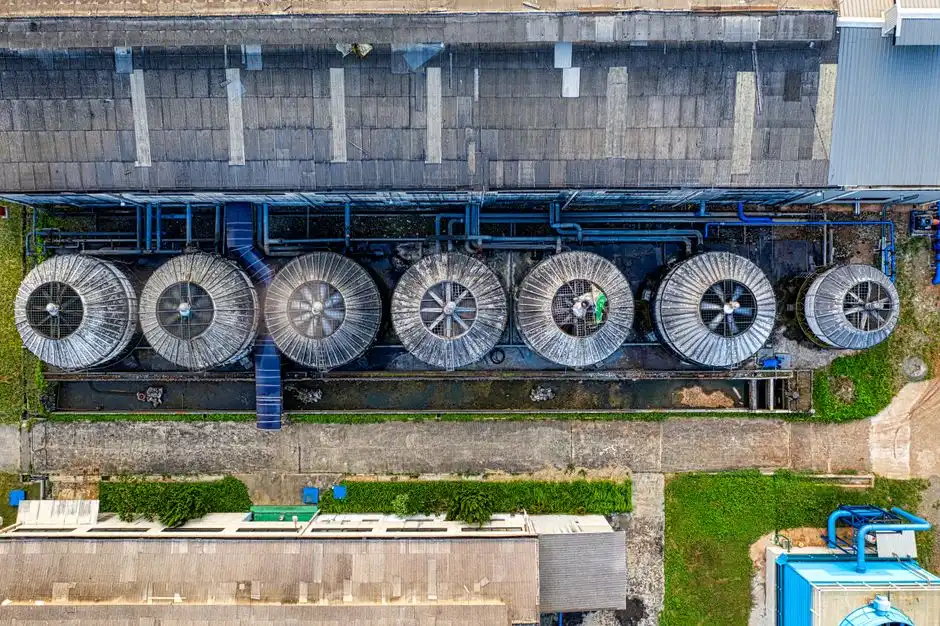
MBR replaces secondary clarification with membrane separation, while conventional activated sludge retains a biological reactor followed by a clarifier and associated sludge-handling infrastructure. This shift alters both the treatment train and the operating-risk profile.
| Project issue | MBR | Conventional activated sludge | Decision implication for Harmony |
|---|---|---|---|
| Solids separation | MF or UF membranes retain biomass and separate solids without a conventional secondary clarifier. | Secondary clarification follows the biological reactor. | Compare clarification performance, footprint, sludge handling and hydraulic resilience. |
| Effluent utility | PCI Membranes describes effluent as free of suspended solids with reduced bacterial and viral content, suitable for sensitive discharge, reuse and RO pretreatment. | Effluent quality depends on clarification and downstream disinfection. | Dissolved chemical contaminants still require treatment in either route. |
| Biological capacity | Complete biomass retention can support higher biomass concentrations and greater biodiversity, potentially improving degradation of recalcitrant substances. | Biomass concentration and retention depend on reactor and clarification design. | Toxicity and chemical incompatibility remain limiting factors for MBR. |
| Footprint | PCI Membranes reports potential for up to 50% smaller footprint for properly designed MBR. HydropureWater states 60% less footprint for its specific integrated MBR system, with capacity from 10 to 2,000 m³/day. | Requires the biological reactor and secondary-clarifier footprint. | Do not treat supplier percentages as universal; confirm the comparison basis and site layout. |
| Operating risk | The 2024 Water review identifies membrane fouling, limited robustness to influent variability and elevated energy consumption as continuing challenges. | Fewer membrane-specific failure modes, but clarification, settling and sludge operations remain critical. | Include aeration or scouring, activation, cleaning, controls and upset recovery in the pilot. |
| Automation and staffing | PCI Membranes states that operation can be fully automated and minimizes operator intervention. | Requires routine biological, settling and sludge-management operation. | Assess the site’s controls capability and membrane-specific maintenance workload. |
The footprint comparison must remain source-qualified. PCI Membranes’ figure is a properly designed MBR comparison, while HydropureWater’s 60% figure and 10 to 2,000 m³/day capacity belong to its specific integrated MBR wastewater treatment system. Neither figure establishes the right Harmony capacity or guarantees a footprint reduction without site-specific clarification of the basis.
MBR also changes the biological-control problem. Complete biomass retention can improve the biological environment, but influent toxicity, variable loading, and chemical incompatibility can still upset the process. Membrane configuration also matters: an DF series submerged MBR module cannot be judged adequately without matching it to the chemistry, flux, scouring, cleaning, and control strategy.
Conventional activated sludge remains the simpler established route for straightforward biodegradable streams with adequate land. MBR adds membrane capital, controls, maintenance, and specialist operating requirements. Since the supplied research contains no comparable project cost data, a defensible commercial comparison must request lifecycle pricing rather than use unsupported figures.
Design the chemical wastewater treatment train
The chemical wastewater treatment train should follow the contaminants and the final use of the water, not a preferred equipment brand. The sequence begins with source segregation and characterization, followed by equalization and pH control where needed, biological treatment, membrane separation if MBR is selected, optional disinfection, and polishing for reuse or discharge.
For conventional activated sludge, secondary clarification follows biological treatment and introduces its own footprint, settling-performance, and sludge-handling requirements. MBR can reduce or eliminate the secondary-clarifier function, but it shifts that benefit into membrane performance, membrane replacement, cleaning, and fouling control.
For industrial wastewater reuse or RO pretreatment, MBR filtrate can provide the low-suspended-solids stream sought by an RO system. However, dissolved salts, residual organics, metals, and membrane-fouling potential still determine whether RO, nanofiltration, activated carbon, or another polishing step is required. The industrial reverse-osmosis water purification system should therefore be evaluated against the final reuse specification, not selected simply because the upstream process is MBR.
- Segregate dumps, cleaning discharges, and off-spec batches where practical, then characterize the common stream.
- Apply equalization, pH control, screening, or other pretreatment only where confirmed process risks justify the unit.
- Provide biological treatment, with aerobic, anoxic, and anaerobic zones selected from the load and treatment objectives.
- Use secondary clarification after conventional activated sludge or membrane separation after an MBR bioreactor.
- Add disinfection and chemical-specific polishing where the reuse or discharge specification requires them.
- Define membrane cleaning, concentrated reject, sludge handling, and residual disposal in the design basis.
High organic loads, difficult-to-degrade chemicals, and inorganic or heavy-metal contamination require a biological-toxicity assessment and a justified pretreatment or post-treatment step. Concentrated solids must also have a defined route; a plate-frame filter press may be relevant where dewatering is required, but its suitability depends on the sludge and chemical inventory. Evaluating only the treated-water outlet leaves a major part of the operating liability unpriced.
Use a pilot and procurement scorecard to make the decision
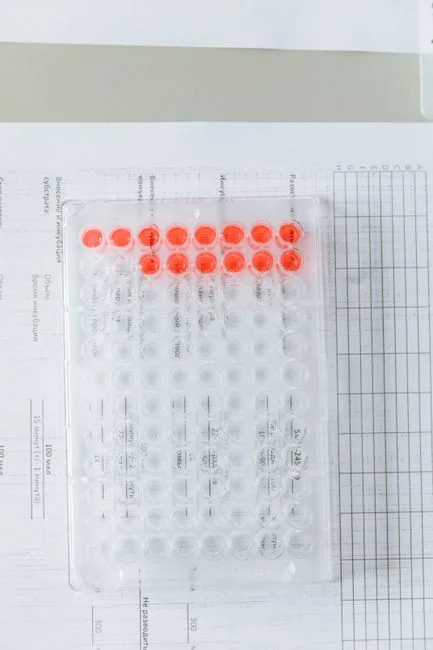
A defensible selection compares both routes against the same project conditions and evidence. The scorecard should distinguish measured chemistry from supplier assumptions and should weight the Harmony reuse target, available footprint, and operating capability alongside biodegradability, toxicity, and fouling risk.
| Scored criterion | Evidence required before selection | Preferred route indicated by |
|---|---|---|
| Biodegradability and toxicity | Representative time-series characterization and biological response | The route that can treat the actual stream after necessary control. |
| Reuse target | Final-water specification and required polishing sequence | The route that meets the target without omitting downstream treatment. |
| Space and footprint | Site layout and source-qualified comparison basis | The route that fits the plant’s available area. |
| Clarification and fouling | Pilot solids-removal data, cleaning response and chemical compatibility | The route with demonstrated separation and stable operation. |
| Controls and staffing | Automation, monitoring, cleaning and service plan | The route the plant can operate reliably with available skills. |
| Expansion and lifecycle | Future load, energy, chemicals, residuals, maintenance and replacement assumptions | The route with the lower lifecycle burden under stated demand. |
Require each vendor to state the treatment basis, influent envelope, expected quality change through each unit, membrane material and configuration, aeration or scouring approach, cleaning method, controls, monitoring, and included pretreatment. Proposal acceptance criteria must reference Harmony’s actual wastewater and receiving requirements; clean-water performance alone is not an acceptance test.
Use a representative pilot or side-stream trial when the stream contains inhibitory, variable, or fouling-prone chemicals. Require a written list of excluded contaminants, operating conditions, and excluded duties. This keeps responsibility for pretreatment, polishing, and residual management clear and supports comparison with the MBR versus activated sludge for mining wastewater.
Frequently Asked Questions
How should an MBR or activated-sludge system be sized for a Harmony chemical plant?
Size from the design flow, peak hydraulic and organic loading, biodegradability, membrane configuration, variability, and final reuse target. HydropureWater’s 10 to 2,000 m³/day range describes its specific catalog system; it is not universal sizing guidance. Request a sizing calculation that shows how each unit responds to peak loads and off-spec events.
How should a supplier be selected for chemical wastewater treatment?
Select against demonstrated experience with similar
Frequently Asked Questions
Is MBR better than activated sludge for chemical wastewater?
MBR is generally superior for chemical wastewater due to its ability to maintain higher Mixed Liquor Suspended Solids (MLSS) concentrations, typically ranging from 8,000 to 15,000 mg/L, compared to 2,000 to 4,000 mg/L in conventional activated sludge (CAS). This higher biomass density allows for a longer Solids Retention Time (SRT), which is essential for degrading complex, slowly biodegradable organic compounds often found in industrial streams.
Furthermore, MBR provides an absolute physical barrier to suspended solids, ensuring a permeate turbidity of less than 0.2 NTU and near-complete retention of bacteria. This results in superior effluent quality that meets stringent reuse standards, whereas CAS processes are susceptible to sludge bulking and solids carryover when treating variable chemical industrial wastewater.
How much does an MBR system cost compared with conventional activated sludge?
The capital expenditure (CAPEX) for an MBR system is typically 20% to 40% higher than a conventional activated sludge plant due to the cost of membrane modules, specialized aeration systems, and automated control infrastructure. However, MBR systems often require a significantly smaller footprint, reducing civil engineering and land acquisition costs by up to 50% in space-constrained industrial facilities.
Operating expenditure (OPEX) for MBR is generally higher, primarily driven by energy consumption for membrane scouring (typically 0.4 to 0.8 kWh/m3 of permeate) and membrane cleaning chemicals. While CAS has lower energy demands, MBR offsets these costs by eliminating the need for tertiary clarification and granular media filtration, and by reducing sludge disposal costs through higher dewatering efficiency.
What information should I give an MBR supplier before requesting a proposal?
To receive an accurate proposal, you must provide a comprehensive chemical characterization of the influent, including Chemical Oxygen Demand (COD), Biological Oxygen Demand (BOD5), Total Suspended Solids (TSS), Total Nitrogen (TKN), and Total Phosphorus (TP). Additionally, you must specify the presence of surfactants, oils, greases, and heavy metals, as these can foul membranes or inhibit biological activity.
You should also define the hydraulic flow regime, including average, peak, and minimum flow rates (m3/day), as well as the required effluent discharge quality standards. Providing historical data on temperature fluctuations and pH ranges is critical, as extreme values directly influence membrane flux rates and the selection of membrane material, such as PVDF or ceramic versus standard polymers.
How do I size an MBR for a variable chemical wastewater stream?
Sizing an MBR for variable streams requires an equalization tank upstream to dampen hydraulic and organic shocks, ensuring the membrane flux remains within the design range of 10 to 25 LMH (liters per square meter per hour). The system must be sized based on the peak flow rate while maintaining the design SRT to ensure that the biological kinetics can handle sudden increases in organic loading without breaching the membrane capacity.
Dynamic modeling should be employed to determine the necessary membrane surface area, accounting for the "critical flux" concept to prevent rapid fouling during high-load events. Engineers should incorporate a safety factor of 15% to 20% in membrane area to accommodate potential seasonal variations and to allow for offline cleaning cycles without compromising the total treatment capacity.
Can MBR remove solvents, metals and other non-biodegradable chemicals?
MBR is highly effective at removing particulate-bound metals and non-biodegradable suspended solids, but it does not inherently remove dissolved heavy metals or recalcitrant solvents through biological action alone. To achieve removal, pre-treatment steps such as chemical precipitation, pH adjustment, or advanced oxidation processes (AOP) are required to convert soluble species into a form that can be physically separated or oxidized.
While the long SRT of an MBR enhances the degradation of some complex organic molecules that CAS cannot process, non-biodegradable or toxic solvents may require the addition of powdered activated carbon (PAC) to the bioreactor. This "PAC-MBR" configuration adsorbs the recalcitrant compounds onto the carbon particles, which are then retained by the membrane, effectively removing them from the treated effluent.