Which Rules Control a Sewer Discharge Near Alton?
Mining and metals plants near Alton must comply with sewer-discharge limits through the receiving POTW’s pretreatment program under Clean Water Act §307(b) and 40 CFR Part 403, with federal categorical standards potentially applying under 40 CFR Part 437 for ore mining and dressing or Part 433 for metal finishing. The plant normally equalizes variable flows, adjusts pH, precipitates and flocculates metals, removes the resulting solids, filters residual TSS, monitors the final effluent and dewateres the metal-bearing sludge. Equipment must be sized against the current POTW sewer-use ordinance, the applicable categorical subcategory and site-specific influent data—not an assumed generic mining limit.
The sewer discharge path and any direct surface-water discharge are separate regulatory paths. NPDES addresses direct discharges to waters of the United States under Clean Water Act §402; a sewer discharge enters the POTW collection system and is controlled through the local pretreatment program. A facility can therefore hold separate authorizations for separate outfalls (US EPA, Industrial Wastewater, January 19, 2017 snapshot).
For an Alton-area mine or metals operation, identify the actual receiving authority before selecting equipment. The federal framework uses 40 CFR Part 437 for Ore Mining and Dressing and Part 433 for Metal Finishing where applicable. Some supplied guidance instead refers to Part 440 for metal mining; that conflict must be resolved against the facility’s actual SIC activity, categorical subcategory and current permit language rather than copied into a bid specification.
| Compliance question | Controlling authority or document | Design implication |
|---|---|---|
| Is this a sewer discharge? | Clean Water Act §307(b); 40 CFR Part 403; receiving POTW sewer-use ordinance and industrial-user permit | Use POTW local limits, monitoring conditions and discharge restrictions. |
| Does the operation have a separate surface-water outfall? | Clean Water Act §402 NPDES authorization | Do not apply NPDES limits automatically to the sewer discharge, and do not assume the sewer discharge is covered by NPDES. |
| Is a categorical standard applicable? | Operative Part 437 or Part 433 subcategory, as confirmed for the facility | Treat applicable federal requirements as a regulatory floor; verify the controlling local limit before sizing. |
The POTW may impose tighter metal limits, additional monitoring requirements or discharge controls than the categorical floor. The resolution is therefore sequential: identify the receiving POTW, confirm the categorical subcategory, obtain the current sewer-use ordinance and permit, and then trace every numerical limit to a treatment function. The 2026 mining-plant sewer-limit compliance guide provides a parallel decision framework, but local documents remain controlling for an Alton facility.
Build the Permit and Wastewater Data File
A defensible design starts with the receiving authority’s current documents, not a generic “mining wastewater” specification. Request the sewer-use ordinance, industrial-user sewer permit, discharge authorization, local limits, monitoring requirements and enforcement provisions from the POTW that actually serves the facility’s sewer connection. Confirm the applicable categorical subcategory and obtain the plant’s current permit, monitoring reports and discharge-monitoring results.
The next deliverable is a representative influent characterization. It should cover flow variability, pH, TSS, Pb, Cu, Zn, Cd, Ni and As, plus sulfate, TDS, oil and grease where relevant. It should also identify the discharge schedule, batch releases, dilution practices, sampling locations, monitoring frequencies and analytical methods. Chain-of-custody procedures must be defined so the compliance basis can be audited rather than reconstructed during supplier selection.
- Compile the current POTW ordinance, industrial-user permit and categorical determination.
- Assemble at least 12 months of influent records, including seasonal and batch-discharge data.
- Calculate hydraulic and pollutant loading from representative flows and concentrations.
- Reconcile those results with the POTW limits, monitoring frequencies and averaging requirements.
HydropureWater’s Price-area mining guidance, published in 2026, specifically recommends a 12-month influent characterization and 2025–2026 discharge-monitoring data before equipment sizing. That recommendation supports using a full operating year rather than a single campaign; it does not supply the Alton facility’s actual flows or concentrations.
Do not release an equipment purchase order while any of these inputs remain unresolved. Missing flow records prevent equalization sizing; missing metal data prevent reagent and pH selection; missing sludge data prevent dewatering design; and an incomplete permit file can cause a treatment train to be designed against the wrong legal limit. The Price-area pretreatment data-file guide provides a useful document checklist to adapt for Alton.
Map the Wastewater to a Pretreatment Train
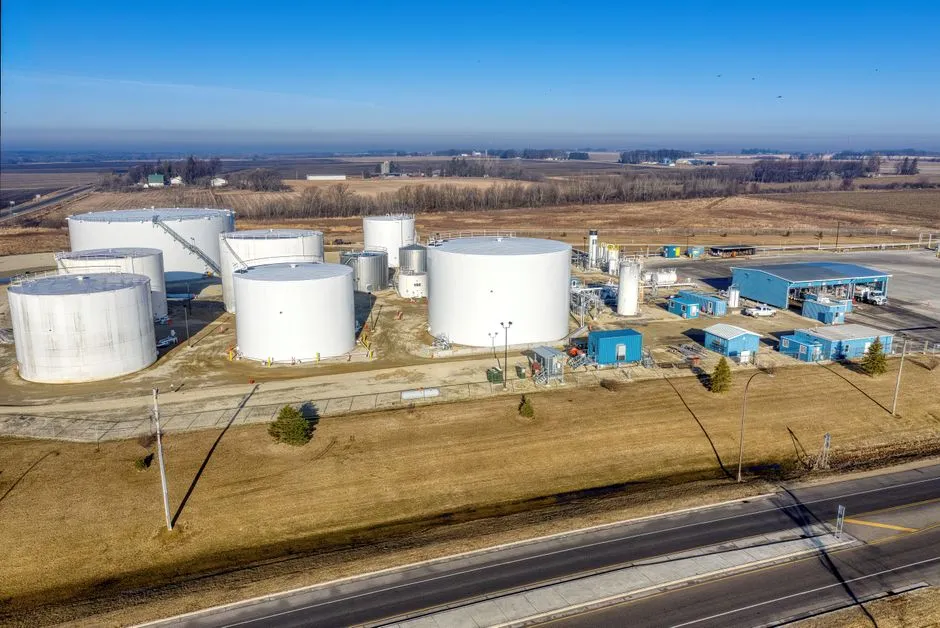
The treatment train should be built in flow order so each unit prepares the stream for the next constraint. Equalization comes first because variable batch discharges otherwise pass directly into pH control and clarification. HydropureWater’s 2026 mining/metals pretreatment guidance identifies equalization as commonly undersized and gives 8–24 hours of average daily flow as the initial design envelope for batch and shift-related spikes.
Next comes PLC-controlled pH adjustment, followed by precipitation and coagulation/flocculation. The supplied research gives a broad pH target of 6.5–9.0 and describes ±0.2 control around the selected setpoint; the actual operating point must come from the POTW limit and jar testing. Hydroxide precipitation with lime or sodium hydroxide is the default because it is comparatively straightforward, but metal-specific pH windows and reagent doses cannot be inferred from a general equipment brochure.
Coagulation and flocculation then convert precipitates and suspended particles into flocs suitable for capture. DAF or lamella clarification removes the metal-hydroxide flocs, and multimedia filtration provides the final TSS-polishing barrier. HydropureWater’s 2026 guidance cites 1–2 m/h filtration and residual TSS below 10 mg/L for a multimedia filter. Include disinfection only when the POTW ordinance, collection-system conditions or industrial-user permit requires it; the same source cites chlorine dioxide at 1–5 mg/L where chlorine dioxide is selected.
| Process step | Primary function | Compliance or procurement deliverable |
|---|---|---|
| Equalization | Dampen flow and concentration peaks | Working-volume calculation based on 8–24 hours of average daily flow, then validated against batch and peak records. |
| pH adjustment | Set conditions for metal precipitation | PLC-controlled chemical dosing skid, selected setpoint, chemical demand and alarm logic. |
| Precipitation and flocculation | Convert dissolved metals and fine solids into separable flocs | Jar-test basis, reagent curves, mixer data and polymer or coagulant feed range. |
| Clarification | Remove metal-hydroxide flocs and suspended solids | Hydraulic loading calculation, peak-flow case, sludge blanket or float removal design, and turndown. |
| Multimedia filtration | Polish residual TSS | Media specification, filtration rate, backwash trigger, dirty-holdup and treated-water storage. |
| Sludge dewatering | Produce a manageable metal-bearing residue | Dry-solids balance, filtrate return route and disposal specification. |
The sequence should end with sludge dewatering and a defined disposal route. HydropureWater’s 2026 guidance reports 25–35% dry solids from a plate-and-frame filter press, but the required press area depends on the actual sludge volume, solids concentration and dewatering cycle. A filter press for metal-bearing sludge should therefore be selected from solids production and operating schedule, not peak wastewater flow alone.
Choose Between Hydroxide and Sulfide Precipitation
Jar testing decides the precipitation chemistry because the optimum pH window and residual metals are parameter-specific. Hydroxide precipitation with lime or sodium hydroxide should remain the default when trial results show that it meets the verified POTW limit at reasonable chemical demand. The test should compare residual Pb, Cu, Zn, Cd, Ni and As, not one proxy metal, because different species and concentrations can produce different removal behavior.
Sulfide polishing becomes relevant when hydroxide treatment cannot reliably reach the controlling residual-metal target. HydropureWater’s 2026 pretreatment research reports sulfide residuals of 0.01–0.05 mg/L for Cu, Zn, Cd and Ni, compared with 0.5–2.0 mg/L for hydroxide treatment. The same source states that sulfide reagent cost is 2–4 times higher and that sealed reactors with hydrogen sulfide scrubbing are required.
| Decision criterion | Hydroxide precipitation | Sulfide precipitation or polishing |
|---|---|---|
| Initial suitability | Default when jar tests meet the verified limit. | Consider when hydroxide residuals do not meet the target. |
| Reported residuals | 0.5–2.0 mg/L for Cu, Zn, Cd and Ni in HydropureWater’s 2026 comparison. | 0.01–0.05 mg/L for Cu, Zn, Cd and Ni in the same source. |
| Reagent economics | Lower relative reagent cost; sludge generation must still be evaluated. | Reported reagent cost is 2–4 times higher. |
| Safety and equipment | Conventional pH and chemical-handling provisions. | Sealed reactors and scrubbed H₂S ventilation. |
| Purchase decision | Accept only after parameter-specific jar testing. | Evaluate as full-scale or slipstream polishing with the complete safety scope. |
Compare reagent, sludge handling, operator labor, safety systems and disposal over the complete operating envelope. A lower reagent price can still produce a higher total cost if more sludge must be dewatered and disposed of. The DAF versus lamella clarifier selection also explains why clarification and precipitation decisions should be evaluated together.
Select DAF or Lamella Clarification
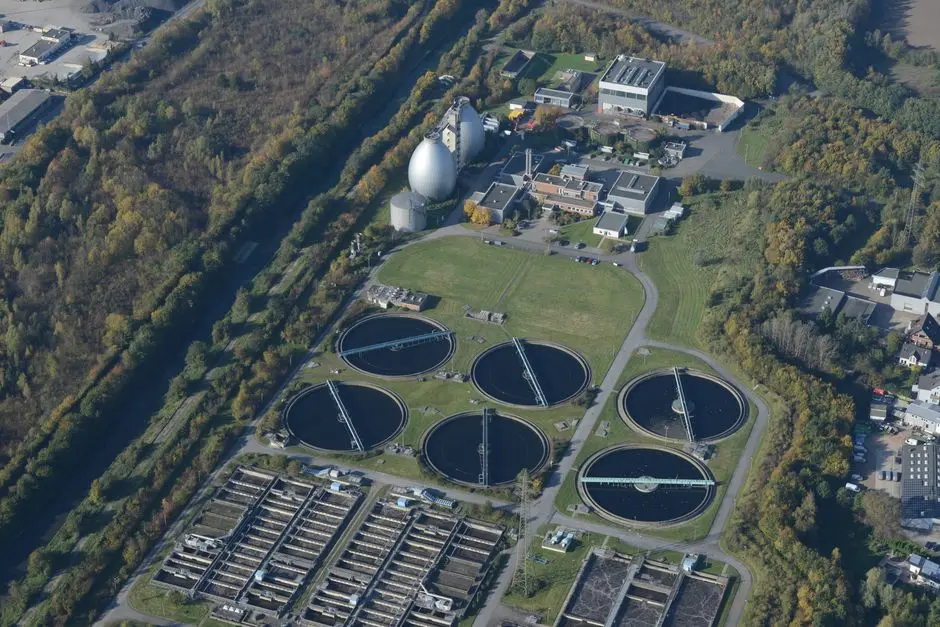
DAF is the stronger candidate when the stream contains oil, grease, fine colloids or low-density metal-bearing solids. Lamella is generally more suitable for dense metal-hydroxide flocs, comparatively high flow or a constrained footprint. Neither technology should be selected from nameplate flow alone.
HydropureWater’s 2026 comparison reports DAF hydraulic loading of 5–25 m/h, a standard capacity range of 4–300 m³/h across 13 models, and stronger treatment of free oil and colloidal material. It cites lamella surface loading of 20–40 m/h and approximately one-third the footprint of a conventional clarifier. The same source specifically warns that lamella does not remove free oil or colloidal fines as effectively as DAF.
| Selection issue | DAF | Lamella |
|---|---|---|
| Preferred stream condition | Oil, grease, colloids or low-density precipitates. | Dense metal-hydroxide flocs. |
| Reported hydraulic basis | 5–25 m/h loading. | 20–40 m/h surface loading. |
| Footprint consideration | Compare equipment footprint against installed alternatives. | Reported as approximately one-third that of a conventional clarifier. |
| Required supplier checks | Actual peak and minimum flows, float handling, oil loading, polymer response and turndown. | Actual peak and minimum flows, sludge-blanket behavior, hopper and withdrawal design, polymer response and turndown. |
Require the supplier to compare both systems against actual average flow, peak two-hour flow, batch-discharge sequence, sludge characteristics and turndown. The clarification design also needs a safety function and a polymer or coagulant feed capable of responding to changing influent chemistry. For an oily stream, an industrial DAF system for mining pretreatment should demonstrate free-oil and colloid performance; for dense flocs, the comparison should document the proposed high-efficiency lamella clarification approach.
Design Monitoring, Sampling and Failure Protection
Monitoring must be designed as part of the treatment train, not added after installation. Place pH control and flow measurement upstream of the discharge point and verify that the equipment can meet the POTW’s instantaneous and averaging requirements. Define sample points for raw influent, equalization, post-precipitation, post-clarification, post-filtration and final discharge so pollutant removal, sludge production and bypass risk can be reconciled.
Dosing controls should respond to flow and upstream measurements. Define high- and low-pH alarms, chemical-tank low-level alarms, clarifier or DAF high-level interlocks, filtration differential-pressure triggers, treated-water high-level shutdowns and the operator response for each event. A bypass should not be available as an unmonitored operating convenience.
Three developments should be checked during permit renewal and design review. HydropureWater’s 2026 research identifies 2024 PFAS monitoring under the EPA Multi-Sector General Permit, 2025 ore-mining BAT revisions and changing local-limit development as future permit-cycle risks. These developments do not automatically establish a new requirement for every Alton-area sewer discharge; the buyer must confirm applicability, discharge path and adoption by the controlling authority before adding analytes or equipment.
The commercial exposure also comes from operating reliability. HydropureWater’s 2026 pretreatment research cites civil penalties of up to $25,000 per day per violation under Clean Water Act §309. That figure frames why excursion prevention belongs in the control and procurement scope, although enforcement still depends on the applicable violation and authority.
Use the 2026 compliance-risk analysis for mining wastewater to structure the monitoring review, but resolve every final requirement against the actual permit and collection-system conditions.
Issue a Supplier Package That Produces a Defensible Proposal

Procurement should compare bids on complete compliance capability, not on the lowest equipment price. Give every bidder the current POTW limits and permit, applicable categorical subcategory, 12-month influent characterization, flow records, required sampling points and target sludge reuse or disposal route. If an input is missing, identify it as a bidder assumption that must be qualified rather than silently filling the gap.
| Required submission | What the buyer should verify |
|---|---|
| Process flow diagram | Every permit limit and treatment function is traceable to a unit operation, sampling point or control action. |
| Mass and hydraulic balance | Average, batch and peak flows; metal and TSS loads; chemical use; sludge production; filtrate return. |
| Equipment sizing calculations | Equalization, dosing, precipitation, clarification, filtration and dewatering use the agreed influent envelope. |
| Control narrative | Setpoints, alarms, interlocks, fail positions, bypass prevention and operator responses are defined. |
| Commissioning and compliance test | Acceptance sampling points, analytical methods, startup sequence, stabilization criteria and correction process are specified. |
| Commercial support | Guarantees, critical spares, media and reagent support, start-up assistance and failure response times are stated. |
Ask bidders to identify their basis of design, performance guarantees, start-up support, critical-spares strategy, media supply and failure-response commitments. Do not ask for an unqualified guaranteed regulatory outcome: performance guarantees should be conditional on the agreed wastewater characteristics, operating envelope and sampling protocol. That protects both the buyer and supplier from ambiguity while preserving a meaningful acceptance test.
The sludge workstream must be included in the commercial comparison. The plate-and-frame filter press for metal-bearing sludge should be priced with cake handling, filtrate return, washwater and disposal assumptions clearly stated.
Frequently Asked Questions
Can an Alton-area mining plant rely only on federal categorical limits?
No. Confirm the current POTW sewer-use ordinance and industrial-user sewer permit, then determine whether Part 437 or Part 433 applies and at which subcategory. Federal categorical standards establish a regulatory floor; the POTW can impose tighter limits and different monitoring or discharge conditions. Also resolve conflicting Part 440 references in the supplied guidance against the facility’s actual permit and SIC activity.
How long should the treatment system be sized?
Use 8–24 hours of average daily flow as an initial equalization-screening envelope, as recommended in HydropureWater’s 2026 mining/metals pretreatment research. Validate that envelope against at least 12 months of influent and batch-discharge data, including peak two-hour flow and shift or campaign releases. A supplier’s equipment sizing must show which flow case it used.
Is DAF or lamella clarification the lower-cost choice?
The supplied 2026 evidence does not support a universal cost answer. DAF is indicated for oily, colloidal or low-density solids, while lamella is suited to dense metal-hydroxide flocs, comparatively high flow or a constrained footprint. Obtain site chemistry, actual flow range, sludge characteristics and installed-footprint information, then request comparable operating-cost and capital-cost proposals using the same design basis.
What should procurement require before selecting a treatment supplier?
Require verified influent data, current local limits, the categorical determination, process calculations, equipment sizing, control narratives, chemical and sludge estimates, commissioning support and performance tests. Also check guarantees, critical spares, media supply and failure-response commitments. These checks establish whether the bidder can deliver an auditable treatment train rather than merely quote a vessel.
What changes if the POTW applies a strict zinc or copper limit?
Reconsider hydroxide dose and operating pH, then evaluate sulfide polishing if the verified limit is below what hydroxide treatment can consistently achieve. Jar-test each relevant metal before purchase, verify residuals through the complete treatment train and include the added reagent, sealed-reactor and H₂S-scrubbing costs where applicable. The filter-press sizing guide for metals wastewater sludge also addresses the downstream consequence of changing precipitation chemistry: sludge volume and dewatering demand must be revised with the selected chemistry.