Separate the wastewater streams before selecting equipment
A Sevilla data center generally needs a site-specific treatment train for cooling-tower blowdown, not a generic wastewater package. The system should characterize source-water TDS, hardness, alkalinity, silica, chlorides and organics; remove suspended solids and colloids; control pH, temperature, biocides and corrosion-inhibitor metals; and either pretreat the blowdown for sewer acceptance or recover it with UF and RO for reuse. Sanitary sewage, RO concentrate and backwash waste must remain separate streams. Final limits and discharge routes must be confirmed with the competent Andalusian and Sevilla authorities and the receiving sewer utility.
Cooling-tower blowdown is usually the main process-wastewater stream in a large data center, while sanitary flow is typically smaller but still requires its own route. RSP Engineers identifies additional streams such as softener or RO backwash, equipment-cleaning wastewater and air-handling condensate. Those flows should be assessed rather than assumed to be insignificant or automatically combined with blowdown.
Prepare a site water-balance and flow diagram before issuing the treatment RFQ. It should identify domestic sewage, cooling blowdown, pretreatment backwash, RO concentrate and contaminated stormwater as distinct streams. Recovery equipment creates additional flows that must appear in the permit application, storage plan, drainage design and equipment layout. A data-center cooling-blowdown sizing and treatment guide provides a useful reference for organizing these interfaces; the water-scarce data-center wastewater strategy illustrates the reuse logic, but neither establishes Sevilla-specific water chemistry or approvals.
| Stream | Engineering classification | Required design treatment | Disposition to verify |
|---|---|---|---|
| Domestic sewage | Sanitary wastewater | Ordinary sanitary collection and treatment; separate from industrial process controls | Sevilla sewer route and applicable connection requirements |
| Cooling-tower blowdown | Industrial process wastewater containing concentrated minerals and cooling chemicals | Characterization followed by filtration, pH control, dechlorination or recovery as required | Industrial sewer pretreatment or another permitted route |
| Softener or RO backwash | Regenerated or rejected water | Flow-specific collection and treatment | Return to process, sewer pretreatment or approved disposal |
| RO concentrate | Concentrated residual stream | Separate storage and monitoring; further concentration only if justified | Written acceptance by the relevant authority or utility |
| Contaminated stormwater | Site drainage subject to contamination risk | Segregation and assessment; do not route to stormwater by assumption | Approved drainage route after source control |
Characterize Sevilla source water and cooling chemistry
The design must begin with representative Sevilla source-water and blowdown data, because the contaminant load of the blowdown—not the raw municipal-water analysis alone—determines pretreatment and recovery requirements. Request laboratory results covering seasonal TDS, calcium and magnesium hardness, silica, alkalinity, pH, chloride, sulfate, TSS and TOC before freezing the RFQ or process flow diagram.
Record the cooling-water chemical program at the same time: antiscalant, corrosion inhibitor, biocide chemistry, residual control and side-stream filtration chemicals. These additions affect pH, membrane compatibility, metal content and the treatment needed before discharge. The laboratory and cooling supplier should characterize expected blowdown at the proposed cycles of concentration, rather than extrapolating from makeup water alone.
No supplied research establishes Sevilla source-water values. HydropureWater’s 2026 Valencia article cites 400–800 mg/L TDS, 150–300 mg/L as CaCO3 total hardness and 10–30 mg/L silica for municipal or desalinated makeup in Valencia. These are explicitly Valencia benchmarks, not Sevilla design values, and neither Valencia’s basin authority nor its permit assumptions should be transferred to this project.
The recovery rate, concentrate volume and pretreatment selection must be linked to the measured feed composition, selected cycles of concentration and the recovery demonstrated by the equipment supplier. Treatment-system parts, valves and filter media should be specified only after that interface is established.
| Required input | Design question answered | Information needed from the project team |
|---|---|---|
| TDS, hardness, alkalinity, chloride, sulfate and silica | Which salts can concentrate, precipitate or pass to the recovery system? | Representative seasonal source-water analysis and proposed cycles of concentration |
| pH and temperature | Can the feed be neutralized, cooled or accepted without damaging equipment or the receiving system? | Measured range and the cooling-water operating profile |
| TSS, turbidity, SDI and colloids | Which mechanical and membrane pretreatment stages are needed? | Particulate testing, including any existing side-stream filter performance data |
| TOC and biocide residual | Is dechlorination or activated-carbon treatment needed before UF or RO? | Cooling chemical inventory, residual-control method and blowdown sampling |
| Corrosion-inhibitor metals | Could corrosion products or inhibitor metals affect discharge acceptance or membrane performance? | Chemical safety data, concentration limits and representative metal analysis |
| Seasonal makeup and evaporation | What are peak and minimum recovery-feed conditions? | 12-month operating and measured water-balance data |
Match each contaminant and discharge route to the right treatment step
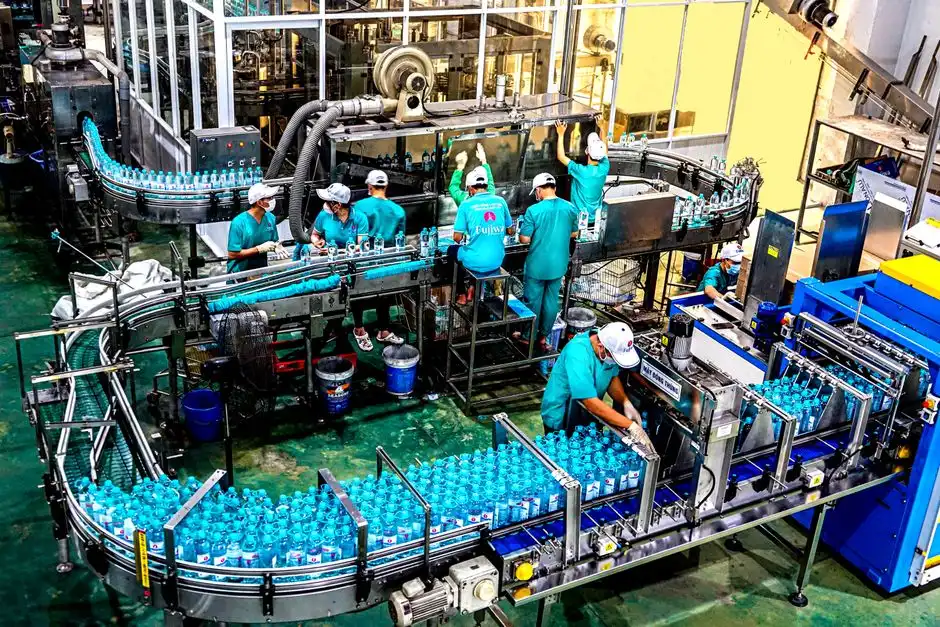
Each measured contaminant should have an assigned treatment function, instrument, cleaning method and receiving-stream destination. Suspended solids, colloids and turbidity must be controlled before RO because membrane fouling and pretreatment demand determine the operating envelope.
HydropureWater’s UF system uses 0.03 μm PVDF membranes, accepts feed turbidity up to 300 ppm and provides automatic backwash and air scour. These figures describe that supplied system configuration; the project must still verify feed compatibility, temperature, chemistry and required recovery. A PVDF ultrafiltration pretreatment for cooling-blowdown recovery therefore fits where the measured solids load and membrane guarantee support it.
RSP Engineers identifies pH adjustment, chemical precipitation for metals, advanced filtration, dechlorination and reverse osmosis as common project treatments for industrial blowdown. It also notes that temperature may require cooling or holding, while chlorine and other biocides may require dechlorination or a less persistent chemistry. The automatic chemical-dosing system should therefore be defined around the actual pH and residual-control requirement.
Where suspended solids and colloidal fouling must be reduced before UF or RO, use a multi-media filter as pretreatment, with final media selection based on measured SDI and particulate results. Do not use the filter as a substitute for resolving biocide, dissolved-solids or scaling constraints.
RO concentrate is not a disposal detail: it requires a separately accepted route, dedicated storage and monitoring. UF or filtration backwash also needs a defined destination. A complete permit schedule should therefore cover both the original industrial stream and all residuals created by recovery.
| Measured issue | Primary treatment function | Verification | Residual route |
|---|---|---|---|
| TSS, colloids and turbidity | Multi-media filtration and UF before RO | SDI, turbidity and particulate results | UF backwash |
| Extreme pH | Chemical dosing and neutralization | Calibrated pH instrument and control-response tests | Neutralized discharge stream |
| Biocide residual | Dechlorination or suitable chemistry change | Residual testing at defined operating points | Pretreated blowdown |
| Dissolved salts and scaling species | RO after suitable pretreatment | Feed, permeate and concentrate analyses | RO concentrate |
| Corrosion-inhibitor metals | Chemical precipitation or another accepted process | Representative metal analysis | Precipitation sludge or treated effluent |
| High temperature | Cooling or holding before discharge | Temperature monitoring and acceptance test | Treated industrial stream |
Choose between sewer pretreatment and cooling-water recovery
Three routes require different evidence: discharge-oriented pretreatment, recovery with residual discharge, and high recovery where no residual liquid discharge is feasible. The correct route depends on the confirmed Sevilla acceptance conditions, source-water chemistry, reuse demand and the available concentrate route.
Option A is discharge-oriented pretreatment. Include filtration where solids warrant it, pH control, dechlorination and any other operation required by the receiving sewer utility. This route may minimize equipment complexity, but it does not eliminate treatment obligations and cannot be priced until the sewer authority provides applicable limits, surcharges and monitoring requirements.
Option B recovers water for controlled reuse through filtration, UF and RO. An industrial RO system for cooling-blowdown reuse belongs in this option only after the concentrate destination is accepted. HydropureWater’s 2026 Valencia comparison describes a filtration–UF–industrial-RO train with 50–85% overall recovery. Treat that as an illustrative Valencia reference, not a Sevilla guarantee; a local mass balance and supplier performance guarantee must replace it.
Option C is a high-recovery train for a site unable to discharge a residual liquid stream. Thermal concentration or crystallization must be evaluated against electrical demand, chemical use, equipment requirements and local discharge restrictions. The research supplied for Sevilla does not establish that zero-liquid-discharge treatment is necessary, so this route should not enter the base design without a confirmed site constraint.
Open Engineering Inc’s 2026 LCA found that the wastewater scenario had about twice the global warming potential of the freshwater case, with treatment energy accounting for roughly 80% of the difference. Under UF plus RO, wastewater energy use increased to more than five times the freshwater case. The same study found that improved cycles of concentration reduced blowdown and chemical consumption, while the indirect water penalty was approximately 0.93 L/m³—less than 0.1% of the direct displacement benefit.
Compare municipal-water cost, sewer surcharge, electricity, chemicals, membrane replacement, monitoring, footprint, operator workload and the consequence of permit noncompliance. The RO versus ion exchange for cooling-blowdown reuse analysis provides a useful operating-cost framework, but it does not supply Sevilla tariffs or a final technology selection.
| Decision | Indicative process | Evidence required before selection | Main unresolved output |
|---|---|---|---|
| A: discharge-oriented | Filtration, pH control and dechlorination as required | Written sewer limits, surcharge and pretreatment agreement | Industrial discharge |
| B: recovery with residual discharge | Filtration, UF, RO and controlled reuse | Feed analysis, water balance, recovery guarantee and concentrate acceptance | RO concentrate and rejected/blended stream |
| C: high recovery | RO followed by evaluated thermal concentration or crystallization | No-residual-discharge constraint, energy assessment and permitted residue route | Concentrated residual or solids |
Plan capacity, footprint and operating costs without false precision
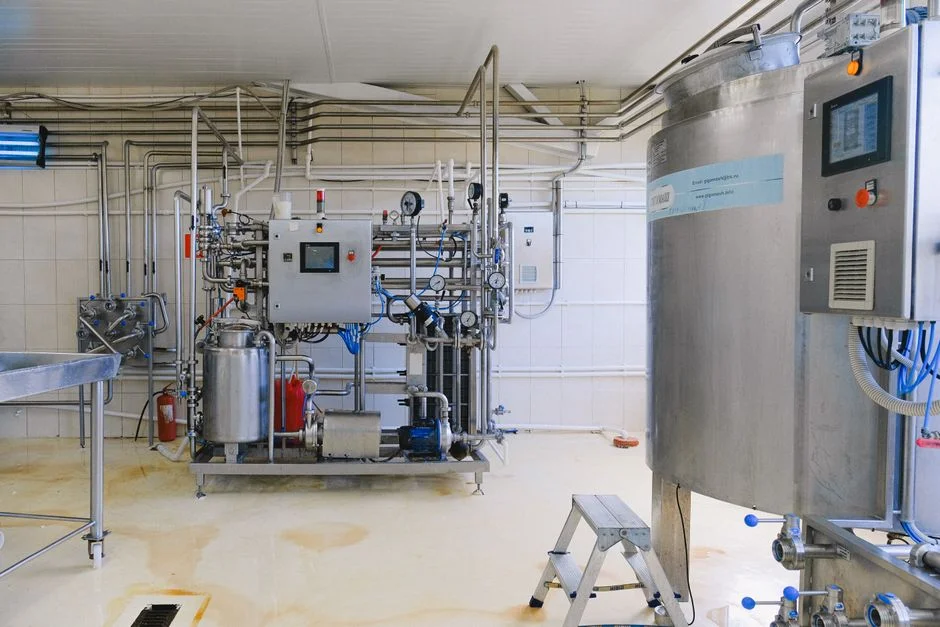
Capacity must come from the project water balance, not from another city’s equipment example. Calculate design blowdown from measured evaporation, makeup demand and the selected cycles of concentration, then verify seasonal peak demand, minimum bypass and hold-up requirements. Recovery-plant capacity should include the measured pretreatment demand and the supplier’s demonstrated recovery conditions.
HydropureWater’s 2026 Valencia comparison states that at four cycles of concentration approximately 25–30% of cooling-tower makeup water is purged as blowdown. Use this only as a screening relationship and replace it with the Sevilla project water balance. The RO and UF membrane and filter-element package should be sized from the verified design flow and feed analysis.
The same Valencia source cites an installed 50,000 GPD RO cost of $250,000–$500,000 and an operating cost of $1.50–$3.00 per thousand gallons treated. These are HydropureWater’s 2026 benchmarks for a comparable scale, not guaranteed Sevilla pricing. A Sevilla budget should instead request itemized quotations covering vessels, membranes, pretreatment, controls, chemical storage, containment, drainage, utilities, commissioning, monitoring, spare parts and concentrate disposal.
RSP Engineers reports that treatment footprints can range from a few hundred square feet for simple pH neutralization to several thousand square feet for filtration and chemical precipitation. Reserve space, vehicle access and spill containment from the site-plan stage. Confirm electrical, mechanical, PED and CE integration requirements with the selected supplier and engineering contractors; US procurement assumptions do not automatically apply to Spain.
| Budget line | Information the buyer should request | Acceptance condition |
|---|---|---|
| Equipment and pretreatment | Itemized vessel, membrane, filter and skid pricing | Capacity and performance tied to the measured Sevilla feed |
| Civil and site integration | Footprint, containment, drainage, access and chemical-storage scope | Reflected in the site plan |
| Utilities and controls | Electrical demand, instrument list, controls and alarm interface | Matches site utilities and permit requirements |
| Operating cost | Power, chemicals, cleaning, membrane replacement, monitoring and labor | Based on projected annual throughput |
| Residual management | Concentrate and backwash transport, treatment and disposal price | Written acceptance route identified |
| Compliance and handover | Commissioning, laboratory sampling, training and documentation price | Included in the supplier and integrator responsibilities |
Verify permits, monitoring and commissioning acceptance criteria
Early site design must obtain written requirements from the competent Andalusian authority and the receiving Sevilla sewer or discharge authority for the intended flow, chemistry and disposal route. The supplied research does not establish the controlling Sevilla permit, numeric discharge limits or connection conditions, so those remain project inputs rather than design assumptions.
Do not transfer Valencia-specific references in the existing HydropureWater page to Sevilla. Valencia’s basin authority, local sewer arrangements, source-water values and current permits apply to a different location. Identify the actual basin authority, municipal sewer authority, responsible Andalusian bodies and applicable site conditions before the permit application or treatment specification is frozen.
RSP Engineers notes that industrial pretreatment permits may require regular certified-laboratory sampling, reporting and automated pH or flow monitoring. Procurement should therefore include sampling ports, monitoring equipment, laboratory services, data reporting and operator workload. The industrial sewer-limit acceptance framework provides a useful example of translating discharge obligations into verification tasks, but it does not define Sevilla requirements.
Commission the skid against an agreed influent and permeate water-quality matrix. Include leak and pressure tests, control-response verification, backwash or cleaning demonstrations, chemical-system checks, alarm tests and operator training. Define responsibility for membrane cleaning, chemical supply, laboratory sampling, utility coordination, reporting and permit renewals before contract award.
- Obtain written local discharge, sewer-preconnection and residual-disposal conditions.
- Freeze the source-water and blowdown characterization basis.
- Approve the water balance, treatment route and recovery guarantee.
- Convert permit conditions into instruments, sampling and reporting requirements.
- Define commissioning tests, acceptance criteria and long-term ownership before award.
Frequently Asked Questions
How should treatment capacity be sized for a Sevilla data center?
Size the train from the site water balance: measured evaporation and makeup demand, selected cycles of concentration, measured blowdown quality and the supplier’s demonstrated recovery rate. Do not size from Valencia or Valencia-based article benchmarks. Request seasonal source-water results and blowdown analyses before selecting vessels, membranes or pumps.
What capital and operating costs should be included in the budget?
Request itemized quotations for pretreatment, UF and RO equipment where applicable, controls, chemical storage, containment, drainage, utilities, commissioning, monitoring, membrane replacement and residual disposal. HydropureWater’s 2026 Valencia comparison cites $250,000–$500,000 for an installed 50,000 GPD RO system and $1.50–$3.00 per thousand gallons treated, but these are not Sevilla quotations. Require the supplier to price the actual flow, feed composition, recovery target and accepted concentrate route.
How should a supplier be selected and verified?
Compare suppliers against the measured feed, recovery guarantee, membrane compatibility, cleaning method, monitoring package, local engineering support and contractual performance criteria. Confirm electrical, mechanical, PED and CE integration responsibilities with the selected supplier and contractors. Reference the data-center wastewater treatment framework for the questions to place in the RFQ, while keeping the design basis specific to Sevilla.
What compliance risks must be settled before equipment selection?
Written acceptance of the discharge route, sewer-pretreatment conditions and concentrate destination must be settled before the skid is selected. Permit noncompliance can require redesign or suspend discharge, so permit conditions should become equipment requirements rather than be addressed after procurement. No numeric Sevilla limit should be assumed until the competent Andalusian authority and receiving utility provide it.
Why does UF and RO reuse still produce waste streams?
UF produces backwash water, while RO separates permeate from a more concentrated residual stream. The industrial RO system for cooling-blowdown reuse reduces fresh-water demand but does not create a discharge-free system by itself. Storage, transport or further treatment must be included for backwash and concentrate, with an accepted final route.
Related Equipment
- industrial RO system for cooling-blowdown reuse — specifications, capacity range, and technical data