What Edogawe's data-center treatment train must handle
An Edogawe data center needs a source-water-specific treatment train for concentrated cooling-tower blowdown and separate routes for other wastewater, with sewer or receiving-water permissions established before equipment is specified. The core train may require screening and filtration, residual-oxidant removal where membrane protection is needed, and RO or polishing when blowdown is reused as cooling makeup. Selection depends on Edogawe makeup-water chemistry, operating cycles of concentration, chemical carry-through, discharge route and current permit limits. Reuse can reduce freshwater demand, but the 2026 LCA found UF+RO energy above five times the freshwater case, with an approximately 0.93 L/m³ indirect water penalty. Final design therefore requires site testing and current local permit values.
Begin by segregating cooling-tower blowdown, cooling makeup, domestic sewage, equipment washwater and process wastewater. A common treatment train can obscure whether a constituent requires removal for sewer acceptance, membrane protection, reuse quality or concentrate disposal. Cooling blowdown is recirculating water concentrated by evaporation and carrying salts, hardness ions, silica, biocides, corrosion inhibitors, antiscalants and trace metals. The Kawasaki guide identifies oxidizing and non-oxidizing biocides, including isothiazolones and DBNPA, and notes that their breakdown products can carry through to discharge.
Tokyo data provide only a screening envelope. At 4–6 cycles of concentration, the 2026 Tokyo research reports 1,200–6,000 mg/L TDS, 10–50 mg/L suspended solids and 10–50 mg/L RO permeate. These are not Edogawe limits, source-water predictions or guaranteed treatment outputs. The regional data-center blowdown treatment comparison likewise demonstrates why climate and local infrastructure must be assessed separately.
| Edogawe design input | Why it changes treatment selection | Evidence required before specification |
|---|---|---|
| Makeup-water hardness, calcium, magnesium and silica | Sets scaling risk and practical cycles of concentration. | Representative source-water analysis, including seasonal variability where relevant. |
| TDS, conductivity and alkalinity | Controls blowdown concentration, RO loading and discharge mass. | Makeup and circulating-water measurements at representative COC. |
| Suspended solids and temperature | Defines filtration need, biological risk and heat load. | Cooling-blowdown sample results during normal operation. |
| Biocide, antiscalant and corrosion-inhibitor composition | Determines membrane compatibility, reuse constraints and permit parameters. | Current chemical program, safety data sheets and residual measurements. |
Edogawe climate, tower configuration, operating hours and makeup rate will affect evaporation and blowdown quantity, but the supplied research provides no Edogawe evaporation figures. The data-center wastewater and cooling-blowdown treatment methodology is useful for structuring source-water testing; its geographic screening data are not transferable without local verification.
Build the Edogawe water balance before choosing equipment
The Edogawe equipment basis must begin with measured water flows and chemistry because COC alone does not establish treatment capacity. Record makeup-water flow, evaporation, drift, blowdown, blowdown temperature, conductivity, cycles of concentration and chemical dosing on representative operating days. Makeup chemistry and actual flows—not IT load alone—determine contaminant loading and equipment duty.
- Establish flow: reconcile makeup input, evaporation, drift, blowdown and measured consumption.
- Establish concentration: compare circulating-water and makeup-water conductivity while confirming COC through mass-balance checks.
- Establish loads: multiply measured blowdown flow by constituent concentration for TDS, hardness, silica, suspended solids and regulated chemicals.
- Test the destination: check each load against sewer acceptance, RO recovery, cooling-makeup quality and concentrate-disposal requirements.
Genesis Water Technologies’ 2026 relationship gives a theoretical blowdown ratio of 1/(COC−1): 25% of makeup volume at 4 COC and 20% at 6 COC. The move from 4 to 6 COC therefore reduces theoretical blowdown volume by 20%, not 50%. The same source reports that 20–40% of intake water leaves many facilities as blowdown and warns that actual discharge can exceed theoretical estimates. Metering is therefore required for final sizing.
For each constituent, calculate mass as blowdown flow × measured concentration. A high TDS load, for example, has a different consequence from a small biocide residual: the former may determine concentrate disposal, while the latter may determine membrane protection or permit compliance. The cooling-tower blowdown reuse with reverse osmosis methodology provides the treatment-side sequence, but Edogawe mass-balance inputs must come from site measurements.
Include start-up discharge, emergency dumps and high-load periods as separate design cases. The supplied research does not quantify an Edogawe contingency factor, so the project team should obtain operating history and derive the allowance from observed variability rather than apply an invented multiplier.
Confirm the permit and discharge route first
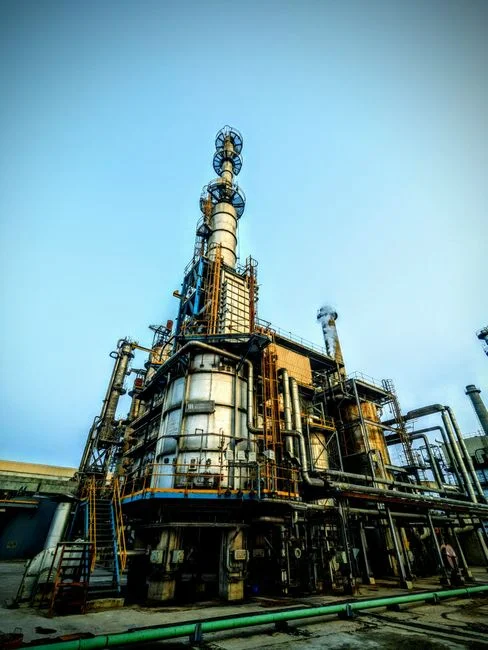
The Edogawe sewer authority must confirm whether cooling blowdown is accepted as industrial wastewater before a treatment skid is specified. Early written correspondence should identify the permitted discharge point, industrial-user pretreatment terms and whether biocides, phosphorus, metals, TDS, temperature or other constituents are controlled. It should also establish monitoring frequency, analytical methods, sampling locations, emergency requirements and whether reuse changes compliance obligations.
Japan’s regulatory structure described in the Kawasaki 2026 guide can govern how the question is framed: direct discharge may engage the Water Pollution Control Act and local ordinances, while sewer discharge may be governed by pretreatment terms enforced by the sewer authority. Those frameworks explain which authority to approach, but they do not establish Edogawe’s current numerical limits or tariff terms. Municipal and prefectural requirements may change, so Tokyo and Kawasaki values should not be transplanted.
If direct surface-water discharge is contemplated, obtain the current national and local receiving-water requirements from the competent authority. If the plan is sewer discharge, request the industrial-user agreement or sewer permit, including treatment performance conditions and any applicable surcharges. The sewer-limits methodology illustrates why discharge acceptance and monitoring must be addressed early; the wastewater-requirements analysis shows how site acquisition can otherwise leave treatment obligations unresolved.
The procurement consequence is straightforward: request Edogawe’s current permit values and analytical requirements in writing before selecting between pretreatment-only discharge, reuse or ZLD. A route that appears economical against reused regional limits may be infeasible under local conditions. Equipment selection should therefore state which authority conditions are confirmed, which remain pending and what design contingency applies if a condition changes.
Compare discharge, reuse and zero-liquid-discharge routes
The three viable Edogawe routes differ principally in compliance risk, freshwater value, energy demand, concentrate handling and operating complexity. Route A is the baseline where a permitted sewer or receiving-water discharge is available; Route B converts treated blowdown into cooling makeup; Route C pursues high recovery or ZLD when discharge permission, source-water chemistry or a binding water-positive objective justifies the additional plant.
| Decision criterion | Route A: permitted discharge | Route B: cooling-makeup reuse | Route C: high recovery or ZLD |
|---|---|---|---|
| Core treatment | Segregation, screening and filtration; polishing only for identified permit parameters. | Filtration, UF as required, oxidant control, RO and blend validation. | RO, brine concentration and thermal or mechanical crystallization. |
| Concentrate destination | Permitted discharge or collection point specified by the authority. | RO concentrate still requires an approved destination. | Salt or concentrated residual requiring controlled handling. |
| Permit risk | Depends on Edogawe acceptance and current local limits. | Permit remains applicable; reuse does not eliminate discharge obligations. | Can reduce discharge exposure but raises waste-handling requirements. |
| Operating profile | Generally lowest process complexity. | Requires membrane control, cleaning and operator capability. | Highest energy, equipment and maintenance burden. |
| Freshwater outcome | No direct blowdown recovery benefit unless separately repurposed. | Reduces freshwater demand according to measured recovery and blend rate. | Maximizes water recovery but requires a binding water-positive rationale. |
For Route A, add only the unit operations needed for confirmed permit parameters and source-water risks. Route B needs robust pretreatment before RO, residual oxidizing-biocide control where required, permeate analysis and compatibility testing with the cooling tower. A functional industrial RO system for cooling-blowdown reuse still leaves the concentrate-management question unanswered.
The Tokyo 2026 study provides a transparent 200 m³/day comparison, not an Edogawe quotation. Its Option A—side-stream filtration, UF and brackish-water RO—is reported at ¥30–60 million CAPEX and ¥180–360/m³ OPEX. Option B adds ¥20–40 million CAPEX and reduces discharge by 80–90%. Full ZLD is reported at ¥150–400 million CAPEX and ¥600–1,800/m³ OPEX. These figures include different scopes and cannot be transferred to Edogawe without measured flow, local energy tariffs, sewer charges, haulage and site conditions.
The environmental trade-off is material. Cartagena Vaca et al.’s 2026 LCA found that the wastewater scenario had about twice the global warming potential of the freshwater case, with treatment energy explaining roughly 80% of the difference. Its UF+RO scenario used more than five times the freshwater energy, although improved COC reduced blowdown and chemical consumption. The study also found an approximately 0.93 L/m³ indirect water penalty, less than 0.1% of the direct displacement benefit.
Route selection should therefore test permit risk, avoided freshwater and sewer costs, energy, concentrate destination, footprint, operator competence, redundancy and schedule. The supplied research provides neither Edogawe-specific costs nor equipment lead times, so those remain supplier and authority inputs rather than engineering assumptions.
Size pretreatment around the membrane and reuse risk
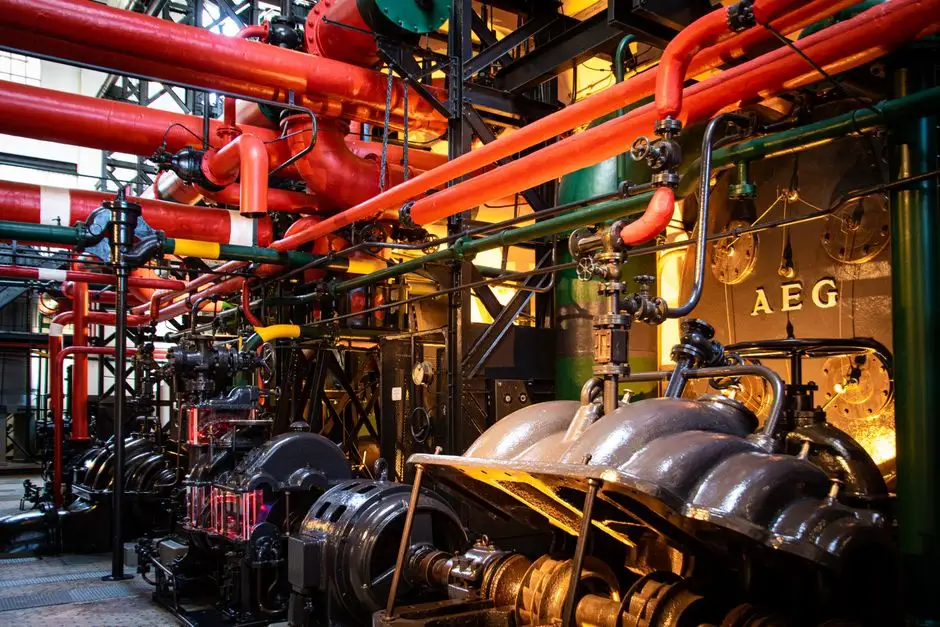
Pretreatment should remove the foulants that threaten downstream RO, reuse quality or permit compliance without treating every constituent twice. Start with side-stream mechanical filtration or screening to remove corrosion products, biofilm fragments, airborne dust and debris. The required filter mesh and solids-loading basis must follow Edogawe samples because the Tokyo screening values are not site specifications.
Add UF when suspended solids, colloids or biological material threaten the RO feed. The specified PVDF ultrafiltration pretreatment for Edogawe blowdown uses 0.03-micron PVDF membranes, handles up to 300 ppm turbidity and provides automatic backwash and air scour. Final operating duty still requires confirmation from Edogawe feed analysis, recovery target and cleaning strategy.
Where finer suspended-solids removal is needed ahead of RO, a multi-media filter can provide controlled suspended-solids removal for downstream membrane protection. The filter’s SDI duty must be specified against the selected membrane system rather than accepted as a generic claim.
| Risk or objective | Process response | Verification required |
|---|---|---|
| Corrosion products, dust and debris | Side-stream mechanical filtration or screening. | Representative suspended-solids profile and differential-pressure loading. |
| Colloids or biological material before RO | UF with automatic backwash and defined cleaning limits. | Turbidity, recovery, cleaning frequency and feed-water compatibility. |
| Oxidizing disinfectant carry-through | Validated dechlorination or activated-carbon barrier before polyamide RO. | Residual oxidant measurement and membrane-compatibility test. |
| Non-oxidizing biocide breakdown products | MBR or other biological stage where testing shows an organic load requiring removal. | Blowdown TOC, biodegradability and treated-water analysis; no Edogawe trigger is established by the supplied research. |
| Non-potable cooling reuse | Permeate polishing and controlled blend with tower makeup. | Scaling, corrosion, biological-control and feed-water compatibility testing. |
The Tokyo research identifies free-chlorine quenching below 0.1 mg/L as its described operating target before RO; it is not a universal Edogawe requirement. It also identifies MBR as an option where non-oxidizing biocide breakdown products require biological treatment before RO, but provides no Edogawe concentration trigger. For cooling reuse, validate the permeate blend against tower chemistry and the facility’s biological-control program rather than assuming generic RO permeate quality is sufficient.
Control chemistry, monitoring and operating risks
Tower-side and treatment-side chemistry must be managed as one operating envelope. Antiscalant, biocide and corrosion-inhibitor choices affect membrane compatibility, reuse quality, chemical consumption and permit parameters. The Kawasaki 2026 guide specifically notes that oxidizing and non-oxidizing biocides and their breakdown products can carry into discharge, while the Tokyo 2026 research treats phosphorus-based inhibitors and biocide residuals as compliance-relevant concerns.
Automatic dosing should follow testing rather than precede it. Establish the required chemical, compatible dose range and control signal through source-water and blowdown analysis. The supplied research provides no Edogawe dosing rates, so a supplier should not select a dosing skid from nominal skid flow alone.
- Monitor flow, conductivity, pH, temperature, differential pressure and turbidity continuously or on an operator-defined schedule.
- Verify constituents used in permit reporting through the specified laboratory analytical methods.
- Define membrane-cleaning triggers, chemical acceptance criteria and restart procedures.
- Provide bypass, isolation, standby power and a controlled response to failed dosing or membrane operation.
- Prevent automatic loss of containment from becoming uncontrolled tower blowdown.
Genesis Water Technologies’ 2026 analysis emphasizes that hyperscale RO, ion exchange and multistage systems can be operationally demanding for smaller facilities. Edogawe should therefore compare each bid against available operator competence, not only automatic-control features. Failure-management lessons from common wet-processing equipment failures are relevant to maintenance planning and spare-parts selection.
Evaluate whole-life cost using avoided freshwater, sewer fees, chemical use, membrane replacement, energy and concentrate disposal. Water savings alone can obscure a treatment train whose energy and maintenance burden outweigh the recovered volume. A supplier-ready comparison should also state which performance values are measured guarantees and which are assumptions.
Turn the treatment decision into a supplier-ready package
Comparable bids require a common process design basis. The package should include hourly and daily blowdown flow, operating and design COC, full makeup-water analysis, blowdown chemistry, target reuse quality, discharge route, utility requirements, authority conditions and operating scenarios. It should also identify which inputs are verified and which are still pending from Edogawe authorities or the utility.
| Package item | Minimum information required from bidders | Buyer check |
|---|---|---|
| Design basis | Measured feed flow, COC range, complete chemistry and operating hours. | Confirm that every bidder used the same feed and design cases. |
| Process scope | Pretreatment, RO or polishing selection, recovery, polishing requirements and sequencing. | Trace each identified contaminant to a treatment step or residual-risk statement. |
| Concentrate | Flow, chemistry, destination and responsibility for sampling or hauling. | Verify that the proposed destination is permitted and physically available. |
| Performance | Guaranteed permeate quality, recovery, availability and membrane conditions. | Define test methods, correction curves and remedy for non-performance. |
| Controls and validation | Monitoring, alarms, interlocks, cleaning, commissioning and acceptance testing. | Require site-water validation before final acceptance. |
| Lifecycle support | Energy, chemicals, membrane replacement, maintenance, training, spares and support. | Compare total cost over a stated operating period. |
Require guaranteed equipment-performance criteria, but treat the Tokyo research values of 10–50 mg/L RO permeate and 75–80% recovery as screening references rather than Edogawe guarantees. Ask bidders to state their flow basis, pretreatment selection, recovery, concentrate solution, chemical consumption, redundancy, controls, validation protocol, commissioning duration, operator training, maintenance schedule, replacement cost and spares strategy.
The Tokyo study reports a 4–9 month permit-review period for a new discharge and potentially longer for ZLD, but no Edogawe-specific lead time appears in the supplied research. Require each bidder to provide a schedule for equipment delivery, site works, commissioning and authority acceptance. Before final selection, conduct a bench test using Edogawe makeup water run to the planned COC. This verifies scaling, filtrability, oxidant response and reuse chemistry under local conditions rather than transferring Kawasaki, Tokyo or other regional criteria.
Frequently Asked Questions
What wastewater and cooling blowdown treatment does a data center in Edogawe, Japan need?
It needs segregated treatment routes based on measured wastewater chemistry and the confirmed disposal destination. Cooling blowdown may require filtration, oxidant control, UF and RO for cooling-makeup reuse, with concentrate management; domestic sewage and washwater need their own characterizations. Edogawe authority conditions and site testing determine the final equipment scope.
How much does wastewater and cooling blowdown treatment cost in Edogawe?
The research provides only a Tokyo 200 m³/day benchmark: ¥30–60 million CAPEX and ¥180–360/m³ OPEX for a filtration-plus-UF-plus-RO option, with full ZLD reported at ¥150–400 million CAPEX and ¥600–1,800/m³ OPEX. These are not Edogawe prices. Request quotations after obtaining measured blowdown flow, source-water and blowdown analyses, COC, discharge route, authority limits, local tariffs and concentrate-disposal terms.
What data are required to size treatment equipment for an Edogawe data center?
Require measured hourly and daily blowdown flow, operating and design COC, makeup-water chemistry, blowdown chemistry, temperature, suspended solids, biocide and antiscalant composition, permit limits, reuse targets and recovery requirements. IT load alone cannot establish feed flow, membrane loading, concentrate volume or compliance margin.
How should the Edogawe project select and evaluate treatment suppliers?
Compare bids on the same measured feed basis and require a complete mass balance covering treatment, reuse, concentrate and disposal. Evaluate process guarantees, membrane conditions, concentrate solution, controls, validation tests, redundancy, maintenance, operator training and lifecycle support—not CAPEX alone. Ask for delivery, commissioning, permit-interface and performance-test dates, then confirm the proposed train with an Edogawe makeup-water bench test. The cooling-tower blowdown reuse with reverse osmosis method provides useful sequence logic, but local authority acceptance remains decisive.