What UF Can—and Cannot—Remove from Confectionery Wastewater
UF acts as a pressure-driven barrier that rejects suspended solids, colloids, turbidity, bacteria, and particles; it does not completely reject dissolved sugars and soluble organics. In a Polish confectionery study, ultrafiltration pretreatment completely removed suspension and turbidity from the tested wastewater, but that result applies to one stream and test setup. Separately, a 2021 electrocoagulation-plus-UV study reported COD of 1,646.40 mg/L and TSS of 50 mg/L under its tested conditions; those results are not UF performance claims. For procurement, use the PVDF hollow-fiber ultrafiltration system specification—0.03 μm membranes, automatic backwash, and air scour—as a basis for comparison, then verify performance against site samples and permeate-quality requirements.
The distinction is critical for sweet wastewater reuse. Suspended candy fragments, starch, gelatin, and food-color particles can be physically separated. Sucrose, glucose, and fructose remain dissolved, while dyes and Maillard products may be partially retained depending on membrane properties and solute interactions. UF therefore protects downstream equipment and often serves as pretreatment for reverse osmosis; it should not be purchased as a substitute for biological treatment where soluble BOD must be reduced.
The same caution applies to bacteria. A membrane can retain bacteria, but integrity testing, sanitization, and permeate handling remain necessary. The MDPI study used confectionery wastewater from one Polish plant, so “complete removal of suspension and turbidity” establishes a test result—not a universal guarantee. The RFQ should identify the analyzed stream, sampling period, analytical methods, operating temperature, recovery, and permeate endpoint.
Why Confectionery Wastewater Is a Variable Fouling Challenge
Confectionery wastewater has daily and seasonal variability in both flow and composition, while also exhibiting high COD and BOD, according to the Journal of Ecological Engineering review “Wastewater Treatment Methods for Effluents from the Confectionery Industry – an Overview.” A single grab sample therefore cannot define membrane area, recovery, cleaning frequency, or downstream water quality.
HydropureWater’s 2026 commercial planning ranges—not site measurements—indicate COD of 3,000–25,000 mg/L, BOD₅/COD of 0.4–0.6, TSS of 500–4,000 mg/L, pH of 4–11, and temperature of 40–60°C for typical candy, chocolate, and gum effluent. Treat these figures as quotation-planning assumptions requiring campaign-based sampling.
| Parameter to verify | HydropureWater 2026 planning range | Why it affects UF |
|---|---|---|
| COD | 3,000–25,000 mg/L | Separates soluble treatment demand from particle rejection. |
| BOD₅/COD | 0.4–0.6 | Indicates whether biological BOD reduction is needed before polishing. |
| TSS | 500–4,000 mg/L | Drives equalization, screening, optional DAF, and loading. |
| pH | 4–11 | Sets membrane and cleanability requirements. |
| Temperature | 40–60°C | Changes viscosity, flux, wetted-material selection, and CIP demand. |
Each foulant requires a different response. Sugars and syrups increase osmotic resistance and viscosity; starches and gelatin form adherent gel layers; food colors and Maillard products can create persistent organic films; oil and grease can coat membrane surfaces; and CIP surfactants may re-foul the membrane after cleaning. Screen or DAF can remove gross solids and grease, but neither removes dissolved sugar. Equally, upstream activated carbon or oxidation may help with color, although the 2021 MDPI study found that UV exposure alone did not improve overall wastewater-treatment efficiency in its tested membrane program.
Build the sampling plan around production and cleaning campaigns. Capture washing and rinsing of dishes, devices, equipment, floors, and pipelines; batch discharges; washdown peaks; and CIP releases. The MDPI study identifies these activities as the main sources of confectionery wastewater. Include seasonal product changes and the weakest and strongest fouling periods. Analyze COD, BOD₅, TSS, turbidity, pH, temperature, conductivity, sugar content, and oil and grease where applicable.
Build a Pretreatment-to-Reuse Process Before Selecting the Membrane
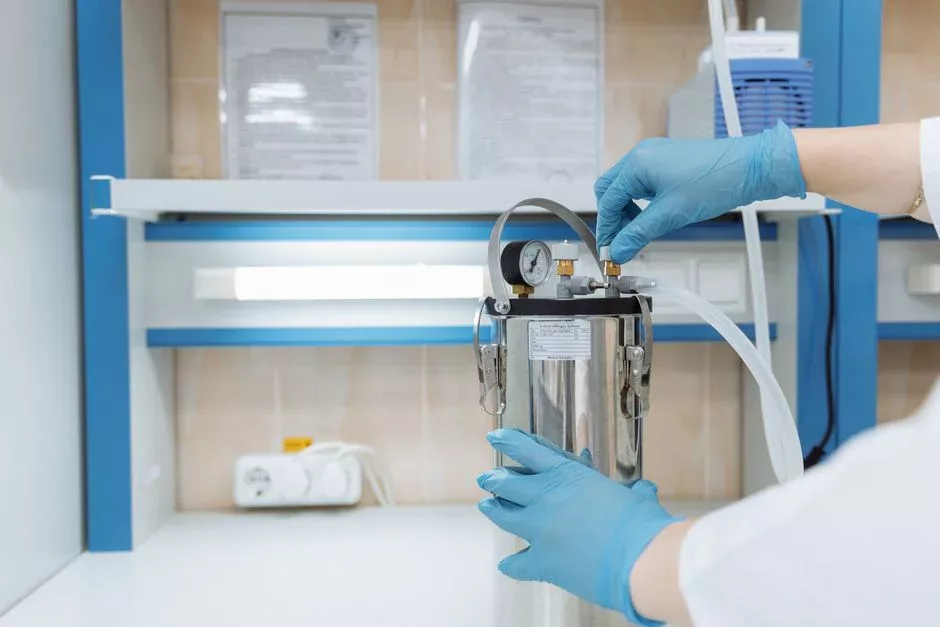
A complete treatment train separates source control from solids removal, membrane polishing, and residual disposal. The procurement sequence is: segregate clean and dirty streams; equalize flow and load; screen; add DAF only where TSS, oil, or grease justify it; apply UF; add RO when dissolved salts or residual dissolved contaminants must be removed; and control the UF concentrate, DAF sludge, and RO reject.
DAF is conditional, not automatic. HydropureWater recommends it for high TSS or oil and grease from chocolate tempering and estimates that it adds $40,000–$90,000 to a turnkey budget while extending UF membrane life by 30%–50% on grease-loaded streams. Require site data before accepting either the cost or life-extension claim.
| Decision point | Proceed when | Do not assume |
|---|---|---|
| Equalization | Batch peaks or variable loads could exceed membrane or pretreatment capacity. | A nominal daily average represents every hour. |
| Screening | Visible particles could damage pumps, seals, or membrane elements. | UF replaces gross-solids removal. |
| DAF pretreatment | Sampled TSS or oil and grease creates a material loading risk. | DAF removes dissolved sugars or reduces soluble COD. |
| UF | Suspension, turbidity, colloids, or downstream fouling control must be controlled. | UF alone provides biological COD reduction. |
| RO polish | The reuse endpoint requires further dissolved-species removal. | UF permeate automatically meets boiler, cooling, or CIP-rinse quality. |
| Concentrate handling | A lawful, stable disposal or recovery route is available. | Residual volume is negligible because permeate is reusable. |
UV should be justified by a measured objective. In the MDPI study, initial photooxidation increased nanofiltration efficiency by 17%, yet UV alone had no impact on overall treatment efficiency. The reported absorbance reduction was 35%–41% with longer exposure, and color fell by 59% after 10 minutes. Those results indicate a color response in that stream; they do not establish improved UF performance.
For reuse, HydropureWater states that UF can reduce RO-feed SDI from 6–8 to below 3 and supports reuse rates of 60%–75% for suitable confectionery applications, subject to permits and reuse-quality verification. Where biological BOD reduction is required before membrane polishing, assess an MBR configuration for wash-water reuse. For the final desalting or polishing stage, evaluate the industrial RO water-purification train against the actual reuse specification.
Choose Membrane Chemistry and Operating Window by Stream Risk
Membrane selection should follow the highest measured fouling and chemical risks, not the lowest module price. HydropureWater identifies PVDF hollow fiber as the default planning choice for high-sugar, high-temperature candy effluent, citing pH 1–13 tolerance and a 5–7 year membrane life. PES spiral wound is a possible lower-first-cost choice for lower-risk duty: HydropureWater estimates 20%–30% lower upfront cost but a 3–4 year life on dye-bearing streams. Ceramic tubular is the premium choice for aggressive service, with cited pH 0–14 tolerance, service life above 15 years, and tolerance for CIP above 2% NaOH at 80°C.
| Option | HydropureWater 2026 planning basis | Procurement question |
|---|---|---|
| PVDF hollow fiber | pH 1–13; 5–7 year life; default for high-sugar, high-temperature effluent. | What operating evidence supports the quoted life for our foulant mix? |
| PES spiral wound | 20%–30% lower first cost; 3–4 year life cited for dye-bearing streams. | Does the shorter replacement cycle outweigh the initial saving? |
| Ceramic tubular | pH 0–14; life above 15 years; compatible with cited aggressive CIP conditions. | Does the application justify the higher module cost? |
Chemical compatibility must include the membrane and every wetted elastomer, seal, housing, and valve. HydropureWater cites cumulative chlorine tolerance above 5,000 ppm·h for PVDF and 1,000–2,000 ppm·h for PES. That comparison supports a compatibility check, but chlorine exposure does not establish temperature tolerance, flux stability, or suitability for starch, sugar, oil, or dye fouling.
Temperature and sustainable flux are equally important. HydropureWater cites 40–80 LMH for high-sugar streams and 80–120 LMH for cleaner water. These are planning benchmarks, not a site guarantee. Clean-water flux overstates performance because sugar concentration, suspended solids, temperature, recovery, and backwash alter operating flux. Require the proposal to state the flux basis, temperature correction, operating recovery, and expected cleaning frequency.
The selected module must also be supported by a realistic spares plan. In reviewing RO and UF membrane elements, look for identical replacement part numbers, documented compatibility with the selected cleaning chemistry, and evidence from comparable food-processing duties. A material claim without a defined module, operating window, and test protocol is not enough.
Size the System from Measured Flow and Solids Loading
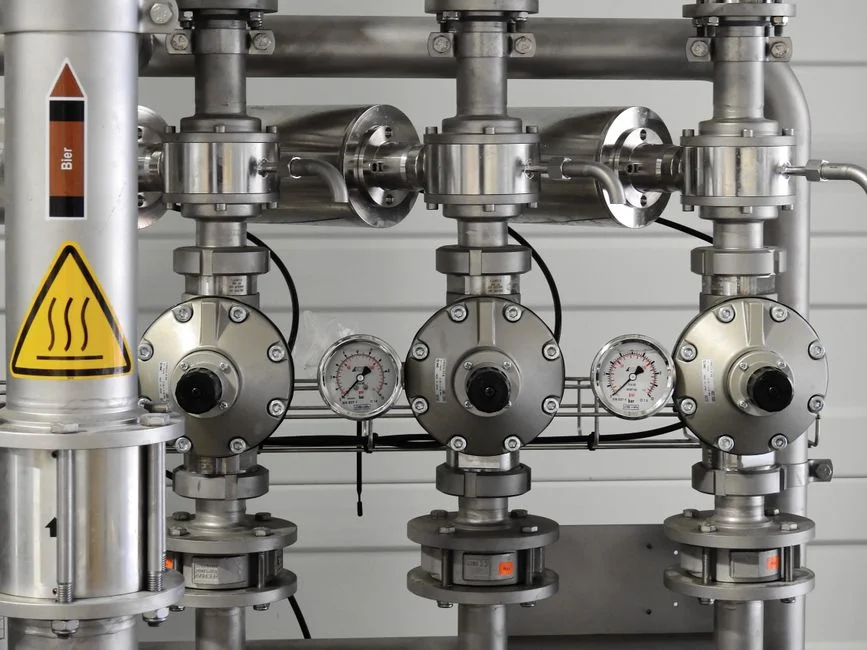
System sizing starts with the wastewater hydrograph, not product tonnage. The buyer must provide average flow, peak hourly flow, batch duration, campaign schedule, equalization volume, TSS, oil and grease where relevant, temperature, pH, soluble COD, turbidity, and the required permeate quality. The MDPI study identifies washing and rinsing of dishes, devices, equipment, floors, and pipelines as major wastewater sources; therefore, the sampling program must measure these flows directly.
Require each bidder to state design flow, design flux, recovery, backwash contribution, concentrate volume, operating temperature, and the pretreatment assumptions behind its membrane area. Also require disclosure of how those assumptions affect pumps, heating, cleaning, and downstream storage.
| Design input | Minimum information to request | Decision affected |
|---|---|---|
| Hydraulic profile | Average flow, peak hourly flow, batch duration, and equalization response | Pump, membrane area, and tank requirements |
| Solids load | TSS and, where relevant, oil and grease by campaign | Screening, DAF, loading, and cleaning frequency |
| Water chemistry | Soluble COD, sugar content, pH, temperature, conductivity, and turbidity | Membrane chemistry, flux, materials, and CIP |
| Recovery | Permeate and concentrate volumes with backwash included | Hydraulics, storage, and residual handling |
| Permeate endpoint | Required TSS, turbidity, SDI, or reuse-quality parameters | Whether UF alone is sufficient or RO is required |
Keep membrane-area calculation as a supplier-guaranteed design task, but audit the inputs and equations. The Journal of Ecological Engineering review reports confectionery plants discharging about 300–500 m³ per month of technological wastewater. That is background for characterization only; it cannot replace the plant’s measured daily and hourly flows.
Screening and chemical dosing should also be priced as interfaces, not hidden accessories. If a mechanical bar screen protects the skid, specify its aperture and extracted-solids route. If backwash or CIP requires dosing, require an automatic chemical dosing system with interlocks, calibration records, and containment appropriate to the selected chemistry.
Validate Performance with a Pilot Rather Than a Generic Guarantee
Site-specific pilot testing is the bridge between published evidence and an enforceable supplier guarantee. Use representative samples spanning the weakest and strongest production periods. Analyze COD, BOD₅, TSS, turbidity, pH, temperature, conductivity, sugar content where relevant, and oil and grease where applicable. The pilot should reproduce the intended pretreatment and operating temperature rather than testing only a laboratory-clean feed.
Measure normalized flux, pressure rise, recovery, backwash demand, cleaning frequency, TSS and turbidity removal, and concentrate characteristics. Record chemical consumption and labor during each cleaning cycle. This creates an operating baseline instead of accepting clean-water flux or a generic “high rejection” statement.
The MDPI result—complete removal of suspension and turbidity in the tested confectionery stream—sets a useful hypothesis, not a universal promise. Similarly, the study’s UV results require careful interpretation: absorbance declined by 35%–41% with longer exposure, color fell by 59% after 10 minutes, and initial photooxidation increased NF efficiency by 17%; nevertheless, UV alone did not improve overall treatment efficiency in that program.
The final acceptance test should identify sample points, analytical methods, operating temperature, feed condition, recovery, and whether the guarantee covers permeate quality, normalized flux, or both. Ask how results will be normalized for temperature and how excursions, sampling delay, and upstream pretreatment performance are treated. A guarantee that excludes every real operating condition offers little procurement value.
Control Fouling with Backwash, CIP, and Concentrate Management
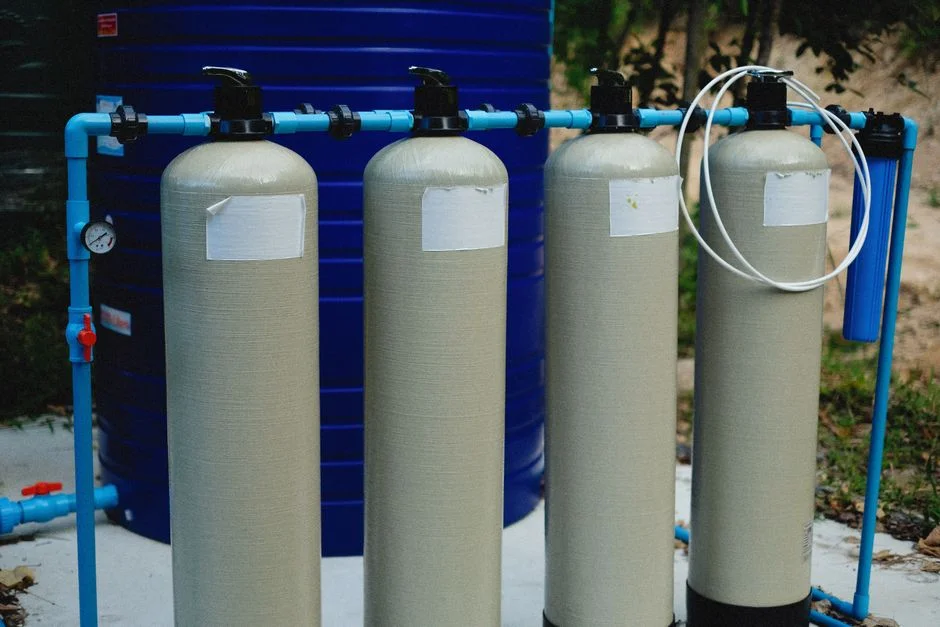
Backwash, air scour, CIP, and concentrate disposal belong in the operating specification and total-cost model. Automatic backwash and air scour are functional requirements in HydropureWater’s hollow-fiber UF catalog specification. The supplier should define trigger logic, flow, duration, filtrate recovery, and the interlock preventing backwash from becoming an uncontrolled product loss.
HydropureWater’s 2026 planning protocol calls for an alkaline wash at 0.5%–1% NaOH and 50–55°C for 60 minutes, an acid wash at 0.3%–0.5% citric or nitric acid and 45°C for 45 minutes, and chlorine sanitization at 200–500 ppm NaOCl for 30 minutes. These are proposed operating conditions, not universal instructions. Have the membrane supplier confirm compatibility with the selected element, seals, piping, and plant SOPs.
| Control activity | HydropureWater 2026 planning basis | Purchase requirement |
|---|---|---|
| Permeate backwash | Every 30–60 minutes | Specify trigger, duration, flow, and recovered volume. |
| Backwash water | 8%–12% added permeate on a 50 m³/day line | Include hydraulic and OPEX effects in the mass balance. |
| Alkaline CIP | 0.5%–1% NaOH, 50–55°C, 60 minutes | Require supplier compatibility approval and heat demand. |
| Acid CIP | 0.3%–0.5% citric or nitric acid, 45°C, 45 minutes | Confirm wetted-material and effluent-handling requirements. |
| Sanitization | 200–500 ppm NaOCl, 30 minutes | Require validation, residuals control, and membrane limits. |
| CIP interval | Daily cleaning cited as extending to every 2–3 days | Verify during pilot and tie cost to actual operating time. |
Include concentrate and sludge handling in the total-cost scope. Depending on solids and composition, UF concentrate may need settling or dewatering, while DAF sludge creates a separate residue stream. A filter press selection for UF concentrate should therefore be evaluated before comparing disposal routes. Require the vendor to state concentrate solids, retained liquid, expected dewatering performance, and final disposition rather than treating concentrate as a percentage-only line item.
Budget for 2026 CAPEX, OPEX, and a Verified Business Case
HydropureWater’s 2026 commercial estimate places a 5–500 m³/day UF skid at $180,000–$1,400,000 CAPEX and $0.18–$0.55/m³ OPEX. Its worked 50 m³/day PVDF hollow-fiber example with heated CIP is approximately $320,000 ex-works. These are planning estimates, not quotations, and the commercial assumptions include PLC control, SS304/SS316 wetted parts, and specified instrumentation.
| Worked 50 m³/day skid component | HydropureWater 2026 estimated CAPEX share |
|---|---|
| Membranes and pressure housings | 30%–40% |
| Pumps, skid frame, and SS304/SS316 piping | 15%–20% |
| PLC and instrumentation | 10%–12% |
| Heated CIP | 8%–10% |
| Engineering, FAT, shipping, and installation supervision | 12%–18% |
The worked annual OPEX is approximately $145,000 for 50 m³/day at 90% uptime. HydropureWater attributes the largest share to energy, followed by membrane replacement, CIP chemicals, labor, and sludge or concentrate handling. The source’s component ranges should be tested against local electricity, chemical, labor, disposal, and replacement contracts.
The source’s business case uses $320,000 CAPEX, $145,000 annual OPEX, $210,000 annual avoided water purchase, and $85,000 annual avoided discharge surcharge, producing a payback of roughly 2.6 years. That calculation depends directly on local tariffs, discharge fees, uptime, and the percentage actually reused. Obtain current invoices and a signed internal reuse allocation before treating avoided cost as bankable.
Scope exclusions can materially change the result. HydropureWater estimates that civil work, permits, DAF, RO polishing, and concentrate hauling may each add 20%–60%. Obtain separate prices and delivery boundaries for every item. The ROI model should sensitize water price, discharge surcharge, membrane replacement, energy, cleaning frequency, and actual reuse percentage. For the downstream option, compare the full industrial RO polishing cost, including reject disposal, against the alternative reuse value.
Questions to Put in the Vendor RFQ
Ask bidders to disclose membrane material, pore size, module geometry, wetted materials, design flow, design flux, temperature rating, recovery, backwash method, instrumentation, and every assumption affecting membrane area and auxiliary equipment. Require process guarantees for permeate TSS, turbidity, SDI where relevant, normalized flux, and maximum cleaning frequency. Each guarantee needs a defined test method, sample point, feed condition, analytical procedure, operating temperature, recovery, and exclusions.
Request a complete mass balance covering feed, permeate, backwash, concentrate, and cleaning waste. Ask for utility demand, chemical consumption, waste volumes, replacement-parts schedule, membrane inventory, and expected pilot or reference data. Require an energy calculation showing feed pumping, backwash, and CIP heating separately.
Require a CIP proposal tied to the selected membrane, with chemical concentration, temperature, duration, frequency, rejection criteria, and compatibility declarations. The FAT/SAT protocol should establish how flux is normalized and how permeate quality is measured. Bidders should also define supplier scope boundaries and separately price screening, DAF, MBR, RO, heated CIP, sludge dewatering, installation, commissioning, operator training, spares, and disposal support.
Finally, require each bidder to state which figures are measured site data, which are vendor estimates, and which are excluded. That distinction prevents a generic performance statement from becoming an unpriced contractual assumption.
Frequently Asked Questions
How much does an ultrafiltration system for confectionery wastewater cost in 2026?
HydropureWater’s 2026 planning range is $180,000–$1,400,000 for 5–500 m³/day systems. A 50 m³/day PVDF hollow-fiber skid with heated CIP is estimated near $320,000 ex-works. These are commercial estimates, not quotations. Request a site-specific offer stating membrane area, pretreatment, utilities, controls, installation, commissioning, freight, and excluded civil, RO, DAF, and disposal work.
How should I size an ultrafiltration system for a candy plant?
Sizing requires measured average and peak hourly flow, batch duration, equalization volume, TSS, temperature, soluble COD, expected recovery, and the required permeate quality. Flux and membrane area depend on those measured conditions, so no universal flow-to-area conversion is defensible. Require bidders to show design flux, recovery, backwash contribution, concentrate volume, operating temperature, and every pretreatment assumption used in the calculation.
Which membrane supplier should I select for confectionery wastewater?
Select the supplier that provides evidence for its proposed membrane chemistry and operating conditions, not merely the lowest module price. Request normalized-flux and cleaning guarantees, membrane-compatibility evidence, reference duties, FAT/SAT methods, a complete mass balance, and priced scope boundaries. PVDF and PES require different chemical tolerances and replacement assumptions; the final choice should follow the sampled stream.
Does UF permeate automatically meet discharge and reuse requirements?
No. UF can remove suspended material and turbidity, but it does not guarantee complete dissolved COD or sugar removal. The supplied research provides no universal discharge limits, so permit compliance must be checked against the actual effluent and receiving requirements. For reuse, obtain site-specific acceptance criteria for the intended application and verify them through pilot testing and any required RO or biological treatment.
Can UF remove the dissolved COD in confectionery wastewater?
UF is principally a solids and colloid barrier, not a universal COD-removal process. The MDPI study found complete removal of suspension and turbidity in the tested confectionery stream, while the separate electrocoagulation-plus-UV study reported COD of 1,646.40 mg/L under its tested conditions. Neither result establishes standalone UF COD performance for a new plant; measure soluble COD and determine whether biological treatment is required.
Related Equipment
- DAF pretreatment for UF — specifications, capacity range, and technical data