Which Treatment Fits Each Conover Waste Stream?
A Conover plastics or rubber factory should choose DAF when representative wastewater contains light solids, FOG, emulsified oil, fillers, surfactants, or other readily floatable contamination; choose a lamella or gravity clarifier when solids are dense, fast-settling, and amenable to flocculation. Mixed-waste plants should evaluate a hybrid train rather than forcing one unit to perform every separation. EPA's historical OCPSF document evaluates both flotation and clarification, but the supplied research establishes no universal Conover effluent limit. The 2026 decision should therefore follow representative sampling, jar and pilot trials, and comparison of equalization, controls, chemical use, sludge handling, and permit or reuse requirements.
Production streams must be separated to ensure accurate treatment selection. Molding, extrusion, compounding, recycling wash water, and rubber production do not have interchangeable contaminant profiles. A blended sample can conceal whether oil, dense solids, or floatable material caused a treatment result.
| Conover production stream | Contaminants to characterize | First treatment direction |
|---|---|---|
| Plastics molding, extrusion, and compounding | Release agents, fillers, cleaning chemicals, oils, detergent carryover, and batch-discharge timing | DAF when floatable or emulsified contamination dominates; clarification for dense, fast-settling solids |
| Plastics recycling wash water | Labels, plastic pieces, fines, oils, detergent carryover, and microplastics | Screening and equalization before DAF or clarification |
| Rubber production | Oils, grease, latex or polymer residues, fillers, carbon black, surfactants, and variable floatables | DAF for light oils and floatables; clarification for dense solids; hybrid treatment if both are significant |
Coarse debris can foul pumps and downstream equipment in recycling wash water applications. A rotary mechanical bar screen can protect the treatment train, but it does not equalize the wastewater, remove emulsions, or capture suspended solids. For rubber production, variable floatables and batch discharges may make equalization as important as the separation device.
The practical rule is: DAF for light or emulsified contamination, clarification for dense fast-settling solids, and a hybrid train when both fractions are significant. This stream-based decision framework is the starting point for the broader plastics and rubber DAF comparison.
DAF or Lamella Clarifier: What Each System Actually Does
DAF and clarification remove different fractions because they exploit different physical behavior. An industrial dissolved air flotation system conditions particles, attaches them to pressurized-air microbubbles, and skims the resulting float. A lamella clarifier uses inclined settling area, while conventional gravity settling depends on particle settling velocity and residence time.
| Comparison point | Industrial dissolved air flotation | Lamella or gravity clarification |
|---|---|---|
| Separation mechanism | Air-bubble attachment followed by surface skimming | Inclined-plate or gravity settling |
| Best-fit contaminant behavior | Light solids, FOG, emulsified oil, fillers, surfactants, and floatable residues | Dense, fast-settling solids and conditioned suspensions |
| Primary operating dependencies | Chemical conditioning, recycle pressure and flow, skimmer operation, controls, and equalization | Flocculation, stable hydraulic loading, feed control, sludge withdrawal, and recycle controls where used |
| Residual stream | Skimmable float | Settled sludge |
| Key limitation | More sensitive to chemical, hydraulic, and skimming control | Inclined plates do not inherently remove emulsified oil |
DAF is generally stronger when flotation is the desired route, especially for light oils and emulsions that do not settle reliably. Clarification is generally stronger for dense solids that settle readily, but a high FOG result alone does not establish that clarification will work. Energycle's reported 95–99% TSS removal is a supplier benchmark for conditioned wastewater, not a guarantee for a Conover plant, according to the 2026 HydropureWater plastics-wastewater comparison.
The EPA's February 1983 OCPSF development document evaluates clarification at page 133 and dissolved air flotation at page 136, then addresses their engineering costs and energy requirements separately. For the relevant equipment concepts, compare an industrial dissolved air flotation system with a lamella clarifier for dense solids.
The Operating Dependencies That Decide the Installed Outcome
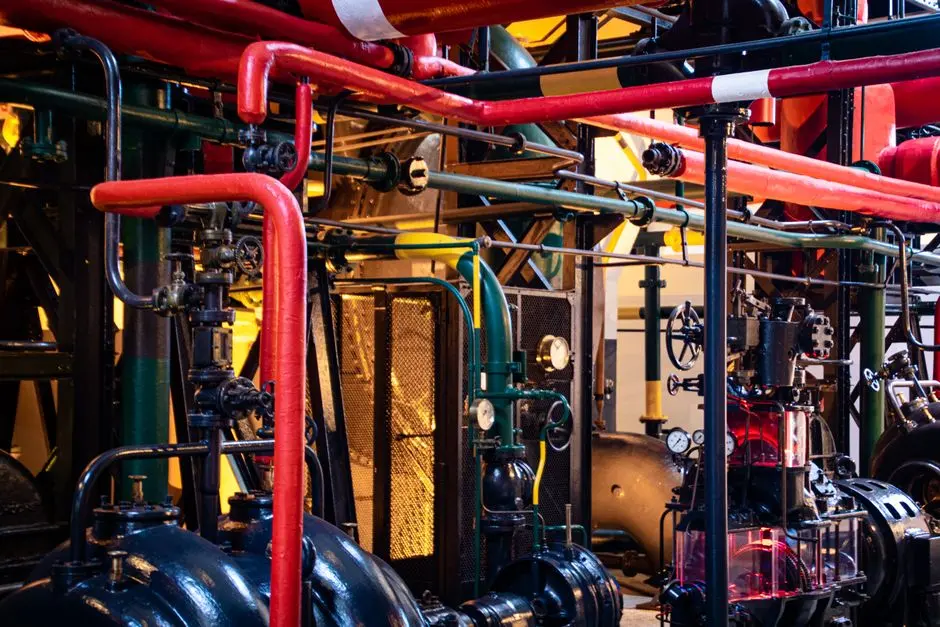
The lower vessel price is not necessarily the lower treatment cost. DAF depends on chemical type and dose, recycle pressure and flow, skimmer operation, controls, and equalization. Clarification depends on flocculation, stable hydraulic loading, feed control, sludge withdrawal, and recycle controls where used. These functions belong inside the bid scope, not as optional accessories.
Procurement should compare chemical consumption, power, maintenance, operator training, and replacement parts under defined operating conditions. Pilot measurements are preferable to catalog assumptions. A bidder should identify the chemicals, equipment loads, control settings, and wastewater characteristics underlying its operating-cost estimate.
Residual handling must also be compared as a complete chain:
- DAF: float transport, sludge dewatering, filtrate management, and disposal or reuse.
- Clarification: settled-sludge transport, collection and withdrawal, dewatering, filtrate management, and disposal or reuse.
Use measured float or settled-sludge properties to compare dewatering options. Assess solids concentration, chemical demand, filtrate quality, labor, cake handling, and the disposal route. Lower float volume does not necessarily mean lower total cost if the float is difficult to dewater. The chemical skid and automatic chemical dosing system should therefore be evaluated as part of the process, while a plate-frame filter press remains one candidate residual-dewatering option.
How to Size and Prove the Choice in 2026
A defensible 2026 selection requires site-specific evidence at each stage. Catalog flow capacity establishes only that a configuration exists; it does not prove that the unit can handle the factory's production peaks, contaminant load, chemistry, or residual stream.
- Define the hydraulic basis. Record average flow, peak flow, production schedules, batch-discharge patterns, and equalization requirements.
- Characterize the wastewater. Test TSS, FOG, BOD, pH, temperature, conductivity or salinity where relevant, emulsified oil, and surfactant content. FOG alone does not establish whether clarification will work.
- Characterize separation behavior. Determine particle density, size, buoyancy, settleability, and floatability alongside the discharge or reuse target and available footprint.
- Run jar tests. Compare chemical type and dose, settling behavior, and flotation response. Jar tests establish an initial conditioning strategy but do not prove full-scale hydraulic or residual-handling performance.
- Pilot the preferred train. Use actual wastewater under representative hydraulic and contaminant loading.
- Issue a normalized bid package. Give every bidder the same wastewater basis and require equivalent deliverables.
- Set conditional acceptance. Tie performance guarantees, commissioning, and payment to documented operating conditions.
For DAF, verify flotation response at production peaks and after batch discharges, and record chemical consumption, recycle flow, float volume, float solids content, and skimmer behavior. For clarification, test settleability, flocculation, sludge withdrawal, hydraulic stability, and variable-feed consequences. If floatable and dense fractions are both present, pilot the complete sequence because each stage changes the condition of the next.
| Stage | Required evidence | Decision controlled by the evidence |
|---|---|---|
| Design basis | Representative sampling record, flow schedule, wastewater characterization, reuse or discharge target, footprint | Treatment objective, hydraulic basis, and preliminary train |
| Jar test | Chemical type and dose, settling or flotation response | Conditioning strategy |
| Pilot test | Representative loading, operating records, residual properties, complete-train results | Equipment selection and sizing |
| Purchase order | Process flow, sizing calculation, materials, controls, operating envelope, commissioning plan, service support, spares, exclusions | Normalized award |
| Commissioning | Site readiness, training, acceptance testing, performance data, punch-list closure | Final acceptance |
Anchor any performance guarantee to the wastewater chemistry, flow condition, contaminant loading, temperature, and operating envelope rather than an unqualified removal claim. Coarse-debris protection may require a rotary mechanical bar screen, but screen selection does not replace the treatment pilot.
Compare Bids on Complete Treatment Scope
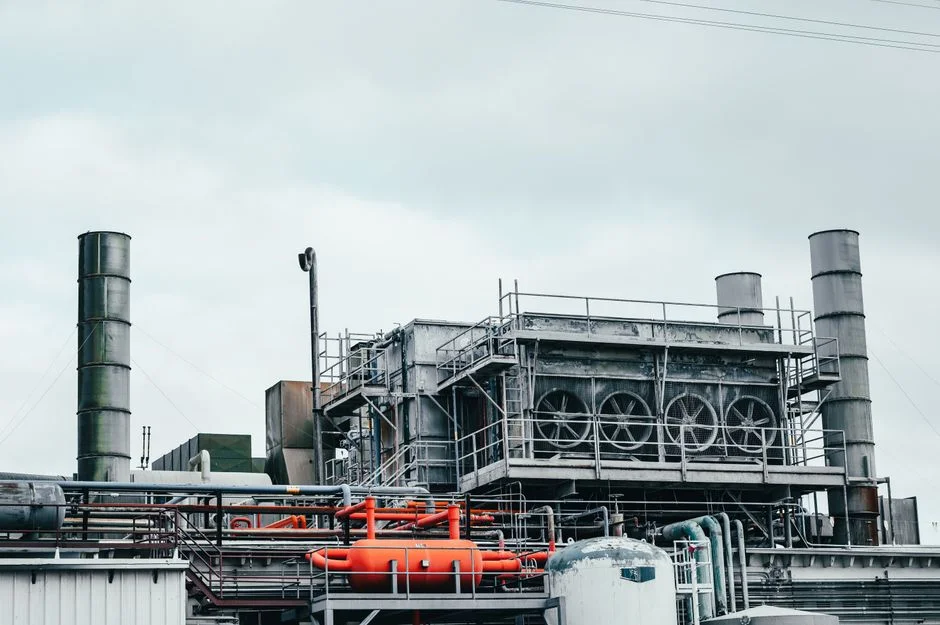
Normalize bids so that each proposal prices the same process, utilities, residuals, and acceptance obligations. Separate pricing is more useful than one equipment lump sum because it exposes omissions and prevents a vessel-only comparison.
| Bid component | DAF scope to price | Clarifier scope to price |
|---|---|---|
| Core process | Flotation vessel, recycle and compression equipment, and skimming | Flocculation, settling area, and sludge collection or withdrawal |
| Controls and chemistry | Chemical equipment, recycle controls, instrumentation, and equalization interfaces | Flocculation equipment, instrumentation, feed control, recycle controls where used, and equalization interfaces |
| Installation | Foundations, utilities, piping, electrical work, site access, and connections | Foundations, utilities, piping, electrical work, site access, and connections |
| Residual handling | Float transport, dewatering, filtrate management, and disposal or reuse | Settled-sludge transport, dewatering, filtrate management, and disposal or reuse |
| Commercial and operating basis | Commissioning, training, warranty, service, spares, chemical and power assumptions, exclusions | Commissioning, training, warranty, service, spares, chemical and power assumptions, exclusions |
Ask bidders to identify exclusions for batch discharges, pretreatment, chemical supply, utilities, controls, downstream sludge handling, and final disposal. Treat Energycle's reported 95–99% TSS removal only as a comparison benchmark; it applies to conditioned wastewater and does not guarantee a Conover result. Request itemized proposals rather than applying a generic equipment-price estimate.
The DAF versus clarifier comparison methodology illustrates why equal treatment scope, operating assumptions, and residual handling must be normalized before award.
Conover Permit, Reuse, and Commissioning Checks
The factory's current permit or sewer-authority requirements remain the controlling compliance basis. The supplied research establishes no universal Conover effluent limit, so generic historical guidance cannot substitute for the current authorization and any facility-specific reuse criteria.
Define the reuse target by the required solids, oil, surfactant, temperature, or process-specific criteria, then validate the complete train against it. Do not assume clarified water is automatically suitable for reuse. If reuse criteria include FOG or surfactant limits, account for emulsified contamination rather than relying on TSS removal alone.
Specify controls and alarms for chemical dosing, recycle flow, skimmer speed, sludge removal, equalization level, and upset conditions. Tie delivery and commissioning to engineering approval, drawings, site readiness, installation responsibilities, written acceptance criteria, training, and documented exclusions.
Value engineering should be a controlled review process, not a discount assumption. EPA's Value Engineering for Wastewater Treatment Works, published in September 1984, reported 5–10% capital savings plus additional operation and maintenance savings when its methodology was positively applied. The industrial ETP and DAF system selection framework provides a broader check on treatment objectives, operating dependencies, and permit confirmation.
Frequently Asked Questions
How should a Conover factory size DAF versus clarification equipment?
Size from representative wastewater, production and batch-discharge data, equalization requirements, and pilot results—not catalog capacity or a generic removal percentage. Require the selected supplier to state the flow condition, contaminant loading, wastewater chemistry, temperature, and operating envelope covered by its sizing.
What should the buyer request when comparing 2026 costs?
Request itemized installed proposals covering equipment, chemicals, controls, equalization interfaces, foundations, utilities, piping, electrical work, installation, commissioning, training, residual handling, and final disposal. Ask each bidder to state its chemical and power assumptions and
Frequently Asked Questions
Should a plastics factory in Conover choose DAF or a lamella clarifier?
The choice depends on the specific gravity and particle size of the suspended solids. DAF (Dissolved Air Flotation) is superior for plastics with a density lower than water, such as PE or PP, achieving 80-95% removal of light oils and suspended solids by floating them to the surface. Lamella clarifiers are more effective for heavier PVC fines or mineral-filled rubber compounds that settle rapidly, generally achieving 70-85% TSS removal without the need for air saturation systems.
How do we size a DAF system for rubber wastewater with batch discharges?
Sizing must be based on the peak hydraulic loading rate during batch dump events rather than average daily flow, typically requiring a hydraulic loading rate of 2 to 4 gallons per minute per square foot (gpm/ft²). To prevent system hydraulic shock, a flow equalization tank sized to hold at least 1.5 times the volume of the largest single batch discharge is mandatory to ensure a consistent influent concentration of 500-2,000 mg/L TSS.
How much does DAF versus a clarifier cost for plastics wastewater in 2026?
In 2026, capital expenditure for a skid-mounted DAF unit capable of processing 100 gallons per minute (gpm) ranges from $120,000 to $180,000, reflecting current inflation in stainless steel and high-pressure pump components. A lamella clarifier of equivalent capacity typically ranges from $75,000 to $110,000; however, the DAF system usually offers a lower total cost of ownership if chemical coagulant and polymer demand is optimized via automated feed controls.
What should we require from wastewater equipment suppliers before purchasing?
You must require a bench-scale jar test report using actual samples of your facility’s wastewater to verify the specific dosage of coagulants and flocculants required to meet your local discharge limits. Additionally, request a performance guarantee specifying a maximum effluent TSS concentration (e.g., <50 mg/L) and a minimum solids capture rate, backed by a pilot study or reference site data from a similarly sized rubber or plastics processor.
What permit and reuse checks should a Conover factory complete before ordering?
Verify your facility’s existing Industrial User Permit with the local municipal wastewater authority to confirm if the addition of a DAF or clarifier requires a permit modification due to changes in sludge characteristics or chemical additives. If considering water reuse, ensure the system can consistently meet the specific turbidity (typically <5 NTU) and pH (6.0–9.0) requirements necessary for your specific production cooling or wash-water loops to avoid equipment scaling or product contamination.