Start with the wastewater decision, not the equipment name
A Taipei factory usually needs a DAF system when its industrial wastewater contains suspended solids, oil and grease, FOG, or colloidal material and requires rapid solids separation; it generally needs an ETP when biological treatment, filtration, disinfection, or multi-stage process control is also required. The correct choice begins with representative wastewater testing, peak-flow assessment, pretreatment needs, sludge handling, and the required discharge or reuse outcome. HydropureWater offers 4–300 m³/h DAF models with micro-bubble flotation and automatic skimming, while the supplied market evidence advertises DAF for high efficiency, short retention, low footprint, and ease of operation.
Define the receiving route before selecting equipment. Direct discharge, pretreatment for a municipal sewer, process-water reuse, and sludge management impose different acceptance criteria. For example, a reusable process stream may need filtration and disinfection that a sewer-acceptance project does not require, while a biological ETP introduces aeration, sludge-management, and control requirements beyond flotation alone.
Characterize suspended solids, oil and grease, FOG, colloidal matter, pH, biological load, and flow variability. Average flow is not a defensible sizing basis: include production peaks, cleaning cycles, batch discharges, operating hours, and possible surge flows. The supplied research provides no Taiwan-specific numeric discharge limits or sewer-acceptance values, so the factory must confirm the applicable requirements with the competent authority before final specification. Equipment scope must be matched to those confirmed requirements, not the other way around.
For a structured equipment comparison, use the 2026 DAF unit decision framework to test each candidate against the same wastewater and discharge objectives.
Map the factory wastewater treatment train
A complete treatment train separates material-removal duties so that each unit has a defined job and the quotation does not omit essential equipment.
- Screen the influent. The GX Series rotary mechanical bar screen provides continuous-duty fine screening with stainless-steel rake teeth, dual overload protection, and a self-cleaning brush discharge mechanism. This protects downstream pumps, valves, skimming equipment, and biological processes.
- Remove floatable and separated solids. DAF belongs after suitable pretreatment when suspended solids, oil and grease, FOG, or colloidal matter must be removed before biological treatment or reuse.
- Control treatment chemistry. The PLC-controlled chemical dosing system handles coagulants, flocculants, pH adjusters, and specialty chemicals. Specify chemical types and doses only after jar testing or another representative assessment identifies the required reactions.
- Manage separated sludge. The plate-and-frame filter press covers filtration areas from 1–500 m² and offers manual, hydraulic, or fully automatic PLC-controlled operation.
- Complete the required treatment chain. The TradeIndia market result includes compact wastewater plants, biological treatment plants, filtration equipment, and other packaged systems. These listings show that a broader ETP can package multiple barriers, but they do not establish the treatment scope required by a specific factory.
| Process stage | Primary function | Items to define in the quotation |
|---|---|---|
| Screening and pretreatment | Protect downstream equipment | Screen type, duty basis, solids discharge, required ancillary devices |
| DAF | Separate suspended solids, FOG, oil and grease, and colloidal material | Treatment mechanism, flow duty, skimming arrangement, controls, sludge withdrawal |
| Chemical dosing | Support coagulation, flocculation, or pH control | Chemical list, storage, metering, PLC controls, duty or standby arrangement |
| Biological or filtration stages | Address remaining treatment requirements | Process scope, performance basis, polishing requirements |
| Sludge dewatering | Reduce separated-solids volume before disposal | Filtration area, operating mode, cake discharge, filtrate handling |
Compare DAF, a full ETP, and a combined treatment train
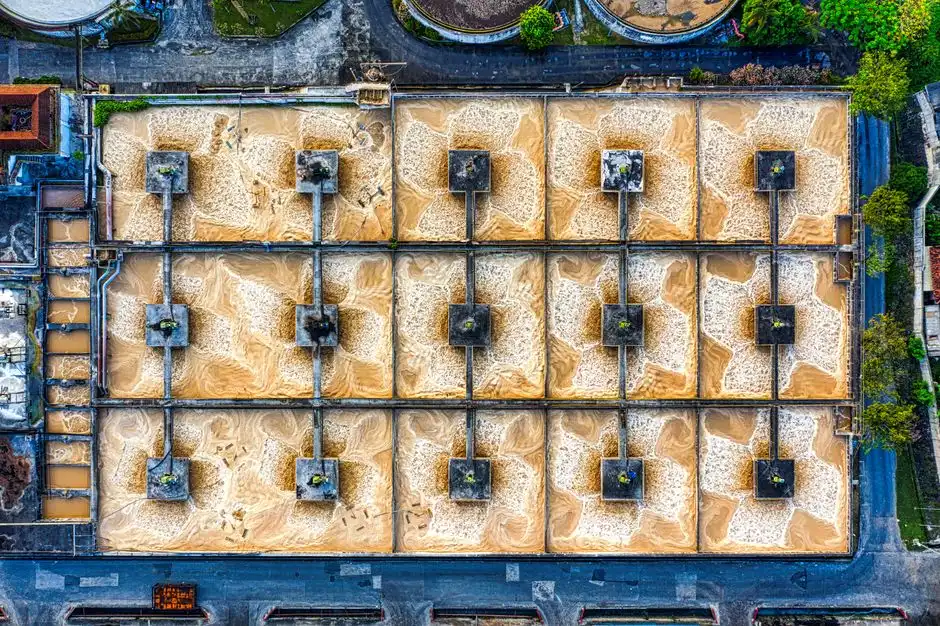
DAF is the focused option when the principal problem is separating suspended solids, FOG, oil and grease, or colloidal material; a full ETP is the broader option when biological treatment and several treatment stages are required; a combined train is the defensible choice when oil, FOG, or high solids would impair downstream biological or filtration processes.
Transitioning from individual units to integrated systems requires matching the process to the influent profile. HydropureWater’s industrial DAF system for factory wastewater has 13 standard models spanning 4–300 m³/h. It uses micro-bubble technology and automatic skimming. The TradeIndia DAF listing, available in 2026, advertises steel construction, variable size, 90%+ efficiency, short retention, low footprint, and ease of operation. Treat 90%+ as a supplier-advertised efficiency figure, not an independently verified project guarantee, because the listing does not establish the wastewater matrix, test method, or operating conditions behind that claim.
A full ETP becomes appropriate when the wastewater needs biological treatment plus additional barriers. HydropureWater’s MBR integrated wastewater treatment system combines activated sludge with submerged PVDF membrane filtration, handles 10–2,000 m³/day, and provides filtration below 1 μm for a near-reuse-quality effluent claim. That equipment description does not by itself establish that it will meet a factory’s discharge or reuse specification; the supplier must demonstrate the relevant duty and treatment basis.
For a combined train, place DAF upstream of biological or filtration stages when floatable contaminants or excessive solids would interfere with downstream operation. Use a complete ETP when the confirmed permit, sewer, or reuse requirement calls for a broader chain. Do not select the JY integrated water purification system as the default industrial-wastewater solution: its stated scope is surface water, with turbidity up to 3,000 mg/L treated to below 3 mg/L and capacities from 10–200 m³/h.
| Decision | DAF alone | Full ETP | Combined train |
|---|---|---|---|
| Primary treatment objective | Rapid solids and floatable-contaminant separation | Multiple treatment barriers, including biological treatment | DAF pretreatment followed by biological or polishing stages |
| Documented HydropureWater capacity | 4–300 m³/h across 13 standard models | 10–2,000 m³/day for the MBR system | Depends on the selected process units |
| Main additional scope to verify | Equalization, dosing, screening, sludge handling, final treatment | Organic loading, aeration, controls, residuals, sludge and polishing | Hydraulic integration, stage-by-stage duties, intermediate storage and sludge handling |
| Best fit when | Separation is the main requirement | Broader wastewater treatment is required | Solids or FOG could impair downstream stages |
Size the system from representative operating data
A supplier can size equipment from a traceable operating dataset; it cannot size a defensible treatment train from average daily flow alone.
Request representative samples covering normal production, cleaning, startup, shutdown, and batch-discharge conditions. Include average flow, peak flow, surge flow, operating hours, batch-discharge frequency, and the required treatment objective. For DAF, provide suspended-solids, oil-and-grease, FOG, and colloidal characteristics because these are the documented treatment targets of HydropureWater’s DAF system. The step-by-step guide to sizing a factory DAF provides a useful basis for checking whether the proposed model covers the peak-flow basis.
Compare the required flow with the available 4–300 m³/h DAF range. If one model does not cover the peak, require the supplier to evaluate equalization, duty sequencing, or another duty arrangement rather than silently selecting for average flow. For a biological ETP, evaluate organic loading and treatment variability instead of relying on hydraulic capacity alone.
Include sludge quantity, expected solids concentration, and dewatering method in the same sizing request. DAF generates separated solids; those solids still require volume control, filtration, moisture removal, and a final disposition route. The available plate-and-frame filter press range provides an equipment reference, but the required area must follow representative sludge properties and the selected operating cycle.
| Required input | Why it affects the decision | Supplier response required |
|---|---|---|
| Representative wastewater analysis | Defines treatment targets and chemistry | State the proposed duty basis and treatment sequence |
| Average, peak, and surge flows | Controls hydraulic selection | Identify the design flow and operating strategy |
| Production schedule and batch discharges | Exposes flow and load variability | State how equalization and controls respond |
| Organic and biological loading | Determines whether biological treatment is needed | Provide the biological design basis |
| Sludge characteristics and disposal route | Defines dewatering and handling scope | Size the solids-handling train against representative data |
Build a supplier-ready specification for Taipei
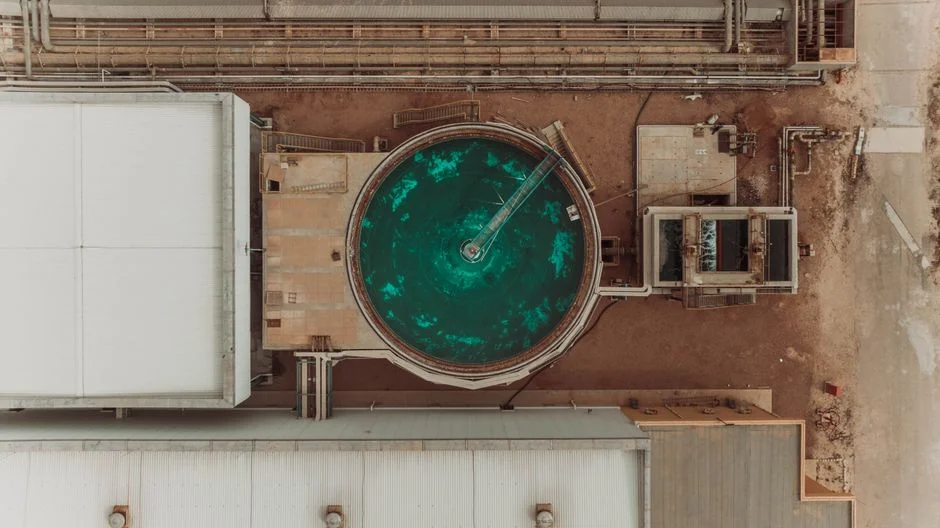
A comparable quotation must define the process duty, treatment objective, operating boundaries, and local execution scope; an equipment list alone is not a complete ETP specification.
Require suppliers to state confirmed product capacity, construction material, treatment mechanism, automatic controls, skimming arrangement, utility demand, installation footprint, and included accessories. Ask each bidder to identify exclusions for inlet screening, chemical dosing, biological treatment, filtration, sludge dewatering, controls integration, commissioning, and local installation. The PLC-controlled chemical dosing system can be specified separately, but its inclusion does not establish that coagulant, flocculant, pH adjustment, or specialty chemicals are required.
Require a guaranteed duty point tied to the factory’s representative wastewater and peak-flow basis. Do not accept the TradeIndia listing’s advertised 90%+ DAF efficiency as a project guarantee without the supporting wastewater, operating conditions, test method, and acceptance criteria. The same rule applies to reuse claims: specify what is measured, where it is sampled, and which party verifies the result.
Identify local service capability and installation logistics in the quotation. The TradeIndia result lists a wastewater-equipment supplier at No. 39, Gaoqing Rd., Yangmei Dist., Taoyuan City, Taoyuan, Taoyuan, 326, Taiwan. This demonstrates local commercial presence, but it does not establish service coverage, response time, installation capability, or project performance. Confirm each of those items separately.
Document the confirmed discharge route, reuse target, acceptance tests, operator training, spare parts, monitoring scope, and local submission or installation responsibilities. No supplied source provides Taiwan-specific numeric discharge limits or sewer-acceptance values, so obtain written confirmation from the competent authority and put the resulting requirements into the procurement package.
| Quotation check | Minimum required statement |
|---|---|
| Design basis | Representative wastewater, flow basis, operating hours, and treatment objective |
| Guarantee | Measured parameters, test method, sampling point, and acceptance condition |
| Scope boundary | Included equipment, exclusions, utilities, controls, civil work, installation, and commissioning |
| Sludge handling | Separated-solids route, dewatering method, filtrate handling, and disposal responsibility |
| Local execution | Service coverage, commissioning responsibility, training, spares, and maintenance support |
| Regulatory route | Confirmed discharge or sewer conditions and supporting correspondence |
Frequently Asked Questions
What is the difference between an industrial ETP and a DAF system for factory wastewater?
DAF concentrates on separating suspended solids, FOG, oil and grease, and colloidal material through micro-bubble flotation and skimming. An ETP can combine several barriers, including biological treatment and filtration. HydropureWater’s DAF range is 4–300 m³/h, while its MBR system handles 10–2,000 m³/day and combines activated sludge with submerged PVDF membrane filtration.
How much should a DAF or industrial wastewater treatment package cost in Taipei?
The supplied research contains no verified Taipei ETP or DAF price figures, so request a quotation rather than rely on an unsupported budget range. Give suppliers the same wastewater characterization
Frequently Asked Questions
How much does an industrial ETP or DAF system cost for a factory in Taipei?
For a standard Dissolved Air Flotation (DAF) unit in a Taipei-based factory, capital costs typically range from NT$800,000 to NT$3,000,000 depending on material (stainless steel 304/316) and automation levels. A comprehensive Industrial Effluent Treatment Plant (ETP) involving multi-stage biological processes can range from NT$5,000,000 to over NT$20,000,000 based on the complexity of the influent profile and required discharge standards.
Operational costs in Taipei are heavily influenced by electricity tariffs and chemical consumption for coagulation and flocculation. Maintenance budgets should account for an annual expenditure of approximately 3% to 5% of the initial capital investment to cover parts, media replacement, and routine sensor calibration required by local environmental regulations.
How do I choose between a DAF system and a full ETP for factory wastewater?
Choose a DAF system if your primary objective is the removal of suspended solids, fats, oils, and grease (FOG) to meet basic municipal sewer discharge requirements or to serve as a pre-treatment step. DAF systems are highly efficient at reducing Total Suspended Solids (TSS) by 80-95% but have limited capacity for removing dissolved organic compounds.
A full ETP is required if your facility must achieve stringent Chemical Oxygen Demand (COD) or Biological Oxygen Demand (BOD) reduction to comply with Taiwan's Environmental Protection Administration (EPA) discharge standards. If your wastewater contains high concentrations of soluble pollutants, a DAF alone will be insufficient, and you must integrate biological treatment stages such as Activated Sludge or Membrane Bioreactors (MBR) following the DAF unit.
What flow rate and wastewater tests are needed to size a DAF system in Taiwan?
To properly size a DAF system, you must determine your peak hourly flow rate (measured in m³/h) and your average daily volume (m³/day). It is critical to account for seasonal production surges, as hydraulic overloading will cause the DAF to fail in solids separation, leading to non-compliance with local discharge permits.
Essential wastewater testing includes influent COD, BOD, TSS, pH, and FOG levels. Additionally, perform jar tests to determine the optimal dosage of coagulants and flocculants. In Taiwan, ensure these tests are performed according to the methods specified by the Taiwan EPA to ensure that the chosen Surface Overflow Rate (SOR) and Air-to-Solids (A/S) ratio are compatible with your specific industrial effluent.
What should I check before selecting a wastewater equipment supplier in Taipei?
Verify that the supplier holds relevant ISO certifications and possesses a proven track record of installations within the specific industrial sector of your factory, such as food processing or electronics manufacturing. Request documentation of their after-sales service response time, as local support is critical for minimizing downtime during equipment malfunctions.
Ensure the supplier is familiar with the specific reporting requirements of the Taipei City Environmental Protection Bureau. A reliable supplier should provide a comprehensive commissioning plan, operator training, and a detailed spare parts inventory list that includes locally available components to avoid long lead times for imported replacements.
Can a DAF system replace biological wastewater treatment for industrial reuse?
No, a DAF system cannot replace biological treatment for industrial water reuse applications. While DAF excels at physical-chemical separation, it does not significantly reduce the soluble organic load that causes downstream fouling or scaling in cooling towers, boilers, or process water systems.
For water reuse, the DAF serves only as a pre-treatment stage to protect downstream filtration and membrane processes. To achieve the water quality standards necessary for industrial reuse, the DAF must be followed by biological oxidation, tertiary filtration (such as Ultrafiltration), and potentially Reverse Osmosis (RO) to remove dissolved salts and remaining organic micro-pollutants.