Which treatment should a Hickory factory choose?
For a Hickory plastics or rubber factory, choose DAF when wastewater contains light solids, FOG, emulsified oil, fillers, surfactants, or floatable residues and the plant can reliably operate chemical dosing, recycle, equalization, and skimming. Choose lamella or gravity clarification when solids are dense and settle quickly. If both fractions are significant, evaluate a hybrid train. The final 2026 decision should follow representative wastewater testing and pilot trials—not catalog flow capacity—and must compare equalization, controls, chemical use, sludge handling, installed scope, and the applicable discharge or reuse requirements.
The controlling question is not whether DAF or clarification is “better.” It is whether the relevant contaminant fraction will separate by flotation or by gravity. A stream dominated by emulsions, light oils, or buoyant fillers is a different design problem from one containing dense fillers or carbon black that settles readily.
| Factory condition | Treatment to evaluate | Decision evidence |
|---|---|---|
| Light solids, FOG, emulsified oil, surfactants, or readily floatable residues | Industrial DAF system | Representative floatability tests and a pilot under production and batch conditions |
| Dense, fast-settling solids or conditioned suspensions | Lamella clarifier or gravity clarification | Settleability data, hydraulic response, flocculation behavior, and sludge withdrawal |
| Coarse debris, floatables, and dense solids occur together | Screening, equalization, flotation, clarification, and residual handling | Pilot evidence for the complete treatment sequence |
| Catalog flow range is the only available sizing information | Neither technology is ready for award | Measured average and peak flow, contaminant loading, and operating envelope |
Do not select from nominal flow capacity alone. Hydraulic peaks, batch timing, contaminant chemistry, operator availability, residual disposal, footprint, and the facility-specific discharge or reuse requirement all affect the decision. No universal Hickory effluent limit or verified 2026 local price range is established in the supplied research, so the factory must confirm its current permit or sewer-authority requirements with the responsible authority.
Why one wastewater stream cannot represent the whole factory
Plastics molding, extrusion, compounding, recycling wash water, and rubber production do not create interchangeable wastewater. Their contaminant behavior changes because the source materials, process aids, cleaning practices, and discharge schedules differ. Combining them before characterization can conceal both the peak hydraulic event and the fraction that determines the treatment mechanism.
For plastics molding, extrusion, and compounding, characterize release agents, fillers, cleaning chemicals, oils, detergent carryover, and the timing of batch discharges. For rubber production, characterize oils, grease, latex or polymer residues, fillers, carbon black, surfactants, and variable floatables. A rubber stream dominated by light oils may favor flotation; one dominated by dense mineral or polymer solids may favor clarification.
| Production stream | Contaminants to characterize | Design implication |
|---|---|---|
| Plastics molding, extrusion, and compounding | Release agents, fillers, oils, cleaning chemicals, detergent carryover | Evaluate streams and campaigns separately; do not average unlike loads |
| Rubber production | Oils, grease, latex or polymer residues, fillers, carbon black, surfactants, variable floatables | Flotation may suit light oils; clarification may suit dense solids |
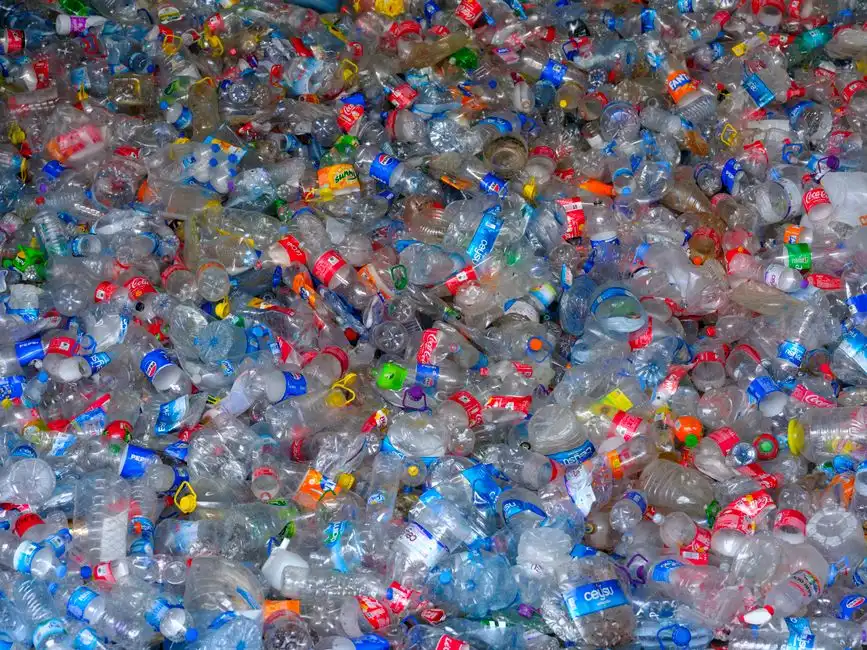
| Plastics recycling wash water | Labels, plastic pieces, fines, oils, detergent carryover, microplastics | Protect pumps, recycle equipment, and residual handling before treatment |
| Plant washdown and cleaning events | Detergent, released oils, suspended debris, high and low flow | Define pretreatment and equalization needs from actual event timing |
Recycling wash water presents a specific fouling risk because labels, plastic pieces, fines, oils, detergent carryover, and microplastics can foul pumps, recycle equipment, and sludge handling. A rotary mechanical bar screen can remove coarse debris, but it does not equalize the flow, condition emulsions, or remove suspended solids. Screening and equalization should therefore be evaluated before flotation or clarification when production campaigns and cleaning events create hydraulic shocks.
DAF versus clarification: separation mechanism and operating load
DAF and clarification separate different fractions and create different operating risks. DAF conditions particles, attaches them to pressurized-air microbubbles, and skims the resulting float. Clarification uses flocculation followed by inclined-plate or gravity settling. The preferred mechanism follows the wastewater, not the equipment label.
DAF operating scope includes the chemical type and dose, recycle pressure and flow, skimmer operation, controls, and equalization. Clearwater Industries specified 30–50 µm microbubbles on 2026-04-27, while Energycle reports 20–70 µm; these are supplier statements, not universal design standards. DAF can be the stronger choice for light oils and emulsions that do not settle reliably, but it adds operating dependencies that cannot be treated as accessories.
Clarification depends on stable hydraulic loading, feed control, sludge withdrawal, and recycle controls where used. A lamella clarifier provides inclined settling area, but its plates do not inherently remove emulsified oil. A conventional clarifier is therefore not established as suitable merely because a stream has a high FOG result. HydropureWater lists lamella surface loading of 20–40 m/h; site-specific design must confirm the applicable value.
| Evaluation point | DAF | Clarification |
|---|---|---|
| Primary separation | Conditioned particles attach to microbubbles and are skimmed | Conditioned particles settle from inclined plates or in a gravity zone |
| Best-fit contamination | Light solids, FOG, emulsified oil, fillers, surfactants, floatable residues | Dense, fast-settling solids and conditioned suspensions |
| Critical operating inputs | Chemical type and dose, recycle pressure and flow, skimmer, controls, equalization | Flocculation, stable hydraulic loading, feed control, sludge withdrawal, recycle controls where used |
| Residual stream | Skimmable float to collection and dewatering | Settled sludge to collection, withdrawal, and dewatering |
| Reported benchmark | Energycle reports 95–99% TSS removal and similar FOG removal when conditioning suits the wastewater | Performance depends on settleability, conditioning, hydraulic loading, and sludge withdrawal |
Energycle’s reported 95–99% TSS removal and similar FOG removal are comparison benchmarks, not guaranteed results for a Hickory plant. Require the selected supplier to define the wastewater chemistry, loading, and operating conditions on which any guarantee applies. For mixed wastes, evaluate separate screening, equalization, conditioning, flotation, clarification, and sludge-handling stages rather than forcing one vessel to perform incompatible functions.
Build the design basis from actual wastewater data
A defensible design basis contains both hydraulic conditions and contaminant properties. Start with average flow, peak flow, production schedules, batch-discharge patterns, and equalization requirements. Then characterize TSS, FOG, BOD, pH, temperature, conductivity or salinity where relevant, emulsified oil, and surfactant content.
Measure particle density, size, buoyancy, settleability, and floatability. These properties directly test whether gravity separation or flotation is credible. A total FOG result does not establish whether the oil is settleable, emulsified, or readily floatable. A solids concentration does not establish whether the solids will float, remain dispersed, or settle rapidly.
| Design input | Buyer must establish | What it controls |
|---|---|---|
| Hydraulics | Average flow, peak flow, production schedules, batch-discharge patterns, equalization needs | Treatment capacity and protection from production upsets |
| Contaminants | TSS, FOG, BOD, pH, temperature, conductivity or salinity where relevant, emulsified oil, surfactants | Loading, chemistry, downstream treatment, and materials constraints |
| Separation properties | Density, size, buoyancy, settleability, floatability | Credibility of gravity separation or flotation |
| Project boundary | Discharge or reuse target, footprint, downstream treatment needs, applicable facility-specific requirements | Performance, layout, controls, and residual route |
| Sampling basis | Representative production campaigns, cleaning events, and batch discharges | Whether the design reflects normal and upset operation |
Define the discharge or reuse target, available footprint, downstream treatment needs, and applicable facility-specific requirements before bidders select equipment. EPA guidance reproduced in the supplied HydropureWater research calls for hot, cold, dry, and wet seasonal monitoring for a full year when credible seasonal variation exists. If that schedule is impractical, use an accelerated campaign that captures production campaigns, cleaning events, and batch discharges, and disclose the limitation in the design basis.
Supplier catalog ranges can identify possible configurations, but they are not evidence of the correct Hickory plant capacity. A capacity quoted in a catalog does not establish the peak hydraulic capacity, contaminant loading, guarantee condition, equalization basis, or residual-handling performance for this factory.
Turn jar tests and pilots into award criteria

Generic removal claims become useful only when bidders test the same wastewater under defined conditions. Issue the same data package to each bidder and require a treatment objective, process flow, equipment sizing basis, chemical approach, controls, and operating envelope based on the factory’s actual wastewater.
Use jar tests to compare chemical type and dose, settling behavior, flotation response, and treatment of representative wastewater. Jar tests provide the first basis for selecting a conditioning strategy, but they do not establish full-scale hydraulic or solids-handling performance. Pilot the preferred train under representative hydraulic and contaminant loading before awarding the final order.
| Test or deliverable | Required evidence | Acceptance basis |
|---|---|---|
| Representative sampling record | Production campaigns, cleaning events, batch discharges, and analytical results | Wastewater composition and loading used by the bidder |
| Jar test | Chemical type and dose, settling behavior, flotation response | Selected conditioning strategy for representative wastewater |
| DAF pilot | Response during production peaks and batch discharges after equalization | Chemical consumption, recycle flow, float volume, float solids content, and skimmer behavior |
| Clarifier pilot | Settleability, flocculation, sludge withdrawal, hydraulic stability, variable-feed response | Stable separation and manageable residuals across the tested feed condition |
| Hybrid pilot | Complete sequence including screening and equalization | Effect of each stage on the condition and load entering the next |
If floatable and dense fractions coexist, pilot the complete sequence because screening, equalization, and conditioning change the condition of the next stage. Require alarms and defined responses for chemical dosing, recycle flow, skimmer speed, sludge removal, equalization level, and upset conditions. A functional description without alarm, fail-safe, and operator-response requirements leaves the operating risk with the factory.
Treat Energycle’s reported 95–99% TSS removal as a comparison benchmark only. Any guarantee must identify its wastewater basis, flow condition, contaminant loading, chemistry, temperature, and complete operating envelope. For the broader biological-treatment context, see IFAS for rubber processing wastewater.
Compare installed cost and residual handling without false price claims
No verified 2026 price range for Hickory appears in the supplied research. Build the budget from itemized, site-specific proposals and pilot-derived operating inputs—not from generic equipment prices. A vessel price excludes much of the installed treatment scope.
| Installed-scope category | DAF bid items to price | Clarifier bid items to price |
|---|---|---|
| Process equipment | Vessel, recycle and compression equipment, skimming, chemical conditioning | Flocculation, settling area, sludge collection or withdrawal, recycle controls where used |
| Controls and instrumentation | Feed, level, flow, recycle, skimmer, chemical dosing, equalization interfaces | Feed, level, flow, sludge withdrawal, equalization interfaces |
| Installation | Foundations, utilities, piping, electrical work, site access, drain and tank connections | Same site-specific installation items |
| Operations | Chemical consumption, power, maintenance, training, replacement parts | Chemical consumption, power, maintenance, training, replacement parts |
| Residuals | Float transport, dewatering, filtrate management, disposal or reuse | Settled-sludge transport, dewatering, filtrate management, disposal or reuse |
| Commercial basis | Performance basis, exclusions, commissioning, warranty, service, delivery | Performance basis, exclusions, commissioning, warranty, service, delivery |
Measure float and settled-sludge properties before comparing a plate-and-frame filter press with another dewatering option. Assess solids concentration, chemical demand, filtrate quality, labor, cake handling, and disposal route. A lower float volume does not reduce total cost if the material is difficult to dewater.
EPA’s Value Engineering for Wastewater Treatment Works, published in September 1984, reported capital savings of 5–10% plus additional operation and maintenance savings when its methodology was positively applied. That historical result is not an expected discount for a Hickory DAF project and should not be used to remove scope without engineering review.
Award, install, and commission against a written performance basis
The purchase order should convert pilot evidence into enforceable scope. Require the wastewater characterization, representative sampling record, pilot report, process flow diagram, materials of construction, control philosophy, installation scope, commissioning plan, service support, and spare-parts plan. These documents should show how the supplier intends to meet the factory’s design basis.
| Contract control | Required written provision |
|---|---|
| Performance envelope | Defined flow range, contaminant loading, temperature, wastewater chemistry, chemical assumptions, equalization basis, and operating limits |
| Guarantee application | Whether the guarantee applies at average flow, peak flow, or another defined condition |
| Exclusions | Batch discharges, pretreatment, chemicals, utilities, foundations, controls, sludge handling, and final disposal |
| Controls | Alarms, fail-safe behavior, and operator responses for dosing, recycle, skimming, sludge removal, equalization, and upsets |
| Delivery and installation | Engineering approval, drawings, delivery date, site readiness, installation responsibilities, and commissioning acceptance criteria |
Require bidders to identify which components are priced, including treatment equipment, chemical equipment, controls, equalization interfaces, foundations, utilities, piping, electrical work, training, commissioning, warranty support, and spares. Ask them to state chemical and power assumptions and all exclusions.
Clearwater Industries stated on 2026-04-27 that standard packaged systems may be delivered and commissioned within a few weeks, while custom-engineered systems take longer. Do not treat this general supplier statement as a guaranteed Hickory lead time. Keep the order contingent on engineering approval, drawings, delivery dates, site readiness, installation responsibilities, and commissioning acceptance criteria.
For a cross-industry reference on the same separation decision, see this factory DAF-versus-clarifier guide and this DAF and clarifier selection for oil-bearing industrial wastewater. Their principles do not replace Hickory wastewater data, local permit requirements, or site-specific pilot results.
Frequently Asked Questions
What is the recommended DAF or clarifier capacity for a Hickory plastics or rubber factory?
Use measured average and peak flow, contaminant loading, particle settleability or floatability, and the defined operating envelope. Do not size from catalog capacity alone. Separate production streams where their behavior differs, and include equalization, controls, and residual handling in the selected capacity.
How much does a DAF or clarifier system cost in Hickory in 2026?
No verified local price range was established in the supplied research. Request itemized bids for treatment equipment, equalization interfaces, controls, utilities, foundations, piping, electrical work, installation, commissioning, training, and sludge dewatering. Compare operating cost using pilot-derived chemical and power inputs, plus the actual residual-disposal route.
Can one clarifier handle both FOG and dense plastics or rubber solids?
Not on the evidence supplied. Lamella plates do not inherently remove emulsified oil, and a high FOG result does not establish clarification performance. Test flotation, clarification, or a hybrid train against representative wastewater and the reuse or discharge target.
Which wastewater data should be sent to DAF and clarifier suppliers?
Send representative sampling records, average and peak flow, production and batch schedules, contaminant analyses, particle density and size, settleability or floatability, target requirements, footprint, downstream treatment needs, and pilot results. Give every bidder the same data package and require its sizing basis and operating envelope to be shown in the response.
How do you reduce supplier selection and compliance risk?
Require site-specific pilot evidence, a stated operating envelope, written exclusions, a control and commissioning plan, and clearly identified installation responsibilities. Separately confirm the current sewer-authority or discharge-permit requirements before ordering; generic guidance and catalog removal claims do not establish a Hickory limit or guarantee compliance.
Related Equipment
- automatic chemical dosing system — specifications, capacity range, and technical data