What Binh Duong Factory Wastewater Changes the ETP Design
An industrial effluent treatment plant in Binh Duong should be selected only after the factory wastewater has been characterized and the required discharge or reuse outcome defined. Binh Duong projects show why: the Gunzetal textile dyeing plant placed all tanks underground to save construction area, while the Vina Kraft Paper ETP combined screening, balancing, anaerobic and aerobic treatment, color removal and sludge stabilization. Equipment evaluation should compare biological systems, DAF pretreatment, MBR and membrane polishing against factory-specific flow, contaminants, footprint and reuse needs. Final capacity, configuration and compliance still require site data, current permit conditions and acceptance testing.
Start with the production source and its operating variation. Identify suspended solids, oil and grease, color, organic load, salts, nutrients and any substances that may inhibit biological treatment. Textile dyeing wastewater may demand different pretreatment than paper mill wastewater, food-processing effluent or a mixed factory discharge. A production-hourly flow record is also needed because a unit selected from an average flow can be overloaded during batch discharges.
Land availability can change the architecture, not merely the drawing. At the Gunzetal textile dyeing factory in VSIP IIA, Duong Nhat designed all tanks underground to save construction area, according to the contractor’s project report. That decision also makes excavation, groundwater control, access and maintenance part of the equipment-selection problem. The broader industrial ETP planning guide applies the same characterization-first discipline to factory planning.
Separate discharge from reuse. University of Twente research identifies nanofiltration as a possible polishing technology for wastewater treatment plant effluent intended for agricultural or direct or indirect potable use. That research does not establish compliance for a particular Binh Duong factory; the required water quality and legal reuse route must be defined first. Request recent laboratory results, production-hourly and daily flow records, operating pH range, sampling locations, proposed sampling points and the current discharge or reuse requirements.
Build the Treatment Objective and Project Design Basis
A comparable ETP quotation requires a design basis that identifies how the plant will handle the factory’s actual wastewater, not merely the treatment objective in general terms. Kobelco Eco-Solutions reported in 2015 that the Vina Kraft Paper ETP package in Binh Duong combined screening, balancing, anaerobic and aerobic treatment, color removal and sludge stabilization because paper mill contaminants required a comprehensive solution. This documented project supports a multi-stage route for that application, but it does not establish the route for another factory.
Define the design flow, peak-to-average variation, operating days, expansion allowance, available footprint, underground-construction requirement, power supply, operator availability and reuse destination. Obtain the applicable current permit and supporting standards from the owner and relevant authority, then translate them into measurable acceptance criteria. The supplied research does not establish Binh Duong discharge limits, so a supplier should not fill this gap with generic values.
Give bidders a common information set so that their proposals remain technically comparable. It should include the wastewater characterization, proposed process flow diagram, equipment duty data, civil and electrical requirements, control philosophy, test protocol, commissioning milestones and operator-training requirements. The industrial ETP design-basis guide provides a broader reference for structuring this scope.
| Design-basis item | Information the factory must provide | Why it affects the ETP scope |
|---|---|---|
| Wastewater | Recent analysis, production variation, operating pH and sampling locations | Determines process duties and equipment selection |
| Flow | Hourly and daily flow records, design peak, operating days and expansion allowance | Sets hydraulic and treatment capacity |
| Outcome | Current permit or a project-specific reuse specification | Defines measurable acceptance criteria |
| Site | Footprint, underground requirement, power, drainage, access and utilities | Defines civil, electrical and installation work |
| Delivery | Test protocol, commissioning milestones, training and handover documents | Establishes completion and performance obligations |
Compare Biological Treatment, DAF and Membrane Options
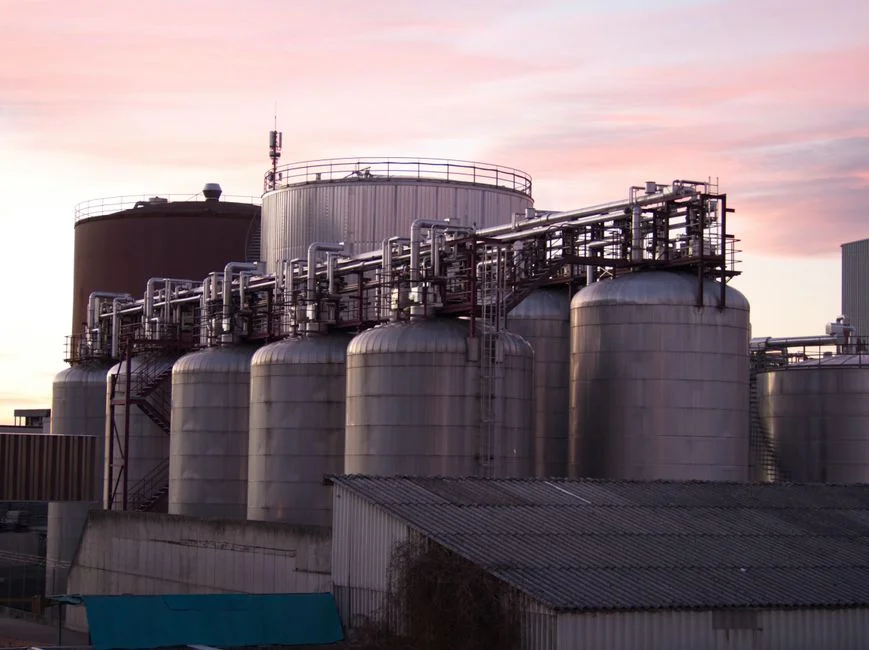
Biological treatment, flotation and membranes solve different problems and should be combined only against defined duties. Biological treatment is appropriate when the objective includes organic-load removal and the wastewater is biologically treatable. Membrane systems are selected for solids separation or polishing, while DAF addresses material that can interfere with downstream biological or membrane stages. UF is not a substitute for validated removal of dissolved organics, salts or color.
The Vina Kraft Paper ETP provides a documented Binh Duong example in which anaerobic and aerobic technologies were combined with biological treatment and a color-removal system for secondary and tertiary treatment, as reported by Kobelco Eco-Solutions in 2015. For the Gunzetal textile dyeing application, the project evidence supplied does not provide a stage-by-stage process description, so the treatment route cannot be inferred from tank layout alone.
For solids, oil, FOG or colloidal pretreatment, assess an industrial DAF wastewater pretreatment system. HydropureWater’s published DAF catalog covers 4–300 m³/h across 13 models and includes automatic skimming; those are published catalog ranges, not project sizing recommendations.
Where compact biological treatment and fine solids separation are priorities, assess an integrated MBR wastewater treatment system. HydropureWater lists capacities from 10–2,000 m³/day, submerged PVDF membranes and filtration below 1 μm, with a footprint stated as 60% smaller than conventional systems. The bidder must show which project duty was selected and how the comparison was established.
Use UF as a solids barrier or RO-pretreatment stage when the validated duty supports that role. HydropureWater lists a UF membrane polishing system with 2,000–40,000 L/h capacity, 0.03 μm PVDF membranes, chemical-free solids removal, automatic backwash and air scour. Treat reuse claims as project-specific. Wageningen University and Research’s 2022 thesis investigated constructed wetlands for micropollutant removal from wastewater treatment plant effluent, showing that advanced polishing can require dedicated technology and validation.
| Option | Primary role | Evidence available | Key design input | Main limitation to verify |
|---|---|---|---|---|
| Biological treatment | Organic-load removal | Vina Kraft used anaerobic and aerobic stages for secondary and tertiary treatment | Biodegradability, organic load, nutrients, pH and inhibitors | Residual color, salts and variable toxicity may remain |
| DAF | Remove suspended solids, oil, FOG or colloidal material | HydropureWater catalog: 4–300 m³/h across 13 models | Solids, oil and FOG load, flow variation and flocculation chemistry | Chemical use, sludge handling and downstream compatibility |
| MBR | Combined biological treatment and fine solids separation | HydropureWater catalog: 10–2,000 m³/day; below 1 μm filtration | Organic load, hydraulic duty, membrane fouling and cleaning method | Catalog footprint and capacity claims are not project guarantees |
| UF | Solids barrier or RO pretreatment | HydropureWater catalog: 2,000–40,000 L/h; 0.03 μm PVDF membranes | Feed quality, required removal, flux and backwash frequency | Does not independently remove all organics, salts or color |
| Advanced reuse polishing | Address defined reuse contaminants | University of Twente examined nanofiltration; Wageningen investigated constructed wetlands in 2022 | Target water quality, intended use and legal route | Research evidence must be validated against the factory wastewater |
Design the ETP Around Binh Duong Site and Construction Constraints
Underground construction changes more than tank elevation; it changes excavation, groundwater control, corrosion protection, ventilation, lifting arrangements, access hatches and maintenance access. Decide early whether these burdens are justified by the site constraint. An underground layout can save construction area, as Duong Nhat reported for the Gunzetal VSIP IIA textile dyeing project, but the civil and operating consequences must be priced and drawn rather than treated as a simple space-saving option.
Put access and serviceability into the civil drawings. Include tank access, bypass arrangements, sampling points, odor control, drainage, sludge removal, maintenance clearances, emergency overflow and safe working access. Confirm equipment-lifting routes before setting equipment elevations. Above-ground or underground operation also affects where pumps, membranes, screens and chemical equipment can be removed for service.
For brownfield factories, verify rather than assume the available connections. Check the existing collection pipes, power supply, control interfaces, drainage routes and access roads. Where wastewater screening or chemical dosing is considered, evaluate the project duty for an mechanical bar screen and an automatic chemical dosing system; catalog equipment cannot replace a site-specific hydraulic and process assessment.
Duong Nhat reported that the Gunzetal project was completed after 154 execution days and was ready for testing and commissioning. That is a documented project milestone, not a transferable construction duration for another factory. Ground conditions, procurement status, civil interfaces and approval requirements still have to be established before a delivery programme can be credible.
Plan Commissioning Against Verifiable Performance Criteria
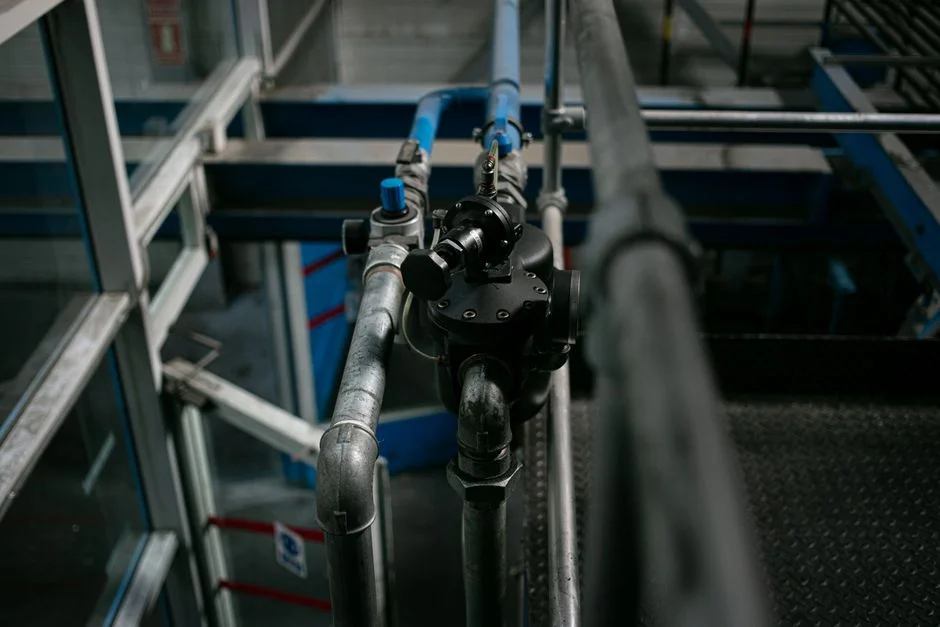
A completed installation is not proof of treatment performance. Commissioning should progress from construction inspection and equipment testing to water filling, individual-unit commissioning, wet commissioning, process stabilization, performance testing and operator handover. Each stage needs an owner, prerequisite checklist, record and acceptance sign-off so that incomplete work cannot carry forward into the performance test.
Define sampling points, test methods, laboratory responsibilities, test duration and acceptance criteria in the contract. Do not accept a generic statement that the plant is “complete.” The acceptance protocol should identify which party performs each test, how samples are preserved and handled, how results are disputed and what corrective action follows a failed test.
Before performance testing, verify flow measurement, controls, interlocks, alarms, automatic backwash or skimming, sludge removal and chemical dosing. Check whether each automatic function has been demonstrated under the test conditions. The Gunzetal project reached a documented readiness stage for testing and commissioning after 154 execution days, according to Duong Nhat, but the supplied evidence does not describe the final acceptance protocol or performance result.
Require the as-built package before handover. It should include process and piping drawings, electrical schematics, PLC programs or logic, equipment manuals, spare parts, operating procedures and training records. For sludge dewatering interfaces, the bidder should explain the proposed duty for a plate-and-frame filter press and list compatible treatment valves and media, rather than treating sludge handling as an undefined accessory.
| Stage | Evidence required before progression | Owner action |
|---|---|---|
| Construction inspection | Civil, installation and safety checks completed | Punch-list and document hold points |
| Equipment testing | Individual equipment checks and functional demonstrations | Record test results and deficiencies |
| Wet commissioning | Water filling, controls, interlocks, alarms, dosing, skimming or backwash verified | Approve operational readiness |
| Process stabilization | Operating conditions established and sampled under the agreed test method | Resolve process instability before acceptance |
| Performance test | Contract-defined sampling, duration and acceptance criteria | Accept, reject or require corrective action |
| Handover | As-built package, manuals, spares, procedures and training records | Complete operator handover |
Compare Quotes and Qualify the ETP Supplier
A comparable ETP quotation must show the proposed process route and the assumptions behind it. Ask every bidder to state the design basis, equipment model, capacity range, treatment-stage duties, civil assumptions, utilities, controls, commissioning method and performance test. If the supplier cannot connect its proposed equipment to the factory wastewater and target effluent, the quote is not ready for technical comparison.
Compare exclusions explicitly. Ask whether the price includes sludge handling, odor control, chemical supply, laboratory services, power distribution, access roads, underground works, training and post-commissioning support. These omissions can change the installed scope more than the equipment headline price. Use the industrial wastewater equipment supplier checklist to identify which commercial and technical documents should be requested from each bidder.
Distinguish catalog capacity from project sizing. HydropureWater’s published ranges for DAF, MBR and UF describe available catalog configurations; they should not be treated as automatic recommendations for a Binh Duong factory. The responsible engineer should state how the selected duty follows from wastewater characterization, hydraulic variation and the required outcome. A supplier unable to explain that selection should not be allowed to substitute a catalog headline for a design calculation.
Request named project references and the proposed roles of process engineers, commissioning technicians and project managers. Independently verify the references, including the supplier’s actual scope, contractual performance evidence and handover status. Local Binh Duong project records can help frame those questions, but a contractor’s own project report should not replace independent verification.
Compare lifecycle inputs alongside initial capital cost: membrane replacement, pump maintenance, chemical consumption, sludge handling, spare parts and operator workload. The broader engineering specifications and supplier-selection guide provides a useful structure for checking technical exclusions and commercial completeness.
Frequently Asked Questions
What should a buyer request before asking for an ETP price in Binh Duong?
Request recent laboratory results, production-hourly and daily flow records, operating pH, current discharge or reuse requirements, available footprint, underground-construction requirements, utilities and the desired acceptance protocol. The supplied research does not provide a reliable project price because it contains no project-specific flow, wastewater analysis, treatment objective or complete Binh Duong ETP budget. A credible quotation should state its exclusions and identify which design inputs remain provisional.
How should equipment capacity be selected for a factory wastewater treatment plant?
Do not select a catalog capacity first. The supplier should map the wastewater characteristics, production-driven flow variation and treatment objective to a project-specific duty, then document why the proposed process and equipment meet that duty. For example, HydropureWater publishes DAF, MBR and UF catalog ranges, but the supplied research does not establish which configuration fits a particular factory without its site data.
Is underground ETP construction appropriate for a Binh Duong factory?
It can be appropriate where land availability drives the layout, as Duong Nhat reported for the Gunzetal VSIP IIA project, where all tanks were designed underground. The decision must also address excavation, groundwater, corrosion, ventilation, lifting, access and safe maintenance. Request the civil assumptions and lifecycle consequences rather than accepting underground installation as a default.
How can procurement distinguish a capable ETP supplier from a catalogue-only vendor?
Require a treatment route derived from the factory data, named project roles, a detailed commissioning method and a contracted performance test tied to agreed sampling and acceptance criteria. Check independently whether the supplier has delivered comparable projects and whether its references cover the same process scope. A credible bidder should distinguish catalog performance claims from project-specific obligations; the industrial ETP versus DAF selection guide provides a useful basis for that technical review.
Related Equipment
- industrial DAF wastewater pretreatment system — specifications, capacity range, and technical data