

Start with the Florence sewer permit, not a generic treatment template
Fabricated metals plants near Florence, South Carolina, meet pretreatment requirements by characterizing each wastewater stream, removing site-specific pollutants, and verifying the resulting effluent against the applicable sewer permit before discharge. A practical train evaluates equalization and pH control, oil and grease or solids removal, treatment for dissolved metals, and final monitoring. DAF removes suspended solids, FOG, oil and grease, and colloidal material; chemical dosing supports coagulation and pH adjustment. Applicable discharge-limit guidelines require a pH equal to or greater than six before treatment, but the controlling permit must be confirmed with the receiving sewer authority.
Industrial pretreatment is the removal or alteration of pollutants before industrial wastewater enters a public sewer, consistent with ChemREADY’s description of industrial pretreatment systems. The design basis is the current permit issued for the receiving sewer. The supplied research does not contain Florence-specific numerical sewer limits, so no Florence pH, suspended-solids, oil-and-grease, or metals threshold should be assumed.
Request the following from the receiving sewer authority before equipment selection:
- Permitted flow and designated discharge points.
- Applicable pH, suspended-solids, oil-and-grease and metals limits, where regulated.
- Restrictions on toxic or incompatible pollutants.
- Monitoring frequency, sampling method, reporting requirements and any written system-approval process.
Sewer pretreatment compliance is evaluated at the connection to the public sewer. A direct discharge to surface water or a storm sewer may instead be governed by a different authorization. Keep a source-by-source wastewater inventory covering cutting, forming, welding, finishing, cleaning and blowdown so the permit can be matched to the actual discharge rather than to the plant as an undifferentiated whole.
The metal-plant sewer compliance guide provides a broader industrial framing, while industrial wastewater compliance and system planning emphasizes that operating requirements should precede treatment-equipment assumptions.
Map fabrication operations to the pollutants that drive treatment
A defensible treatment train starts with a process map rather than a technology list. Separate machining coolant, cutting oils, rolling and forming lubricants, degreasers, pickling or finishing rinse waters, welding residues, floor washdown and any stormwater that can enter the sewer collection system. Each stream should have an identified source, flow description, discharge route and sampling history.
ChemREADY identifies aluminum, carbon steel, stainless steel and nickel alloys as common materials used in wastewater fabrication and notes that material choice affects equipment and process requirements. Analytical confirmation is required before specifying a metals-removal process.
| Shop-floor source | Contaminants to evaluate | Treatment implication |
|---|---|---|
| Cutting, rolling and forming | Lubricants, suspended solids, colloids, oil and grease | Evaluate equalization, DAF and solids separation |
| Degreasing and cleaning | Oil, grease, FOG and wash-water constituents | Determine whether a segregated DAF stream is warranted |
| Pickling or finishing rinse | pH, dissolved metals and residual acidity | Evaluate pH adjustment and analytical confirmation before selecting metals treatment |
| Welding and fabrication residues | Suspended solids and colloids | Evaluate screening, solids capture and clarification |
| Floor washdown and stormwater | Variable solids, oils and metals, if present | Assess whether segregation or pretreatment is required before entry |
Separate sources by batch, continuous operation, temperature and composition. Where wastewater character changes materially, use event-based sampling as well as representative composites. Test pH, suspended solids, oil and grease, colloids and dissolved metals as directed by the permit and the process characterization. Record sampling times, operating conditions and flow so the engineering team can connect analytical results to the production activity that created them.
The practical procurement output from this exercise is a contaminant map showing where each regulated parameter originates, how it can mix before discharge and which unit operation must remove it.
Build a treatment train that follows the contaminant path
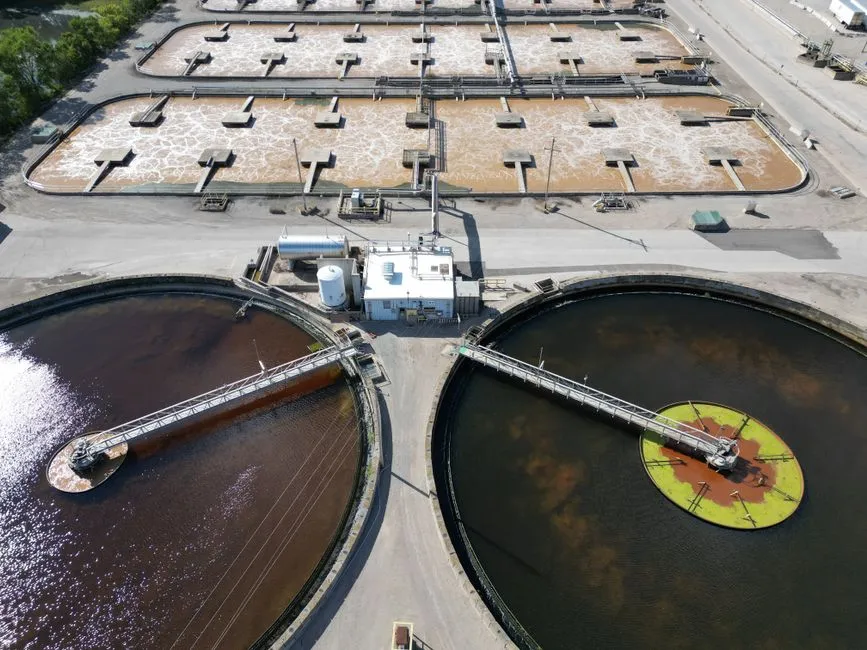
A staged train removes contaminants in the sequence that protects downstream equipment and produces the clearest compliance record. The final configuration must follow the wastewater characterization and permit basis, not a standard package assembled before sampling.
- Equalization and screening. Balance variable flow and pollutant loads before treatment, and remove rags, plastics and coarse debris so they do not interfere with pumps, dosing equipment or clarification.
- pH control. Where characterization shows adjustment is needed, use controlled chemical dosing. Liqtech’s industrial wastewater discharge-limits source states that applicable effluent-limitation guidelines normally exhibit a pH equal to or greater than six before treatment, subject to the controlling permit.
- Dissolved air flotation. Consider DAF where the stream contains oil and grease, FOG, suspended solids or colloidal matter. The supplied DAF product evidence identifies metalworking and municipal pretreatment as suitable applications.
- Coagulation and clarification. Apply coagulants or flocculants when required to aggregate suspended and colloidal particles, then separate the resulting floc in a lamella clarifier.
- Filtration or polishing. Consider multi-media filtration where residual suspended solids or turbidity must be reduced before discharge or to protect sensitive downstream treatment.
- Sludge management. Send DAF float and clarified sludge to an appropriate plate-and-frame filter press or another dewatering process before final disposal.
- Monitoring and authorization. Establish representative sampling, calibration, recordkeeping and excursion procedures before the first discharge.
| Stage | Primary duty | Selection trigger |
|---|---|---|
| Equalization and screening | Flow and load stabilization; debris removal | Variable production flow or visible debris |
| pH adjustment | Controlled chemical addition | Characterization confirms adjustment is required |
| DAF | Oil, grease, FOG, suspended-solids and colloid removal | Analysis identifies floatable or low-settling contaminants |
| Coagulation and clarification | Floc formation and solids separation | DAF alone does not establish the required solids-removal performance |
| Multi-media filtration | Residual suspended-solids and turbidity reduction | Permit limits or downstream process requirements justify polishing |
| Sludge dewatering | Float and solids handling | Residual sludge requires removal and disposal |
For the mechanical duty, compare a DAF system for metalworking wastewater against the measured oil, solids and colloid loads. Where pH or coagulant chemistry must remain stable, evaluate automatic chemical dosing for pH and coagulation as part of the control package, not as a stand-alone treatment step.
Select equipment by treatment duty and compliance risk
Equipment selection follows the contaminant map and the duty it must perform. A nominal flow rating is not enough; hydraulic variability, contaminant loading, operating schedule and downstream handling determine whether a unit remains effective.
| Equipment | Primary role | Information to request before selecting |
|---|---|---|
| DAF | Remove oil, grease, FOG, suspended solids and colloids | Characterized peak flow and loads, transfer duty, skimming arrangement and performance criteria |
| Automatic chemical dosing | Control pH or coagulant addition | Required chemical, control sequence, calibration method and operating range |
| Lamella clarifier | Separate coagulated or flocculated solids | Feed characteristics, expected floc performance, sludge withdrawal and installation constraints |
| Multi-media filter | Polish residual suspended solids and turbidity | Influent quality, required outlet quality, backwash and media-maintenance requirements |
| Plate-and-frame filter press | Dewater DAF float or clarified sludge | Sludge volume and properties, cycle requirements, cake handling and filtrate destination |
A DAF unit is the primary candidate when analysis confirms oil, grease, FOG, suspended-solids or colloid removal is required. Automatic dosing is the primary candidate where pH or coagulation must be controlled consistently. A lamella clarifier is relevant when coagulation or flocculation is intended to create a separable solids stream. Multi-media filtration is a polishing option rather than a substitute for removing floatable contaminants upstream.
ChemREADY identifies stainless steel, carbon steel, aluminum and nickel alloys as common wastewater-fabrication materials and notes that stainless steel resists corrosion and rust. Equipment materials should be checked against the actual wastewater chemistry, operating temperature and cleaning regime. Request the wastewater characterization, permit basis, duty cycle, available space, utilities, controls, maintainability and sludge-handling requirements from each prospective supplier. These checks are more defensible than comparing nominal capacity alone.
For clarification and polishing, review the high-efficiency sedimentation tank, multi-media filter and plate-and-frame filter press against their assigned treatment duties.
Verify compliance before the first discharge
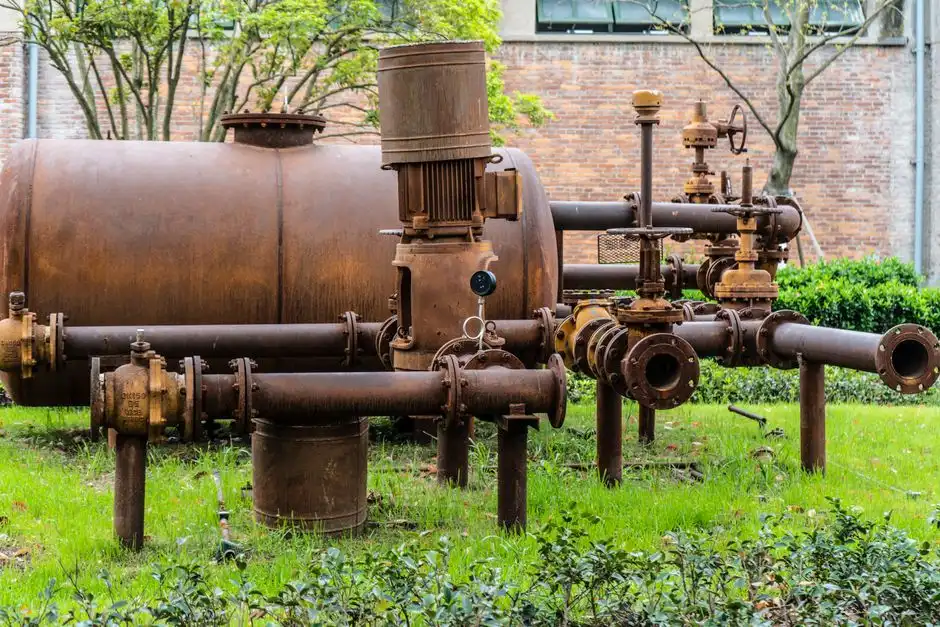
Compliance is a documented sequence, beginning before startup and continuing through authorized discharge. Confirm the treatment-system design against the current sewer permit and obtain any written approval required by the receiving authority, as a supplier’s equipment documentation does not replace that review.
Next, conduct controlled startup. Calibrate chemical feeders, establish representative normal-flow and solids-loading conditions, and examine intermediate results as well as final effluent quality. Verify that automatic controls respond correctly and that sludge or float removal functions operate as designed.
Sample at the legally required location and frequency, preserve analytical chain of custody, and retain calibration records, operating logs, laboratory results and corrective-action documentation. The industrial sewer-limit compliance framework describes a verification logic that can be adapted without assuming another city’s permit terms.
Define excursion actions before commissioning. Identify which stream must be isolated, when discharge must stop, which treatment stage failed, who authorizes resumption and what evidence is required before returning to normal operation. Include pH, suspended solids, oil and grease, metals and other regulated parameters only to the extent established by the current permit and wastewater characterization.
Frequently Asked Questions
How should pretreatment equipment be sized for a fabricated-metals plant near Florence?
Start with characterized peak flow, pollutant loads, operating variability and the current permit limits. A generic treatment-unit rule does not establish whether DAF, clarification or filtration has adequate hydraulic and contaminant-removal duty. Supply the source inventory, sampling results, production schedule and permit basis to the equipment supplier.
What should a buyer check when selecting a wastewater-treatment supplier?
Request the intended wastewater data, performance criteria, construction materials, controls, utility requirements, maintainability and relevant operating evidence. For a factory wastewater treatment selection review, the supplier must demonstrate fit for the characterized duty rather than merely quote a nominal treatment rate.
What costs should be included when budgeting for a metalworking wastewater treatment system?
The evaluated cost should include equipment, installation, utilities, chemicals, sludge handling, controls, monitoring and maintenance. No supplied source supports a Florence-specific price range, so a defensible budget requires the wastewater characterization, permit basis, flow and load data, site utilities and final equipment selection.
Does installing DAF and chemical dosing guarantee sewer-discharge authorization?
No. Equipment selection alone does not establish compliance. The receiving authority must confirm the applicable permit and approval requirements, and the plant must demonstrate representative sampling, monitoring, calibration and complete operating records at the required discharge location.