What wastewater streams must an SBR handle at a soft drink plant?
An SBR design must begin with a drain-by-drain wastewater profile because syrup rinses, product losses, bottle-washer discharge and CIP flows impose different loads. EPA Fact Sheet 932-F-99-073, Wastewater Technology Fact Sheet: Sequencing Batch Reactors (September 1999), identifies design flow, maximum daily flow, BOD5, COD, TSS, pH, alkalinity, wastewater temperature, TKN, NH3-N and TP as the industrial design basis. The E3S Web of Conferences paper Analysis of Wastewater Treatment Efficiency in a Soft Drinks Industry (2017) likewise identifies BOD, COD, TSS and variable pH as basic soft-drink wastewater indicators, but it does not establish a universal SBR removal specification.
Sample syrup and sugar-batching rinses, product-loss wastewater, bottle-washer wastewater and CIP drains separately, then align the sampling program with the production calendar. A composite that misses syrup-cleaning or changeover peaks will understate both organic loading and hydraulic peaks. Record the sugar or syrup concentration of the peak drain rather than relying only on an average. Treat CIP as a variable chemical source: caustic, acid and sanitizer drains can differ in pH, alkalinity and toxicity, and their coincidence with production flow determines equalization needs.
Define the required endpoint before selecting equipment: sewer discharge, cooling, irrigation, bottle washing or another process reuse. The review of food and beverage wastewater pretreatment requirements supports source separation before technology selection, but the discharge or reuse specification remains the controlling document.
| Wastewater stream | Information to establish | Design consequence |
|---|---|---|
| Syrup and sugar-batching rinses | Peak sugar concentration, flow, TSS and production frequency | Determine organic peaks and whether solids removal is required |
| Product-loss wastewater | Product volume, soluble organics, solids and discharge timing | Define batch loading and equalization demand |
| Bottle-washer wastewater | Detergent, sanitizer, solids and proposed reuse endpoint | Assess pH control, pretreatment and downstream polishing |
| CIP drains | Caustic, acid, sanitizer loading, pH and alkalinity | Establish segregation, equalization and biological compatibility |
| Whole-plant basis | Design flow, maximum daily flow, BOD5, COD, TSS, pH, alkalinity, temperature, TKN, NH3-N and TP | Provide the common basis for reactor sizing and bids |
How the SBR process handles batch soft drink wastewater
EPA 932-F-99-073 defines a sequencing batch reactor as a fill-and-draw activated-sludge system operated in time rather than in space. Its five canonical phases are Fill, React, Settle, Draw and Idle. The reactor combines equalization, biological treatment and secondary clarification in one tank, which is why the architecture can accommodate the intermittent discharge pattern associated with syrup-room and CIP operations.
During Fill, wastewater enters a reactor containing acclimated biomass. Static fill provides neither mixing nor aeration; mixed fill provides mixing without aeration; aerated fill supplies air during filling and can shorten the following React phase. Mixed conditions can support denitrification when residual nitrate is present, but nutrient removal should not be inferred from generic SBR operation. The supplier must demonstrate the proposed anoxic and aerobic sequence against the plant wastewater and applicable target.
React completes the selected biological reactions. Settle occurs without influent or effluent currents so biomass can separate. Draw removes treated effluent through a decanter, and Idle provides time between cycles. Because the reactor retains its biological inventory, it can absorb a batch load that would disturb a continuous-flow system; however, the cycle schedule must reflect actual production, CIP and wash-water events.
The source boundary is critical. An SBR does not replace screening, pH control, required solids removal, configured nutrient treatment, disinfection or reuse filtration. A soft drink plant should also decide whether separate equalization is necessary. The reactor’s equalization function does not justify using it to absorb untreated incompatible CIP chemistry or uncharacterized peak loads without study.
| Phase | Physical and biological action | Soft-drink design issue |
|---|---|---|
| Fill | Influent enters the reactor; static, mixed or aerated fill may be used | Coordinate filling with syrup, product-loss, washer and CIP peaks |
| React | Biological treatment occurs under the selected mixed or aerobic conditions | Establish reaction time and DO requirements from treatability results |
| Settle | Biomass separates under quiescent conditions | Confirm sludge blanket and settle performance at peak loads |
| Draw | Treated effluent is removed by the decanter | Specify decanter arrangement, controls and discharge endpoint |
| Idle | The reactor awaits the next operating sequence | Account for production downtime and campaign variation |
Which pretreatment is needed before the SBR?
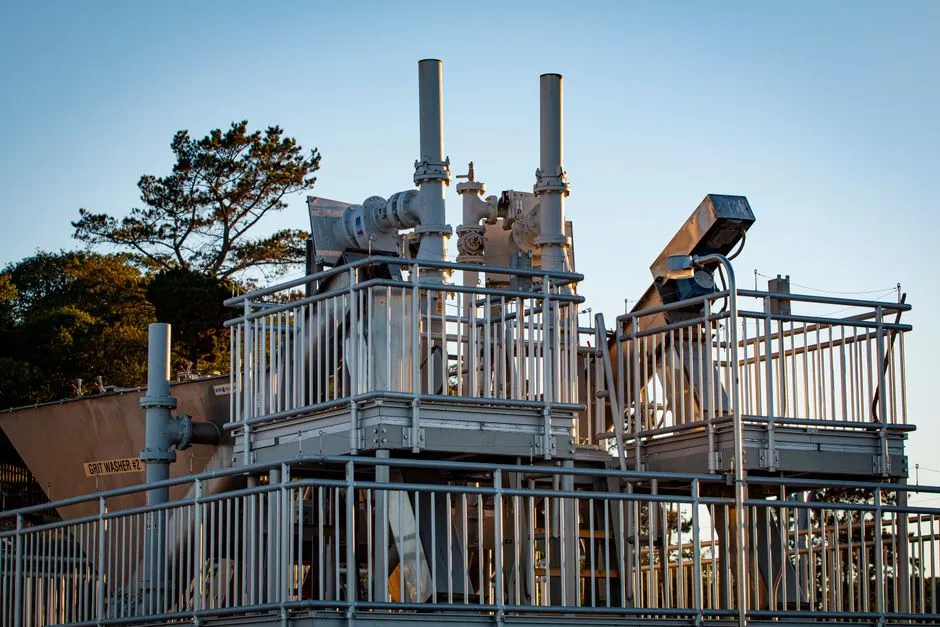
EPA 932-F-99-073 states that wastewater generally passes through screens and grit removal before entering an SBR. The same fact sheet says primary clarifiers may still be recommended when TSS or BOD exceed 400–500 mg/L. That is a screening caveat from September 1999, not a soft-drink performance guarantee: compare measured syrup, product-loss and wash-water concentrations with the stated scope before deciding whether clarification is necessary.
Suspended solids, FOG, oil and grease or colloidal material can justify an upstream industrial DAF pretreatment system. DAF is a solids-removal step, not a substitute for biological treatment. It may also reduce the load reaching the SBR, but the required removal and resulting headworks configuration must come from plant data and the study.
CIP compatibility requires a separate decision. Segregate or equalize caustic, acid and sanitizer drains as necessary, then provide pH adjustment or neutralization where the incoming stream would disrupt the selected biological sequence. Alkalinity testing is important because pH correction without sufficient buffering capacity can leave the reactor chemically unstable.
For bottle washing or process reuse, secondary clarification is only one part of the treatment train. Establish the required microbiological, solids and dissolved-solids specifications before assigning filtration or disinfection. A discharge permit may require different downstream treatment from direct process reuse, so the pretreatment scope cannot be selected from an “SBR plus reuse” label alone.
| Condition identified by characterization | Potential upstream action | Bid requirement |
|---|---|---|
| Debris and screenings | Screening and grit removal | Define screening mechanism, extracted-solids handling and maintenance |
| Peak TSS or BOD within the EPA primary-clarification screening scope | Evaluate DAF or clarification against actual stream data | Require stream-specific basis, performance data and sludge handling |
| FOG, oil and grease or colloidal material | Evaluate DAF or another appropriate solids-removal method | Define feed characteristics, recycle and waste-disposal scope |
| Variable CIP pH or inadequate alkalinity | Segregation, equalization and pH adjustment | Specify instruments, control response, chemical dosing and operator access |
| Bottle washing or process reuse | Clarify, filter and disinfect as the endpoint requires | Make the reuse specification the performance-test basis |
What must a treatability study prove for soft drink wastewater?
EPA 932-F-99-073 states that industrial wastewater applications typically require treatability studies to determine the optimum operating sequence. For a soft drink plant, that study is the boundary between a general SBR concept and a defensible purchase specification.
Build representative composite samples from normal production, syrup cleaning, product changeover, bottle washing and CIP events. Identify average and peak conditions, then document the production calendar and coincident drain behavior. Analyze BOD5, COD, TSS, pH, alkalinity, wastewater temperature, TKN, NH3-N and TP, using EPA 932-F-99-073 as the design-basis list. Add sugar or syrup concentration, CIP chemical loading and cycle timing because the supplied research does not provide a verified source-scoped soft-drink effluent-removal specification.
The study should demonstrate more than biological removal. It must establish settling, biological response, phase timing, sludge production and operation of the proposed cycle under representative load changes. Where nitrogen or phosphorus limits apply, require the supplier to demonstrate the intended anoxic and aerobic sequence rather than treating generic SBR operation as proof of nutrient removal.
The published study Application of the central composite design for the treatment of soft drink factory wastewater in two-stage aerobic sequencing batch reactors combined with ozonation, Desalination and Water Treatment (2015), is relevant because it addresses soft-drink factory wastewater and a two-stage aerobic SBR with ozonation. Do not import its removal results into a bid unless the full paper and applicable test conditions are obtained and match the plant’s wastewater, reactor configuration and endpoint. The 2017 E3S study similarly evaluates soft-drink treatment effectiveness, but the supplied excerpt does not provide a source-scoped SBR guarantee.
No supplied source establishes a universal BOD, COD or TSS removal rate for an SBR treating soft drink plant wastewater. The procurement value comes from site-specific evidence, not imported benchmark numbers.
How should SBR equipment and controls be specified?

The decanter is a material procurement item because EPA 932-F-99-073 identifies the Draw step and decanter as the primary distinction among SBR manufacturers. Require bidders to describe the decanter arrangement, installation arrangement, solids exclusion behavior, access, cleaning provisions and failure response. Do not accept “SBR complete” when the decanter, draw limits or sludge-removal sequence remain undefined.
Specify PLC-controlled sequencing, automated valves, aeration, mixing, decanter operation, sludge withdrawal, alarms, local and manual modes, and data logging. EPA 932-F-99-073 describes a higher level of sophistication in timing units and controls and the associated maintenance burden. Budget commissioning, operator training, control-system support and critical spares as part of the plant rather than as optional extras.
Use EPA’s industrial design ranges only as reference bounds: cycle duration is 4.0–24 hours and the industrial F:M upper bound is 0.6/day, according to EPA 932-F-99-073 (September 1999). The treatability study must establish the actual sequence. Also apply EPA’s applicability screen: SBRs are typically used at flowrates of 5 MGD or less, so request operating references at or above the proposed plant flow before accepting a multi-vessel design.
Define downstream equalization and filtration if the SBR feeds another process. If the selected configuration produces a separate sludge stream, require a dewatering concept; the plate-and-frame sludge filter press can be evaluated where batch dewatering is suitable. Any disinfection should be specified against the actual reuse or discharge requirement, as illustrated by chlorine-dioxide generation for effluent disinfection.
| Bid package | Required information | Acceptance check |
|---|---|---|
| Reactor and decanter | Arrangement, phase sequence, draw method, sludge removal and maintenance access | Matches the study and defines all interfaces |
| Controls | PLC logic, instrumentation, alarms, manual modes, data logging and fail-safe behavior | Functional description and training are included |
| Aeration and mixing | Equipment, duty basis, control method and site utilities | Supports the demonstrated cycle |
| Sludge handling | Withdrawal, storage, thickening and dewatering | Waste stream is complete and priced |
| Downstream treatment | Equalization, filtration and disinfection where required | Endpoint and performance protocol are defined |
| References | Comparable installations at or above proposed flow | Supports the proposed scale and duty |
How do SBR, MBBR, MBR and DAF compare for soft drink plants?
SBR, MBBR and MBR are biological-treatment alternatives, while DAF is normally an upstream solids-removal process rather than a direct substitute. Select the biological process from the flow pattern, endpoint and operating capability—not from a generic claim that one technology handles “beverage wastewater.”
Choose SBR when intermittent or batch flow dominates and secondary-clarifier-quality effluent is acceptable for the defined endpoint. Choose MBBR when flow is relatively continuous and stable; compare its carrier-based biological footprint with the SBR’s equalization and settling requirements. Choose MBR when very low effluent TSS or reuse is required and the plant can support membrane operation, fouling control, cleaning and replacement. An MBR wastewater treatment system should therefore be evaluated as a reuse train, not as an automatic upgrade for every SBR application.
Use DAF upstream when characterization shows suspended solids, FOG, oil and grease or colloidal material must be removed before biological treatment. The DAF versus clarifier selection for food and beverage wastewater provides a useful process-selection framework.
The IEOM Society International study Simulation and Optimization Approaches for Productivity Improvement in Soft-Drink Industry Wastewater Management reports effective COD, BOD and TSS reduction from an MBR/nanofiltration approach, reuse for bottle washing, cooling towers and irrigation, and a production-efficiency improvement of up to 40%. These are study-specific MBR/nanofiltration results, not SBR guarantees or universal soft-drink performance claims.
Supplier catalog ranges may help define a bid market, not establish site performance: the supplied HydropureWater catalog lists DAF configurations from 4–300 m³/h across 13 models, MBR from 10–2,000 m³/day and UF from 2,000–40,000 L/h with 0.03-micron PVDF membranes. Each proposed configuration must still be matched to measured flow, load and endpoint. For an UF polishing option, review the ultrafiltration system’s membrane and filtrate scope.
| Technology | Best-fit use case | Main qualification |
|---|---|---|
| SBR | Intermittent or batch flow; defined discharge endpoint | Representative study, decanter performance, controls and maintenance |
| MBBR | Relatively continuous and stable flow | Carrier choice, hydraulics and endpoint |
| MBR | Very low TSS or reuse with membrane-management capability | Fouling control, cleaning, replacement and downtime |
| DAF-assisted treatment | High suspended-solids, FOG, oil-and-grease or colloidal load before biology | Stream-specific removal duty and associated waste handling |
| DAF plus biological treatment | Solids removal followed by the required biological process | Integrated hydraulic and performance guarantees |
What should be included in an SBR budget and supplier proposal?
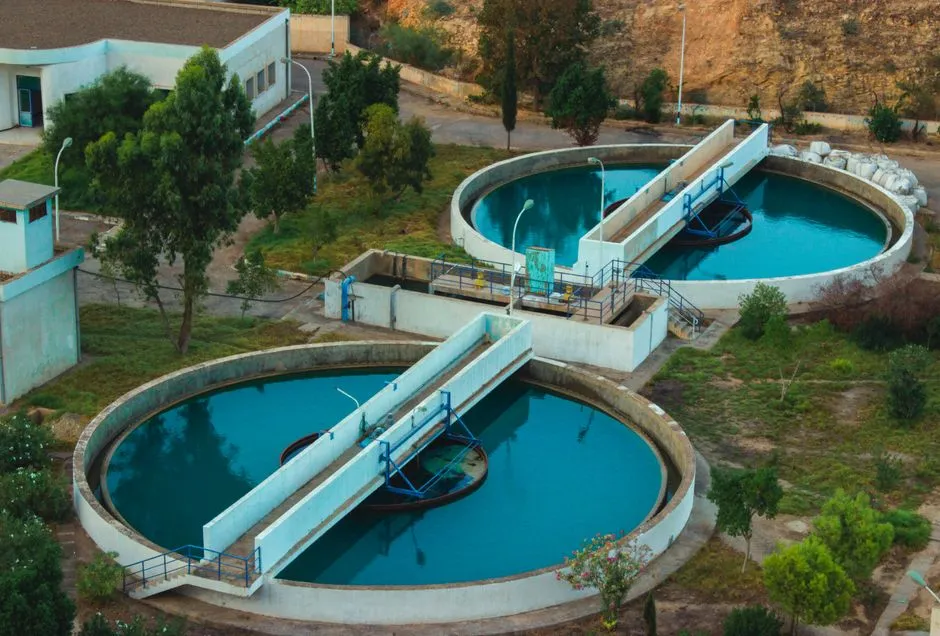
A comparable SBR budget must separate every treatment step instead of presenting a single reactor price. Request line items for headworks, equalization, pH adjustment, justified DAF, reactor vessels, aeration and mixing, decanter, controls, piping, sludge handling, disinfection and any reuse filtration. The 2026 wastewater-treatment-plant cost breakdown can structure the commercial review, but it does not provide a site-specific quotation for an SBR.
Ask each bidder for CAPEX and OPEX estimates based on the agreed flow, influent characterization, selected cycle and effluent target. Generic “removal efficiency” claims should not be priced as guarantees. Require the budget to include commissioning, biological acclimation, operator training, spare decanter and valve parts, control-system support, and DAF or membrane maintenance where applicable.
Attach a performance-test protocol to the proposal. It should define representative influent, monitoring points, sampling frequency, acceptance criteria tied to the permit or reuse specification, and responsibility for failure. Require suppliers to state exclusions, utility requirements, consumables, controls interfaces, operator attendance and response time for critical support.
The central compliance risk is that correctly installed equipment can underperform when the study, controls, maintenance or operator capability is omitted. Treat those items as part of the compliance case. A useful supplier proposal connects every piece of equipment to a measured influent duty, a demonstrated treatment step and a defined effluent endpoint.
| Budget element | Information required from each bidder |
|---|---|
| Capital equipment | Separately priced headworks, equalization, pH control, DAF, reactor, decanter, aeration, mixing, piping, disinfection and filtration |
| Sludge system | Withdrawal, storage, transport, thickening and dewatering |
| Controls and instruments | PLC, valves, aeration control, alarms, local controls, data logging and fail-safe operation |
| Commissioning | Acclimation, testing, training, documentation and performance demonstration |
| Operating costs | Power, air, chemicals, consumables, maintenance, spares and control support |
| Commercial assurance | Performance protocol, acceptance criteria, exclusions and failure responsibility |
Frequently Asked Questions
Is an SBR suitable for soft drink wastewater?
An SBR is suitable when the plant’s discharge is intermittent, representative wastewater testing supports the selected biological sequence, and secondary clarification can meet the required discharge or reuse endpoint. Syrup, product-loss, bottle-washer and CIP drains must be characterized before suitability is confirmed; EPA 932-F-99-073, September 1999, identifies industrial SBRs as particularly suited to low or intermittent flows but also calls for treatability studies.
How large should an SBR be for a soft drink plant?
Size it from design flow, maximum daily flow, BOD5, COD, TSS, pH, alkalinity, wastewater temperature, TKN, NH3-N and TP, together with the demonstrated cycle and load variations. EPA 932-F-99-073, September 1999, also identifies an industrial F:M upper bound of 0.6/day and cycle-duration range of 4.0–24 hours as references, not site-specific sizing values. Require the supplier to show how reactor volume and settling performance follow from the study.
What pretreatment does a soft drink SBR need?
Start with screening and grit removal, then add segregation, equalization or pH adjustment when the characterization shows that CIP chemistry requires it. Evaluate DAF or clarification when measured suspended solids, FOG, oil and grease or colloidal material could compromise biological treatment or settling. The procurement decision should follow source-specific measurements, not an assumption that every beverage plant needs the same pretreatment train.
When is MBR preferable to SBR?
Prefer MBR when the endpoint requires very low TSS or reuse and the plant can manage membrane fouling, cleaning, replacement and downtime. The IEOM Society International MBR/nanofiltration study reports reuse for bottle washing, cooling towers and irrigation and an improvement of up to 40% in production efficiency, but those findings are specific to that study and cannot be transferred to an SBR without site testing.
What should a buyer request from an SBR supplier?
Request the design basis, source-by-source influent characterization, treatability report, proposed cycle schedule, reactor and decanter arrangement, controls scope, sludge-handling plan, maintenance obligations, operator training, commissioning plan, performance-test protocol and commercial guarantees. Also request comparable operating references at or above the proposed flow. For pricing, require line items for headworks, equalization, pH control, DAF where justified, biological equipment, decanter, controls, sludge handling, disinfection and reuse filtration, plus site-specific CAPEX and OPEX estimates.