Can MBBR Treat Paper Mill Wastewater Effectively?
MBBR can treat pulp and paper mill wastewater, but it normally works as a biological load-removal stage rather than a standalone solution for every mill stream. A 2014 pilot study achieved 56% soluble BOD removal and 35% soluble COD removal after preliminary treatment, primary decanting, pH adjustment, nutrient addition, and cooling, at 2 mg L-1 dissolved oxygen and 10% carrier fill. These results demonstrate feasibility under controlled conditions, not guaranteed plant performance. Final design should be based on mill-specific soluble COD and BOD loading, nutrient balance, carrier selection, solids handling, and discharge or reuse requirements.
The moving bed biofilm reactor combines biomass suspended in the reactor with biomass attached to plastic or sponge-based carriers. The 2021 systematic review in Journal of Environmental Chemical Engineering explains that aeration keeps the carriers moving, allowing attached biofilm and suspended biomass to remain available for biodegradation.
The most directly relevant supplied evidence is the 2014 pilot-scale study of a pulp and paper mill wastewater treatment system published by Science Publishing Group. The reactor operated at the lower end of the organic-loading range cited for its dissolved-oxygen and carrier-fill conditions. Although operation remained fairly stable and no carrier clogging or fouling was observed during that study, neither result establishes a universal service-life or maintenance claim.
Performance must therefore be interpreted within the complete treatment train. A 2021 systematic review warned that MBBR alone may not meet stringent discharge standards for some high-strength wastewaters. For an MBBR for paper mill wastewater, the key question is therefore not whether generic biological removal percentages can be achieved, but whether the selected configuration meets the mill’s actual soluble loading, hydraulic variation, permit, and reuse requirements. An MBBR design guide for another industrial wastewater stream provides useful process context, but it does not replace paper-mill pilot validation.
Why Pulp and Paper Wastewater Needs Pretreatment
The 2014 pulp and paper pilot placed the MBBR after preliminary treatment, primary decanting, pH adjustment, nutrient addition, and cooling, demonstrating that biological treatment was not the first barrier between mill effluent and the reactor.
Primary solids removal and equalization should precede the MBBR. Equalization reduces the impact of flow and composition variation; primary clarification removes material that could settle, accumulate on carriers, or disrupt the biological stage. These are design requirements, but the supplied research does not define universal equalization times, removal efficiencies, or solids limits. Those values must come from mill-specific characterization and pilot work.
The sequence begins with protecting downstream equipment from fibrous and suspended debris. A rotary mechanical bar screen can perform that screening duty, but it does not remove dissolved organic material and cannot substitute for biological treatment.
Next, the mill needs a solids-removal step where primary clarification, flotation, or another validated process is required. DAF pretreatment for paper mill wastewater can be considered for suspended solids, colloidal material, and applicable oil and grease. It is not a substitute for the MBBR’s biological function.
Chemical conditions must then be made suitable for biological treatment. An automatic chemical dosing for pH and nutrient adjustment can support controlled reagent addition, but equipment selection requires the wastewater flow, alkalinity, nutrient profile, pH behavior, and treatment objectives. Nutrient dosing should not be specified from a generic recipe because the required balance depends on what enters and leaves the treatment train.
| Upstream function | Relevant equipment or decision | Information required before sizing |
|---|---|---|
| Fibrous and suspended-debris protection | Rotary mechanical bar screen | Flow, debris characteristics, screen aperture, and required solids removal |
| Primary solids and colloidal removal | Clarification or DAF | TSS, settling or flotation behavior, colloids, oil and grease, and downstream loading |
| Flow and load equalization | Equalization facility | Diurnal flow and concentration variation; operating profile |
| pH and nutrient control | Automatic chemical dosing | Flow, alkalinity, nutrients, pH, and treatment objectives |
| Temperature control | Cooling or temperature management | Influent temperature, biological temperature requirement, and heat balance |
How the MBBR Biological Stage Works
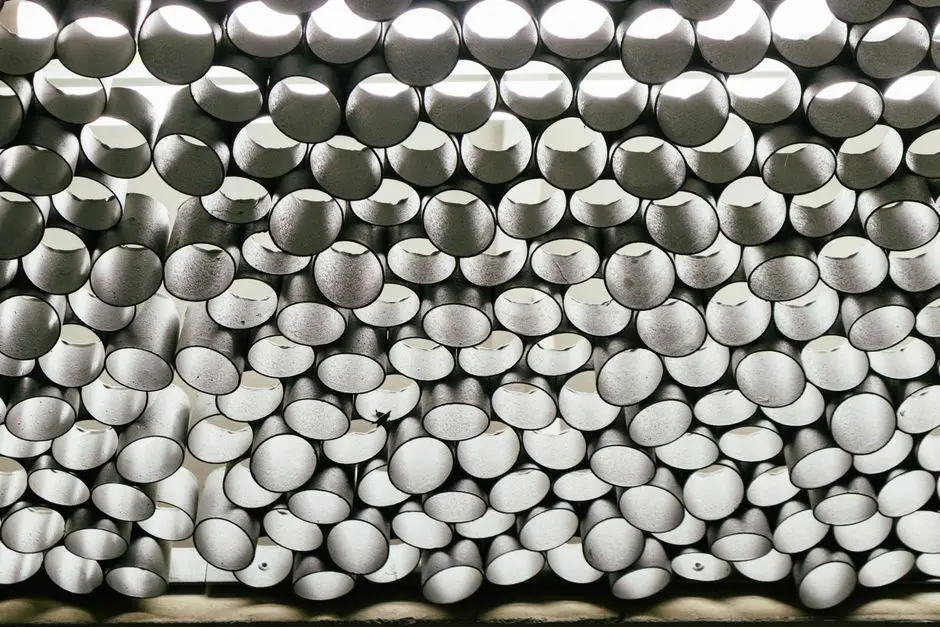
An MBBR retains both suspended biomass and attached biofilm, allowing more biomass to remain in the reactor than in a conventional suspended-growth system alone.
Plastic or sponge-based carriers move through the aerated reactor. Biofilm develops on their surfaces, while the movement continually exposes that active biomass to wastewater. Aeration also supplies the dissolved oxygen required for aerobic biodegradation of soluble BOD and biodegradable soluble COD. The attached-growth inventory reduces reliance on maintaining a large, settled suspended-biomass inventory, although the reactor still requires an effective solids-separation step downstream.
The distinction matters for paper mills because an MBBR is not simply a conventional activated-sludge tank with plastic media added. Carrier movement, biofilm development, aeration, excess-sludge separation, and carrier-retention screening must operate as one system. A reactor sized only from average soluble BOD can still be overloaded by variable flow, inhibitory constituents, inadequate nutrients, temperature changes, or solids entering the biological stage.
The 2019 laundry study by Tanjungpura University used Kaldnes K1 media at 20% fill, a 15-day seeding period, and treatment periods of 6, 8, and 10 days. Those findings demonstrate how carrier media, acclimation, and contact time can be examined in an MBBR study, but they are laundry-wastewater evidence and should not be transferred directly to a pulp and paper application. The paper-mill pilot itself provides the stronger basis for evaluating soluble BOD loading, dissolved oxygen, carrier fill, and treatment stability.
Key Design Parameters for a Paper Mill MBBR
The 2014 paper-mill pilot operated at 2 mg L-1 dissolved oxygen, 10% carrier volume, 4.3 kg soluble BOD m-3 d-1 volumetric loading, and 43.8 g soluble BOD m-2 d-1 superficial loading.
Those values describe the tested pilot configuration, not universal design criteria. In the Science Publishing Group study, the organic-loading values were at the lower limit recommended for the stated dissolved-oxygen and carrier-fill conditions. Reactor sizing therefore requires mill-specific soluble BOD and soluble COD concentrations, flow, operating hours, temperature, pH, nutrients, and downstream requirements.
| Parameter | Paper-mill evidence or design implication | Buyer should request |
|---|---|---|
| Dissolved oxygen | 2 mg L-1 in the 2014 pulp and paper pilot | Aeration basis, selected diffuser system, and DO control strategy for the actual load |
| Carrier fill ratio | 10% of reactor volume in the 2014 pulp and paper pilot | Carrier type, protected area, usable reactor volume, and fill definition |
| Volumetric organic loading | 4.3 kg soluble BOD m-3 d-1 in the paper-mill pilot | Mill-specific soluble BOD loading and diurnal profile |
| Superficial organic loading | 43.8 g soluble BOD m-2 d-1 in the paper-mill pilot | Carrier-specific active area and loading calculation |
| Hydraulic retention time | The 2020 dairy study reduced HRT from 8 to 4 hours at 40% fill; this is not a paper-mill recommendation | Reactor volume calculation from actual flow, equalization, and required contact time |
| Temperature and pH | The paper-mill pilot used cooling and pH adjustment before a thermophilic biological stage | Temperature range, heat balance, pH profile, and alkalinity |
| Nutrient balance | Nutrient addition preceded the MBBR in the paper-mill pilot | Measured nitrogen, phosphorus, and micronutrient demand after pretreatment |
| Carrier retention | No clogging or fouling was observed during the paper-mill study; service life was not established | Screen design, extraction method, replacement provisions, and maintenance plan |
Fill and hydraulic retention cannot be transferred between industries without qualification. The 2020 dairy study by Elsevier’s Energy Reports found a 40% filling ratio supported a reduction of HRT from 8 to 4 hours while reaching 95% COD removal. That result demonstrates the importance of fill and hydraulic retention in a dairy application; it does not justify specifying 40% fill for a paper mill.
For preliminary vendor scoping, use the 10% paper-mill case as the closest application evidence, then test whether the proposed carrier, loading, aeration, and hydraulic configuration remain appropriate for the actual mill effluent. Coagulant dosing design criteria may support the upstream chemical and solids-control work, but chemical demand must come from the mill’s wastewater rather than from generic assumptions.
What Performance Can Be Expected?
The paper-mill pilot achieved 56% soluble BOD removal and 35% soluble COD removal under its documented treatment and operating conditions.
Those results are the most relevant supplied benchmark for pulp and paper mill effluent. They show that biological treatment was feasible after substantial upstream preparation, but they also show that removal performance cannot be represented by broad cross-industry averages. The Science Publishing Group study provides no basis for predicting a specific mill’s permit compliance from percentage removal alone; effluent concentration, residual biodegradability, solids, nutrients, and treatment objectives also matter.
| Evidence source | Wastewater and configuration | Reported performance | How to use it |
|---|---|---|---|
| Science Publishing Group, 2014 | Pulp and paper mill; MBBR after preliminary treatment, primary decanting, pH adjustment, nutrient addition, and cooling; 2 mg L-1 DO; 10% fill | 56% soluble BOD removal; 35% soluble COD removal | Closest application evidence; use for feasibility, not automatic plant guarantees |
| Journal of Environmental Chemical Engineering systematic review, 2021 | Cross-study MBBR average | 87% BOD, 80.1% COD, 56% total nitrogen, and 53.8% total phosphorus | Context only; not a paper-mill performance promise |
| Energy Reports, 2020 | Dairy wastewater; 40% fill and reduced HRT | 95% COD removal | Non-paper comparison demonstrating the effect of fill and hydraulic conditions |
| Tanjungpura University, 2019 | Laundry wastewater; Kaldnes K1, 20% fill, 15-day seeding; 10-day treatment | 91% BOD, 93.81% COD, 86.10% phosphate, and 88.22% surfactant removal | Context for acclimation and treatment duration; not a paper-mill benchmark |
The 2021 systematic review reports average MBBR removals of 87% for BOD, 80.1% for COD, 56% for total nitrogen, and 53.8% for total phosphorus. These are averages across studies, not guarantees for pulp and paper mill wastewater. Differences in wastewater composition, pretreatment, nutrients, temperature, reactor configuration, and acceptance criteria prevent direct comparison as if all four datasets came from the same application.
The practical expectation should therefore be a mill-specific performance envelope established through characterization and pilot testing. If the objective is discharge compliance or reuse, specify an acceptance method based on effluent concentrations and relevant parameters—not percentage removal alone.
Build a Treatment Train That Meets the Permit
A permit-compliant paper mill treatment train should assess each removal barrier separately: segregation and screening, equalization, primary solids removal, pH and nutrient adjustment, MBBR, solids separation, and final polishing where required.
This structure follows the logic of the 2014 paper-mill pilot and the 2021 systematic review. The systematic review concluded that MBBR alone may not satisfy stringent discharge standards for some high-strength wastewaters and that hybrid treatment can overcome limitations of individual processes. A biological reactor should not be asked to solve problems that physical, chemical, membrane, or disinfection stages are better positioned to handle.
| Process step | Primary function | Decision condition |
|---|---|---|
| Segregation and screening | Remove fibrous and suspended debris and protect downstream equipment | Required before equalization and biological treatment |
| Equalization | Moderate flow and concentration variation | Required when variable loading threatens biological performance |
| Primary solids removal | Remove settleable or floatable solids and colloids | Use clarification or DAF where pilot data support the selected mechanism |
| pH and nutrient adjustment | Create suitable conditions for biological treatment | Base dosing on alkalinity, nutrients, flow, and treatment objectives |
| MBBR | Remove biodegradable soluble organics through suspended and attached biomass | Validate carrier, loading, aeration, HRT, and temperature against mill wastewater |
| Clarification or solids separation | Recover or remove biomass carried from the reactor | Required to control solids leaving the biological stage |
| Final polishing or disinfection | Meet residual permit or reuse requirements | Select only after identifying the required effluent quality |
DAF pretreatment for paper mill wastewater is a potential primary-removal step for suspended solids and colloidal material. Automatic chemical dosing for pH and nutrient adjustment supports controlled upstream conditions; coagulation and flocculation design should be checked against coagulant dosing design criteria.
If the required effluent quality or reuse objective justifies membrane separation, an MBR integrated wastewater treatment system may be considered. Membrane fouling remains a central design and operating issue identified in the 2021 systematic review. No single product, including MBBR, should be presented as independently guaranteeing a paper mill’s permit or reuse specification.
Choose the Right Equipment and Supplier
The 2014 pulp and paper pilot operated stably without observed carrier clogging or fouling, but the study did not establish a universal carrier service life.
Use that observation to ask bidders how their proposed system prevents and manages carrier fouling. Require screening, extraction, inspection, and replacement provisions. Do not convert a pilot observation into a maintenance-free claim.
Before issuing a technical bid, provide a wastewater characterization covering flow and diurnal variation, soluble and total COD, soluble BOD, TSS, temperature, pH, alkalinity, nutrients, color where relevant, and the applicable discharge or reuse targets. For paper mill wastewater treatment, the soluble COD and soluble BOD data should be separated from total values because they represent different biological-loading and acceptance-test questions.
Ask each bidder to define reactor volume, carrier type, fill ratio, aeration basis, hydraulic retention time, sludge separation, control philosophy, and expected performance under the actual mill load. Also require a startup and biofilm-acclimation plan, redundancy provisions, maintenance access, and a defined acceptance-test method. The 2020 dairy study’s improved stability at 40% fill and the 2019 laundry study’s 15-day seeding period are useful questions for bidders, but neither supplies a paper-mill specification.
Compare whole-train scope rather than equipment price alone. Pretreatment, chemical dosing, aeration, tankage, controls, solids handling, utilities, downstream polishing, commissioning, and performance testing can change both capital cost and compliance risk. Request itemized pricing and identify which utilities, civil works, replacement media, sludge handling, and downstream treatment are included.
A defensible supplier comparison should use the same mill wastewater dataset, treatment objectives, and acceptance criteria for every bidder. If a bidder proposes fill, loading, HRT, or performance that differs from the closest paper-mill pilot, require a technical basis and preferably confirm it through representative mill wastewater.
Frequently Asked Questions
Is MBBR suitable for pulp and paper mill wastewater?
Yes, but the 2014 pilot demonstrates feasibility rather than universal performance. The study achieved 56% soluble BOD removal and 35% soluble COD removal only after preliminary treatment, primary decanting, pH adjustment, nutrient addition, and cooling. A full-scale decision requires mill-specific characterization and pilot testing.
How much should a paper mill MBBR cost?
No defensible price can be given from the supplied research. Request itemized quotations covering wastewater characterization, treatment objectives, flow, pretreatment, reactor volume, carrier quantity, aeration, controls, sludge separation, solids handling, utilities, and final polishing. Compare bidders on the same whole-train scope and acceptance criteria.
What carrier fill ratio should be specified?
The closest application evidence is the 2014 paper-mill pilot at 10% carrier fill. A 2020 dairy study used 40% fill and reduced HRT, while a 2019 laundry study used Kaldnes K1 at 20% fill. Do not copy either non-paper value without wastewater-specific design and validation.
Can MBBR alone meet paper mill discharge limits?
It cannot be assumed. The 2021 systematic review states that MBBR alone may not meet stringent discharge standards for some high-strength wastewaters. Check the applicable permit, effluent concentrations, solids, nutrients, and reuse criteria, then add clarification, membranes, disinfection, or other polishing only where required.
What data should a supplier receive before quoting the equipment?
Provide flow and operating hours, soluble and total COD, soluble BOD, TSS, temperature, pH, alkalinity, nutrients, color where relevant, hydraulic profile, discharge or reuse targets, and operating-history data. Require the supplier to state the carrier specification, fill ratio, aeration basis, HRT, loading calculations, startup plan, and performance-test method.