What Wastewater Data Should Decide the Equipment Choice?
Pharmaceutical factories in Bothell should choose DAF when the primary treatment objective is removing fine solids, oils, grease, or buoyant contaminants in a compact footprint; a clarifier is generally better for heavy, readily settleable solids, while a lamella clarifier adds inclined-plate separation within a compact footprint. The correct 2026 choice depends on a source-representative wastewater analysis, downstream treatment needs, batch-flow variation, space, sludge handling, and automation requirements. Pharmaceutical streams may need DAF, a clarifier, or a hybrid system; no supplied source establishes one universally best option.
Start with sampling that represents the streams the equipment will actually receive. Separate production-batch discharge, cleaning operations, storm or utility flows, and any segregated streams that could upset the treatment train. Plant records should establish average and peak flow, duration of discharges, operating schedule, and known changes in product formulation. The analysis should characterize suspended solids, settleable solids, oils and grease, colloids, pH, temperature, and chemical residuals. Sampling is preferable to assuming a standard pharmaceutical profile because cleaning chemistry and batch scheduling can change the load.
The first screening rule is the separation mechanism. Dagyee’s pharmaceutical flotation description states that fine air bubbles attach to suspended solids, allowing them to rise into a concentrated layer for skimming. A conventional clarifier uses gravity sedimentation: heavier solids settle to the bottom for withdrawal. Product loss must also be recorded because Dagyee identifies product recovery as one DAF application, while clarification is principally framed around solids separation and sludge withdrawal.
Define the next treatment step before selecting equipment. Biological effluent polishing, membrane treatment, disinfection, reuse, or sewer discharge imposes different solids and turbidity requirements. That requirement determines whether the proposed unit is primary clarification, pharmaceutical wastewater pretreatment, or final polishing. See this DAF versus clarifier comparison for chemical wastewater for the broader separation decision, and assess the industrial DAF system only against the plant’s measured wastewater and required outlet quality.
DAF or Clarifier: What Each Technology Actually Removes
DAF is the stronger screening candidate when the contaminant load is buoyant or finely suspended, while gravity clarification is the stronger screening candidate when the stream contains dense, readily settled material. The separation principle must match the contaminant, because neither technology removes dissolved pharmaceutical residues by itself.
According to Dagyee’s pharmaceutical flotation description, DAF depends on a controlled air-saturation and recycle system. Water level and recycle flow determine removal efficiency, while pump operation requires suitable air flow, pressure, and recycle flow. If recycle flow changes, effluent flow must be adjusted or linked through the pump control system. A pharmaceutical bid should therefore specify the control philosophy, not just the tank.
Ecologix distinguishes the technologies by application: DAF floats light particles, oils, and greases to the surface, whereas clarifiers settle heavier solids for bottom withdrawal. In a food-processing example, DAF achieved 95% oil-and-grease removal, compared with 70% for a clarifier on the same stream. In a mining example, a clarifier reduced solids by 90% at lower cost for heavy sediment. These are supplier-published examples, not pharmaceutical or Bothell performance data, and they should not be transferred to another stream without site testing.
Dagyee also states that DAF often exceeds 90% suspended-solids removal. That is a general supplier claim, not a guaranteed project value. Require a site-specific performance basis or written guarantee covering the characterized wastewater and stated operating conditions.
For a predominantly settleable solids stream with constrained floor area, evaluate the high-efficiency lamella clarifier. Its flocculation, sludge recirculation, and inclined-plate separation combine in one compact structure.
| Decision factor | DAF | Gravity clarifier | Lamella clarifier |
|---|---|---|---|
| Primary mechanism | Bubbles attach to solids; floatable material rises for skimming | Heavier solids settle for bottom withdrawal | Flocculated solids separate through inclined-plate settling |
| Best screening fit | Oils, grease, buoyant solids, and fine solids | Dense, readily settleable solids | Settleable solids where floor area is constrained |
| Published example | 95% oil-and-grease removal in one food-processing stream, Ecologix | 90% solids reduction in one heavy-mineral stream, Ecologix | No comparative performance result in the supplied research |
| Procurement caution | Verify recycle, saturation, level, foam, and batch-flow control | Verify settleable loading, sludge withdrawal, and scum handling | Verify actual settling area and chemical-conditioning demand |
Pharmaceutical Application Matching for Bothell Factories
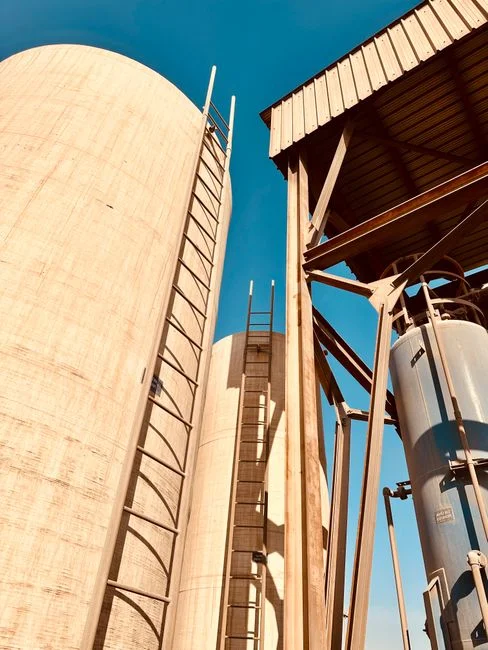
For pharmaceutical streams dominated by oils, grease, buoyant solids, or fine material where floor area is limited, investigate DAF as the lead physical separation option. Ecologix identifies DAF with oil-and-grease removal, while Dagyee lists oil and grease, product recovery, pretreatment for sewer discharge limits, and biological-effluent polishing as applications. These are application statements, not evidence that every pharmaceutical stream will perform similarly.
For streams dominated by dense, readily settleable solids, investigate a conventional clarifier. That route is most defensible when gravity settling is adequate, the required outlet quality does not justify added flotation controls, and the plant can operate and maintain the sludge-collection system reliably. Pharmaceutical residuals, colloids, or fine solids that settle poorly can make this screening decision fail, so jar or pilot testing remains necessary.
Where the stream is predominantly settleable but floor area is constrained, evaluate the lamella option. HydropureWater lists surface loading rates of 20–40 m/h and chemical-consumption reduction of up to 30% for its lamella design. These are supplier-published design claims, not guaranteed results for a Bothell pharmaceutical application; the vendor must show how the stated basis applies to the project wastewater and treatment objective.
Where buoyant contaminants and heavy solids are both significant, evaluate a hybrid train. Ecologix states that DAF and clarifiers can be combined to address complex wastewater streams. The sequence should follow the analysis: flotation may protect a downstream settler, while clarification may precede flotation when bulk solids would otherwise interfere with the DAF. Evaluate the MBR membrane bioreactor as a downstream option when biological treatment and membrane filtration are required, not as an automatic replacement for physical solids removal.
Evaluate the 2026 candidate against the plant’s current pharmaceutical discharge permit and sewer pretreatment requirements. The supplied research provides no Bothell-specific numeric limit, so obtain the permit, sewer-use or pretreatment documentation, and any reuse specification before selecting a performance guarantee.
| If the plant finds… | Equipment path to investigate | Required proof |
|---|---|---|
| Oils, grease, buoyant solids, or fine solids dominate | DAF, with chemical conditioning if required | Representative contaminant analysis, air and recycle basis, and outlet-quality guarantee |
| Dense solids settle readily | Conventional clarifier | Settling test, solids-loading calculation, and sludge-balance review |
| Settleable solids dominate and floor area is constrained | Lamella clarifier | Surface-loading and flocculation basis tied to the actual wastewater |
| Buoyant and heavy solids are both material | Hybrid DAF-clarifier train | Stream-specific sequence, intermediate sampling, and treatment-train mass balance |
Compare Footprint, Controls, Sludge, and Life-Cycle Operating Factors
A DAF purchase includes more than a flotation tank, and a clarifier purchase does not eliminate downstream sludge costs. Compare installed envelopes, access clearances, utility demands, controls, and residual-handling obligations under one process basis.
Dagyee states that DAF takes less space than traditional gravity clarification. For procurement, verify that claim with vendor drawings rather than accepting it as a layout result. The comparison should include the skid envelope, operator access, chemical-injection space, maintenance clearance, recycle piping, and any odor-control requirements. The when to select a full ETP instead of a DAF unit guide provides a useful adjacent decision for plants considering a broader treatment train.
DAF operating comparisons must include the air compressor, recycle pump, saturation system, tank-level control, effluent-flow control, and associated power demand. Dagyee’s control description is important here: recycle changes require coordinated effluent-flow control. Include control narratives, alarms, fail positions, and batch-flow response in the functional specification.
For clarification, compare sludge wasting, bottom withdrawal, chemical conditioning, storage, conditioning or dewatering, and final disposal. Ecologix says clarifiers generally have lower operating costs, but that does not remove the cost or regulatory burden of the resulting sludge.
HydropureWater’s DAF range covers 4–300 m³/h across 13 standard models. That is an initial screening range, not a sizing conclusion; average and peak flow, contaminant loading, batch variability, and downstream constraints are still required. HydropureWater’s plate-and-frame filter press options span 1–500 m² filtration areas, showing that sludge dewatering belongs in the overall project scope. For the proposed solids train, compare an industrial sludge filter press and coordinate its polymer, feed-conditioning, cake-disposal, and wash-water requirements with the clarification or flotation system.
No 2026 pharmaceutical capital or operating-cost figures appear in the supplied research. Request itemized pricing for equipment, foundations and installation, controls, utilities, chemicals, maintenance, operator labor, sludge handling, and performance tests rather than accepting an unsupported range.
| Cost or design element | DAF | Clarifier | Common procurement check |
|---|---|---|---|
| Installed footprint | Tank plus air, recycle, and saturation equipment | Tank, settler, sludge collection, and access zones | Measure against the available installation envelope |
| Controls and utilities | Air compression, recycle pumping, saturation, level, and effluent-flow control | Sludge withdrawal, level and flow control; conditioning where used | Request utility demand, controls narrative, and utility costs |
| Chemicals | Conditioning may support flotation performance | Flocculant or coagulant may assist settling | Price reagent consumption from the supplier’s process basis |
| Residuals | Float sludge or recovered product requires management | Bottom sludge requires withdrawal and handling | Include dewatering, storage, disposal, and loss assessment |
Build the Right 2026 Treatment Train
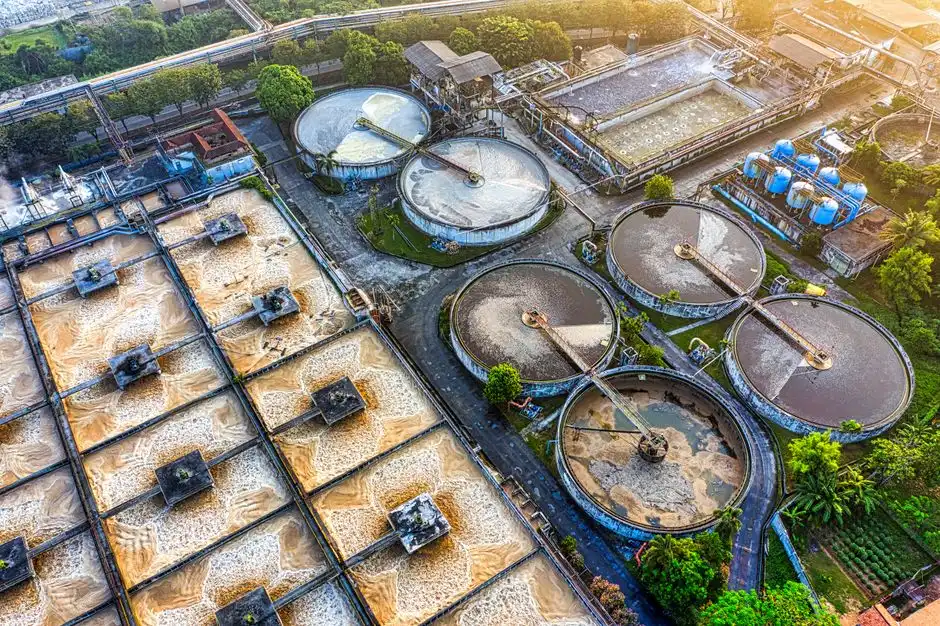
A separator should be selected as one step in a treatment train, not purchased as a standalone compliance guarantee. The defensible sequence is: characterize the wastewater; provide equalization where batch variation requires it; apply chemical conditioning where justified; remove solids with DAF, clarification, lamella separation, or a hybrid arrangement; provide biological or membrane treatment where required; polish and disinfect to the applicable reuse or discharge specification; and manage the resulting sludge.
Match the physical separator’s outlet to the next process. An MBR may be needed for a higher-grade reuse or low-turbidity objective, while a biological system may require adequate solids removal and manageable residual organics upstream. HydropureWater describes its MBR as combining activated sludge treatment with submerged PVDF membrane filtration. For a high-BOD or FOG-influenced stream, use the MBR versus activated sludge for high-BOD wastewater comparison to define the downstream biological requirement before sizing the separator.
Where pH, coagulant, flocculant, or specialty chemical control is required, specify a PLC-controlled chemical dosing system. The bid should define dose control, tanks, duty and standby arrangements, alarms, and operator verification rather than leaving chemical addition as an open-ended accessory.
Include sampling points, flow meters, level instrumentation, alarms, bypass provisions, and a defined operating-control philosophy. A bypass should have an approved operating and response procedure, not serve as an uncontrolled route around treatment. These requirements are especially important where batch discharges, cleaning operations, or product recovery can affect separator loading and downstream biological or membrane performance.
Procurement Checklist for a Bothell Pharmaceutical Plant
Issue one process basis document to every bidder. It should contain the source-representative wastewater analysis, production and cleaning schedules, average and peak flows, contaminant loads, treatment objective, required outlet quality, pretreatment or polishing needs, footprint envelope, utility availability, residual-handling constraints, and current permit and sewer requirements. Without this common basis, treatment claims are not comparable.
Request a process narrative, sizing calculation, materials of construction, electrical and controls scope, instrument list, utilities, FAT/SAT plan, commissioning plan, operator training, spare parts, warranty, and performance guarantee. The guarantee should identify the project wastewater conditions and outlet parameters instead of relying on generic removal language.
- Ask DAF suppliers to define recycle ratio, air saturation, solids loading, sludge concentration, foam control, and response to variable batch flow. Require them to explain how each parameter is controlled and verified.
- Ask clarifier suppliers to define settleable-solids loading, surface overflow rate, sludge collection, flocculation, scum management, and treatment of difficult-to-settle material.
- Ask lamella suppliers to show the effective settling area, plate configuration, flocculation basis, and how chemical demand applies to the characterized pharmaceutical stream.
- Ask every bidder to price sludge withdrawal, conditioning, dewatering, storage, and final disposal, including utilities and operator labor.
- Verify pharmaceutical application experience, local service capability in the Bothell area, commissioning support, training, warranties, and critical spare parts.
Use the current permit, sewer-use requirements, reuse specification, and any internal product-loss constraints to define acceptance. The supplied research establishes no numeric Bothell discharge limit, so the compliance basis must come from the plant’s governing documents and the receiving utility. Where full biological or membrane treatment is under consideration, compare the complete treatment train rather than evaluating a DAF or clarifier in isolation.
Frequently Asked Questions
Is DAF or a clarifier cheaper for pharmaceutical wastewater?
Do not compare only the purchase price. Clarifiers generally have lower operating costs, according to Ecologix, while DAF may be more effective for particular contaminants such as oils. Ask each bidder for itemized capital and operating costs covering equipment, installation, utilities, chemicals, controls, operator labor, maintenance, sludge handling, and performance tests. No pharmaceutical price range appears in the supplied research, so any cost conclusion must use a project-specific quotation.
How should a pharmaceutical factory size a DAF or clarifier?
Size from average and peak flow, constituent and solids loading, batch variation, treatment objective, downstream biological or membrane constraints, and required outlet quality. HydropureWater’s DAF range of 4–300 m³/h across 13 standard models is a catalog screening range, not a selection. Require the vendor to document how its sizing calculation handles the plant’s actual flow and contaminant profile, and verify that the operating envelope covers documented batch conditions.
What should buyers check when selecting a wastewater-equipment supplier?
Require all suppliers to answer the same process basis. Check the process narrative, sizing calculation, controls and instrument scope, materials, utilities, performance guarantee, FAT/SAT plan, commissioning, training, warranty, local service, and spare parts. For a DAF, specifically challenge recycle, saturation, foam, sludge concentration, and batch-flow control; for clarification, challenge settleable loading, sludge withdrawal, and scum management. A manufacturer’s general catalog claim is not a substitute for project-specific evidence.
When is a hybrid DAF-clarifier system appropriate?
A hybrid is worth evaluating when the wastewater contains both buoyant contaminants and heavy solids that cannot be addressed efficiently by one physical mechanism. Ecologix states that DAF and clarifiers can be combined for complex streams, but it does not establish a universal sequence. Use source-representative sampling to determine whether flotation should precede clarification, whether a settler should protect the DAF, or whether stream segregation can avoid unnecessary equipment.
What compliance documents are needed before purchasing equipment in Bothell?
Obtain the plant’s current pharmaceutical discharge permit, sewer pretreatment or use requirements, any reuse specification, and applicable internal product-recovery or loss constraints. The supplied research provides no Bothell-specific numeric limit, so it cannot support a discharge guarantee. The bid specification should tie guaranteed performance to the governing requirement and identify the authority or utility responsible for confirming it.