Why Rural Rwanda Needs a Decentralized Treatment Strategy
Rural sewage treatment in Rwanda is usually best approached as a decentralized system because nationwide sewerage coverage is limited and pit latrines remain prevalent. The most practical option depends on settlement density, wastewater variability, available land, local maintenance capacity, discharge location and compliance requirements. A buried WSZ package plant is suitable where moderate flows, automatic operation and a compact footprint are priorities; an MBR system is more appropriate where tighter solids separation, water reuse or tighter site constraints justify added complexity. No technology should be selected from nominal capacity alone.
The problem is not simply providing toilets. A household may have an improved sanitation facility while its wastewater remains in an unlined pit, is emptied without adequate treatment, or enters a receiving environment without safe treatment. The MDPI study found that 81.6% of improved sanitation in Rwanda used solid-slab pit latrines in 2016 because sewage systems and networks were absent. It also reported that Kigali had no centralized public sewerage system and relied on decentralized systems because central infrastructure and sustainable financing were limited.
That makes treatment part of the sanitation-service definition, not an optional addition after construction. A decentralized wastewater treatment system can serve an individual property, a cluster of buildings, a business or a small community, while keeping collection and operation closer to the waste source. The MDPI study identifies lower cost and expertise requirements as advantages for small communities, but the same research found failures in Kigali’s collective systems. Rural procurement should therefore focus on treatment performance, maintenance, monitoring and institutional responsibility as well as the toilet and collection system.
The same constraints shape the equipment search. A buried WSZ package sewage treatment plant can reduce the above-ground footprint of a decentralized system, but it still requires correct sizing, construction quality, routine desludging and a funded operator. The design must address the actual site and waste, not simply reproduce a catalog configuration.
Build the Design Basis Before Choosing Equipment
A credible treatment design begins with measured and projected wastewater conditions, not a selected equipment model. The buyer should obtain current and projected daily flows, seasonal variation, occupancy assumptions and separate contributions from households, hotels, institutions, agriculture and light industry. Peak and minimum flows matter because they affect biological loading, equalization, settling and pumping; nominal daily capacity alone does not demonstrate that the plant can handle the site’s hydraulic profile.
Representative influent testing should cover the parameters used in the MDPI assessment: fecal coliform, E. coli, COD, BOD, TSS, TDS, pH, dissolved oxygen, temperature, turbidity, electrical conductivity, total nitrogen and total phosphorus. Sampling should reflect normal operating conditions and relevant seasonal or occupancy changes. A laboratory result is not a substitute for defining the discharge point and the applicable current Rwanda conditions.
The site assessment must map groundwater, soil infiltration risk, flood exposure, receiving-water sensitivity, access for tankering, the nearest power supply and the route for deliveries and maintenance. Ask explicitly whether the proposed system will receive stormwater. The MDPI study found that most assessed Kigali networks carried both sewage and stormwater even though they were initially designed for sewage alone. In a rural project, the same mistake can dilute sewage, overload biological processes and invalidate the intended hydraulic balance.
| Design input | Information the buyer must obtain | Why it affects procurement |
|---|---|---|
| Wastewater flow and composition | Current and projected flows, seasonal variation, occupancy, source contributions and representative laboratory results | Defines biological loading, treatment capacity, equalization and equipment selection |
| Discharge and compliance | Exact receiving point, receiving-water sensitivity and current applicable Rwanda discharge conditions | Sets treatment objectives and the performance test |
| Site and utilities | Groundwater, soil, flood exposure, access, power, drainage separation and sludge-removal route | Determines construction, siting, pumping, flood protection and lifecycle logistics |
| Operations | Operator skills, inspections, aeration, desludging, laboratory access, spare parts, response arrangements and sludge ownership | Exposes whether the proposed system can be sustained after handover |
Before requesting a quotation, use packaged sewage treatment plant sizing for housing developments as a methodological reference, then adapt the design basis to the Rwandan site. The supplier should receive the same information used by the designer, including the operating concept. If wastewater characterization, site conditions or discharge requirements are missing, the quotation should state the assumptions rather than hide them.
Compare Decentralized, Package Plant and MBR Options
WSZ and MBR should be shortlisted against the site’s treatment objective and operating constraints, not treated as interchangeable products. A decentralized on-site system can be appropriate for an individual property, cluster or business. The MDPI study identifies lower cost and lower expertise requirements as advantages of decentralized wastewater treatment systems for small communities. Those advantages disappear if the chosen arrangement depends on specialist intervention for routine desludging, membrane cleaning or laboratory oversight.
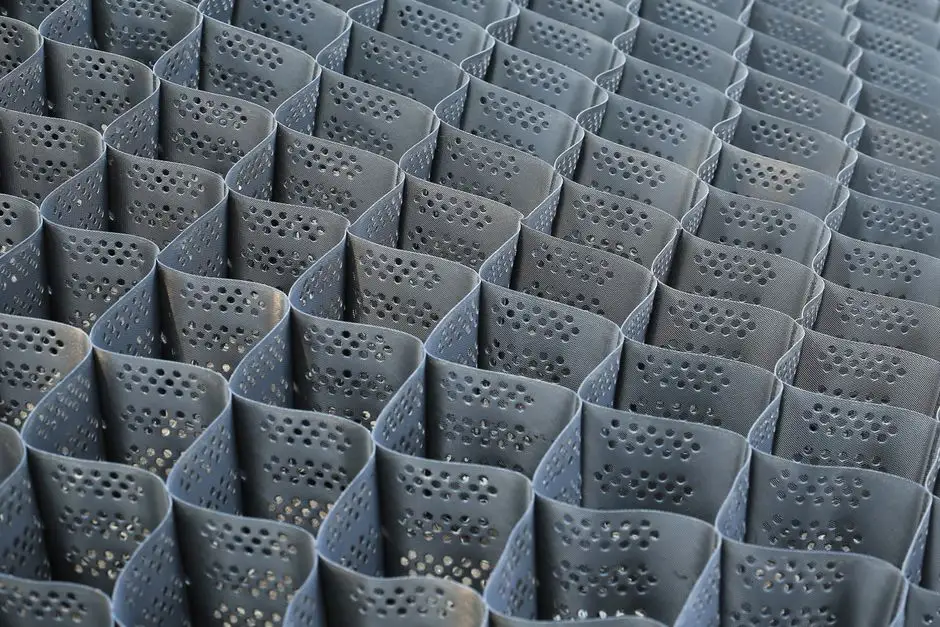
The WSZ series combines anoxic/aerobic biological contact oxidation, sedimentation and disinfection in one buried package unit. The HydropureWater verified product catalog states that it is fully automated, requires no full-time operator and handles 1–80 m³/h. That published range is a product-selection boundary, not proof that a particular flow falls inside it; the supplier must still demonstrate the hydraulic, process and site basis.
The containerized MBR system combines activated sludge with submerged PVDF membrane filtration. The same catalog publishes a capacity of 10–2,000 m³/day, filtration below 1 μm and a footprint 60% smaller than conventional systems. These are catalog attributes, not site-specific performance guarantees. Buyers should ask how the quoted configuration responds to the measured flow range, wastewater characteristics, reuse target and operator capability.
| Decision variable | Decentralized on-site system | WSZ package plant | Containerized MBR |
|---|---|---|---|
| Primary application | Property, cluster, business or small community | Residential, hospitality, institutional and rural applications within the supplier’s published range | Applications requiring controlled solids separation or a defined reuse pathway |
| Footprint | Depends on the selected process and civil arrangement | Buried package arrangement reduces above-ground occupation | Catalog reports 60% smaller footprint than conventional systems |
| Operation | Must match the owner’s maintenance capability | Catalog states fully automated operation without a full-time operator | Higher-control process with membrane and instrumentation maintenance requirements |
| Treatment objective | Must be defined for the discharge and reuse plan | A/O contact oxidation, sedimentation and disinfection | Activated sludge with submerged PVDF membrane filtration; catalog filtration below 1 μm |
| Key risk | Poor siting, weak ownership or absent maintenance | Incorrect sizing, settling or desludging performance and weak monitoring | Over-specification, membrane upkeep, control complexity and unproven reuse economics |
For the containerized MBR wastewater treatment system, membrane maintenance, operator capability, sludge handling and the intended water-reuse demand are decisive. For WSZ, verify the biological process, aeration, settling, access for desludging, backup power and control strategy. Energy recovery should be treated as a later design option, not a default rural business case. The International Plasma Technology Center states that sewage sludge has a calorific value of about 12 MJ/kg and discusses biogas from anaerobic digesters, but its modeled sewage-sludge-to-power approach is not evidence that energy recovery is a standard package-plant feature.
Translate Rwanda’s Plant Failures into Design Requirements
The documented Kigali weaknesses should become inspection points, contract deliverables and operating procedures. The MDPI study identified insufficient aeration and low residence time in final settling tanks as the main technical problems in the assessed plants. These are process-design issues: require the supplier to show biological oxygen demand and aeration calculations, identify diffuser and blower arrangements, and demonstrate the hydraulic detention provided in the final settler.
Irregular desludging was linked to high suspended solids in effluent. Make deslugging a scheduled task with a named responsible party, define its frequency from actual operating and laboratory data, and provide physical access to remove solids. A tank that cannot be safely emptied or desludged will not remain compliant simply because it is buried and automated.
Require designed sampling points at treatment-unit inlets and outlets. The MDPI study noted that most assessed plants lacked sampling points at the inlet and outlet of units such as settlers and bioreactors, complicating separate sampling and monitoring. A performance test should compare raw wastewater and final effluent against the project’s current Rwanda requirements. The study reported an average reduction of about 45% between raw wastewater and final effluent, but that is historical research context, not a guaranteed result for a rural plant or a substitute for agreed acceptance criteria.
Stormwater must be excluded or hydraulically accounted for. The same MDPI study found that most assessed networks carried sewage and stormwater despite original sewage-only designs. Specify inlet, inspection and diversion controls, and make the buyer responsible for showing where stormwater enters. A buried tank can be structurally sound and still receive hydraulic loads that its treatment process was never designed to handle.
Finally, include an environmental management plan for fecal sludge and treatment residuals. The MDPI study reported inadequate pit-latrine sludge collection and treatment in Kigali. A rural project therefore needs a chain of custody for emptying, transport, treatment or disposal, with a named owner. Equipment selection cannot solve a residual-management gap; sludge removal and the treatment route for sludge and process residuals must be included in the scope.
Plan Commissioning, Monitoring and Long-Term Operation

Commissioning should be treated as a staged acceptance process, not simply installation completion. The sequence should cover delivery inspection, installation, water and wastewater load establishment, biological acclimatization, aeration checks, settling, disinfection, controls, alarms and emergency-power arrangements. The acceptance test should use representative wastewater, agreed sampling points and current Rwanda discharge conditions. It should also identify what happens when power, aeration, pumps or a critical control system fail.
Agree the monitoring plan before purchase. Define sampling points, parameters, frequency, laboratory responsibility, record retention, corrective-action triggers and reporting responsibility. The MDPI parameter scope—fecal coliform, E. coli, COD, BOD, TSS, TDS, pH, dissolved oxygen, temperature, turbidity, electrical conductivity, total nitrogen and total phosphorus—provides a technical starting point, not a universal permit. The project owner must confirm which parameters and conditions apply at the intended discharge location.
| Stage | Required deliverable | Owner or supplier responsibility |
|---|---|---|
| Pre-commissioning | Delivery inspection, installation checks, electrical tests, control and alarm verification | Supplier documents results; owner witnesses the agreed scope |
| Process commissioning | Load establishment, biological acclimatization, aeration, settling, disinfection and emergency-power checks | Jointly agreed protocol with recorded results |
| Performance acceptance | Representative raw and final effluent sampling against current Rwanda requirements | Defined laboratory, parameter list and acceptance decision |
| Operation and maintenance | Preventive maintenance, desludging, membrane or media care, sludge removal, spare parts and corrective-action records | Named operating organization and funded work plan |
| Handover | Manuals, as-built drawings, PLC settings, emergency procedure, training records, test results and warranties | Supplier transfers a complete, usable package to the owner |
Preventive maintenance should cover biological media or membranes, pumps, blowers, diffusers, settling zones, disinfection, odor control and sludge removal. Identify replacement-part lead times before finalizing the schedule rather than after a failure. A step-by-step containerized MBR sizing methodology can help structure the hydraulic checks, but the final design still needs the Rwandan site inputs and confirmed discharge conditions.
Handover should place the operator manual, as-built drawings, PLC settings, emergency procedure, training records, test results and warranty documents in one controlled package. The owner should also receive a maintenance calendar, a spare-parts list and the contacts and responsibilities of the parties providing support.
Use a Supplier Questionnaire That Exposes Project Risk
The strongest supplier response begins with a process basis tied to the client’s wastewater characterization, expected flow range, discharge criteria, site constraints and treatment objective. A catalog flow rate without hydraulic calculations and process justification is not a comparable offer. Ask the supplier to explain which parts of the scope determine the selected treatment capacity and which assumptions require client confirmation.
Request process drawings, hydraulic calculations, equipment schedules, materials, electrical-load data, control philosophy, guarantees, commissioning protocol and reference projects with comparable duties. For a rural settlement, references should be assessed for similar waste characteristics, operating staffing, maintenance constraints and climate—not only for a similar headline capacity.
Define the scope boundary in writing. Confirm whether the price includes civil works, collection systems, installation, commissioning, laboratory testing, training, initial chemicals or seed media, sludge removal and maintenance support. The owner should also ask who supplies replacement parts after installation, how service requests are handled and whether local service capability can be demonstrated. Any promised response time should be stated as a contractual commitment rather than inferred from a brochure.
Require a transparent cost breakdown covering equipment, civil works, transport, installation, commissioning, operation, sludge management, monitoring and long-term maintenance. The supplied research provides no Rwanda-specific price range, so a budget should be built from project-specific quotations and documented assumptions. Do not compare a WSZ equipment quotation with an MBR quotation unless both include the same civil, commissioning, sludge, monitoring and support items.
Finally, use the supplier selection and technical specification checklist to interrogate delivery scope and lifecycle support. The buyer should also record the applicable permits, land or construction approvals, power arrangements, landowner responsibilities and who will operate the facility after handover. A treatment plant is not a complete project until those interfaces are funded and assigned.
Frequently Asked Questions
Is WSZ or MBR more suitable for a rural facility in Rwanda?
Neither is universally better. WSZ is a candidate where its published process range, automatic operation and compact installation suit the site, provided the supplier demonstrates aeration, settling, access and desludging. MBR is a candidate where the required solids separation or reuse objective justifies membrane operation and the owner can support its maintenance and control requirements. Compare both against measured flow, land, reuse targets and operator capability.
Why is nominal plant capacity not enough for final sizing?
Nominal capacity does not establish the approved hydraulic design or confirm process loading. Final sizing requires wastewater characterization, current and projected flow, seasonal and peak flow, site and groundwater conditions, the exact discharge point, current Rwanda requirements, the reuse objective and sludge-management arrangements. These inputs must be included in the supplier’s calculations rather than added after equipment selection.
How should a buyer estimate the cost without a fixed Rwanda price?
Request itemized quotations for equipment, civil works, transport, installation, commissioning, operator training, initial supplies, laboratory testing, monitoring, sludge removal, maintenance and replacement parts. The supplied research does not establish a reliable Rwanda-specific price range, so a fixed figure without a site-specific scope and assumptions would be misleading.
What should be checked before selecting a supplier?
Check process substantiation, comparable references, civil and installation scope, commissioning evidence, written guarantees, local support capability, spare-part arrangements and the complete handover package. For regulatory risk, require the supplier to test against the project’s confirmed current Rwanda discharge conditions. The MDPI Kigali study assessed effluent against RS 110:2017, but each project must verify its present legal requirements rather than assume that standard still applies unchanged.
What additional buyer guidance should be reviewed before purchase?
Use a domestic sewage treatment buyer’s guide to check the commercial and operational questions, then apply the Rwanda-specific design basis and Kigali failure findings. The equipment, discharge point, operating organization and residual-management route must be considered together.