Choose the Package Plant from the Site Constraints
No single plant fits every Jakarta housing development because the correct choice depends on the wastewater flow profile, available footprint, effluent route, operating model, and planned expansion. A buried WSZ A/O package may suit an off-grid site with adequate space and a conventional discharge route; an MBR may be justified where land is constrained or reuse quality is the primary objective. Before comparing equipment, fix five inputs: average and peak wastewater flow, the final effluent destination, installation area, development phasing, and the operating model available after handover.
The historical case for decentralized treatment is credible but not current connection evidence. The World Bank and EAWAG review of community-managed DEWATS in Indonesia reported that even Jakarta had under 2% sewer coverage in the period reviewed. That finding supports considering an off-grid treatment package, but it does not establish present sewer availability or approval requirements.
Check the project’s current connection options, land constraints, groundwater, receiving-water permissions, and applicable treatment standards. The 2026 Bandung housing package-plant comparison provides a useful technical reference, but Jakarta permits, site conditions, and influent data must be assessed separately.
| Decision input | What it controls | Evidence required before selection |
|---|---|---|
| Wastewater flow | Treatment capacity, reactor sizing, pumping and controls | Occupancy, per-capita flow, average, peak daily and peak hourly flow |
| Effluent route | Treatment targets, disinfection and nutrient control | Discharge point or reuse purpose, plus current authority requirements |
| Installation area | WSZ excavation versus above-ground MBR arrangement | Survey, access, burial depth, setbacks and operating clearances |
| Development phase | Initial capacity and future expansion | Occupancy schedule, infrastructure connections and reserve strategy |
| Operating model | Power, staffing, maintenance and remote support | Local operator capability, alarm response, spares and service responsibility |
Calculate Design Flow Without Losing the Peak
A package plant must be selected against peak and future design flow, not only the daily average. The HydropureWater 2026 Indonesia guide uses 200 households, 4.6 occupants per household, and 220 L per person per day for its worked example:
200 × 4.6 × 220 ÷ 1,000 = approximately 200 m³/day average dry-weather flow. Applying the guide’s 1.3 residential peaking factor gives approximately 260 m³/day, or about 11 m³/h on an average-day basis, with peak hourly flow near 22 m³/h (HydropureWater, 2026).
Those values are a design example, not a universal Jakarta standard. Actual household counts, occupancy schedules, commercial tenants, infiltration, and future phases must be validated. Require each bidder to state separate average dry-weather flow, peak daily flow, peak hourly flow, and expansion reserve. The supplied research does not establish one safety factor that applies to every Jakarta development.
Influent characterization is equally important. The same 2026 guide reports mixed-wastewater ranges of BOD 135–480 mg/L, COD 148–472 mg/L, TSS 25–1,148 mg/L, and ammonia 0.1–259 mg/L with a mean of 45 mg/L (HydropureWater, 2026). Use site samples to determine whether the proposed biological process, solids handling, and pretreatment remain appropriate.
| Flow or load item | Worked 200-home basis | Procurement requirement |
|---|---|---|
| Population basis | 920 persons | Confirm household count, occupancy and non-residential tenants |
| Average dry-weather flow | Approximately 200 m³/day | State the per-capita contribution and measurement basis |
| Peak design flow | Approximately 260 m³/day; peak hourly flow near 22 m³/h | Identify the selected hydraulic duty point and future reserve |
| Organic load | BOD 135–480 mg/L; COD 148–472 mg/L | Require site-specific influent sampling and the proposed design load |
| Solids load | TSS 25–1,148 mg/L | Define solids capture, sludge production and storage basis |
| Nutrient load | Ammonia 0.1–259 mg/L; mean 45 mg/L | Include nitrogen and phosphorus requirements in the reuse assessment |
Match the Treatment Train to the Wastewater
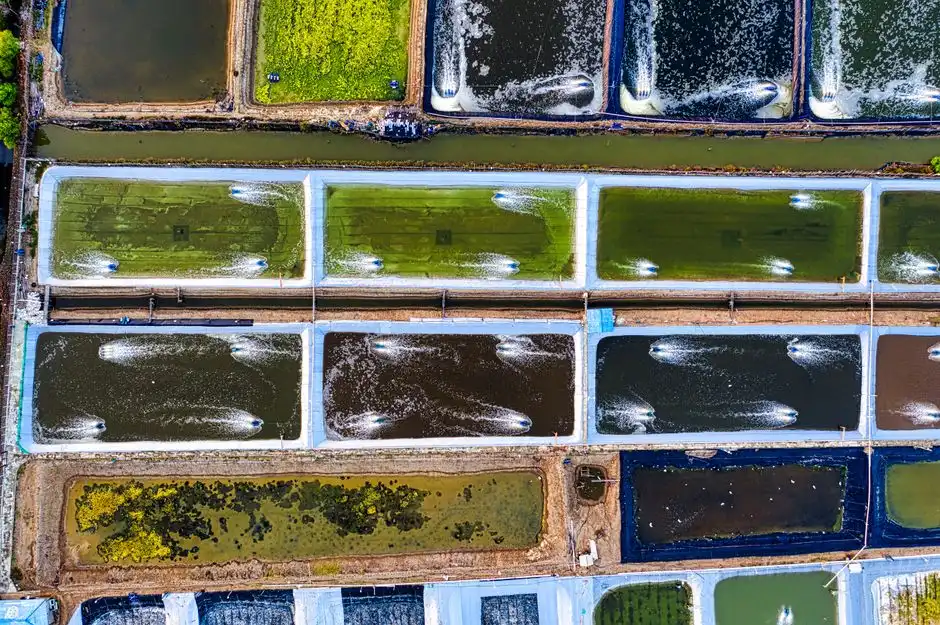
The treatment core must be preceded and followed by the process stages needed to protect performance and make disposal lawful. A complete train should address screening and flow management, grease and solids control, biological treatment, solids separation, disinfection, and sludge handling. The required pretreatment depends on influent results rather than a standard package layout.
Grease and laundry loads deserve specific review. The HydropureWater 2026 Indonesia guide reports kitchen-sink oil and grease at 56 ± 73 mg/L and laundry wastewater contributing up to 40% of total COD (HydropureWater, 2026). Request evidence showing how kitchen FOG, laundry surfactants, screenings, and grit will enter the selected package without creating a biological or solids-handling overload.
The underground WSZ A/O package treatment plant combines anoxic and aerobic contact oxidation, sedimentation, and disinfection in a buried vessel. This arrangement reduces visible surface-area impact and can suit residential sites where the treatment process must remain largely below ground.
The integrated PVDF MBR wastewater treatment system combines activated sludge with submerged PVDF membrane filtration below 1 μm. That solids-separation performance is relevant where compactness or near-reuse-quality effluent justifies greater mechanical and operating complexity.
Sludge must be included in the selection. The 2026 guide estimates 15–25 kg dry solids per day from the worked 200 m³/day case (HydropureWater, 2026). Require a storage calculation, dewatering method, cake-disposal route and responsible operator. Where filtration is required, evaluate a plate-and-frame sludge dewatering system as part of the complete scope rather than an accessory added later.
| Process stage | Design question | Evidence to request |
|---|---|---|
| Pre-treatment | Are FOG, surfactants, grit or screenings controlled? | Site influent results, loading assessment and process diagram |
| Biological treatment | Can the process absorb the confirmed peak load? | Design load, hydraulic retention basis and process calculations |
| Solids separation | Does the chosen separation method meet the duty and reuse objective? | Clarifier or membrane basis, solids capture and cleaning strategy |
| Disinfection | Is the agreed microbiological target maintained? | Design basis and performance test method |
| Sludge handling | Where are residuals stored, dewatered and disposed of? | Dry-solids estimate, storage duration, dewatering and disposal route |
Compare WSZ and MBR for a Housing Development
WSZ is the lower-complexity option for a conventional buried treatment train, while MBR trades more equipment, power and specialist maintenance for membrane-level separation and compact installation. The relevant comparison is site-specific rather than a general claim that one technology is always better.
The supplier information cited in the HydropureWater 2026 Indonesia guide gives WSZ a capacity range of 1–80 m³/h, fully automated operation without a dedicated operator, below-grade installation, and integrated biological treatment, sedimentation, and disinfection. MBR capacity is given as 10–2,000 m³/day, with submerged PVDF membrane filtration below 1 μm. The same source states that the MBR arrangement can be approximately 60% smaller than conventional systems; the final footprint still depends on the proposed civil and operating arrangement (HydropureWater, 2026).
For the worked 200 m³/day housing case, the guide states that a buried WSZ installation can reduce the visible surface footprint to under 50 m² (HydropureWater, 2026). MBR becomes stronger where available land is severely constrained or reuse quality is the main project objective.
Power and service requirements are material. The 2026 guide assigns continuous power demand of 2–5 kW to the worked MBR case (HydropureWater, 2026). Require bidders to define electrical demand, backup-power interface, automatic controls, membrane cleaning, alarm escalation, remote monitoring and specialist support. The operational difference between technologies is not a minor accessory issue; it determines the owner’s long-term service obligation.
No comparative purchase price should be inferred from the research. The RFQ should separate equipment, freight, taxes, civil works, installation, commissioning, training, power, chemicals, membrane replacement, sludge handling, preventive maintenance and service support. This avoids a low equipment quotation concealing a higher lifecycle burden.
| Procurement criterion | WSZ A/O | MBR |
|---|---|---|
| Treatment arrangement | Anoxic/aerobic contact oxidation, sedimentation and disinfection in a buried package | Activated sludge with submerged PVDF membrane filtration below 1 μm |
| Published capacity | 1–80 m³/h | 10–2,000 m³/day |
| Installation | Below-grade; worked example reports visible footprint under 50 m² | Compact arrangement; supplier states approximately 60% smaller than conventional systems |
| Operating profile | Fully automated without a dedicated operator | More electrical and mechanical maintenance, including membrane service |
| Worked-case power | Not stated in the supplied research | 2–5 kW continuously for the 200 m³/day example |
| Best fit when | Footprint, integration and conventional treatment are dominant | Severe land constraint or near-reuse-quality effluent is dominant |
Plan for Jakarta Site Conditions and Permit Evidence
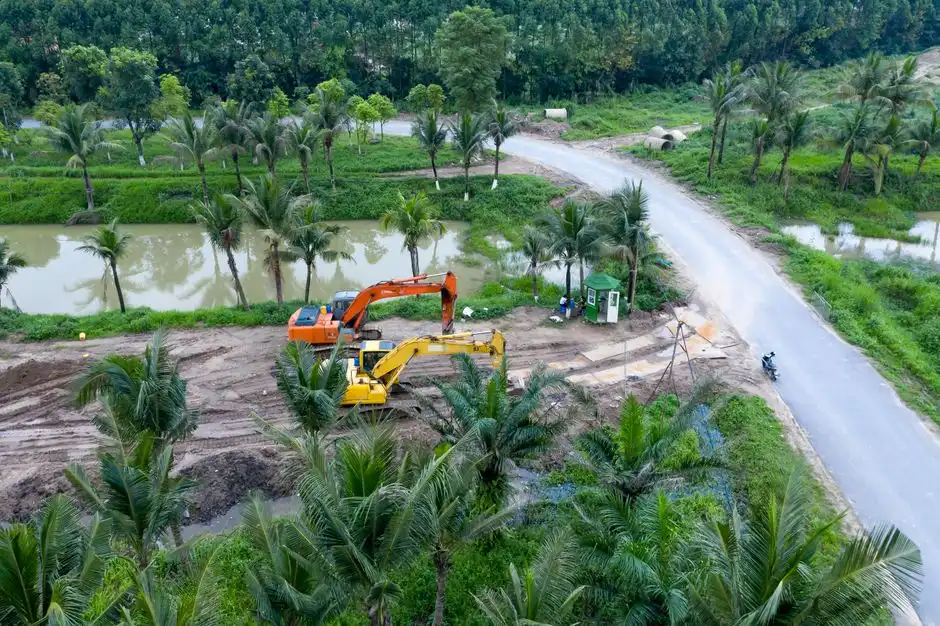
Below-grade installation makes geotechnical and groundwater investigation a prerequisite for WSZ. The supplied research does not provide a site-specific burial depth, soil-bearing value or flotation criterion, so none should be inserted into the RFQ as a universal value. Require the designer to derive excavation, anchoring, buoyant uplift and access provisions from the project geotechnical report.
The World Bank and EAWAG review states that prefabricated modular systems can reduce implementation time, simplify construction, standardize manufacturing quality and suit challenging environments. It also warns that local government support after construction is largely absent in the reviewed cases. Local engineering, construction verification, ownership, maintenance funding and alarm response therefore remain the buyer’s responsibility (EAWAG/World Bank, 2013).
The cited surface-water design references are BOD at or below 30 mg/L, COD at or below 100 mg/L, TSS at or below 30 mg/L, NH₃-N at or below 10 mg/L, and fecal coliform at or below 1,000 MPN/100 mL (HydropureWater, 2026). Treat them as design references, not confirmed Jakarta permit limits. Confirm current Indonesian requirements and the Jakarta authority’s discharge, land-use and construction approvals before ordering.
For irrigation or another reuse route, request the exact reuse standard, receiving environment and monitoring requirements. Nutrient and phosphorus control become more important where effluent may enter irrigation or groundwater systems. Do not let a supplier select the treatment target without a written discharge or reuse basis.
| Evidence package | Minimum information | Decision it supports |
|---|---|---|
| Site investigation | Geotechnical report, groundwater observations and utility survey | Burial depth, excavation, flotation control and access |
| Discharge evidence | Permit application, receiving point, current effluent limits | Treatment target and monitoring |
| Reuse evidence | Intended use, authority approval and nutrient limits | Biological nutrient-removal requirements |
| Construction evidence | Land-use and construction approvals | Order and installation date |
| Operations evidence | Asset owner, operator, power payer, sludge route and alarm response | Long-term operating model |
Build an RFQ That Produces Comparable Proposals
A comparable RFQ fixes the design basis before it asks for a price. Include household and occupancy assumptions, average and peak flow, influent characteristics, discharge or reuse target, installation area, soil and groundwater data, available power, sludge route, and development phasing. Every bidder should size its offer against the same schedule.
Require a process diagram, duty point, equipment dimensions, civil-interface drawing, control philosophy, power consumption, backup-power interface, remote alarms, commissioning tests, spares list, warranty, and evidence of local service capability. A general statement of “compliance” is insufficient: specify each guaranteed parameter, sampling point, test method, operating condition and acceptance period.
Ask bidders to price equipment, shipping, taxes, civil works, installation, commissioning, training, annual power, chemicals, sludge handling, membrane replacement and preventive maintenance separately. The 2024 Indonesian housing-risk study by Priyanto, Setyaningsih, and Setyadi identified regulatory uncertainty and government budget constraints as material project risks. Accordingly, require a permit-support schedule, lifecycle-cost horizon, and named responsibility for each approval and recurring cost (Priyanto, Setyaningsih, and Setyadi, 2024).
The bidder’s installation and commissioning plan should also be reviewed against the MBR installation and commissioning process, while the technical proposal should explain how the selected package will be commissioned, tested, handed over and supported after start-up.
| RFQ schedule | Required submission | Acceptance check |
|---|---|---|
| Design basis | Flow, load, effluent, site, power, sludge and phasing schedule | All bids use identical inputs |
| Technical offer | Process diagram, duty point, drawings and performance guarantee | Capacity and treatment claims are traceable |
| Commercial offer | Separated capital, operating, replacement and service costs | Lifecycle scopes can be compared |
| Delivery and controls | Lead time, shipping terms, installation sequence, training and alarms | Responsibility is assigned to each party |
| Compliance and support | Permit support, commissioning protocol, spares and local service capability | Evidence is auditable, not a marketing claim |
Frequently Asked Questions
What size packaged sewage treatment plant is needed for a 200-home housing development in Jakarta?
The worked example produces approximately 200 m³/day average flow, approximately 260 m³/day after applying a 1.3 peak factor, and peak hourly flow near 22 m³/h (HydropureWater, 2026). It is not the final design: confirm occupancy, per-capita flow, tenant loads, infiltration and future phases before selecting capacity.
Should a housing estate choose WSZ or MBR?
Choose WSZ when a buried, integrated treatment train and conventional discharge are the priorities; choose MBR when severe land constraints or near-reuse-quality effluent justify the additional electrical and membrane-service obligations. Compare both against the same site-specific duty, footprint, effluent and lifecycle requirements.
How should a buyer select a package-plant supplier in Indonesia?
Require a site-specific duty basis, a process diagram, a parameter-by-parameter performance guarantee, a commissioning protocol, and demonstrable Indonesian or ASEAN field-service capability. Check who responds to alarms, supplies spares and supports membrane or other scheduled replacement.
What should the budget comparison include, and do the cited effluent limits confirm Jakarta approval?
Compare complete lifecycle scopes rather than package purchase price: include freight, civil works, installation, commissioning, power, chemicals, sludge handling, replacements, maintenance and service. The research provides no reliable Jakarta price range. Its effluent values are design references, not confirmed permit limits; obtain the current limits for the selected discharge or reuse route.