
Start with the wastewater, not the equipment catalogue
A Munich factory usually needs a DAF unit when wastewater contains oil, grease, FOG, colloids or suspended solids that must be removed before biological treatment; it needs a broader effluent treatment plant when pH adjustment, flocculation, biological treatment, filtration or disinfection is also required (OpenBlueprint, July 2025). Dissolved air flotation uses 10–100-micron micro-bubbles to lift solids and oily droplets for skimming (OpenBlueprint, July 2025). The correct choice depends on representative wastewater tests, average and peak flow, reuse or discharge objectives, pretreatment needs and applicable German approvals—not the factory’s Munich address alone.
Request characterization across normal production, cleaning, batch-discharge and upset conditions. A single laboratory sample is not a design basis. Record flow continuously or through a campaign that captures the operating schedule, production peaks and batch releases. Map each source stream separately where practical: production washdown, floor drainage, boiler or cooling blowdown, laboratory wastewater, storm-water ingress and oily interceptors may have incompatible contaminants or release patterns.
The receiving route changes the evidence required. Direct discharge, indirect discharge through a municipal system, internal reuse and another disposal route each impose different treatment and documentation duties. The supplied research establishes the need to characterize wastewater but gives no Munich-specific discharge limits. Obtain the applicable German and local requirements for the site, receiving system and reuse application from the responsible authorities; do not infer them from generic ETP descriptions.
| Design input | What to obtain | Decision affected |
|---|---|---|
| Water quantity | Average flow, peak flow, operating schedule and batch releases | DAF capacity, equalization, redundancy and biological loading |
| Physical condition | Temperature, pH, conductivity, suspended solids, colloids, oil and grease, and FOG | Separation method, materials, heating and chemical conditioning |
| Organic load | COD and BOD | Whether biological treatment is required |
| Specific contaminants | Nutrients, metals and industry-specific substances | Biologically inhibitable compounds, pretreatment and reuse suitability |
| Destination | Discharge route, municipal pretreatment requirements and reuse specification | Final treatment, monitoring, approvals and commissioning tests |
Use the industrial DAF system for oil, FOG and suspended solids only as a candidate against that characterization. It is not a substitute for defining the receiving route, treatment objective or permit basis.
Choose the treatment train that matches the pollutants
An effluent treatment plant is a treatment train, not a single machine. The supplied Quora explanation divides ETP into primary physical and chemical treatment, secondary biological treatment and tertiary treatment before release (OpenBlueprint, July 2025). DAF addresses one part of that train: it is a physico-chemical separation process in which small air bubbles attach to solid particles and give them a high rate of ascent (OpenBlueprint, July 2025).
Mechanically, a portion of clarified effluent is pressurized and saturated with air, then returned to the flotation tank. Pressure release produces 10–100-micron micro-bubbles that attach to oil droplets and suspended solids; the resulting froth is removed by a mechanical skimmer (OpenBlueprint, July 2025). Position DAF after suitable equalization, screening and pH control where needed. If emulsified oil could enter biological treatment, upstream DAF can protect the biomass: OpenBlueprint reports that oil films can coat bacteria, prevent oxygen transfer and damage the microbial colony (July 2025).
Chemical dosing has a specific role rather than serving as a default substitute for process design. Jar or pilot testing should establish whether pH correction, coagulation or flocculation improves separation and downstream treatment. A PLC-controlled chemical dosing skid can then be evaluated for controlled feed, tank arrangement, duty response and operator integration.
Clarification is not disinfection or advanced polishing. Unless verified performance supports those functions, do not describe a DAF skid as replacing biological treatment, filtration or disinfection. Where the duty requires high-quality reuse, evaluate the integrated biological and membrane treatment system as a separate process option rather than an automatic DAF accessory.
| Treatment stage | Primary function | Decision condition |
|---|---|---|
| Equalization, screening and pH control | Stabilize flow, remove gross material and establish conditions for downstream processes | Needed when feeds, releases or pH vary materially |
| DAF | Remove suspended solids, oil, grease, FOG and suitable colloidal matter | Use when flotation performance is demonstrated for the tested wastewater |
| Coagulation or flocculation | Destabilize contaminants and create floatable or settleable aggregates | Establish through jar or pilot testing |
| Biological treatment | Remove biodegradable dissolved organics | Use when the organic and toxicity assessment supports it |
| Filtration and membrane treatment | Polish solids to meet the verified effluent or reuse specification | Use when clarification or biological treatment cannot meet that specification |
| Disinfection | Inactivate viable microorganisms where required | Confirm the receiving route and reuse application |
Decide between DAF only, DAF plus ETP, or a biological-led system
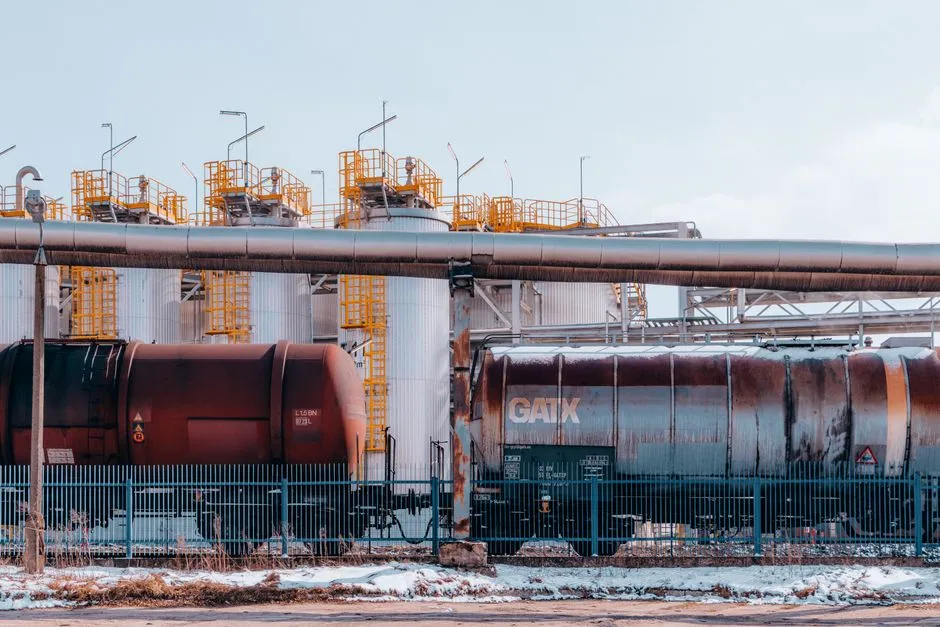
Select DAF-led treatment when the verified objective is oil, grease, FOG, colloid or suspended-solids removal before discharge or downstream biological treatment. Select DAF plus an ETP when the wastewater needs DAF protection of the biological stage and also requires pH control, biological treatment and tertiary treatment. Select a biological-led configuration when the verified requirement is stable, high-quality effluent or reuse, provided the load, footprint, controls, sludge route and operator capability support it.
DAF is a front-end protection and separation step in a combined train, so the sequence is equalization and screening, pH and chemical preparation, DAF, biological treatment, and then filtration or disinfection where the duty demands them.
The integrated biological and membrane option combines activated sludge with submerged PVDF filtration. The product catalogue states filtration below 1 μm and lists capacities from 10–2,000 m³/day (HydropureWater product catalogue, 2026). Those figures are catalogue boundaries, not proof that the system suits a Munich factory. Compare them with measured flow, organic loading, required effluent quality, reuse targets, plant footprint, sludge production, operator capability and life-cycle maintenance.
A Minicell 10 installation in an oleochemical application reportedly achieved 90–95% reduction in suspended solids and oil (Krofta Engineering, LinkedIn post, 2026). That result supports DAF’s suitability for that particular duty, but it is not a transferable guarantee. The supplier should substantiate performance for Munich wastewater through test data, a representative pilot or an appropriate performance guarantee.
| Configuration | Best-supported role | Key procurement question |
|---|---|---|
| DAF-led treatment | Suspended-solids, FOG, oil, grease and colloid removal before discharge or biological treatment | Does tested wastewater demonstrate the required separation without downstream stages being omitted? |
| DAF plus ETP | Oil and solids protection followed by pH control, biological treatment and required tertiary treatment | Are each stage’s duty, sludge route and failure strategy defined? |
| Biological-led system with membrane polishing | Stable effluent or reuse when the biological and membrane duties are verified | Does the system meet the reuse specification under variable loads and cleaning downtime? |
Size the DAF and ETP from tested duties
Size from simultaneous hydraulic and contaminant duties, not from a headline flow rate. The sizing brief should include average and peak flow, operating schedule, hydraulic retention requirements, solids loading, FOG loading and the DAF recycle-flow assessment. The supplied sources provide no universal industrial DAF sizing ratio, so a supplier should calculate and substantiate the equipment duty from the project data rather than apply a generic rule.
The HydropureWater DAF catalogue covers 4–300 m³/h across 13 models (HydropureWater product catalogue, 2026). Treat that as a selection boundary, not evidence that flow alone determines the correct model. The supplier must also show how batch releases, hydraulic surges and contaminant peaks affect flotation performance, recycle demand and treated-water storage.
Determine whether bypass, redundant units or standby capacity are required by production risk, permit conditions and pretreatment-control strategy. A bypass may protect the plant during an upset, but its operation, destination and regulatory status must be explicit. Check available footprint, utility connections, compressed-air or dissolved-air supply, power, drainage, maintenance access, odor control and noise constraints before freezing the layout.
For biological or membrane stages, add sludge production, wasting, dewatering, bypass and maintenance downtime to the plant design. If generated sludge needs further solids separation before disposal or reuse, evaluate the plate and frame filter press as a sludge-dewatering option based on sludge characteristics and required cake condition.
- Lock the representative wastewater and flow data.
- Define the verified effluent or reuse objective.
- Calculate hydraulic and contaminant duties for normal and peak operation.
- Check the selected model’s duty basis, utilities and physical fit.
- Include sludge handling, controls, redundancy and downtime in the offer.
Build a Munich-ready supplier request and compliance checklist
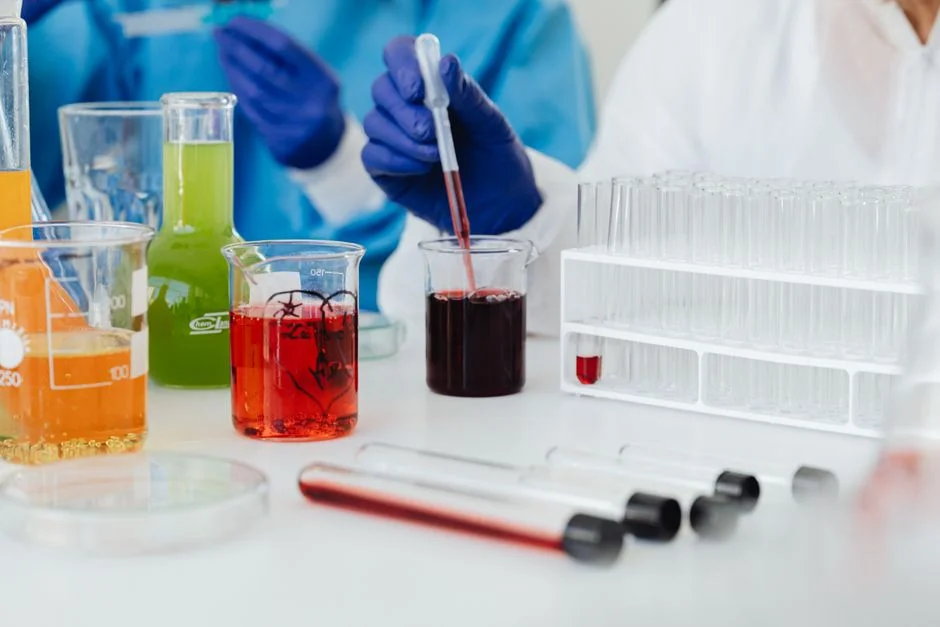
A comparable supplier offer must state the design basis, not merely the equipment list. Require the measured flow range, wastewater characteristics, process assumptions, treatment objective, duty cycle and selected materials of construction. A DAF-only offer and a DAF-plus-ETP offer should be evaluated against the same verified influent and effluent requirements.
Request the complete P&ID, process flow diagram, control philosophy, equipment schedule, electrical and utility requirements, commissioning plan, operator training, maintenance plan and spare-parts list. Ask the supplier to identify which approval, compliance and testing duties fall to the owner, equipment supplier and civil contractor. Munich-specific requirements must be confirmed for the site and receiving route; the supplied research does not establish numerical discharge limits.
Request evidence relevant to the proposed duty, but preserve the scope of published results. The reported 90–95% suspended-solids and oil reduction belongs to one oleochemical installation (Krofta Engineering, LinkedIn post, 2026), not to Munich factory wastewater generally. A guarantee should therefore identify the test wastewater, loading conditions, sampling method, acceptance parameters and remedy for non-compliance.
IFAT 2026 in Munich can serve as a technical-contact and market point: Toro Equipment announced attendance there in an April 28, 2026 Facebook post. Event participation is not evidence of equipment suitability, approval status or local service capability.
| Supplier submission | Acceptable evidence | Procurement check |
|---|---|---|
| Design basis | Measured flow range, wastewater characterization, operating schedule and process assumptions | Does the offer match Munich site data rather than generic application data? |
| Technical documents | P&ID, process flow, equipment schedule, control philosophy and utility requirements | Are interfaces and responsibilities visible? |
| Performance evidence | Relevant test data, pilot results or a defined performance guarantee | Is scope, loading and sampling method explicit? |
| Compliance allocation | Permit, testing, training and handover responsibilities stated by party | Have site-specific German and local requirements been confirmed? |
| Commercial comparison | Measured power, chemical demand, maintenance, sludge handling, operator time, consumables, downtime and reuse value | Is the comparison based on the same treatment duty and boundary? |
Compare total cost of ownership rather than equipment price alone. The supplied research contains no defensible project-price figures, so the budget should be built from supplier quotations against a common scope. The 2026 DAF selection and decision framework can support the technical brief, while bid documents should provide the cost basis.
Frequently Asked Questions
Can supplier quotations for a Munich DAF or ETP be compared fairly?
Only if bidders use the same measured wastewater, flow range, duty cycle, treatment objective and documentation boundary. Compare total cost of ownership—including power, chemicals, sludge handling, maintenance, operator time, downtime and reuse value—not the skid price alone. The supplied research provides no defensible project-price figures, so request itemized quotations for the same verified duty.
How do peak and batch flows affect DAF sizing?
They affect hydraulic capacity, equalization, recycle demand, control response and storage, as well as contaminant loading. Provide the operating schedule, production peaks, batch releases and upset conditions; do not ask suppliers to size from average flow alone
Frequently Asked Questions
How much does an industrial ETP or DAF system cost for a factory in Munich?
For a standard industrial DAF unit in the Munich region, capital expenditure typically ranges from €80,000 to €250,000 depending on the material of construction (AISI 316L stainless steel is standard for local corrosion resistance) and the required hydraulic capacity. This figure covers the primary separation unit, chemical dosing skids, and basic PLC integration.
Total project costs, including German-standard civil works, sludge dewatering equipment, and installation, often reach €400,000 to €750,000. Operating costs in Bavaria are heavily influenced by high energy prices and strict sludge disposal regulations, typically adding €0.50 to €1.50 per cubic meter of treated effluent.
How do I compare DAF suppliers for a Munich factory wastewater project?
When evaluating suppliers, prioritize those with ISO 9001 certification and a demonstrated track record of compliance with the Abwasserverordnung (AbwV). Request specific references for projects in Germany that have passed local Wasserwirtschaftsamt inspections, as regional environmental authorities often have specific requirements for sensor redundancy and data logging.
Compare technical proposals based on the specific air-to-solids ratio (A/S ratio) provided, target TSS removal efficiency (typically 90-95%), and the availability of 24/7 service support within a 200km radius of Munich. Ensure the quote includes full documentation in German, as required for local permitting and occupational safety audits.
Should the DAF unit be sized for average flow or peak and batch discharge flow?
DAF systems must be sized based on peak and batch discharge flow rates rather than average hydraulic load. Designing for average flow will result in hydraulic overloading during batch releases, causing sludge carryover and failure to meet discharge limits set by the Munich municipal sewer authorities.
The system should include an equalization tank (Puffertank) to buffer high-concentration shocks and flow surges. The DAF unit itself must be rated for the maximum instantaneous flow rate (m³/h) expected during production peaks to ensure the surface loading rate (m/h) stays within the optimal range of 5 to 10 m/h for effective floc separation.
Do we need DAF and biological treatment, or can one system handle the wastewater?
A DAF unit is a physical-chemical primary treatment process designed to remove suspended solids, fats, oils, and grease (FOG). While it can significantly reduce Chemical Oxygen Demand (COD) and Biological Oxygen Demand (BOD), it cannot achieve the stringent discharge limits required for nitrogen and phosphorus removal or deep COD reduction mandated by German environmental regulations.
If your factory wastewater contains high levels of dissolved organic pollutants, a DAF system must be paired with biological treatment (such as an MBBR or MBR process). The DAF acts as a pretreatment stage to protect downstream biological biomass from toxic surfactants or excessive grease loading, which would otherwise inhibit microbial activity.
What compliance documents should we request before ordering an ETP in Germany?
Before finalizing an order, you must request a CE Declaration of Conformity and documentation proving compliance with the Machinery Directive (2006/42/EC). Additionally, ensure the supplier provides a detailed process guarantee that the treated effluent will meet the specific requirements of the Indirekteinleiterverordnung (Indirect Discharge Ordinance) applicable to the Munich municipal sewage network.
Required documentation also includes technical datasheets for all chemical dosing pumps, ATEX certification for electrical components if the environment is classified as hazardous, and a comprehensive operation and maintenance (O&M) manual written in accordance with DIN EN 82079-1 standards.