Identify the Requirements That Apply to an Ooltewah Sewer Discharge
The receiving publicly owned treatment works (POTW), not a generic equipment specification, determines the enforceable sewer-discharge requirements for a fabricated metals plant near Ooltewah. Begin with the POTW’s industrial user rules, discharge permit, local limits, applicable user category, monitoring frequency, reporting forms, and enforcement terms. The U.S. EPA states that 40 CFR Part 467 covers direct and indirect dischargers and organizes aluminum forming into six subcategories, but the regulation’s applicability must be checked against the plant’s actual operations. Use the [fabricated metals pretreatment compliance guide](/blog/12796-how-fabricated-metals-plants-meet-2026-pretreatment-limits.html) as a framework, then obtain the Ooltewah authority’s own requirements. While Clean Water Services’ survey, application, monitoring, and enforcement process is a useful pretreatment model, it is not an Ooltewah rule and its numerical requirements should not be transferred to this discharge.
| Requirement layer | What the plant must establish | Decision output |
|---|---|---|
| Receiving POTW requirements | Industrial user rules, discharge permit, local limits, user category, monitoring, reporting, and enforcement terms | Binding design and operating basis |
| Federal categorical rules | Whether the facility performs an operation covered by 40 CFR Part 467 or another EPA category | Applicability memo and applicable parameters |
| State and local discharge controls | Additional prohibitions or permit terms that apply to the facility and receiving sewer | Complete compliance matrix |
| Operational evidence | Waste survey, process characterization, monitoring records, and corrective-action documentation | Auditable pretreatment program |
Characterize Each Fabrication Wastewater Stream
A defensible treatment design begins with a source-by-source waste profile rather than a sample of the final combined discharge. Inventory fabrication washwater, equipment and floor cleanup, coolant and lubricating-water management, rinse water, process baths, storm runoff, and sanitary flows. The [fabricated metals pretreatment guide for Madison Heights](/blog/7711-pretreatment-compliance-for-fabricated-metals-plants-near-madison-heights.html) provides a useful comparison, but the Ooltewah facility’s own process map and POTW requirements remain controlling.
For aluminum forming, EPA defines core operations as deformation by hot or cold working, including rolling, extrusion, forging, and drawing. It also identifies casting, heat treatment, and surface treatment as ancillary operations when integral to aluminum forming and capable of contributing significantly to wastewater. EPA identifies bath caustic, acid, seal, or detergent solutions; rinse water; scrubber liquor; spent lubricant; contact-cooling water; spent neat oil; and emulsion or soap solution among relevant waste streams. These are characterization inputs, not universal discharge limits. Regulated parameters vary by the six Part 467 subcategories, and some plants may fall under more than one.
| Waste source | Data to collect | Why it matters |
|---|---|---|
| Fabrication washwater and rinse water | Flow, batch timing, pH, metals, suspended solids, and cleaning chemistry | Distinguishes dilute carryover from high-concentration wash events |
| Process baths and surface treatment | Chemical constituents, concentration, temperature, regeneration, and disposal method | Identifies source-control and treatment requirements |
| Equipment and floor cleanup | Cleaning frequency, detergents, solids, oil and grease, and washdown routing | Tests whether cleanup flows are mixed with clean rinses |
| Coolant and lubricating water | Leak history, emulsions, neat oil, and disposal or recirculation practice | Supports separation of oil-bearing streams |
| Storm runoff and sanitary flows | Drainage routing, rainfall exposure, and sanitary segregation | Prevents uncontrolled dilution and inappropriate sewer routing |
Operators must ask the receiving POTW which parameters, analytical methods, sampling points, and discharge prohibitions apply. A single combined sample can conceal a short-duration pH or metals excursion, so source segregation and event-based characterization are necessary where a process produces high-concentration wash streams.
Build a Source-Controlled Pretreatment Treatment Train
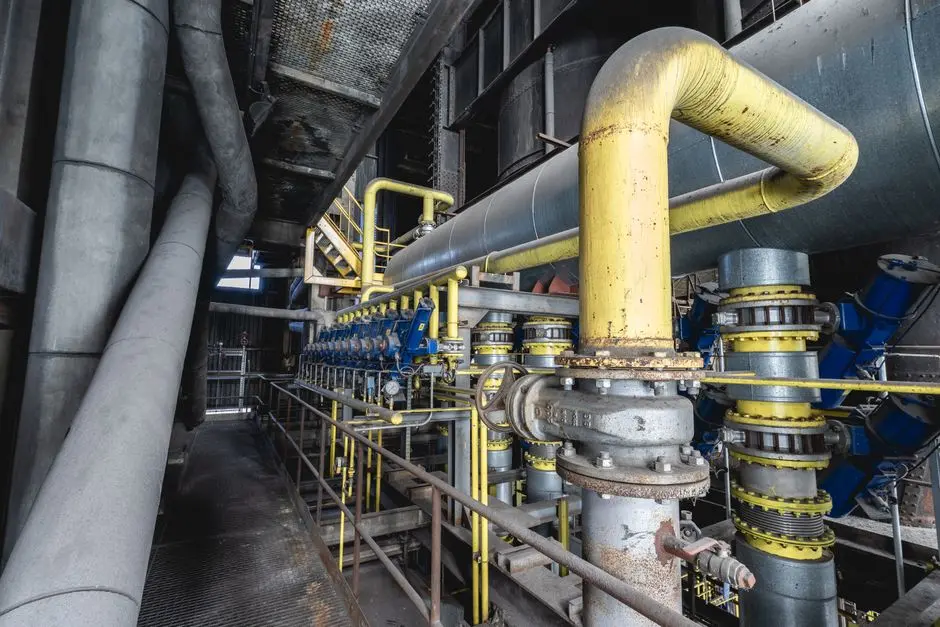
The treatment train must remove pollutants identified in the waste profile before sewer discharge; no single unit can substitute for characterization or the POTW’s enforceable limits. Begin with source control: segregate clean rinses from concentrated process baths, prevent uncontrolled slug discharges, and isolate oily or high-strength streams that could overload downstream equipment. This sequencing is consistent with pretreatment principles that identify source control as a primary method for reducing harmful pollutants before discharge to a public sanitary sewer.
Where characterization shows acidic, caustic, or unstable discharge, use pH adjustment with controlled chemical injection. An automatic chemical dosing system can provide controlled dosing of coagulants, flocculants, pH adjusters, and specialty chemicals, subject to the selected chemical, dose-control range, mixing response, containment, and controls.
Where the profile contains suspended solids, oil and grease, FOG, or colloidal matter, evaluate a DAF system for metalworking wastewater. The equipment catalog identifies DAF as applicable to metalworking and municipal pretreatment and lists a wastewater flow range of 4–300 m³/h across 13 models. That range is a selection screen, not proof that a unit will achieve required effluent quality. Performance must be established against representative wastewater.
Use clarification after coagulation or flocculation when solids must be removed before sewer discharge. The lamella clarifier combines sludge recirculation, flocculation, and inclined-plate separation in a compact structure. Add screening when rags, plastics, fibrous debris, or other suspended solids could interfere with pumps, valves, or treatment processes. Treat sludge as a separate waste-management stream; do not assume it can leave the site with the wastewater.
| Observed condition | Engineering response | Verification point |
|---|---|---|
| Unstable pH | Source segregation followed by controlled pH adjustment | Representative discharge pH and chemical-use records |
| Oil, FOG, colloids, or floatable solids | DAF evaluation with appropriate conditioning | Oil and grease, suspended solids, and visible solids observations |
| Stabilized solids after chemical conditioning | Clarification | Final suspended-solids results and sludge inventory |
| Rags, plastics, or fibrous debris | Screening before pumps and treatment stages | Screen condition, captured debris, and downstream transfer |
Size Equipment from Verified Wastewater Data
Equipment capacity should be based on measured or credibly estimated wastewater behavior, not peak production alone. Request daily and peak flow, batch discharge timing, operating schedule, stream temperatures, pH range, suspended-solids profile, oil and grease load, and applicable metal or process-specific data. Include intermittent dump volumes and cleaning-cycle duration in hydraulic sizing because a short high-strength discharge can control equalization and treatment requirements even when average daily flow appears modest. The related industrial treatment sizing guidance can help structure the data request, but it does not establish Ooltewah conditions.
| Procurement input | Why the buyer needs it | Use in equipment selection |
|---|---|---|
| Average and peak flow | Establishes hydraulic loading and equalization requirements | Compare against equipment hydraulic range |
| Batch volume and discharge timing | Reveals short-duration load and slug conditions | Determine equalization and surge treatment |
| pH and chemical demand | Defines chemical use and control response | Specify dosing range, mixing, and containment |
| Suspended solids, oil and grease, and metals | Identifies separation and polishing requirements | Define DAF, clarification, and monitoring scope |
| Applicable local and categorical limits | Connects treatment performance to enforceable requirements | Write performance guarantees and acceptance tests |
For DAF, compare the catalog flow range of 4–300 m³/h and 13 standard models with the plant’s measured flow, then verify performance through wastewater characterization. For chemical dosing, define the required chemicals, dose-control range, mixing response, containment, and PLC control requirements before selecting a skid.
Receiving authorities typically require a completed nondomestic discharge application at least 90 days before wastewater discharge. Use this as a planning benchmark; confirm the Ooltewah receiving authority’s actual submission and approval timeline, and request a quotation only after the permit route and enforceable limits are identified.
Verify Compliance Before Every Sewer Discharge
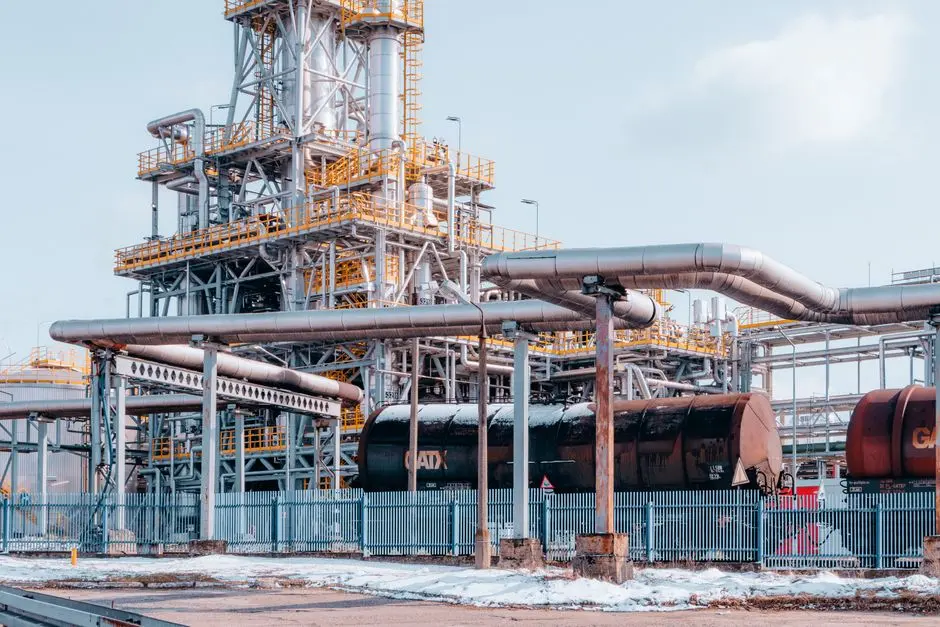
A treatment system is compliant only when its operating record demonstrates that permitted discharges remain within applicable requirements. Create a written sampling plan covering representative production conditions, discharge points, analytical parameters, test methods, sample preservation, record retention, and corrective-action triggers. Calibrate pH, flow, and any online solids or turbidity instruments against laboratory or verified reference methods, and document the relationship between process readings and permit results. The [DAF maintenance and troubleshooting guide](/blog/882-daf-oil-water-separator-maintenance-guide-preventative-protocol-troubleshooting.html) is a useful operating reference, but it does not replace the POTW’s monitoring requirements.
Retain treatment-system operating data, chemical usage, bypass alarms, laboratory results, and corrective-action records so excursions can be traced to a batch, equipment condition, or operating change. Review the receiving POTW’s enforcement framework, which may range from warning letters to administrative penalties and orders to stop discharging. Persistent noncompliance requires an immediate, documented response.
When an excursion occurs, initiate a root-cause review: identify the affected batch, isolate the stream, verify equipment condition, assess downstream impact, document the decision, and obtain approval before returning to service. A corrective action is not complete until the cause, correction, verification result, and preventive measure are recorded.
A Practical Compliance Sequence for Fabricated Metals Operators
- Obtain the receiving POTW’s industrial user requirements and complete its waste survey and discharge application; identify the required user category or permit.
- Map every fabrication wastewater source, characterize each stream, and document the applicable EPA category, if any. For aluminum forming, review the Part 467 subcategories and integral operations.
- Issue a performance specification covering source control, pH adjustment, solids or oil removal, equalization, monitoring, controls, and sludge handling.
- Confirm sizing with measured flows, batch timing, chemistry, and enforceable limits before selecting equipment.
- Commission the system, establish the compliance sampling baseline, train operators, and audit the first operating period for excursions and reporting errors.
- Review local limits and federal applicability whenever a process changes, a new bath or coating enters service, or production volumes materially increase.
The comparison of treatment options for industrial wastewater reminds operators that process selection depends on the waste profile and receiving system. For a fabricator, source segregation, chemistry control, physical treatment, and monitoring must be designed as one compliance system.
Frequently Asked Questions
What treatment data should I obtain before requesting a DAF or clarification system price?
Request average and peak flow, batch volume, discharge timing, operating schedule, pH range, suspended solids, oil and grease, relevant metals, and enforceable POTW limits. Also provide stream temperatures and proposed chemical-conditioning assumptions. These inputs allow suppliers to compare hydraulic capacity and treatment performance against actual waste conditions rather than use a generic production-capacity assumption.
How should I select a chemical dosing system, and who confirms the local requirements?
Specify the chemicals, required dose-control range, mixing response, containment, PLC functions, alarms, and operator controls. The receiving POTW must confirm permit conditions, local limits, monitoring obligations, and pretreatment approval; equipment selection does not replace that review. The automatic chemical dosing system should be evaluated against verified chemical demand and the facility’s controls architecture.
When may 40 CFR Part 467 be relevant to a fabricated metals operation?
Part 467 may be relevant when the plant performs covered aluminum-forming operations. EPA identifies rolling, extrusion, forging, and drawing as core examples and includes integral ancillary operations under specified conditions. A sewer permit does not eliminate the need to review categorical applicability because the regulated parameters vary by subcategory and the complete operation description must be evaluated.