What an Effluent Treatment Plant in Maputo Must Achieve
An effluent treatment plant in Maputo should be selected from the wastewater profile, required effluent quality, reuse objective, available footprint and sludge-handling route—not from average flow alone. Industrial ETPs commonly combine preliminary, primary, secondary and tertiary stages, while advanced polishing can include membrane systems. For example, HydropureWater offers DAF units from 4–300 m³/h, MBR systems from 10–2,000 m³/day and UF systems from 2,000–40,000 L/h with 0.03 μm PVDF membranes. Maputo projects also require attention to local infrastructure, applicable discharge conditions, commissioning, automation and long-term operation.
Effluent is wastewater generated by commercial or industrial activity. The Micro Filter effluent treatment plant guide identifies greases, oils, detergents, heavy metals, chemicals, organic matter and suspended solids as contaminants that may require characterization. An industrial ETP must therefore remove or control those contaminants before the water is discharged, reused or recycled.
There are three distinct buying routes. An industrial ETP is the appropriate route when factory wastewater contains process-specific contaminants. A package sewage treatment system can suit mixed or domestic-type flows, such as those from hotels, hospitals or communities. A membrane polishing unit is not a substitute for biological treatment; it is normally used to treat already treated water where reuse quality requires additional separation.
The required treatment train depends on the discharge point, receiving environment, final-use standard and pretreatment obligations. A discharge permit and the characteristics of the receiving water must be confirmed for the specific site rather than inferred from a generic ETP brochure.
Maputo’s planning context reinforces that treatment cannot be treated as an isolated equipment purchase. The Maputo Sewerage System ESIA excerpt lists sewer-network expansion, wastewater treatment plant upgrades and fecal-sludge treatment facilities among planned interventions. A factory project may therefore need to interface with municipal infrastructure, including any applicable connection, pretreatment or sludge-disposal requirements.
Equipment decisions can then be developed around a complete treatment train. Relevant options include an integrated MBR wastewater treatment system for combined biological treatment and membrane separation, or a buried integrated sewage treatment system where domestic-type flows and limited surface space dictate the project route.
Build the Influent and Effluent Design Basis
A representative wastewater profile—not a single flow figure—must define the design basis for an industrial ETP in Maputo. A recommended starting point is at least one week of flow monitoring, supplemented by sampling during normal production, cleaning, batch discharge and shutdown periods. This is a data-collection recommendation, not a Maputo regulatory requirement.
The influent dataset should distinguish average flow from operating and peak-flow conditions. It should also cover pH, suspended solids, oil and grease, COD, BOD, temperature, conductivity and toxicity, together with contaminants specific to the factory process. Where a discharge batch can dominate the daily load, its duration and frequency should be recorded rather than averaged away.
| Design-basis item | Information the buyer should provide | Why it affects selection |
|---|---|---|
| Flow | Average, peak and batch-discharge flow; operating schedule | Controls hydraulic sizing, equalization and peak-load risk |
| Physical and biological load | Suspended solids, oil and grease, COD, BOD and pH | Determines pretreatment and biological treatment requirements |
| Operating conditions | Temperature, conductivity and toxicity | Influences biological activity and membrane operation |
| Site-specific contaminants | Metals, detergents, process chemicals and batch wastes | Establishes additional treatment or source-control requirements |
| Final use | Discharge, controlled discharge, washing, process reuse, irrigation or potable-related evaluation | Defines the required effluent basis and polishing need |
The effluent basis must be written by final use. A discharge point, wash-water application, process-reuse stream and irrigation demand are not interchangeable. The buyer should obtain the applicable permit, receiving-water information and any customer or public-health specification, then convert those requirements into measurable acceptance parameters.
Membrane polishing should be assessed only after the biological and solids-removal performance is defined. A University of Twente thesis, Direct nanofiltration of wastewater treatment plant effluent, investigated nanofiltration for polishing wastewater treatment plant effluent to EU WFD standards and producing water suitable for agricultural or direct/indirect potable-use evaluation. That research supports a reuse-assessment route; it does not establish that nanofiltration or any particular reuse route is suitable for a particular Maputo site.
Constructed wetlands offer another research-supported route for micropollutant removal. Wageningen University and Research’s 2022 PhD thesis, Removal of micropollutants from wastewater treatment plant effluent by constructed wetlands, examined that application. Land availability, climate, hydraulic profile, pretreatment and local maintenance capacity still have to be established before selecting it. A comparison of domestic sewage treatment options in Mozambique can support the wider sanitation context, but the factory’s wastewater profile remains the controlling design input.
Map Each Treatment Stage to Its Main Job
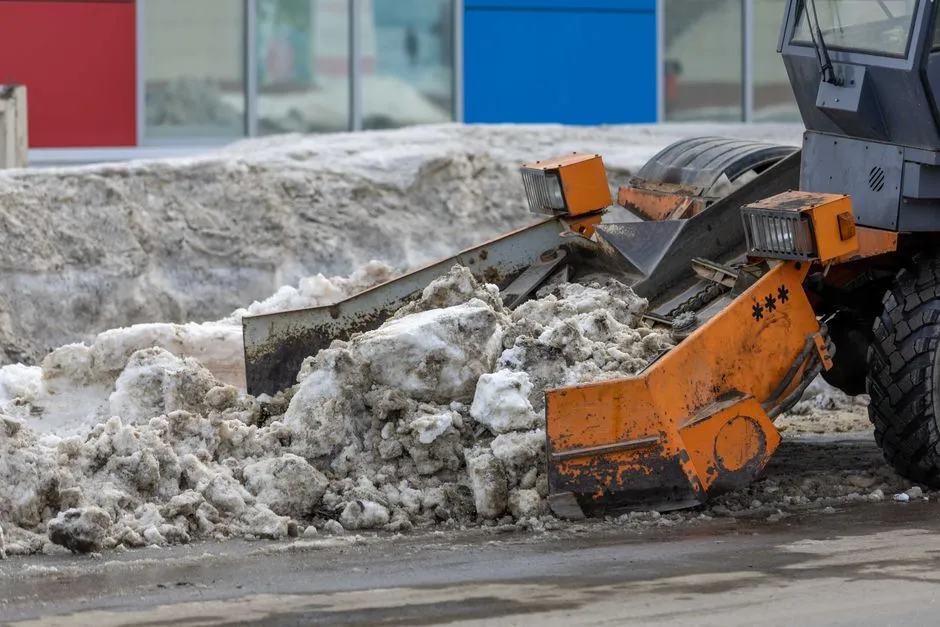
A complete treatment train progresses from preliminary screening through primary, secondary and tertiary treatment, with polishing added when the final use requires it. Each stage has a distinct contaminant-removal job, and a failure in one stage can transfer the problem downstream rather than remove it.
- Preliminary treatment: A screen removes coarse material that could damage pumps or obstruct downstream equipment. The rotary mechanical bar screen protects the downstream process.
- Primary treatment: Settling separates suspended material, including organic and inorganic solids that can be removed by gravity.
- Secondary biological treatment: In activated sludge, microorganisms metabolize suspended and soluble organic matter during aeration, followed by solid-liquid separation. The “Effluent treatment plant” presentation describes this sequence directly.
- Tertiary treatment: Coagulation chemicals improve the attraction of fine particles so they aggregate into larger flocs. A high-efficiency sedimentation tank then supports solids separation.
- Polishing and disinfection: Membrane or other polishing can prepare water for reuse. The “Effluent treatment plant” presentation also describes chlorine contact as a means of removing microorganisms after tertiary treatment; the final disinfection method must nevertheless be checked against the agreed discharge or reuse basis.
DAF pretreatment is most relevant where oil, grease, free oil, suspended solids or colloidal material would interfere with biological treatment or membrane operation. The DAF system for industrial wastewater pretreatment should be placed ahead of biological treatment or polishing where those contaminants are significant.
MBR combines biological treatment with membrane separation. This makes it suitable where a compact installation and fine solids separation are both required. For reuse-sensitive treatment, a UF polishing system with 0.03 μm membranes can operate after biological treatment, subject to feed-quality and operating checks.
Disinfection belongs at the end of the agreed process train, not as an isolated response to a microbial concern. Its objective must be stated in terms of the receiving environment, reuse application and project acceptance basis. This prevents over- or under-treatment and avoids treating a general reference standard as a site-specific permit.
Choose the Right System for the Wastewater
The defensible choice follows from the dominant contaminant and the required final water quality. A technology should be selected because it removes a defined load, handles the measured peak condition and fits the available operating envelope—not because it provides the most stages.
| System | Use when | Verified catalog range or feature | Main procurement check |
|---|---|---|---|
| DAF | Suspended solids, FOG, oil and grease or colloidal matter are significant | 4–300 m³/h; 13 standard models; micro-bubble technology; automatic skimming | Feed condition, measured peak flow, sludge route and skimming arrangement |
| MBR | Biological treatment and fine separation are required in a compact installation | 10–2,000 m³/day; filtration below 1 μm; stated 60% footprint reduction versus conventional systems | Hydraulic and organic loading, membrane maintenance and site footprint |
| UF | Chemically free polishing or pretreatment of biologically treated water is required | 2,000–40,000 L/h; 0.03 μm PVDF membranes; automatic backwash and air scour; turbidity limit 300 ppm | Feed turbidity, polishing flow, membrane replacement and cleaning strategy |
| Package sewage treatment | Factories, hotels, hospitals or communities have suitable domestic-type flows | WSZ system: 1–80 m³/h; A/O biological contact oxidation, sedimentation and disinfection; buried installation; no operator requirement | Suitability of wastewater profile, peak flow, infiltration, maintenance access and effluent duty |
| Automatic chemical dosing | pH adjustment, coagulation or flocculation requires controlled addition | Supporting dosing skid rather than the main ETP | Chemical demand, storage, dosing control and operator safety |
| Plate-and-frame filter press | Separated sludge requires dewatering | 1–500 m² filtration area; manual, hydraulic or automatic PLC options | Sludge characteristics, cake handling, plate capacity and final disposal route |
DAF is the front-end choice for removable oils, greases and floatable solids. The listed DAF system for industrial wastewater pretreatment includes 13 standard models across the catalog’s 4–300 m³/h range, with micro-bubble technology and automatic skimming.
MBR is the compact biological option where membrane separation must be integrated with treatment. The catalog’s integrated MBR wastewater treatment system covers 10–2,000 m³/day, specifies filtration below 1 μm and states a 60% footprint reduction compared with conventional systems. The supplier should demonstrate how that footprint claim applies to the buyer’s civil arrangement.
UF is primarily a polishing or pretreatment step, not a biological process. The listed UF system handles 2,000–40,000 L/h, uses 0.03 μm PVDF membranes, includes automatic backwash and air scour, and has a stated feed turbidity limit of 300 ppm.
Package sewage treatment suits domestic-type wastewater. The WSZ system is listed at 1–80 m³/h and integrates A/O biological contact oxidation, sedimentation and disinfection in a buried installation stated to require no operator. That suitability must be demonstrated against the factory’s actual flow and contaminants.
Chemical dosing and sludge dewatering are supporting systems, not substitutes for the core process. An automatic chemical dosing system should be sized from the confirmed chemical demand, while an industrial sludge dewatering filter press should be selected from sludge properties and the disposal route.
Size the Plant Around Variability and Failure Risk
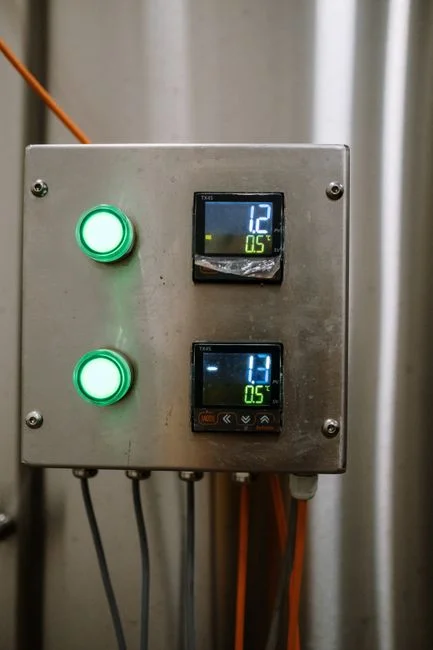
Hydraulic capacity and contaminant loading must be sized separately because equipment may have adequate flow capacity but insufficient process capacity. The supplier should show both checks against the same project design basis, with production variability and batch discharges explicitly represented.
| Equipment | Capacity check | Process and failure check |
|---|---|---|
| DAF | Compare nominal flow with measured peak flow within the 4–300 m³/h catalog range | Confirm required feed condition, equalization and skimming performance |
| MBR | Check measured daily flow, peak hydraulics and organic loading against the 10–2,000 m³/day range | Confirm membrane cleaning, replacement access, aeration and outage response |
| UF | Check polishing flow against the 2,000–40,000 L/h range | Confirm feed turbidity is within the stated 300 ppm limit |
| Package sewage treatment | Check peak sewage flow against the 1–80 m³/h envelope | Assess infiltration where sewer condition is uncertain and confirm maintenance access |
For DAF, the selected unit’s nominal flow must cover the measured peak and the pretreatment duty accepted by the manufacturer. For MBR, daily organic and hydraulic loading must be checked independently against the permitted flow range; low flow can also affect biological performance. For UF, the required polishing flow must fit the catalog range and the feed must satisfy the stated turbidity ceiling.
For package sewage treatment, peak sewage flow—not only the average—must fit the catalog envelope. Groundwater infiltration should be included where the sewer condition is uncertain because it can add flow that is absent from production discharge records.
The quotation should also address redundancy, bypass, power failure, maintenance access, critical spares and control strategy. There is no defensible universal redundancy percentage without a site-specific risk analysis. The buyer should instead identify which flow or contaminant loss would stop production, discharge or reuse and require the supplier to state the response.
Membrane and filter-element selection should remain linked to the operating envelope. The RO and UF membrane and filter-element range should be checked against the selected process chemistry, water quality and replacement strategy, rather than treated as a generic consumable order.
Plan Compliance, Commissioning and Lifecycle Support
An industrial ETP in Maputo should be procured as an operating and compliance system, not as a collection of tanks and pumps. The supplier must identify potentially applicable environmental and discharge conditions, while the project owner confirms the final requirements with the relevant authority for the specific discharge point.
Before award, request the complete process and instrumentation diagram, equipment schedule, control philosophy, utilities demand, civil interface, FAT/SAT protocol, operating manuals and O&M support. FAT should verify manufacturing and functional readiness; SAT should demonstrate the installed system against the agreed project basis.
| Procurement area | Document or commitment to request | Acceptance focus |
|---|---|---|
| Process performance | Design basis, process calculation and performance guarantees | Measured performance against agreed effluent and operating parameters |
| Commissioning | FAT/SAT protocol, test methods and acceptance records | Evidence rather than a generic statement of regulatory compliance |
| Utilities and controls | Power, water, air, chemicals, drains, alarms and control narrative | Capacity, interlocks, local operation and failure response |
| Operations | Training, manuals, preventive maintenance and spare-parts schedule | Operator competence and access to wear parts and membranes |
| Sludge | Mass balance, dewatering route, handling and final-disposal responsibility | A defined destination and responsibility for every sludge stream |
| Automation and support | Remote monitoring, alarm response and supplier support commitment | Named response route, escalation and local support arrangements |
Commissioning acceptance should use measured performance against the agreed project basis. That basis must state sampling points, test methods, operating conditions and acceptance values. A supplier’s statement that the plant complies with regulations is not a substitute for an auditable test protocol.
Evaluate chemical delivery, available power, operator training, spare membranes, wear parts, remote monitoring and response time as separate commercial items. These costs and dependencies can materially affect lifecycle performance, but the supplied research contains no verified Maputo cost figures. Request an itemized site-specific quotation instead of comparing headline equipment prices.
Sludge destination, dewatering route and disposal responsibility also require definition. The plate-and-frame press can reduce sludge volume, but it does not determine whether the resulting cake can be lawfully and safely disposed of.
For disinfection-sensitive applications, the catalog lists chlorine dioxide generators from 50 g/h manual units to 20,000 g/h fully automated industrial systems. The chlorine dioxide generator range is a product option to evaluate, not proof that a particular dose or residual is appropriate. The application and acceptance basis must determine the required generation capacity and safety controls.
Frequently Asked Questions
How much does an effluent treatment plant in Maputo cost?
There is no verified Maputo price in the supplied research, so a defensible cost cannot be stated from average flow or catalog capacity alone. Request a site-specific, itemized quotation based on measured average and peak flow, wastewater profile, required effluent use, footprint, utilities, civil works, automation, commissioning, sludge handling, training, spares and O&M support. Ask the supplier to identify excluded works and recurring chemical, membrane and maintenance costs.
What information is needed to size an industrial ETP in Maputo?
Average flow alone is insufficient. Provide representative flow monitoring, peak and batch-discharge conditions, pH, suspended solids, oil and grease, COD, BOD, temperature, conductivity, toxicity and process-specific contaminants, together with the final effluent use. For package sewage treatment, include any likely groundwater infiltration. The supplier should then show hydraulic and contaminant-loading checks for the proposed train.
Which treatment technology should a factory choose?
Choose DAF pretreatment when oil, grease, floatable solids or colloidal material are significant; use MBR when biological treatment and fine membrane separation must be combined in a compact system; and use UF to polish biologically treated water where the feed meets its stated turbidity limit. A package sewage treatment system is appropriate for suitable domestic-type flows, while reuse objectives may require further assessment of polishing and disinfection.
How should a supplier be selected for an industrial ETP in Maputo?
Require a process proposal tied to the documented influent and effluent basis, not a generic equipment list. Ask for reference performance, utilities consumption, automation, FAT/SAT procedures, commissioning records, operator training, membrane or wear-part support and O&M response commitments. Confirm the applicable discharge permit with the relevant authority and define acceptance using measured site-specific parameters.
What compliance risks should be resolved before ordering equipment?
The principal risk is treating a generic international standard as the site’s legal requirement. Confirm the applicable Maputo environmental conditions, discharge permit, receiving point, reuse restrictions and any municipal connection or sludge-disposal requirements for the specific project. Put the agreed limits, test methods and responsible authority into the procurement and SAT documents; the regional effluent treatment process and sizing guide provides a useful review framework, but it does not replace project-specific confirmation.