Why Luttrell Mining & Metals Plants Are Re-asking the DAF vs Clarifier Question in 2026
Luttrell, Tennessee sits inside a historic copper- and zinc-bearing belt, and the process wastewater leaving a mill, smelter support area, or wash-down bay rarely looks the same on two consecutive days. One shift the feed is a dense slurry of metal hydroxides and grinding fines that drops to the floor of a tank; the next shift it is a foamy stream of emulsified oil, FOG, and light floc from equipment cleaning. That swing — float one day, settle the next — is the real reason Luttrell engineers are re-opening the DAF vs clarifier question in 2026. The local benchmark they compare against is the EPA-cited Luttrell biochemical reactor (BCR), which removed 98% of problem metals including Ni in passive AMD service (nepis.epa.gov, in beta.co.id's 2025 review of passive nickel-mine AMD treatment). That 98% figure is a downstream polishing target, not a result a primary clarifier is expected to deliver alone.
Before specifying equipment, an engineer should pin down three things the supplied research does not provide directly: the current Tennessee TDEC mining permit limits that apply to that specific outfall, the actual pH and Fe³⁺/Fe²⁺ split in the feed, and whether FOG or hydraulic surges are routine. With those inputs in hand, the realistic 2026 primary-clarifier candidates narrow to two: a dissolved air flotation (DAF) unit such as the HydropureWater DAF system covering 4–300 m³/h, or an inclined-plate / lamella clarifier such as the HydropureWater High-Efficiency Sedimentation Tank. Everything below is built to help a Luttrell process engineer choose between those two without hand-waving.
How a DAF System Actually Removes Solids from Mining & Metals Wastewater
DAF is a flotation process, not a settling process. A side stream of clarified effluent is pressurized and saturated with air; on depressurization inside the contact zone it forms 30–50 micron micro-bubbles (Clearwater/SigmaDAF, clearwaterind.com, 2026-04-27) that attach to flocculated particles and pull them upward. A paddle or belt skimmer scrapes the resulting float blanket into a trough, and any heavier settleable solids that slip through drop to a bottom collection zone where an auger removes them (Clearwater/SigmaDAF, 2026-04-27). The DAF is therefore doing two jobs in one tank — floating the light fraction and settling the heavy fraction — which is why it is often called a DAF clarifier in vendor literature.
DAF performance is gated by upstream chemical conditioning. Serpentine flocculation tubes give 15–45 seconds of flash mix, with discrete dosing points for coagulant, pH adjustment, and polymer flocculant (Clearwater/SigmaDAF, 2026-04-27). The chemical step both grows floatable flocs and "creates a thicker, more dewatered sludge that may need little to no further dewatering" (Clearwater/SigmaDAF, 2026-04-27) — a useful side benefit when downstream dewatering equipment is shared with other lines. For a Luttrell plant, that conditioning train is typically driven by a packaged automatic chemical dosing system sized to the flow envelope.
Standard construction is 304SS, with 316SS or polypropylene available for more corrosive mining effluents (Clearwater/SigmaDAF, 2026-04-27). Modular sizing matters at mine sites: the COMPACT DAF handles flows of 66 GPM or less on a single skid, with flows above 66 GPM delivered as a modular two-skid system (Clearwater/SigmaDAF, 2026-04-27), which lets an engineer start with a pilot skid and scale without redesigning the civil footprint.
How a Lamella Clarifier Settles the Same Mining Stream
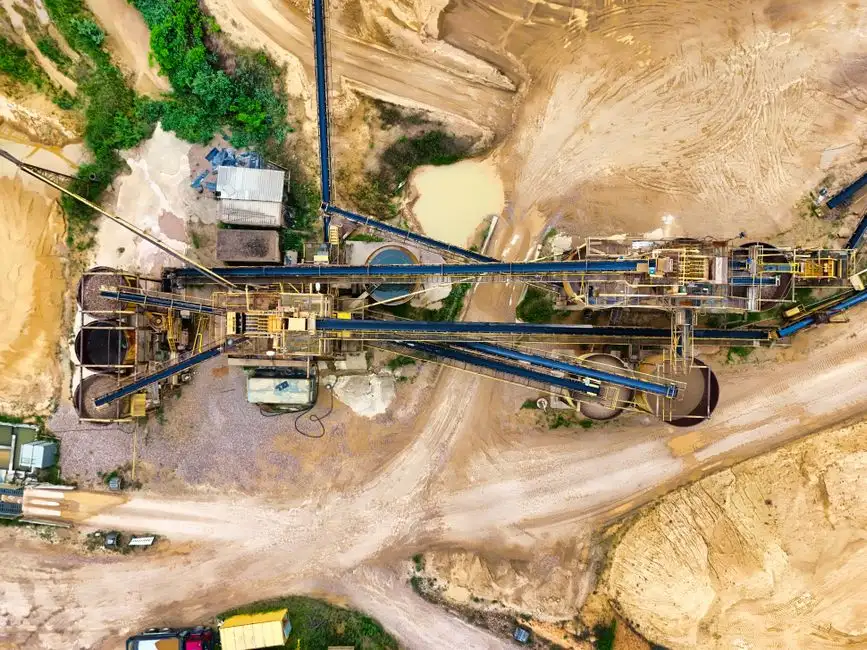
A lamella clarifier — marketed here as the HydropureWater High-Efficiency Sedimentation Tank — is a gravity settler. Wastewater enters a feed well, is dosed with coagulant and flocculant, and then flows upward through a stack of inclined plates. Solids slide down the underside of the plates into a hopper, while clarified water passes up through the plate pack to a collection launder. The inclined-plate geometry multiplies the effective settling area inside a shallow tank, so the unit is physically shorter than a conventional clarifier of equivalent capacity (HydropureWater product data). The same vendor data reports chemical consumption up to 30% lower than a conventional clarifier, which is a meaningful opex line for a high-throughput Luttrell operation.
Because lamella is gravity-only, it works best on contaminants that already want to sink: dense TSS, settled metal hydroxides, and grit-bearing slurries. It is a poor match for streams with significant FOG, light flocs, or low-specific-gravity precipitates, because oil coats the plates and light flocs never reach the plate underside before being carried out with the clarified stream. Plate spacing is fixed, so lamella units are also sensitive to flow surges that can re-entrain settled sludge. The supplied research does not give a numeric oil-tolerance limit for the HydropureWater tank, so the buyer should request a jar-and-column test on the actual feed before committing.
DAF vs Lamella Clarifier: Side-by-Side Comparison for Mining & Metals Streams
Below is the engineering trade-off table an engineer would hand to a Luttrell plant manager. Numeric entries are taken from the supplied research; rows that depend on the specific feed are marked "site-specific" rather than padded with assumed ranges.
| Parameter | DAF (HydropureWater DAF family) | Lamella Clarifier (High-Efficiency Sedimentation Tank) |
|---|---|---|
| Removal mechanism | 30–50 µm micro-bubbles attach to flocs; paddle/belt skimmer removes float; auger removes settled solids (Clearwater/SigmaDAF, 2026-04-27) | Inclined plates at 20–40 m/h surface loading; sludge slides to hopper; clarified water rises through plate pack (HydropureWater catalog) |
| Best-fit contaminant | Light flocs, FOG, emulsified oil, low-specific-gravity metal precipitates (Clearwater/SigmaDAF, 2026-04-27) | Heavy TSS, dense metal hydroxides, grit-bearing slurries (HydropureWater catalog) |
| Standard flow envelope | 4–300 m³/h across 13 standard models (HydropureWater catalog) | 10–200 m³/h within the integrated JY water-purification family (HydropureWater catalog) |
| Skid configuration | ≤66 GPM single skid, >66 GPM modular two-skid (Clearwater/SigmaDAF, 2026-04-27) | Site-specific skid or concrete-pad assembly (HydropureWater catalog) |
| Footprint / height | Needs tank headroom for float blanket and skimmer; longer but shorter in plan than a clarifier of equal flow (Clearwater/SigmaDAF, 2026-04-27) | Shallow, compact; inclined plates replace the depth of a conventional clarifier (HydropureWater catalog) |
| Chemical demand | Coagulant + pH adjust + polymer for floatable flocs; sludge reported as thicker and easier to dewater (Clearwater/SigmaDAF, 2026-04-27) | Coagulant + flocculant; up to 30% lower chemical use vs conventional clarifier (HydropureWater catalog) |
| Standard materials | 304SS standard, 316SS or polypropylene optional (Clearwater/SigmaDAF, 2026-04-27) | Commonly carbon steel with rubber lining or FRP in mining service; confirm metallurgy with supplier (HydropureWater catalog) |
| Capex / opex | Request quote — supplied research does not provide a Luttrell DAF price | Request quote — supplied research does not provide a Luttrell lamella price |
The table is meant to support a recommendation memo, not to replace one. Capex and opex rows are deliberately left as "request quote" because the supplied research does not contain a direct DAF-vs-clarifier price for a Luttrell mining application; an engineer should request vendor quotations with site-specific jar-test results before locking in a budget.
When DAF Is the Right Pick for a Luttrell Mining Plant in 2026
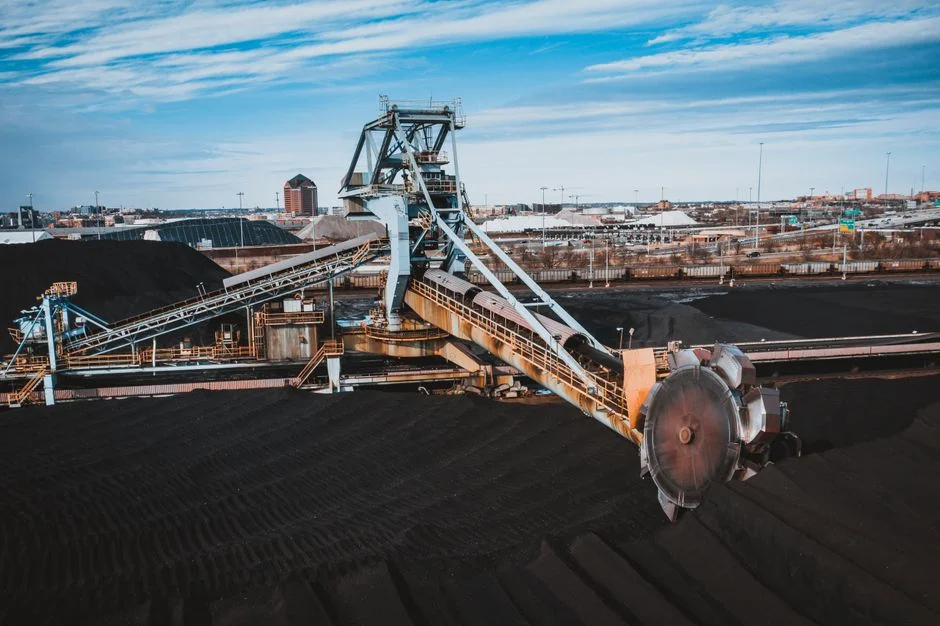
DAF is the right primary clarifier when the contaminant set floats rather than sinks. Three Luttrell scenarios fit that profile. First, streams with emulsified oil, FOG, or low-specific-gravity precipitates that will not settle reliably under gravity alone — DAF is "ideal for wastewater streams with oil, grease, and impurities that float or have a low specific gravity" (Clearwater/SigmaDAF, 2026-04-27). Second, plants that want a drier float sludge for downstream dewatering: the chemical conditioning step "creates a thicker, more dewatered sludge that may need little to no further dewatering" (Clearwater/SigmaDAF, 2026-04-27), which can shrink the dewatering capex line. Third, modular mine sites that start small and scale: the COMPACT DAF at ≤66 GPM single-skid / >66 GPM two-skid (Clearwater/SigmaDAF, 2026-04-27) lets an engineer install a pilot skid and grow into the modular pair without redesigning the civil footprint.
DAF is not the right choice alone if the local discharge target is set against the EPA-cited Luttrell BCR performance of 98% metal removal (nepis.epa.gov, in beta.co.id 2025). That 98% result is a downstream polishing benchmark, typically achieved after a sulfate-reducing or chemical-precipitation step. A 2026 Luttrell DAF line that needs to approach that number should pair the HydropureWater DAF system with a multi-media filter and chemical precipitation polishing, not rely on floatation alone.
When a Lamella Clarifier Beats DAF on a Metals Wastewater Line
A lamella clarifier wins when the feed is dominated by heavy TSS, settled metal hydroxides, or grinding swarf that gravity already wants to drop. The inclined plates deliver 20–40 m/h surface loading in a much shallower tank than a conventional clarifier of the same capacity (HydropureWater catalog), which is the deciding factor in two common Luttrell cases. The first is the retrofit: an existing clarifier bay is too short to install a DAF with skimmer headroom, and the inclined-plate geometry collapses the unit into a shallow, skid-friendly footprint. The second is the chemical budget: the HydropureWater High-Efficiency Sedimentation Tank is reported to use up to 30% less chemical than a conventional clarifier (HydropureWater catalog), which compounds at high throughput.
A lamella clarifier is the wrong choice alone if the feed carries FOG, light flocs, or wash-down oil. Oil-coated plates lose efficiency, and the supplied research gives no numeric oil-tolerance threshold; the engineer should require a jar-and-column test with the actual feed before signing a purchase order. If both floatable and settleable contaminants show up in the same stream, a hybrid train — lamella for bulk TSS followed by DAF for the floatable fraction — is defensible, but the supplied research does not give pricing for that configuration and the engineer should treat it as a custom scope.
2026 Selection Matrix: DAF or Clarifier for Your Luttrell Site
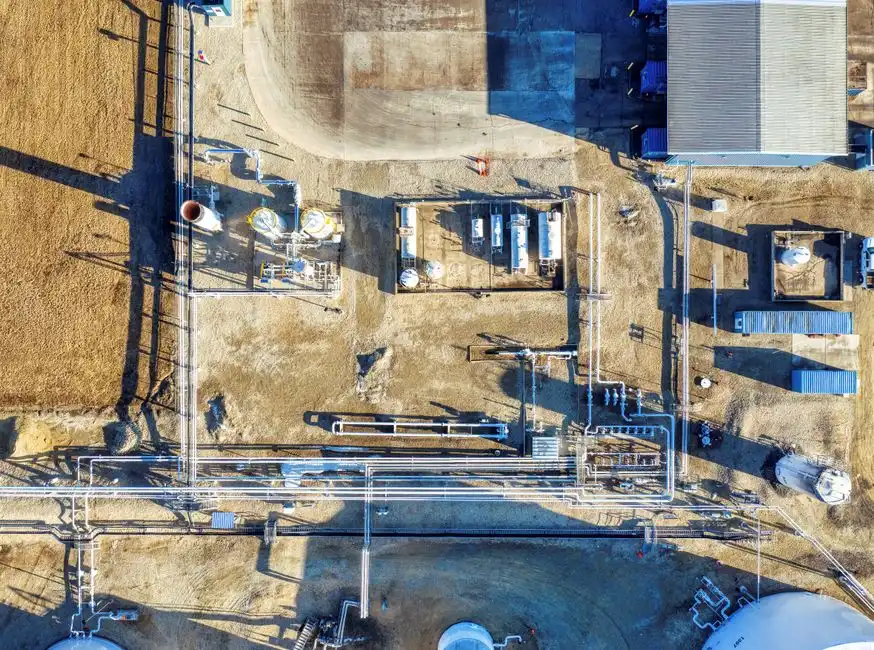
The matrix below turns the comparison into a yes/no tool for a recommendation memo. Capex and opex rows are listed as "request quote" because the supplied research does not provide direct DAF-vs-clarifier mining price data; an engineer should obtain site-specific quotations and the current Tennessee TDEC mining permit limits before finalizing the choice.
| Decision driver | Choose DAF | Choose Lamella Clarifier | Choose DAF + polishing |
|---|---|---|---|
| Feed character | High FOG / oil, light flocs, variable feed | Heavy TSS, dense metal hydroxides, grit | Mixed contaminants with strict metal limit |
| Flow envelope | 4–300 m³/h, 13 standard models (HydropureWater catalog) | 10–200 m³/h, integrated JY family (HydropureWater catalog) | Same DAF range, sized to polishing train |
| Footprint | Plan space available; vertical headroom for skimmer | Shallow retrofit bay; compact skid | Plan space for DAF + filter / precipitation |
| Chemical budget | Accept higher polymer for floatable flocs | Up to 30% lower chemical use (HydropureWater catalog) | Combined dosing via automatic chemical dosing system |
| Downstream target | Bulk TSS / FOG reduction only | Bulk TSS reduction only | Approach EPA-cited Luttrell BCR 98% Ni removal (nepis.epa.gov, in beta.co.id 2025) |
| Capex / opex | Request quote | Request quote | Request quote |
The 98% Luttrell BCR number is a downstream polishing benchmark, not a primary-clarifier target. Engineers should treat it as the design point for the polishing train and select the primary clarifier on feed character and footprint, not on that single percentage.
Frequently Asked Questions
What capex range should a Luttrell plant budget for a DAF versus a lamella clarifier in 2026?
The supplied research does not provide a DAF-vs-lamella price for a Luttrell mining application. The only AMD-related numbers in the research are for passive systems — roughly $0.07/m³ ALD opex (US DOE estimate, nepis.epa.gov) and ~$19.5 per 1,000 gallons BCR O&M at the Leviathan Mine (nepis.epa.gov, in beta.co.id 2025) — and these do not translate to a DAF or lamella clarifier capex. Request a written quote from at least two vendors, scoped to the same flow envelope and feed characterization, and ask each to itemize the chemical dosing skid, instruments, and installation separately.
How do I choose between a DAF supplier and a lamella clarifier supplier for a Luttrell capex project?
Compare vendors on three checks the supplied research supports: standard metallurgy (DAF units are typically 304SS with 316SS or polypropylene options for corrosive effluents, per Clearwater/SigmaDAF 2026-04-27), skid configuration (DAF at ≤66 GPM single-skid / >66 GPM two-skid, per Clearwater/SigmaDAF 2026-04-27), and documented chemical use (lamella up to 30% lower than conventional, per the HydropureWater catalog). Ask each vendor to confirm those specs in writing, to provide a庐 reference list of comparable mining or metals installs, and to share a sample jar-test protocol for your feed.
Can a single primary clarifier hit the 98% Luttrell BCR metal-removal benchmark on its own?
No. The 98% removal figure is from a passive biochemical reactor operating in series with other steps, not from a primary clarifier (nepis.epa.gov, in beta.co.id 2025). For a DAF or lamella primary, plan a polishing train — typically chemical precipitation plus a multi-media filter — and size the polishing step to the local Tennessee TDEC mining permit limits, which the supplied research does not list.
Do DAF and lamella clarifiers need the same chemical conditioning upstream?
Both require coagulation and flocculation, but the dose profile is different. DAF needs coagulant, pH adjustment, and polymer to build floatable flocs, typically dosed through a 15–45 second serpentine flash-mix tube (Clearwater/SigmaDAF, 2026-04-27). Lamella needs coagulant and flocculant at the lower demand reported for the HydropureWater tank (HydropureWater catalog). In both cases, an automatic chemical dosing system sized to the flow is the practical way to hold the dose stable across a Luttrell feed that swings between float and settle behavior.